Table of Contents
What does being high feel like?
Introduction: The Basics of Experiencing a High

Experiencing a “high” is an integral aspect of the effects brought on by psychoactive substances, such as recreational drugs like cannabis and certain pharmaceuticals. This document delves into the basic principles that underpin the sensation of being high, examining the physiological, psychological, and biochemical dynamics involved. It aims to equip readers with a clear understanding of how these effects are produced, and the various factors that affect their intensity and duration.
1. Definition and Context
A “high” refers to an altered state of consciousness distinguished by enhanced feelings, perceptions, or mood deviations from one’s normal state. This condition is often pursued for its recreational, medicinal, or spiritual benefits. The characteristics of a high can vary significantly based on the substance, dosage, administration method, and individual physiological and psychological conditions.
2. Biochemical Foundations
The experience of a high primarily involves interactions between the psychoactive substance and brain chemistry:
- Neurotransmitter Interaction: Psychoactive substances typically modify brain function by interacting with neurotransmitter systems. For instance, THC in cannabis mimics endocannabinoids, affecting mood, perception, and consciousness.
- Receptor Activation: These substances generally exert their effects by binding to specific receptors in the brain, initiating a series of chemical reactions that influence thoughts, emotions, and physical sensations.
3. Physiological Impact
Psychoactive substances induce a range of physiological responses:
- Central Nervous System Stimulation: Stimulants like caffeine enhance alertness, while depressants such as alcohol promote relaxation.
- Peripheral Body Effects: Substances can also affect other systems in the body, altering heart rate, appetite, and overall energy levels.
4. Psychological Dimensions
The psychological impact of a high is often significant and is typically the main reason individuals seek these experiences:
- Mood Elevation: Many substances boost mood, inducing states of euphoria or profound happiness.
- Altered Perceptions: Specifically with hallucinogens, users often encounter alterations in their perception of time, space, and reality.
- Cognitive Alterations: These substances may either augment or diminish different cognitive abilities, influencing memory, judgment, and decision-making processes.
5. Influencing Factors
The nature and strength of a high are influenced by several factors:
- Dosage and Concentration: The amount and strength of the substance crucially determine the high’s intensity.
- Administration Method: The method by which the substance is consumed (e.g., smoking, ingesting, injecting) impacts how quickly and strongly the effects are felt.
- Individual Variability: Factors such as genetics, body mass, metabolic rate, and tolerance level can all modify an individual’s response to a substance.
6. Conclusion
Grasping the basics of how highs are experienced involves understanding the complex interaction between psychoactive substances and the human body’s physiological and psychological systems. These experiences are shaped by a combination of biochemical interactions and individual factors. This knowledge not only deepens our insight into human consciousness but also assists in the responsible management and regulation of psychoactive substances. Continued research is progressively revealing the complex nuances of these interactions, leading to safer and better-informed therapeutic and recreational uses.
Sensory Alterations: Changes in Sight, Sound, and Touch
The study of sensory modifications is crucial in understanding how individuals perceive and interact with their surroundings. This essay provides an in-depth examination of the alterations in vision, hearing, and tactile perception, which are essential for navigating and understanding the environment.
Variations in Vision
Vision is a critical sensory modality that helps individuals interpret and interact with their environment. Changes in vision can include alterations in sharpness, visual field, color detection, and depth perception. These changes may be attributed to various conditions such as age-related macular degeneration, diabetic retinopathy, and common refractive errors. The impact of visual impairments extends beyond the physical limitations, affecting the psychological and social aspects of an individual’s life.
Managing these changes necessitates a holistic approach that encompasses medical treatment, visual aids, and supportive therapies.
Hearing Alterations
Hearing is integral to effective communication and environmental awareness. Alterations in this sense typically manifest as reduced hearing sensitivity, which can vary from mild to severe hearing loss. Causes include genetic predispositions, exposure to harmful noises, or interaction with ototoxic substances. Individuals may also experience tinnitus, which can severely disrupt daily life. Management of hearing changes often involves both medical interventions, like hearing aids or cochlear implants, and modifications to one’s living or working environments to better accommodate these auditory changes.
Tactile Perception Changes
Tactile perception involves the ability to detect touch, temperature, and pain, playing a vital role in physical and emotional connections. Changes in this sense can arise from neurological conditions, diabetes, or physical injuries that affect the peripheral nervous system. These alterations may lead to hypersensitivity, which is an increased sensitivity to touch, or hyposensitivity, a reduced ability to detect sensory stimuli. Addressing these changes requires customized therapeutic approaches designed to restore function and enhance the quality of life.
In summary, sensory changes in vision, hearing, and tactile perception significantly influence how individuals interact with their environment. It is essential to understand these modifications to develop effective strategies for improving sensory processing, aiding adaptation, and enhancing overall well-being. Continued research is essential to uncover new treatments and interventions that can better manage these sensory challenges.

Emotional Effects: Mood Swings and Euphoria
In the intricate landscape of human emotions, mood swings and euphoria are critical phenomena that warrant thorough investigation. This essay aims to delve into these emotional states, exploring their impact on individual well-being and social interactions.
Mood Swings: An In-Depth Analysis
Mood swings represent rapid and often unpredictable shifts in emotional states, varying from joy to despair in a brief period. The causes of mood swings are diverse, including biological factors, psychological conditions, and environmental influences. Neurochemical imbalances, hormonal shifts, and significant life stressors are among the primary contributors. The unpredictable nature of mood swings challenges both the individuals affected and their close associates, necessitating effective coping mechanisms and, frequently, professional intervention.
Euphoria: A Comprehensive Examination
Euphoria is characterized by a fleeting, intense sensation of extreme happiness or well-being, marked by an elevated mood and an exaggerated sense of optimism. This state can arise naturally in response to positive life events or through more concerning routes such as medication side effects or substance abuse. When euphoria presents in clinical settings, careful management is required to prevent it from obscuring underlying conditions or leading to risky behaviors.
Interactions and Consequences of Mood Swings and Euphoria
The relationship between mood swings and euphoria is intricate, with euphoria often appearing adjacent to or as a component of mood swings, especially in disorders like bipolar disorder, where manic phases are often accompanied by an excessively euphoric mood. This fluctuation between emotional extremes can compromise an individual’s ability to maintain stable relationships, perform reliably at work, and handle everyday responsibilities.
Identifying the triggers and patterns of these emotional states is key to managing them effectively. Treatments might include pharmacological approaches to stabilize moods or psychotherapeutic strategies to improve emotional regulation. Additionally, the support from family and social circles is essential in alleviating these emotional disturbances and promoting a supportive recovery environment.
Conclusion
In summary, mood swings and euphoria significantly affect individuals’ lives and their ability to interact with others. A thorough understanding of these emotional states is crucial for devising effective treatments and support systems. With ongoing research, it is anticipated that more refined methods will be developed, aiding those affected by these conditions to achieve better emotional balance and enhanced overall well-being.
Cognitive Impacts: Perception of Time and Memory Function
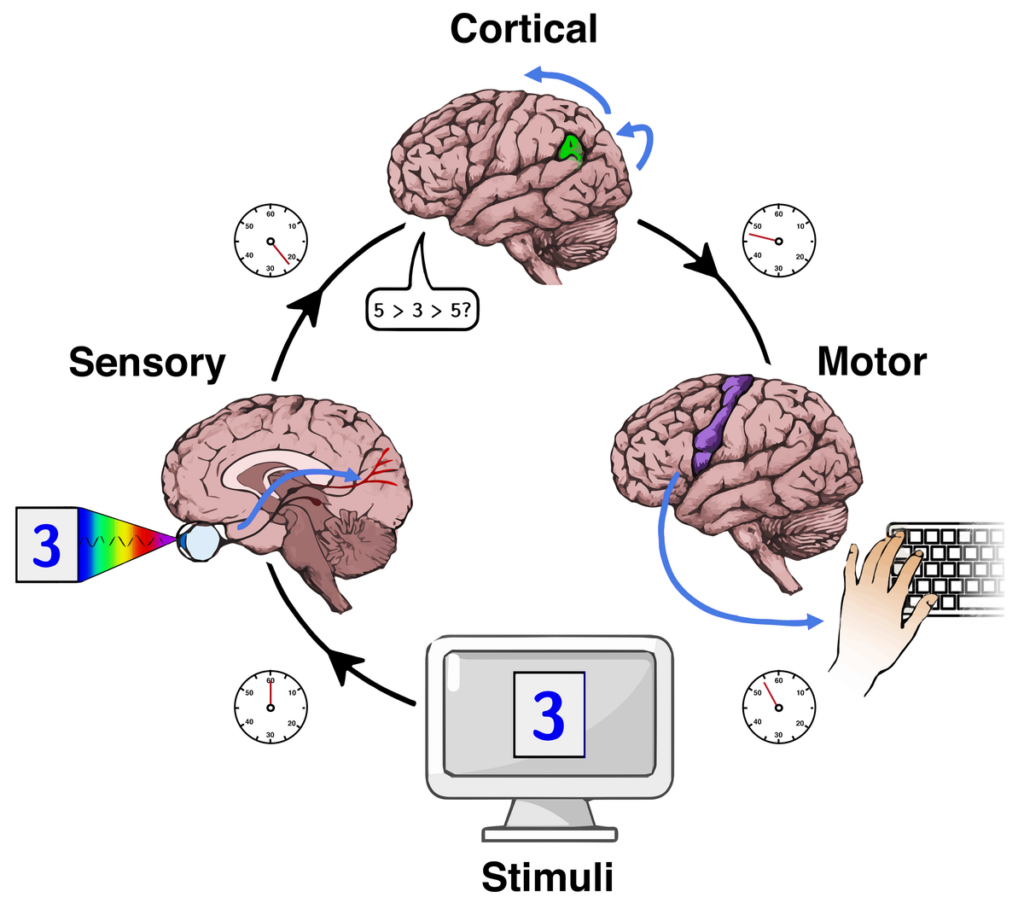
This essay addresses the significant cognitive effects pertaining to changes in the perception of time and memory function, emphasizing their importance in daily activities and overall mental health. Both time perception and memory are central to how individuals process experiences and function within their environment, making their examination crucial.
Time Perception
Time perception is essential for structuring human activities, expectations, and narratives. It allows for the sequencing of events, anticipation of future happenings, and contextualization of life experiences. Alterations in how time is perceived such as experiencing time as moving faster or slower can greatly affect one’s social and professional effectiveness. These changes might be indicative of neurological disorders, mental health issues, or the influence of drugs. Researching these alterations not only deepens our comprehension of cognitive mechanisms but also supports the development of treatments for affected individuals.
Memory Function
Memory plays a vital role in learning, making decisions, and managing social interactions. It involves the encoding, storing, and recalling of information. Disruptions in memory can vary from minor lapses to profound amnesic conditions, affecting personal independence and life quality. These disruptions may result from aging, neurological conditions like Alzheimer’s disease, or brain injuries. Understanding memory dysfunctions is essential for creating effective management strategies and helping maintain cognitive health.
Interconnections and Wider Consequences
The relationship between time perception and memory is complex. Distortions in how time is perceived can influence the accuracy of memory encoding and retrieval, complicating the recall of past events or future planning. Similarly, deficits in memory can confuse an individual’s sense of chronological sequence, complicating cognitive processes further.
Addressing these cognitive impacts requires a multidisciplinary approach that includes expertise from neurology, psychology, and rehabilitative sciences. Such strategies aim to improve cognitive abilities through specific therapies, adjustments in living environments, and robust support networks, thus enhancing the quality of life for those with cognitive impairments.
Conclusion
In summary, understanding the cognitive impacts on time perception and memory function is paramount in cognitive neuroscience and psychology. These areas significantly influence individual autonomy and societal participation. Ongoing research is vital to further dissect these cognitive phenomena and to improve the tools available for diagnosis and treatment. Enhanced knowledge and interventions will provide better support for individuals experiencing these significant cognitive alterations.
Physical Sensations: Relaxation and Possible Discomfort
This essay addresses the significant cognitive effects pertaining to changes in the perception of time and memory function, emphasizing their importance in daily activities and overall mental health. Both time perception and memory are central to how individuals process experiences and function within their environment, making their examination crucial.
Time Perception
Time perception is essential for structuring human activities, expectations, and narratives. It allows for the sequencing of events, anticipation of future happenings, and contextualization of life experiences. Alterations in how time is perceived—such as experiencing time as moving faster or slower—can greatly affect one’s social and professional effectiveness. These changes might be indicative of neurological disorders, mental health issues, or the influence of drugs. Researching these alterations not only deepens our comprehension of cognitive mechanisms but also supports the development of treatments for affected individuals.
Memory Function
Memory plays a vital role in learning, making decisions, and managing social interactions. It involves the encoding, storing, and recalling of information. Disruptions in memory can vary from minor lapses to profound amnesic conditions, affecting personal independence and life quality. These disruptions may result from aging, neurological conditions like Alzheimer’s disease, or brain injuries. Understanding memory dysfunctions is essential for creating effective management strategies and helping maintain cognitive health.
Interconnections and Wider Consequences
The relationship between time perception and memory is complex. Distortions in how time is perceived can influence the accuracy of memory encoding and retrieval, complicating the recall of past events or future planning. Similarly, deficits in memory can confuse an individual’s sense of chronological sequence, complicating cognitive processes further.
Addressing these cognitive impacts requires a multidisciplinary approach that includes expertise from neurology, psychology, and rehabilitative sciences. Such strategies aim to improve cognitive abilities through specific therapies, adjustments in living environments, and robust support networks, thus enhancing the quality of life for those with cognitive impairments.
Conclusion
In summary, understanding the cognitive impacts on time perception and memory function is paramount in cognitive neuroscience and psychology. These areas significantly influence individual autonomy and societal participation. Ongoing research is vital to further dissect these cognitive phenomena and to improve the tools available for diagnosis and treatment. Enhanced knowledge and interventions will provide better support for individuals experiencing these significant cognitive alterations.
Duration and Intensity: Factors That Influence the Experience
In the field of human experience spanning psychological, physical, and environmental interactions the concepts of duration and intensity are critical. This analysis seeks to delineate how these factors influence individual perceptions and reactions to diverse stimuli or events, establishing their significant roles in affecting human experiences.
The Role of Duration
Duration signifies the length of time during which an event or stimulus occurs. In the realms of cognitive and behavioral sciences, how long an individual is exposed to a specific stimulus greatly impacts their perception and memory of the experience. Longer exposures can enhance emotional connections and deepen learning, whereas shorter exposures might result in more fleeting impressions. In therapeutic settings, the duration of both individual sessions and the overall therapy period is crucial in achieving effective outcomes. Similarly, in educational contexts, the time allocated to learning activities directly influences the effectiveness of knowledge acquisition and retention.
The Impact of Intensity
Intensity refers to the strength or level of force of an experience or stimulus. It is a key factor in sensory perception and significantly alters psychological responses. Intense stimuli are more likely to capture attention and provoke stronger physiological and emotional responses compared to those of lesser intensity. This principle holds true across various scenarios, from the intensity of physical exercise influencing muscle adaptation, to intense emotional experiences impacting behavior and memory.
Interactions Between Duration and Intensity

The relationship between duration and intensity often dictates the cumulative effect of an experience. For example, an experience that is brief but intensely emotional can be as impactful as a longer, more moderate engagement. This dynamic is especially relevant in fields like psychological conditioning, where the mix of intensity and duration can lead to behavioral modifications or changes in stress reactions.
In therapeutic environments, leveraging the appropriate mix of duration and intensity can significantly enhance treatment efficacy. In psychotherapy, for instance, the intensity of emotional involvement and the overall duration of the therapy contribute to its success. In education, balancing intense teaching methods with suitable session lengths can maximize learning effectiveness.
Conclusion
Ultimately, duration and intensity serve as fundamental elements that shape experiences in a variety of settings. Understanding and manipulating these factors is essential for professionals in clinical, educational, and environmental fields to optimize outcomes. Ongoing research into the interaction between duration and intensity will continue to refine our comprehension of how these elements influence human perceptions, reactions, and overall experiences, guiding the development of more effective practices across disciplines.
Variations by Strain: Indica vs. Sativa Highs
In the detailed study of cannabis, understanding the distinct effects of Indica and Sativa strains on users is crucial. This analysis aims to highlight the unique attributes of these strains and their specific psychoactive impacts, emphasizing the complexity of their pharmacological effects.
Indica Strains: Features and Psychoactive Impacts
Indica cannabis strains are generally known for their physically sedative effects, making them ideal for nighttime use. Originating from the Hindu Kush region of India, these plants are distinguishable by their short, bushy appearance and wide leaves. The psychoactive experience induced by Indica is mostly physical; users often feel relaxation and calmness, experiencing what is commonly referred to as a “body high.” This makes Indica strains particularly effective for pain relief, muscle spasms, seizure reduction, stress relief, and promoting sleep, as well as alleviating nausea.
Sativa Strains: Features and Psychoactive Impacts
On the other hand, Sativa strains, which hail from equatorial countries like Colombia, Mexico, Thailand, and parts of Southeast Asia, grow tall and thin with narrow leaves. Sativa is associated with a cerebral high that can increase alertness, elevate mood, and boost creativity and focus. Due to these energizing effects, Sativa strains are recommended for daytime use. They are sought after for their potential to alleviate symptoms of depression, attention deficit disorders, and general fatigue.
Pharmacological Variations
The differing impacts of Indica and Sativa strains are largely due to their unique chemical compositions, including variations in cannabinoids like THC and CBD, as well as distinct terpenes, which are aromatic compounds that affect the plant’s overall effects. Indica’s tend to have higher CBD levels, contributing to their more sedative qualities, while Sativas typically feature higher THC concentrations, which are associated with stimulating effects.
Usage Implications
Recognizing the differences between Indica and Sativa strains is vital for both medical and recreational cannabis users. Medical users can customize their use of cannabis to better target specific symptoms or conditions, while recreational consumers can choose strains that best suit their desired experiences. Additionally, this knowledge is crucial for healthcare professionals advising on cannabis use, helping to guide appropriate strain selection and dosage.
Conclusion
In summary, the contrast between Indica and Sativa cannabis strains profoundly affects their therapeutic and recreational use. Ongoing research into their specific pharmacological properties will further refine our understanding of how these strains influence diverse user experiences, enabling more targeted and effective cannabis use across various applications.
First-Time Experiences: What New Users Can Expect
Initiating the use of a new product, service, or activity often evokes a spectrum of feelings and reactions, ranging from eager anticipation to nervous uncertainty. This discussion aims to elucidate what newcomers might typically anticipate during their inaugural engagement with a new experience, emphasizing the cognitive, emotional, and physical facets of their responses.
Preliminary Expectations
Prior to engaging directly with a new experience, individuals often enter a phase of anticipation, shaped by their previous knowledge, recommendations from others, or promotional materials. This preparatory stage is critical, as it forms the initial expectations that significantly influence the user’s subsequent perceptions and satisfaction. A discrepancy between expected and actual experiences can profoundly affect one’s contentment and ongoing engagement.
Cognitive Engagement
From a cognitive perspective, first-time users may encounter a learning curve as they adapt to new skills or information required to effectively interact with the new experience. This adaptation may induce a sense of mastery or frustration, contingent on the complexity of the experience and the individual’s readiness. Employing user-friendly design and providing supportive resources such as tutorials or customer assistance can alleviate potential frustrations and facilitate a smoother learning process.

Emotional Responses
Emotionally, first encounters can trigger a wide range of feelings, from excitement and pleasure to apprehension and letdown. These emotional responses are shaped by factors such as the user’s prior expectations, the novelty of the experience, and inherent temperament. Positive emotions can enhance user engagement and foster loyalty, whereas negative feelings may dissuade further participation.
Physical Reactions
The physical sensations associated with a new experience will vary based on its nature. For example, engaging in a new sport may result in physical exertion and tiredness, while using a new technological device might offer visual and auditory stimulation. These physical experiences can significantly influence the overall perception and enjoyment of the activity.
Social Context
The social environment also significantly affects first-time experiences. The influence of peers, cultural norms, and community involvement can impact a user’s perception and willingness to embrace the new experience. Supportive social feedback can heighten enjoyment and acceptance, while negative social perceptions can lead to reluctance or discontinuation.
Conclusion
In summary, first-time experiences are complex and involve multiple dimensions including cognitive, emotional, physical, and social elements. Providers can enhance these experiences by understanding and addressing these multiple aspects. For users, being aware of what to expect and how to manage these initial experiences can lead to more positive and rewarding outcomes. Newcomers should approach these experiences with an open attitude and make full use of available supports to maximize their understanding and enjoyment of the new venture.
Safety Tips: Ensuring a Positive and Responsible Experience
When embarking on new activities, using new products, or engaging with new services, prioritizing safety and responsibility is essential for fostering a positive experience. This discussion delineates critical safety guidelines that are vital for protecting individuals as they explore new ventures. By adhering to these principles, participants can minimize risks and maximize their enjoyment and safety.
Thorough Preparation
Before beginning any new experience, comprehensive preparation is crucial. This includes gaining a deep understanding of the activity or product, recognizing any inherent risks, and familiarizing oneself with the necessary skills. Preparation might involve researching through reliable sources, seeking advice from professionals, and learning all relevant safety procedures. Such thorough preparation not only equips individuals with crucial knowledge but also boosts their confidence as they move forward.
Utilization of Safety Gear
The use of appropriate safety equipment is essential, particularly for physical activities or when operating certain products. This includes everything from wearing helmets and protective gloves in sports to using safety glasses or hearing protection in technical environments. It is important that all safety gear used meets the highest standards of safety and efficacy to prevent injuries.
Compliance with Guidelines and Regulations
Adhering to established guidelines and regulations is critical for safety. This might include following specific procedural instructions, adhering to usage restrictions, or observing legal requirements. These guidelines are based on thorough research and real-world experience, designed to ensure user safety.
Assessment of the Environment
Evaluating the environment where the activity will occur is another key aspect of safety. This involves checking that the area is free of potential hazards, that the conditions are appropriate, and that there are contingency plans for emergencies. For outdoor activities, checking weather conditions is essential, while indoor activities require a safe, organized space.
Ongoing Vigilance and Awareness
Continuous awareness and vigilance are necessary once the activity has started or the product is in use. This includes being conscious of one’s surroundings, checking the condition of any equipment being used, and being attentive to any changes in the environment or in one’s physical or emotional state that may necessitate adjustments.
Investment in Training and Skill Enhancement
For activities that are complex, proper training and continual improvement of skills are invaluable. Adequate training ensures that individuals are not only capable of basic operation but are also prepared to manage unexpected situations or emergencies effectively.
Conclusion
In summary, securing a safe and positive experience in new endeavors involves detailed preparation, proper use of safety equipment, adherence to guidelines, careful assessment of the environment, maintained alertness, and ongoing skill development. Following these guidelines significantly lowers risk and promotes a responsible, enjoyable, and ultimately satisfying engagement with new experiences. These practices not only enhance safety in the immediate context but also contribute to sustained enjoyment and fulfillment.
