Table of Contents
What does a marijuana plant look like
1. General Overview
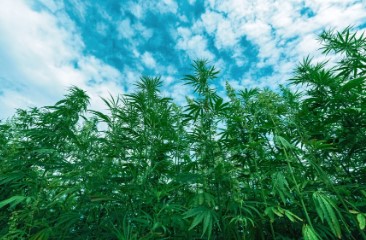
A marijuana plant (Cannabis sativa, Cannabis indica, or hybrids) is a hardy, fast-growing annual herb with a fibrous stalk, iconic foliage, and distinctive flowering structures. It is cultivated for both its psychoactive and medicinal properties.
2. Leaves
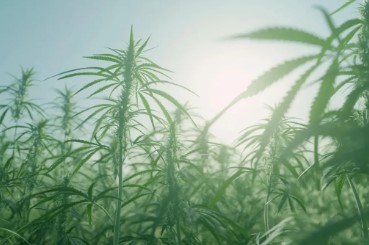
- Shape: Palmately compound, resembling a fan.
- Leaflets: Typically 5 to 9 per leaf, with sharply serrated edges.
- Color: Bright to deep green, occasionally with purple or red hues in some strains.
- Texture: Thin and flexible in sativas; broader and thicker in indicas.
3. Stems and Branches
- Structure: Erect and fibrous with alternating nodes.
- Height:
- Sativa: Tall, up to 10–12 feet outdoors.
- Indica: Shorter and bushier, around 3–6 feet.
- Branching: Dense in indica types; more spaced in sativas.
4. Roots
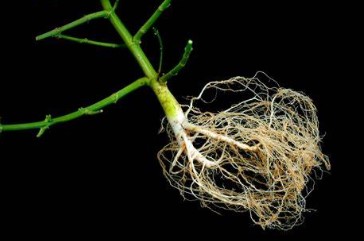
- Type: Taproot system.
- Function: Anchors the plant and takes up nutrients and water.
5. Flowers (Buds)
- Only on female plants: Male plants produce pollen sacs.
- Appearance: Dense clusters covered in white to orange pistils (hair-like structures).
- Trichomes: Glandular resin structures that give a frosty, crystal-like appearance; contain THC, CBD, and terpenes.
- Aroma: Pungent, earthy, fruity, or skunky depending on the strain.
6. Growth Stages
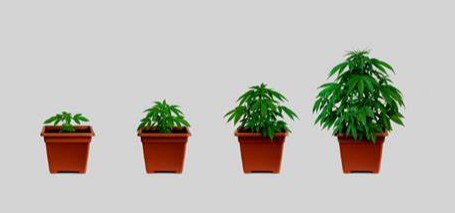
- Seedling: Two small round cotyledons emerge.
- Vegetative: Rapid growth; development of fan leaves and branches.
- Flowering: Formation of buds and resin production.
7. Gender Differences
- Female: Produces cannabinoid-rich flowers.
- Male: Taller, with pollen sacs; lacks buds.
- Hermaphrodite: Contains both flowers and pollen sacs; often undesirable in cultivation.
Conclusion
A marijuana plant is botanically distinctive and visually striking, characterized by its serrated leaves, pungent buds, and diverse physical forms influenced by genetics and environment.
