Table of Contents
What Cannabis Seeds Work Best in Greenhouse Grows?
Growing cannabis in a greenhouse is an increasingly popular cultivation method, striking a balance between the control of indoor grows and the cost-efficiency and natural benefits of outdoor cultivation. However, not all cannabis seeds are equally suited for greenhouse conditions. The best seeds for greenhouse growing are those that can thrive in a semi-controlled environment, are resistant to pests and molds, and align with your local climate, desired effects, and growing goals.
Greenhouse success starts with understanding how cannabis adapts across different growing environments, which is outlined in our cannabis cultivation environment overview before narrowing down specific seed types.
1. Understanding the Greenhouse Environment
A greenhouse offers natural sunlight along with protection from wind, rain, and extreme temperature swings. However, because it doesn’t have the full environmental control of an indoor setup, seed selection must be strategic. Key environmental factors that influence seed performance in a greenhouse include:
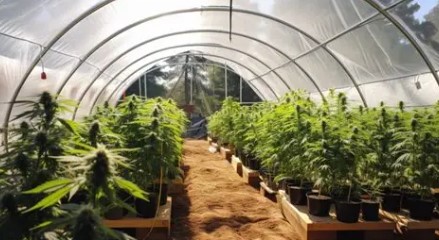
- Humidity: Greenhouses tend to trap moisture, increasing the risk of mold and mildew. Mold-resistant strains are a must in humid areas.
- Light exposure: Greenhouses allow for full-spectrum sunlight, which encourages natural terpene and cannabinoid development. Photoperiod strains benefit from supplemental lighting for early veg stages or light deprivation techniques for flowering.
- Temperature swings: Although greenhouses buffer outdoor temperature, heat can still build up quickly. Heat-resistant strains are ideal in hotter climates.
- Pests: While greenhouses offer some protection, pests can still enter. Selecting pest-resistant or fast-flowering strains helps reduce exposure.
2. Photoperiod vs. Autoflowering Seeds for Greenhouse Grows
Photoperiod Seeds
Photoperiod strains depend on light cycles to transition between vegetative and flowering stages. In greenhouses, light deprivation methods can be used to control flowering more precisely.
Pros:
- High yields
- Strong cannabinoid and terpene profiles
- Greater genetic variety
Cons:
- Longer grow cycles
- Requires management of light exposure
Ideal for: Experienced growers or those using automated light-deprivation systems.
Autoflowering Seeds
Autoflowers switch from vegetative growth to flowering automatically, based on age rather than light cycles.
Pros:
- Shorter grow cycles (8–12 weeks from seed)
- Small and compact – suitable for limited vertical space
- Less light-sensitive – good for spring/summer greenhouse grows
Cons:
- Typically smaller yields
- Less control over plant size and structure
Ideal for: Beginner growers or those wanting fast turnaround harvests.
3. Feminized Seeds: A Smart Choice
Whether photoperiod or autoflower, feminized seeds are generally best for greenhouse cultivation. These seeds have been bred to produce only female plants, which produce the resin-rich flowers. Since male plants can pollinate females and reduce bud quality, feminized seeds simplify the process and maximize usable yield.
4. Desirable Genetic Traits for Greenhouse Seeds
When choosing seeds for a greenhouse grow, prioritize the following traits:
- Mold Resistance: Especially in humid regions, strains that are resistant to botrytis (bud rot) and powdery mildew are essential.
- Short Flowering Time: Strains with shorter flowering times reduce the risk of mold and environmental stressors.
- Climate Adaptability: Depending on your location, opt for strains that thrive in hot, dry climates or cooler, damp regions.
- Compact Structure: In small or crowded greenhouses, bushy or compact strains are easier to manage and train.
5. Top Cannabis Strains for Greenhouse Cultivation
1. Critical Mass (Indica-dominant, Photoperiod)
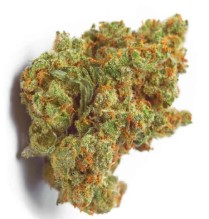
- Why it works: Fast flowering (6-8 weeks), high yield, and strong mold resistance.
- Notes: Produces large buds that require airflow and support. Suitable for Mediterranean climates.
2. Amnesia Haze (Sativa-dominant, Photoperiod)
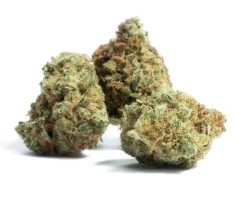
- Why it works: Thrives in greenhouses with long seasons and adequate ventilation.
- Notes: Slightly longer flowering (10-12 weeks), but the strong resistance to pests and mold makes it viable.
3. Northern Lights (Indica-dominant, Autoflower or Photoperiod)
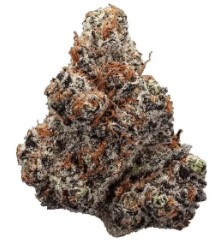
- Why it works: Naturally compact and highly resistant to disease.
- Notes: Great for growers with space limitations. Short flowering time of 6-8 weeks.
4. Blue Dream (Hybrid, Photoperiod)
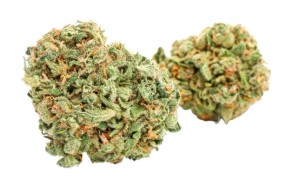
- Why it works: Adaptable to many climates, with excellent yield potential in greenhouse settings.
- Notes: Needs good airflow to prevent mold due to large buds.
5. Gorilla Glue #4 (Hybrid, Photoperiod)
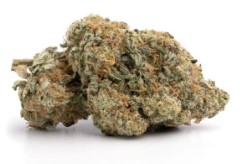
- Why it works: Robust genetics, resistant to stress and disease, with resinous buds.
- Notes: Benefits from pruning and training in a greenhouse.
6. Green Crack Auto (Sativa-dominant, Autoflower)
- Why it works: Short lifecycle (~9 weeks), ideal for rapid turnover and warm climates.
- Notes: Energetic high; good choice for multiple harvests in one season.
7. Afghan Kush (Indica, Photoperiod)
- Why it works: Originating from mountainous regions, it’s naturally adapted to colder greenhouse conditions.
- Notes: Short and bushy plant, suitable for SCROG or SOG methods.
6. Growing Tips for Greenhouse Cannabis
To get the most out of your cannabis seeds in a greenhouse:
Ventilation is Key
- Stagnant air increases the risk of mold and pest infestation.
- Use oscillating fans and roof/window vents to improve airflow.
Humidity Control
- Monitor relative humidity with hygrometers.
- Use dehumidifiers during flowering stages if needed.
Temperature Management
- Greenhouses can overheat quickly; shading cloths and venting systems are essential.
- Ideal range: 70-85°F (21-29°C) during the day and slightly cooler at night.
Light Management
- Consider light-deprivation systems for photoperiod plants to trigger flowering earlier.
- Supplemental lighting may be necessary during early spring or late fall.
Pest Prevention
- Use beneficial insects (e.g., ladybugs, predatory mites) as biological control agents.
- Keep the surrounding area clean and sealed to reduce pest access.
Training Techniques
- Techniques like Low-Stress Training (LST), Sea of Green (SOG), and Screen of Green (SCROG) are excellent for maximizing yield in the limited vertical space of a greenhouse.
7. Seed Banks Known for Greenhouse-Friendly Strains
Reputable seed banks offering strains ideal for greenhouse environments include:
- Royal Queen Seeds – Known for robust feminized and autoflower seeds.
- Barney’s Farm – Offers high-yielding, mold-resistant strains.
- Seedsman – Great variety, including greenhouse-specific recommendations.
- FastBuds – Specializes in premium autoflowering genetics.
Always purchase from reputable sources to ensure stable genetics and a high germination rate.
8. Matching Genetics with Climate Zones
Depending on your local climate, the best cannabis seeds for your greenhouse may vary:
- Cooler climates (Northern Europe, Canada): Northern Lights, Afghan Kush, Critical Mass
- Mediterranean climates (California, Spain): Amnesia Haze, Gorilla Glue #4, Blue Dream
- Tropical/humid climates: Mold-resistant strains like Green Crack Auto, Sour Diesel, and hybrid sativas
Conclusion
The best cannabis seeds for greenhouse grows are those that combine environmental adaptability, robust disease resistance, and desirable yield and effect profiles. While both photoperiod and autoflowering seeds can be successful, the choice depends on your experience level, seasonal timing, and greenhouse infrastructure. Feminized seeds eliminate the hassle of identifying and removing males, allowing for a more streamlined and productive grow.
Selecting strains like Critical Mass, Northern Lights, or Amnesia Haz backed by good ventilation, environmental controls, and training methods can lead to thriving plants and bountiful harvests. By aligning seed genetics with your local conditions and greenhouse capabilities, you can maximize the benefits of this versatile cultivation method.
