Trichomes are tiny, hair-like structures found on the surface of cannabis plants (and many other plants). These glandular outgrowths play several vital roles, particularly in cannabis. Here’s a detailed explanation:
Structure and Function of Trichomes
Trichomes are small, hair-like outgrowths on the epidermis of plants, including cannabis. They are crucial in the plant’s defense mechanisms and in the production of essential compounds. Here’s a detailed look at their structure and functions:
Types of Trichomes in Cannabis
- Capitate-Stalked Trichomes:
- Structure: These are the largest trichomes found on cannabis plants, ranging from 50 to 100 micrometers in height. They are made up of a glandular head and a stalk. The head is bulbous and contains the secretory cells responsible for cannabinoid and terpene production.
- Location: Predominantly found on the flowers (especially the calyxes) and, to a lesser extent, on leaves and stems.
- Function: These trichomes produce the majority of the plant’s cannabinoids and terpenes, contributing significantly to the plant’s psychoactive and therapeutic properties.
- Capitate-Sessile Trichomes:
- Structure: Smaller than capitate-stalked trichomes, these have a glandular head but lack a distinct stalk. They are about 20 to 30 micrometers in diameter.
- Location: Found on the leaves and, occasionally, on the stems.
- Function: While they also produce cannabinoids and terpenes, their contribution is less significant compared to capitate-stalked trichomes.
- Bulbous Trichomes:
- Structure: The smallest trichomes, ranging from 10 to 20 micrometers in diameter, consisting of just a few cells.
- Location: Scattered sparsely across the entire surface of the plant.
- Function: These trichomes produce minimal amounts of cannabinoids and terpenes.
Detailed Functions of Trichomes
- Cannabinoid and Terpene Production:
- Secretory Cells: The glandular heads of capitate-stalked and capitate-sessile trichomes contain secretory cells that synthesize cannabinoids (such as THC, CBD, CBG) and terpenes (aromatic compounds).
- Biosynthesis: These cells convert precursor molecules into cannabinoids and terpenes, which then accumulate in the glandular head. The exact biosynthetic pathways are complex and involve multiple enzymes.
- Protective Functions:
- Herbivore and Pest Deterrence: The sticky and resinous nature of trichomes acts as a physical barrier against herbivores and insects. The bitter taste and psychoactive properties of cannabinoids also deter feeding.
- UV Protection: Trichomes can help protect the plant from harmful ultraviolet (UV) radiation. The cannabinoids absorb UV light, protecting the plant’s DNA from damage.
- Reduction of Water Loss: By covering the plant’s surface, trichomes can reduce water loss through transpiration, especially in arid environments. They create a microenvironment that retains humidity around the plant tissues.
- Environmental Adaptations:
- Temperature Regulation: In some plants, trichomes reflect sunlight, helping to reduce leaf temperature. In hot areas, this can be especially helpful.
- Physical Barrier: Trichomes can trap dust, pathogens, and spores, preventing them from reaching the plant’s epidermis.
- Signal Reception and Chemical Defense:
- Volatile Compounds: Terpenes produced by trichomes are volatile and can act as chemical signals. They attract pollinators or beneficial insects while repelling harmful ones.
- Chemical Defense: Some trichomes secrete chemicals that are toxic or unpalatable to pests and pathogens.
Development and Morphology
Development of Trichomes
- Genetic Regulation:
- Transcription Factors: Specific genes and transcription factors regulate the initiation and development of trichomes. In cannabis, these genetic factors control when and where trichomes form, as well as their density and type.
- Hormonal Influence: Plant hormones such as jasmonic acid, gibberellins, and cytokinins play a crucial role in trichome development. Jasmonic acid, in particular, is known to stimulate trichome production and enhance the synthesis of secondary metabolites like cannabinoids and terpenes.
- Environmental Factors:
- Light: Exposure to light, especially UV light, can increase trichome production. Plants grown under intense light conditions often exhibit higher trichome density and cannabinoid content.
- Temperature: Temperature fluctuations can affect trichome development. Optimal temperatures promote healthy trichome growth, while extreme conditions can stress the plant and influence trichome morphology.
- Nutrient Availability: Adequate nutrients, particularly nitrogen and phosphorus, are essential for optimal trichome development. Deficiencies or imbalances can hinder trichome formation and reduce cannabinoid and terpene production.
- Developmental Stages:
- Vegetative Stage: During the vegetative growth phase, trichome development is minimal. Some trichomes may form on the leaves and stems, but they are less dense and produce fewer cannabinoids and terpenes.
- Flowering Stage: Trichome development accelerates significantly during the flowering stage. The plant focuses its energy on producing trichomes, particularly on the flowers, where cannabinoid and terpene synthesis peaks.
- Ripening Stage: As the plant approaches maturity, trichomes reach their maximum density and potency. Monitoring trichome color and maturity helps determine the best time for harvest.
Morphology of Trichomes
- Capitate-Stalked Trichomes:
- Structure: These trichomes have a distinct stalk and a large, glandular head. The stalk elevates the glandular head above the surface of the plant, increasing exposure to light and air.
- Glandular Head: The bulbous head contains secretory cells that produce and store cannabinoids and terpenes. The head is covered by a cuticle, which protects the secreted compounds.
- Capitate-Sessile Trichomes:
- Structure: These trichomes have a glandular head similar to capitate-stalked trichomes but lack a prominent stalk. They sit closer to the surface of the plant.
- Function: Despite their smaller size, capitate-sessile trichomes contribute to the overall production of cannabinoids and terpenes, particularly on leaves and stems.
- Bulbous Trichomes:
- Structure: The smallest trichomes, consisting of just a few cells. They lack a stalk and have a minimal glandular head.
- Function: Bulbous trichomes produce minor amounts of cannabinoids and terpenes. Their primary role is believed to be protective, acting as a barrier against pests and environmental stress.
Factors Influencing Morphology
- Genetic Variation:
- Different cannabis strains exhibit variations in trichome morphology and density. Breeding and genetic selection focus on enhancing desirable traits, such as increased trichome density and higher cannabinoid content.
- Environmental Stress:
- Environmental stressors, such as drought, high light intensity, and pest attacks, can influence trichome morphology. Stress conditions often trigger increased trichome production as a defense mechanism.
- Nutrient Availability:
- Adequate nutrition supports healthy trichome development. Nutrient deficiencies or toxicities can lead to malformed or underdeveloped trichomes, affecting the plant’s overall cannabinoid and terpene profile.
Significance of Trichomes in Cannabis
Trichomes are of paramount importance in cannabis cultivation, processing, and consumption due to their role in producing and storing cannabinoids, terpenes, and other phytochemicals. Here is a detailed exploration of their significance:
1. Indicator of Potency and Quality
- Cannabinoid Concentration: Trichomes are the primary sites for cannabinoid synthesis and storage. A higher density of trichomes often indicates a higher concentration of cannabinoids such as THC and CBD, which directly impacts the potency of the cannabis.
- Terpene Profile: The variety and concentration of terpenes, which give cannabis its distinct aroma and flavor, are also determined by the trichomes. This terpene profile can influence both the taste and the therapeutic effects of the cannabis.
2. Harvest Timing
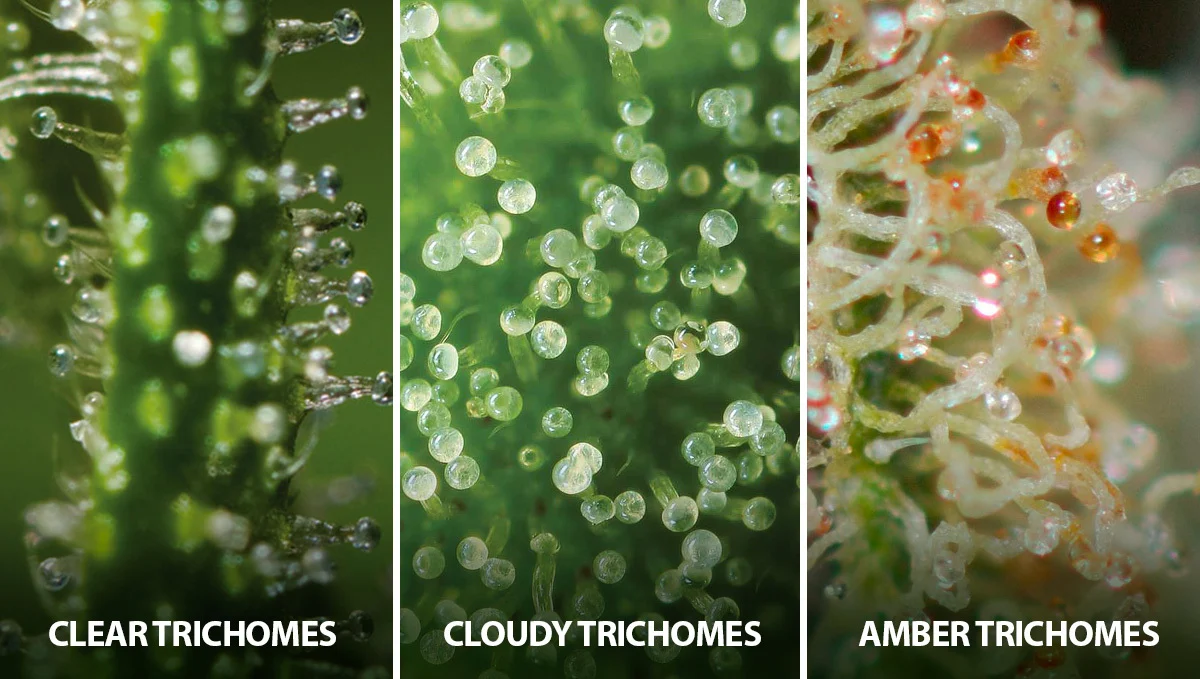
- Trichome Maturity: Growers monitor the color and condition of trichomes to determine the optimal time for harvest.
- Clear Trichomes: Indicate that the plant is not yet mature, and harvesting at this stage might result in lower potency.
- Milky White Trichomes: Signify peak cannabinoid production. Harvesting at this stage often results in a balanced and potent product.
- Amber Trichomes: Indicate that some cannabinoids are beginning to degrade into other compounds like CBN, which can produce a more sedative effect. This stage might be preferred for producing cannabis with calming effects.
3. Extraction and Concentrates
- Primary Source for Extracts: Trichomes are the main source of cannabinoids and terpenes for making concentrates and extracts. Techniques such as dry sifting, ice water extraction (bubble hash), and solvent-based extraction (e.g., butane hash oil) focus on separating trichomes from the plant material to produce potent extracts.
- Quality of Extracts: The quality and purity of cannabis concentrates are largely dependent on the trichome content. Higher trichome density leads to higher yields and more potent extracts.
4. Protection and Environmental Adaptation
- Pest and Herbivore Deterrence: The sticky, resinous nature of trichomes makes the plant less palatable to herbivores and acts as a physical barrier against insects. The bitter taste and psychoactive properties of cannabinoids also deter pests.
- UV Protection: Cannabinoids in trichomes can absorb UV light, protecting the plant’s DNA from damage. This is particularly important in regions with high UV radiation.
- Reduction of Water Loss: By covering the plant’s surface, trichomes reduce water loss through transpiration, helping the plant retain moisture in arid environments.
5. Therapeutic and Recreational Use
Trichomes are crucial in the therapeutic and recreational use of cannabis due to their role in producing and storing cannabinoids and terpenes. These compounds are responsible for the plant’s medicinal properties and psychoactive effects.
Therapeutic Use
- Cannabinoids:
- THC (Tetrahydrocannabinol): Known for its psychoactive effects, THC is also used therapeutically to alleviate pain, nausea, and spasticity. It can stimulate appetite in patients with conditions like HIV/AIDS and cancer.
- CBD (Cannabidiol): Non-psychoactive, CBD is renowned for its anti-inflammatory, analgesic, and anti-anxiety properties. It is used to treat conditions like epilepsy, chronic pain, and anxiety disorders.
- CBN (Cannabinol): A product of THC degradation, CBN is mildly psychoactive and has sedative properties. It is often used for sleep disorders and as a potential muscle relaxant.
- CBG (Cannabigerol): Known as the “mother of all cannabinoids,” CBG is non-psychoactive and has potential benefits for treating glaucoma, inflammatory bowel disease, and bacterial infections.
- Terpenes:
- Myrcene: Known for its sedative and muscle relaxant properties, myrcene is beneficial in treating insomnia and pain.
- Limonene: With its citrus scent, limonene has anti-anxiety and anti-depressant properties. It may also have anti-cancer effects.
- Linalool: Known for its floral aroma, linalool has anti-anxiety, anti-depressant, and anti-inflammatory properties.
- Pinene: Found in pine needles, pinene has anti-inflammatory and bronchodilator effects, making it useful for asthma and respiratory issues.
- Entourage Effect:
- The entourage effect refers to the synergistic interaction between cannabinoids and terpenes, enhancing the therapeutic effects of cannabis. This means that whole-plant extracts are often more effective than isolated compounds.
Recreational Use
- Psychoactive Effects:
- THC: The primary psychoactive compound in cannabis, THC interacts with the endocannabinoid system to produce euphoria, relaxation, altered perception, and an overall sense of well-being.
- CBD: While not psychoactive, CBD can modulate the effects of THC, often reducing anxiety and paranoia that can accompany high-THC consumption.
- Flavor and Aroma:
- Different cannabis strains have unique smells and scents that are influenced by terpenes. Users are able to select strains according to their preferred sensory experience thanks to this diversity.
- Myrcene: Earthy and musky, myrcene-rich strains are often relaxing.
- Limonene: Citrus-scented strains are typically uplifting and mood-enhancing.
- Linalool: Floral-scented strains are known for their calming effects.
- Pinene: Pine-scented strains can enhance focus and alertness.
- Strain Selection:
- Recreational users often select strains based on their desired effects. For instance, indica strains are often used in the evening due to their calming and sedative qualities. Sativa strains are typically uplifting and energizing, preferred for daytime use.
- Hybrid strains combine characteristics of both indica and sativa, offering a balanced experience.
Potential Risks and Considerations
- Psychoactive Effects:
- High-THC strains can cause anxiety, paranoia, and impaired cognitive and motor functions. It’s essential for users to be aware of their tolerance and start with lower doses, especially if they are inexperienced.
- Medical Considerations:
- While cannabis has many therapeutic benefits, it can interact with other medications. Patients should consult healthcare professionals before starting cannabis therapy, especially if they have pre-existing health conditions or are taking other medications.
- Regulation and Quality Control:
- Each region has its own laws and regulations regarding cannabis. Legal cannabis markets often have quality control measures in place to ensure product safety, consistency, and accurate labeling of cannabinoid and terpene content.
6. Breeding and Genetic Selection
- Breeding for Trichome Density: Cannabis breeders often select for strains with higher trichome density to maximize the production of cannabinoids and terpenes. This selection process can lead to strains with specific effects and flavors tailored for medical or recreational purposes.
- Genetic Research: Understanding the genetic basis of trichome development and cannabinoid production can lead to advances in breeding techniques, potentially creating strains with desired traits more efficiently.
7. Economic Value
- Market Value: Cannabis strains with higher trichome density generally command higher prices due to their increased potency and quality. Concentrates and extracts derived from trichome-rich plants are also valued more highly in the market.
- Product Differentiation: The distinct profiles of cannabinoids and terpenes, determined by trichome content, allow for product differentiation in the competitive cannabis market. This can include different strains, extracts, and infused products tailored to specific consumer preferences.
Conclusion
Trichomes are critical to the cannabis plant’s life cycle and to the quality and efficacy of cannabis products. Their primary significance lies in their role as the production centers for cannabinoids and terpenes, compounds that define the plant’s medicinal and psychoactive properties. The density and maturity of trichomes are key indicators of a plant’s potency and optimal harvest time, making them essential for growers aiming to produce high-quality cannabis.
Beyond their role in cannabinoid and terpene production, trichomes offer protective benefits, shielding the plant from pests, herbivores, UV radiation, and water loss. They also contribute significantly to the therapeutic and recreational use of cannabis, impacting the flavor, aroma, and effects experienced by users.
In the context of breeding and genetic selection, trichomes are a focal point for developing strains with specific desired traits, enhancing both the medicinal and recreational value of cannabis. Economically, trichome-rich plants and their extracts are highly valued, driving much of the market dynamics in the cannabis industry.
Understanding and optimizing trichome development and function is thus paramount for anyone involved in cannabis cultivation, processing, and consumption, ensuring the production of potent, high-quality cannabis products.
