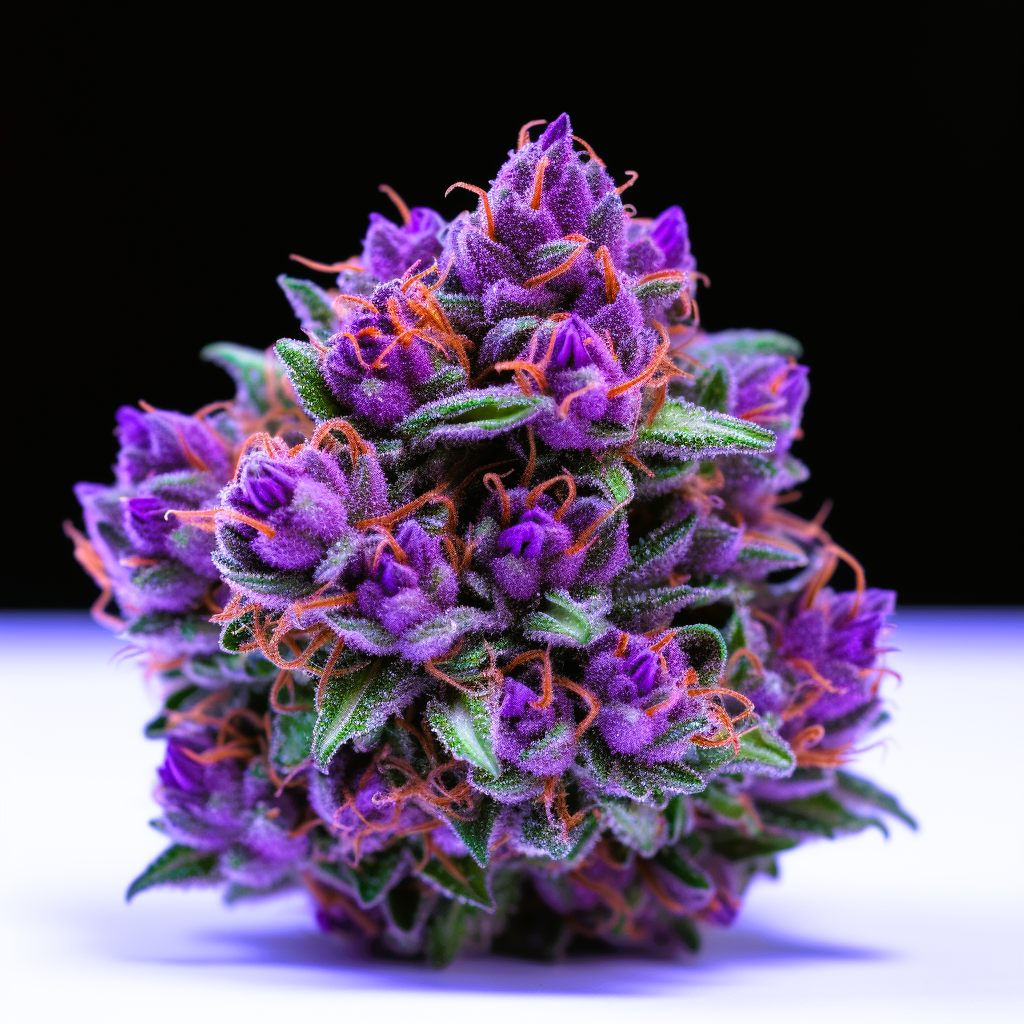
Cannabis Pistils: What Are Those Hairs on Cannabis?
Cannabis pistils, often recognized as the tiny, hair-like structures on the buds, play an essential role in the plant’s reproductive system. These pistils are commonly known as “hairs,” but their importance goes far beyond aesthetics. In terms of medical cannabis use, pistils are a crucial indicator of the plant’s growth stage, potency, and the overall quality of the crop, which can directly influence the therapeutic effectiveness of cannabis. By exploring pistils’ biology, development stages, and implications for medical applications, we can better understand the relevance of these small yet significant structures.
1. Anatomy and Function of Pistils in Cannabis
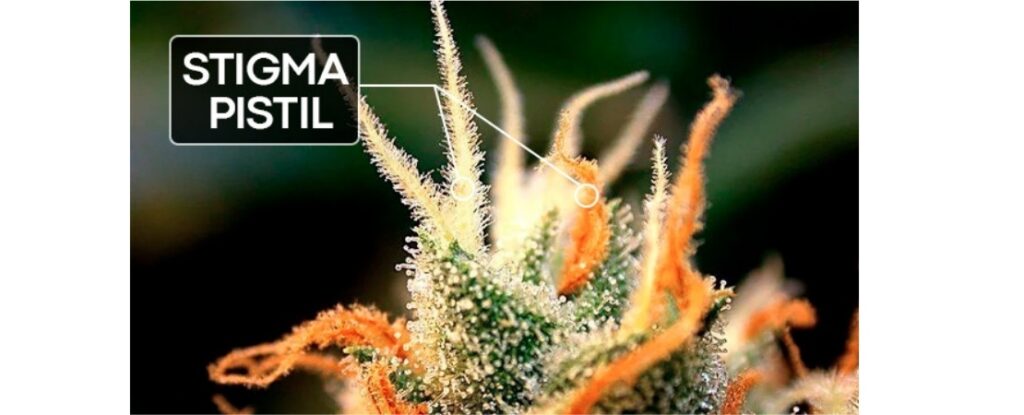
Pistils are part of the female cannabis plant’s reproductive organs. Specifically, they house the plant’s stigmas, which collect pollen from male plants to enable seed production. Each pistil comprises three main parts: the stigma, style, and ovary.
- Stigma: The stigma is the visible part of the pistil and appears as hair-like protrusions on the bud. Stigmas are designed to catch pollen grains from male cannabis plants and are critical for fertilization. In unfertilized female plants, known as “sensimilla” (meaning “without seeds”), these stigmas will not collect pollen, allowing the plant to focus on resin production, which contributes to a high concentration of cannabinoids.
- Style: Beneath the stigma is the style, a slender tube that connects the stigma to the ovary. In medical cannabis cultivation, the style plays a less visible role but is essential in the natural pollination and seed production process.
- Ovary: The ovary sits at the pistil’s base and contains the plant’s genetic material in seed form. For medical cannabis growers, the aim is often to produce sensimilla by preventing fertilization, as this enhances cannabinoid concentration and ensures potency without the need for seeds.
The role of pistils in cannabis extends beyond reproduction. Their color, structure, and development stage offer growers and medical researchers crucial information regarding cannabinoid profiles, plant maturity, and the ideal harvest time, which are essential for medical cannabis quality.
2. The Developmental Stages of Cannabis Pistils
Understanding the life cycle and color changes of pistils is critical to medical cannabis cultivation, as each stage provides insight into the plant’s cannabinoid profile.
a) Early Flowering (White Pistils)
In the early stages of flowering, pistils appear as thin, white hairs. The plant is not yet ready for harvest, as indicated by this. White pistils signify active growth, and the plant is typically increasing its cannabinoid and terpene production, especially in terms of THC (tetrahydrocannabinol) and CBD (cannabidiol).
b) Mid-Flowering (Transition to Yellow, Orange, and Red)
As the plant approaches mid-flowering, the pistils begin to change color, often shifting from white to shades of yellow, orange, or red. For medical cannabis cultivators, this stage is a crucial signpost for managing cannabinoid concentration. Cannabinoid levels are influenced by the plant’s exposure to light, temperature, and nutrients, which can be optimized to ensure peak therapeutic effects.
c) Late Flowering (Brown and Amber Pistils)
Toward the end of the flowering stage, pistils typically turn brown or amber. In terms of medical use, this is often considered the optimal stage for harvesting, as cannabinoids and terpenes reach their maximum levels. The presence of a high number of amber pistils can indicate a balanced THC to CBD ratio, which is valuable for medical cannabis strains targeting pain relief, anti-inflammatory effects, and other therapeutic properties.
3. Relationship Between Pistils and Cannabinoid Profile
The color and appearance of pistils are strongly correlated with cannabinoid content, which is crucial for developing medical-grade cannabis with specific therapeutic benefits.
- THC (Tetrahydrocannabinol): THC is responsible for many of the psychoactive and therapeutic effects of cannabis. During the mid-to-late flowering stages, when pistils are transitioning from white to amber, THC levels are typically at their highest. This period is ideal for strains intended to treat conditions like chronic pain, nausea, and muscle spasms, where THC’s analgesic properties are beneficial.
- CBD (Cannabidiol): Despite not having any euphoric effects, CBD is well-known for its analgesic, anxiolytic, and anti-inflammatory qualities. In strains where CBD is emphasized, the timing of harvest based on pistil coloration is also critical. The pistils’ transition to amber or brown signifies a balanced cannabinoid profile that is suitable for medical patients seeking relief without strong psychoactive effects.
- Other Cannabinoids (CBG, CBN, etc.): Additional cannabinoids, such as CBG (cannabigerol) and CBN (cannabinol), develop alongside THC and CBD. Their concentrations can be optimized by observing pistil development, allowing medical cultivators to produce strains with enhanced therapeutic profiles, such as anti-insomnia properties (CBN) and anti-inflammatory benefits (CBG).
4. Medical Applications of Cannabis Pistil Observation
Pistils are an essential part of cannabis cultivation for medical use because they offer a natural indicator of the plant’s cannabinoid profile, maturity, and overall potency. Specific colors and stages of pistil development are used to guide the harvest process, which is critical for ensuring that medical cannabis provides the desired therapeutic effects.
a) Pain Relief
Cannabis strains high in THC are often cultivated specifically for their pain-relieving properties. Pistils play a key role in identifying the point at which THC levels are maximized, as harvest timing directly affects potency. Medical cannabis grown for pain management may benefit from late flowering, where amber pistils signify high THC content. The higher THC concentration can be effective in reducing pain symptoms associated with conditions such as arthritis, neuropathy, and fibromyalgia.
b) Anti-Inflammatory Effects
Cannabis strains rich in CBD are valuable for their anti-inflammatory effects, often used to treat conditions such as Crohn’s disease, rheumatoid arthritis, and irritable bowel syndrome. By closely observing pistils, cultivators can identify the optimal moment for harvest when CBD concentrations are elevated, typically in the mid-to-late flowering stages. This precise timing ensures that the therapeutic effects are maximized, making it possible to create anti-inflammatory cannabis products tailored to medical needs.
c) Anxiety and Stress Relief

Cannabis strains high in CBD and lower in THC are popular for their anxiolytic effects. These strains can alleviate anxiety and stress without inducing significant psychoactive effects. By monitoring pistil color changes, cultivators can harvest at the ideal stage to maintain a higher CBD to THC ratio. This fine-tuning of the cannabinoid profile is crucial for patients who require relief from anxiety without the risk of psychoactive side effects.
d) Neuroprotective and Anti-Seizure Properties
Cannabis cultivars high in CBD have demonstrated promise as a therapy for neurological disorders like multiple sclerosis and epilepsy. Early-stage pistil development can be particularly relevant for CBD-focused strains, as harvesting during the mid-flowering stage allows for maximum CBD concentration with lower THC levels. This balanced approach is essential for producing medical cannabis products that help reduce seizure frequency and intensity while minimizing psychoactive effects, which is especially beneficial for pediatric patients and those with sensitivity to THC.
e) Appetite Stimulation
In patients with cancer or HIV/AIDS, appetite stimulation can be crucial for maintaining health and quality of life. Cannabis strains with higher THC concentrations, identified through pistil observation, are often used in medical contexts to promote appetite. As pistils turn amber, it signifies that THC levels are at their peak, providing the most significant potential for appetite stimulation. This method enables medical growers to produce strains that effectively address conditions like cachexia, anorexia, and other forms of appetite loss.
5. Research and Future Directions: Pistils as an Indicator for Medical Cannabis Efficacy
The study of pistils and their development stages is ongoing in the field of medical cannabis research. Advances in the understanding of pistil coloration and cannabinoid synthesis could lead to improved cultivation methods, particularly in producing strains for specific medical applications. By focusing on pistil observation, researchers hope to develop more accurate indicators for cannabinoid potency and stability, allowing for better standardization of medical cannabis products.
a) Cannabinoid Potency Mapping
Using pistil development as a benchmark for cannabinoid potency could pave the way for more accurate potency mapping in medical cannabis. By identifying the optimal color and development stage for each strain, researchers can create a database of cannabinoid profiles that link pistil development to specific therapeutic effects. This type of potency mapping would benefit both cultivators and medical professionals, as it enables more consistent production of high-quality medical cannabis.
b) Optimized Harvesting for Specific Therapeutic Effects
Pistil development could help guide the timing of harvest to produce cannabis strains that are optimized for specific therapeutic effects. For example, early harvesting might be suitable for strains intended to produce higher CBD content for anti-inflammatory effects, while later harvesting could maximize THC for pain relief. This precision harvesting could enable cultivators to create cannabis products with predictable and reliable effects, a critical factor in medical treatments.
c) Standardization and Quality Control
Quality control is a significant concern in medical cannabis production, as consistency is key to delivering reliable therapeutic effects. By using pistil development as a standardization measure, medical cannabis producers can ensure that each batch meets specific cannabinoid concentration thresholds. This approach could lead to more rigorous quality control processes, ensuring that medical cannabis products offer the intended benefits without significant variations in potency or cannabinoid profile.
d) Environmental Influence on Pistil Development
Environmental factors such as light exposure, humidity, and soil nutrients significantly impact pistil development and, subsequently, cannabinoid levels. Research into how environmental manipulation affects pistil coloration and cannabinoid synthesis could yield new cultivation methods that enhance therapeutic potency. In indoor production conditions, where environmental factors are easier to control, this could be especially helpful.
6. Pistil Observation as a Guide for Medical Strain Selection
For medical cannabis users, choosing the right strain is essential for addressing specific health conditions. Pistil observation provides cultivators with a natural indicator of which strains are suited for particular medical applications. By linking pistil coloration and cannabinoid profiles, medical cannabis producers can recommend strains with confidence, offering patients a greater degree of personalization in their treatment options.
- High THC Strains: Indicated by amber pistils, these strains are suitable for pain relief, appetite stimulation, and some forms of anxiety management.
- High CBD Strains: Often harvested when pistils are still white or slightly amber, these strains are ideal for inflammation, neuroprotection, and seizure management.
- Balanced THC/CBD Strains: These strains, harvested at the midpoint of pistil development, offer a balanced cannabinoid profile and are suited for managing conditions that benefit from both pain relief and anti-inflammatory effects, such as fibromyalgia and multiple sclerosis.
7. Challenges in Pistil-Based Medical Cannabis Cultivation
While pistil observation is a valuable tool, it is not without challenges. Variations between strains, environmental conditions, and the natural diversity of cannabis plants make it difficult to create a universally applicable guide based solely on pistil development.
a) Strain-Specific Variations
Different cannabis strains exhibit unique growth patterns, which means that pistil coloration and development may vary between strains. Medical growers must understand the specific pistil maturation timeline for each strain to avoid premature or delayed harvesting, which can affect potency and therapeutic efficacy.
b) Environmental Sensitivity
The appearance and color of pistils are influenced by environmental factors like light, temperature, and humidity. Inconsistent environmental conditions can lead to irregular pistil development, impacting the cannabinoid content. Managing these factors is essential for producing high-quality medical cannabis, though it requires careful monitoring and control.
c) Limited Research on Cannabinoid-Pistil Correlation
Research on the correlation between pistil color and cannabinoid content is still in its early stages. While anecdotal evidence supports the connection between pistil coloration and potency, more empirical research is needed to establish standardized guidelines. Expanding research efforts could provide a clearer understanding of how pistil development impacts cannabinoid synthesis, allowing for better predictability in medical cannabis cultivation.
Restrictions on Growing and Using Cannabis in the Medical Field

In many countries, the cultivation and usage of medical cannabis are strictly regulated to ensure safety and prevent misuse. Here are key restrictions commonly imposed:
- Cultivation Licensing: Medical cannabis growers must obtain a government-issued license, which involves strict background checks, adherence to quality standards, and compliance with security protocols to prevent unauthorized access.
- Controlled Distribution: Medical cannabis is distributed only through authorized medical providers or pharmacies. Patients often require a medical prescription and may need to renew it periodically based on health assessments.
- Patient Eligibility: Cannabis is typically recommended as a “last resort” treatment, only after conventional therapies have proven ineffective. Medical professionals must assess each patient’s condition, ensuring that cannabis is the best available option.
Using Cannabis as a Last Resort in Medical Treatment
Cannabis is generally reserved for cases where standard treatments have failed to provide relief. Doctors prioritize traditional medications before recommending cannabis, which is commonly used for conditions such as chronic pain, epilepsy, or chemotherapy-induced nausea. This ensures that cannabis is administered only when there is a clear therapeutic need, avoiding unnecessary exposure to cannabinoids.
Monitoring THC Levels to Prevent Psychoactive Effects
To reduce or eliminate psychoactive effects, medical cannabis products undergo stringent testing to control THC (tetrahydrocannabinol) levels, favoring non-psychoactive cannabinoids like CBD (cannabidiol) for medical applications. Regulations often set a maximum THC limit in medical formulations, allowing only trace amounts in products intended for children or sensitive patients. This precise monitoring helps maintain therapeutic efficacy without the risk of psychoactivity, ensuring that the treatment is effective, safe, and patient-centered.
Conclusion
In summary, the role of cannabis pistils, regulatory restrictions on its cultivation and usage in the medical field, the emphasis on last-resort use, and the careful monitoring of THC levels are all critical components shaping the responsible and therapeutic application of medical cannabis.
Cannabis pistils are not only vital to the plant’s reproductive system but also serve as natural indicators of the plant’s maturity, potency, and cannabinoid profile. By closely observing pistil development stages—from white in early flowering to amber in late stages—medical cannabis cultivators can optimize the cannabinoid content, particularly THC and CBD, to align with specific therapeutic needs. This approach allows for targeted strain selection and harvest timing, essential in creating medical-grade cannabis products that deliver reliable and potent therapeutic effects. For patients, this ensures that they are receiving treatments tailored to their health needs, such as pain relief, anti-inflammatory effects, and neuroprotection.
In the medical field, cannabis is generally reserved as a last-resort treatment. This “last resort” principle ensures that cannabis is prescribed only when traditional treatments fail, limiting unnecessary exposure to cannabinoids and psychoactive compounds. Such an approach underscores the importance of cannabis as a serious therapeutic option rather than a first-line treatment, promoting a judicious use of its therapeutic properties while minimizing risks. In many cases, this approach is essential for conditions like chronic pain, epilepsy, and cancer-related symptoms, where other treatments have been exhausted.
Strict regulations govern the cultivation, distribution, and administration of medical cannabis. Licensing requirements for cultivators, controlled distribution through authorized medical providers, and rigorous patient eligibility criteria are all regulatory measures designed to protect patients and maintain high standards of quality and safety. These safeguards ensure that only qualified patients have access to medical cannabis, that products are free from contaminants, and that cultivation practices adhere to legal standards.
Another crucial regulatory aspect is the monitoring of THC levels in medical cannabis formulations. By limiting THC to trace amounts or non-psychoactive concentrations, medical cannabis producers can minimize psychoactive effects, especially for sensitive populations like children. This focus on controlled THC levels, often coupled with higher CBD content, allows for therapeutic efficacy without the psychoactive effects, making medical cannabis a safer option for a broader patient base.
Together, these practices form a comprehensive framework for the responsible and effective use of medical cannabis, balancing therapeutic benefits with patient safety. As research continues to evolve, these principles will remain essential to advancing medical cannabis as a legitimate and safe treatment option.
