Table of Contents
What Are The Cannabis Shakes And Why Do They Happen?
Greetings and salutations to all who have ventured into the enigmatic and captivating realm of cannabis shakes. This phenomenon, perhaps a source of bewilderment during your verdant escapades, encompasses a range of involuntary physical responses, notably the shivers or shakes, that individuals may encounter after the consumption of cannabis.
Whether you are an individual with a rich history of cannabis usage, immersed in its culture and experiences, or someone who is just beginning to acquaint themselves with the myriad facets of the cannabis landscape, the likelihood that you have either heard of, come across in conversation, or personally experienced these involuntary tremors or shakes post-cannabis consumption is quite high.
Our objective here is to meticulously dissect and explore this fascinating reaction to better understand its underlying causes, mechanisms, and the plethora of factors that contribute to its manifestation. By delving into the science behind the cannabis shakes, we aim to shed light on the physiological and psychological underpinnings that precipitate this response. Furthermore, we will navigate through various strategies and recommendations designed to mitigate these effects, thereby facilitating a more enjoyable and less disruptive experience for cannabis consumers.
Understanding the cannabis shakes requires a multifaceted approach, considering both the individual’s biological predispositions and the specific characteristics of the cannabis consumed, such as its strain, potency, and method of intake. Factors such as the setting in which cannabis is used and the user’s current mental and physical state also play significant roles in the emergence of these shakes. By examining these aspects in depth, we embark on a journey to comprehend why some individuals may be more susceptible to this reaction and how certain conditions can exacerbate or alleviate the experience.
In conclusion, navigating the world of cannabis shakes with informed awareness and adopting appropriate measures can significantly enhance the overall cannabis experience. We aspire that through a comprehensive examination of this phenomenon, people will gain improved abilities to comprehend, foresee, and handle cannabis shakes, consequently guaranteeing a more seamless and enjoyable experience as they navigate the captivating realm of cannabis exploration.
Exploring the Phenomenon of Cannabis Shakes
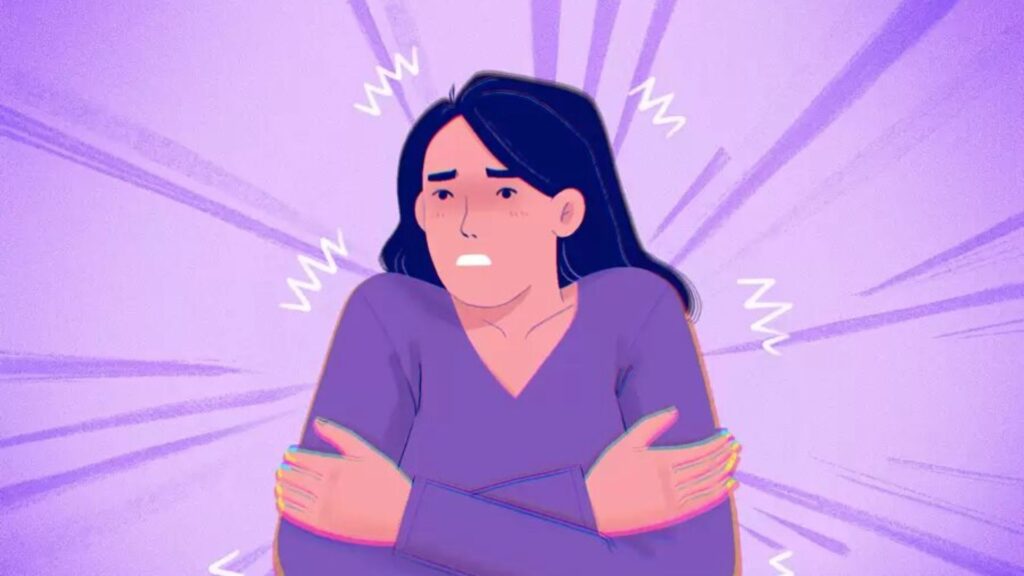
The term “cannabis shakes” accurately defines a physiological condition characterized by involuntary muscular tremors or shivering, which occurs in certain individuals after consuming cannabis. This phenomenon can vary in intensity, from subtle, barely noticeable tremors to more pronounced and visible shaking episodes. Such occurrences have sparked curiosity and, occasionally, concern among cannabis users, prompting discussions about the underlying causes of this reaction.
But what precisely triggers these involuntary shaking episodes? This inquiry prompts us to delve into the biological and psychological impacts induced by cannabis constituents within human physiology. It’s vital to scrutinize the intricate interplay between the active elements found in cannabis, like tetrahydrocannabinol (THC) and cannabidiol (CBD), and the body’s endocannabinoid system. This system is vital for maintaining bodily balance and interacts with cannabinoids to affect various physiological processes, including mood regulation, pain sensation, and control of movement.
Moreover, it’s important to acknowledge the wide range of individual differences in physiological and psychological makeup that may increase the likelihood of experiencing cannabis shakes. Factors such as metabolic rate, existing health conditions, use of other substances, and a predisposition to anxiety or stress can all influence how one’s body reacts to cannabis, potentially heightening the chance of experiencing these involuntary tremors.
In summary, the phenomenon known as “cannabis shakes” presents a compelling area for studying the intricate interactions between cannabis and the human body. By deepening our understanding of the biological and psychological factors underlying this response, we can gain insights into why some people are more prone to it and how it can be addressed. This knowledge not only helps to clarify the experience but also aids in promoting safer and more informed practices among cannabis users.
Exploring the Underlying Factors

Achieving a comprehensive understanding of the phenomena commonly referred to as “cannabis shakes” necessitates an in-depth examination of the human body’s multifaceted response to cannabis consumption. This exploration unveils a sophisticated and intricate web of physiological and psychological factors that interact dynamically when cannabis is introduced into the system.
Central to our investigation is the body’s endocannabinoid system (ECS), identified in the early 1990s as a crucial cell-signaling system that regulates functions like sleep, mood, appetite, and pain. The ECS consists of endocannabinoids, receptors, and enzymes, interacting with cannabis compounds such as THC and CBD. These interactions can modify ECS functioning, affecting pain, and anxiety levels, and triggering involuntary muscle tremors or “cannabis shakes.”
Beyond the physiological aspect, psychological factors play a significant role in the manifestation of cannabis shakes. The psychoactive properties of THC, for instance, can induce anxiety and paranoia in some individuals, particularly those with a predisposition to such conditions or those consuming cannabis in an unfamiliar or uncomfortable environment. Anxiety and stress are recognized as triggers for the body’s “fight or flight” response, which may elevate adrenaline levels, resulting in physical reactions like trembling or shaking. Therefore, the psychological impact of cannabis, influenced by the individual’s mindset and setting at the time of consumption, is crucial in understanding the occurrence of cannabis shakes.
Moreover, individual differences in metabolism, tolerance, and sensitivity to cannabis compounds can affect the intensity and duration of the shakes. Variables such as age, body composition, and the presence of specific metabolic enzymes can affect how THC is metabolized by an individual, potentially heightening or lessening the chances of experiencing tremors.
In conclusion, unraveling the causes behind cannabis shakes demands a comprehensive analysis that encompasses both the physiological interactions between cannabis compounds and the body’s endocannabinoid system, as well as the psychological influences that modulate the individual’s response to cannabis. By dissecting these complex layers, one can appreciate the nuanced relationship between cannabis consumption and its varied effects on the human body.
The Body’s Temperature Regulation Malfunctions

The consumption of cannabis has been observed to significantly interfere with the human body’s intrinsic mechanisms responsible for the regulation of its internal temperature. This disruption often manifests initially as a pronounced sensation of chilliness or coldness. This is a condition in which individuals may experience an unusual sensitivity to lower temperatures, perceived even in environments that would typically be considered comfortably warm by others.
Subsequently, in a reflexive response to this induced thermal dysregulation, the body endeavors to restore its equilibrium. It does so by engaging in thermogenesis, commonly evidenced by the onset of shivering. Shivering, in this context, serves as a physiological attempt to generate heat through rapid, involuntary muscle contractions. This aims to counteract the perceived drop in body temperature and reestablish a state of thermal homeostasis.
This intricate process underscores the complex effects of cannabis on the human body’s temperature regulation systems. It highlights the delicate balance required to maintain internal thermal stability and the potential for external substances to disrupt this equilibrium.
Anxiety Makes Its Presence Known
Particularly for individuals who are new to the consumption of cannabis or those who opt to experiment with strains of a more potent nature, the psychoactive effects of cannabis can significantly amplify feelings of anxiety or nervousness. This augmentation of mental discomfort is not limited to psychological manifestations; rather, it frequently presents with tangible physical symptoms.
Among the most common symptoms are tremors or shakes, which can be understood as involuntary, rhythmic muscle movements. These physical manifestations of anxiety serve as a palpable demonstration of the nervous system’s heightened state of arousal.
The onset of such symptoms underscores the complex interaction between cannabis and the human body’s physiological and psychological responses. This interaction can lead to a pronounced state of discomfort, particularly in those who may not yet have developed a tolerance to the effects of cannabis or who may be particularly sensitive to the more pronounced effects of higher-potency strains.
This dynamic highlights the importance of awareness and caution in the consumption of cannabis, especially among those who are less experienced or exploring the effects of potent varieties for the first time.
The Link Between Blood Sugar Levels
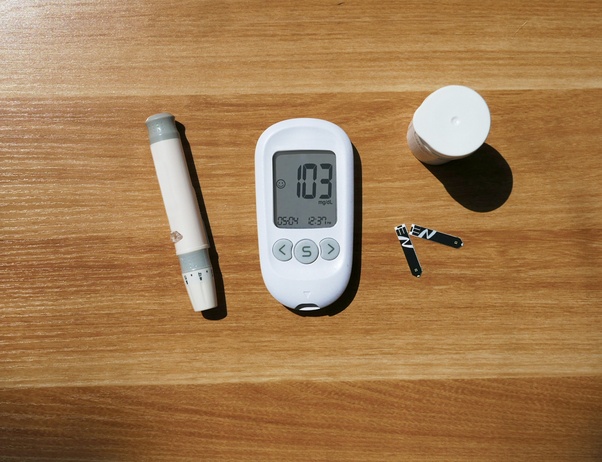
Observations indicate that cannabis significantly impacts the regulation of blood sugar levels in the human body. This impact arises from its interaction with the body’s endocannabinoid system, a key player in maintaining balance, including glucose regulation. The consumption of cannabis can precipitate a sudden decrease in blood glucose, a condition that might closely resemble the physiological responses associated with hypoglycemia, a state characterized by lower-than-normal blood sugar levels.
This sudden reduction in glucose levels can trigger a range of symptoms, with shivering being among the most apparent. Shivering, in this context, is understood as an involuntary response of the body, functioning as a physiological mechanism to generate heat when the body perceives a significant drop in temperature. However, it is noteworthy that in the scenario induced by the consumption of cannabis leading to a reduction in blood sugar, the shivering is not a direct response to external cold but rather to the internal state of energy deficiency signaled by the low glucose levels.
Furthermore, this phenomenon underscores the intricate interplay between cannabis consumption and metabolic processes, particularly those governing the regulation of blood sugar levels. It underscores the necessity for a more profound comprehension of how cannabis affects the body’s endocrine and metabolic functions, particularly among individuals with potential predispositions to conditions such as diabetes or hypoglycemia. The potential for cannabis to induce symptoms similar to those of hypoglycemia calls for a cautious approach to its use, especially in individuals with underlying health conditions that fluctuations in blood glucose levels could exacerbate.
Sensory Overload from Excessive Stimulation
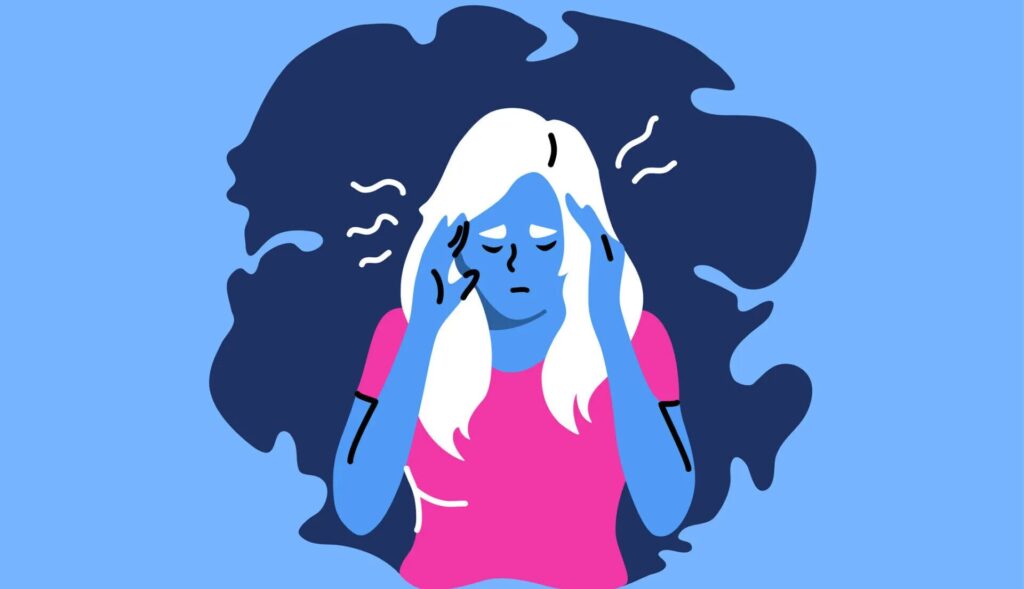
The psychoactive compound Tetrahydrocannabinol (THC), found in cannabis, engages with the endocannabinoid system of the human body in a complex and multifaceted manner. This system, integral to maintaining the body’s internal balance or homeostasis, includes a vast network of cannabinoid receptors spread throughout the brain and body. THC’s interaction with these receptors can sometimes lead to an overstimulation of the nervous system. This overstimulation is a consequence of THC’s affinity for binding to cannabinoid receptors, particularly CB1 receptors located in the central nervous system, which play a pivotal role in modulating neurotransmitter release and neural activity.
When THC binds with these receptors, it has the potential to disrupt the typical operation of the endocannabinoid system, resulting in a range of physiological and psychological effects. One of the potential outcomes of this interaction is an overexcitation of the nervous system. Such overexcitation may disrupt the delicate balance of neurotransmitters, leading to a state of heightened neural activity.
This hyperactivity can manifest physically as shakes or tremors, which are involuntary, rhythmic muscle contractions that can affect various parts of the body. These tremors are symptomatic of the nervous system’s response to the excessive stimulation caused by THC, reflecting an attempt by the body to manage or counteract the effects of this overstimulation.
This phenomenon underscores the potent impact that substances like THC can have on the complex neurochemical pathways of the human body. It emphasizes the significance of comprehending the possibility for substances like these to trigger unfavorable responses, such as overstimulation of the nervous system, which may result in discomfort or distress manifested as physical shaking. This thorough exploration of THC’s interaction with the endocannabinoid system and its potential to excessively stimulate the nervous system demonstrates the complex interaction between external compounds and internal physiological functions, underscoring the importance of cautious deliberation and awareness regarding the impacts of psychoactive substances on human health and wellness.
Dosage Dynamics

The administration of cannabis in high dosages has been observed to exert an overwhelming influence on the physiological functioning of the human body, leading to a series of complex reactions as the body endeavors to manage and adapt to excessive stimuli. This phenomenon is particularly pronounced when the quantity of cannabis consumed surpasses the body’s capacity to efficiently process and mitigate its psychoactive and physiological effects, thereby precipitating a state of systemic stress and disarray.
One of the primary manifestations of this overwhelmed state is the onset of shaking, a physical reaction that can be perceived as the body’s instinctive attempt to stabilize and respond to overstimulation. Shaking, in this context, encompasses involuntary, rhythmic muscle contractions that serve not only as a visible indicator of the body’s struggle to regain equilibrium but also as a physiological mechanism aimed at dissipating the excess energy generated by the heightened nervous system activity.
This involuntary trembling is a testament to the body’s intricate network of responses designed to protect and preserve its internal homeostasis in the face of external perturbations. The reaction underscores the critical role of the central and peripheral nervous systems in processing and responding to the introduction of potent psychoactive substances. Furthermore, it highlights the delicate balance maintained by the endocannabinoid system, a key regulatory network involved in modulating a myriad of physiological processes, including stress response, pain perception, and motor control, among others.
The occurrence of shaking as a reaction to high doses of cannabis serves as a stark reminder of the substance’s potent effects on human physiology and the necessity for cautious, informed consumption practices. It underscores the importance of understanding individual tolerance levels and the potential risks associated with exceeding those thresholds. This detailed examination of the body’s response to cannabis overconsumption illustrates the complex interplay between substance intake, physiological impact, and the body’s adaptive mechanisms, emphasizing the need for a measured approach to cannabis usage to prevent overwhelming the body’s natural regulatory systems.
Range of Sensitivities
The degree of sensitivity to the effects of cannabis exhibits a broad spectrum among individuals, indicating a highly variable response to its consumption. This variability underscores the fact that while some individuals may tolerate higher doses without pronounced effects, others may exhibit significant physiological reactions, such as shakes or tremors, even with relatively moderate intake. The main psychoactive compound found in cannabis, Tetrahydrocannabinol (THC), primarily induces these effects by interacting with the endocannabinoid system in the human body, a process that varies uniquely for each individual.
This individualized physiological response to THC can be attributed to several factors, including genetic predispositions, the current state of the endocannabinoid system, and previous exposure to cannabis, among others. For certain individuals, even moderate levels of THC can precipitate an acute response from the nervous system, manifesting in physical symptoms such as shakes. These involuntary muscle movements are indicative of the body’s attempt to manage and mitigate the unexpected increase in nervous system activity provoked by THC.
Moreover, the phenomenon of variable sensitivity to cannabis highlights the intricacy of the interactions between psychoactive substances and human physiology. It serves as a reminder of the importance of exercising caution when consuming cannabis, especially for individuals with limited experience or known sensitivity. Understanding one’s sensitivity level is crucial for minimizing adverse effects and optimizing the therapeutic potential of cannabis.
In summary, the wide range of individual sensitivity to cannabis, and to THC in particular, underscores the complexity of its effects on the human body. It underscores the necessity of adopting a personalized approach to cannabis consumption, considering the distinctive physiological traits that determine how each person reacts to this substance. This understanding is essential for ensuring a safe and positive experience with cannabis, particularly for those who may be predisposed to more intense reactions such as shakes, even with moderate use.
Navigating Shakes: Effective Strategies
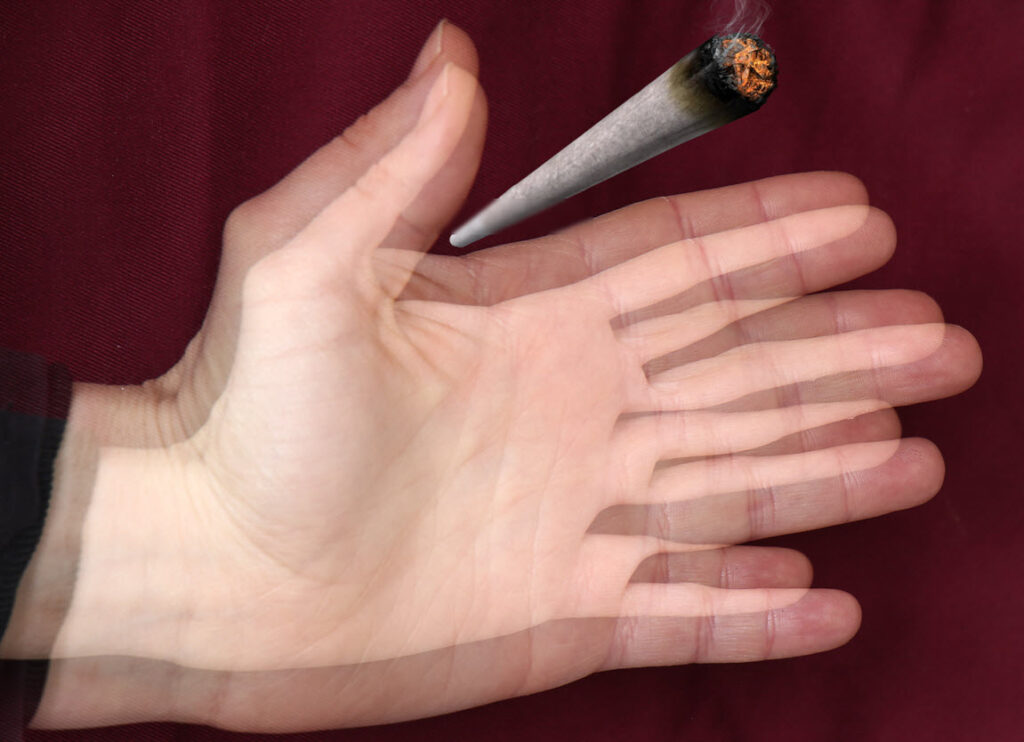
The experience of tremors or shakes after using cannabis doesn’t have to halt your exploration of its benefits. Instead, it can be an opportunity to refine your approach to consumption. There are numerous strategies to lessen this side effect and improve your cannabis experience.
Understanding your sensitivity to cannabis, especially THC, is crucial. Begin with small doses and gradually increase them to ascertain your comfort level. This strategy aids in determining a dosage that reduces the likelihood of adverse reactions.
Exploring various strains and forms of cannabis can also be beneficial. The market presents various options with diverse THC and CBD ratios. Strains containing higher levels of CBD might assist in mitigating tremors, as CBD can counterbalance some of the anxiety-inducing effects of THC.
Proper hydration and nutrition are key in mitigating shakes. Hydrating adequately and consuming a nutritious meal before using cannabis can alleviate discomfort and stabilize blood sugar levels, thereby reducing the intensity of tremors.
Relaxation techniques like deep breathing, meditation, or gentle exercises can also manage tremors. These activities promote calmness and relaxation, reducing anxiety’s physical symptoms.
In summary, tremors from cannabis use don’t mean you should give up on it. A careful approach, including dose management, strain selection, staying hydrated, maintaining good nutrition, and practicing relaxation, can significantly reduce this side effect. These steps not only make cannabis use more enjoyable but also lead to a more responsible and personalized experience.
Discover Solace in Warmth

Experiencing sensations of coldness can often be uncomfortable and unwelcome, especially during times of rest or relaxation. Seeking sources of warmth is a natural and necessary response to restore comfort and well-being. Wrapping oneself in a cozy blanket is one of the most immediate and satisfying ways to combat this chill. The soft, warm embrace of a blanket can offer instant relief, creating a nurturing environment that allows the body’s temperature to rise gradually, promoting a sense of safety and comfort.
Additionally, the consumption of a warm beverage serves as an effective method to fight the cold from within. Enjoying a steaming cup of tea, rich hot chocolate, or a comforting mug of warm soup can be incredibly soothing. This not only warms the hands and body but also instills a feeling of inner warmth, aiding in relaxation and overall comfort.
These strategies for seeking warmth are effective in dispelling the physical discomfort of coldness and can also help reduce physiological symptoms like shakes or tremors. Often, shakes are a reaction to cold, stress, or anxiety and can be alleviated by the calming warmth of a blanket or a warm drink. The warmth signals the body’s sensory receptors and nervous system to relax, reducing the involuntary muscle contractions of shaking.
Employing these warmth-seeking methods is a practical way to address feeling cold and serves as an act of self-care. Creating a comfortable and warm environment significantly impacts one’s sense of well-being. It’s a straightforward yet powerful way to care for oneself, offering both physical warmth and a psychological sense of comfort and security. By embracing these comforting measures, individuals can effectively ease the discomfort of colds and shakes, improving their comfort and quality of life in colder moments.
Stabilize Your Anxiety

In situations where anxiety becomes overwhelming, adopting specific calming techniques is highly recommended for stabilizing one’s emotional well-being. Deep breathing and meditation are sophisticated methods for alleviating the intense impact anxiety can have on both mental and physical health. Rooted in ancient practices yet supported by modern research, they provide a gateway to achieving peace and emotional balance.
Deep breathing exercises require a focused approach to inhalation and exhalation. By practicing deep breathing through the nostrils, inhaling deeply to fill the lungs, and subsequently exhaling slowly, individuals can trigger a relaxation response. This state counteracts the body’s stress reaction, facilitating a shift in focus away from anxiety-provoking thoughts. Such practices not only soothe the nervous system but also improve blood oxygenation, enhancing both physical and emotional health.
Meditation, too, offers a variety of approaches for cultivating a serene and mindful state. Whether through mindfulness, which focuses on the present moment, or concentrative meditation, which hones in on a single element, meditation aids in distancing oneself from anxiety’s pervasive thoughts. This practice is celebrated for its ability to promote deep relaxation, improve focus, and facilitate emotional regulation.
Employing these calming strategies effectively helps individuals manage their anxiety, anchoring their emotions in the face of stress. Mastery of deep breathing and meditation can significantly enhance one’s capacity to cope with anxiety, fostering a sense of inner peace, balance, and resilience. Through these intentional acts of self-care, individuals can achieve a more stable and harmonious emotional state, diminishing the negative effects of anxiety on their lives.
Be Mindful of Your Dosage

When considering the consumption of cannabis, it is of paramount importance to be acutely aware of the Tetrahydrocannabinol (THC) content present within the selected strain, as well as the quantity of consumption. THC, the primary psychoactive component in cannabis, plays a crucial role in determining the intensity of the experience. Therefore, a careful evaluation of both the THC levels and the amount ingested is essential for a controlled and enjoyable experience.
Opting for strains of cannabis that boast lower levels of THC or those that present a balanced ratio of THC to Cannabidiol (CBD) can markedly alter the nature of the experience. CBD is recognized for its ability to mitigate some of the heightened effects caused by THC, such as feelings of anxiety or paranoia that certain individuals may experience. By opting for strains that maintain a balanced ratio of THC and CBD, consumers can derive the therapeutic advantages of cannabis while reducing the probability of negative reactions.
Furthermore, understanding the concept of dosage is vital in the realm of cannabis consumption. Just as one would approach the use of any substance with caution and moderation, the same principle applies to cannabis. Beginning with modest quantities and progressively adjusting based on personal tolerance and response can assist in determining the ideal dosage that delivers the desired effects without overwhelming the system.
In essence, being mindful of the THC content in cannabis strains and conscientiously regulating the consumption amount is instrumental in ensuring a positive and beneficial experience. Strains with lower THC levels or balanced THC: CBD ratios offer an alternative for those seeking a milder effect or those who are new to cannabis. This thoughtful approach to cannabis consumption underscores the importance of knowledge and self-awareness in achieving a satisfactory and safe experience.
Balance Through Snacking

Experiencing tremors or shakes can often be an unsettling sensation, and in some cases, these symptoms may be attributed to fluctuations in your blood sugar levels. When your blood sugar dips below normal, your body may react by manifesting physical signs of distress, such as shaking. In such instances, the ingestion of a quick snack can serve as an immediate and effective remedy to alleviate these symptoms.
It is essential, however, to select your snacks judiciously. Opting for a nutritious option is key to effectively stabilizing your blood sugar levels. Foods abundant in complex carbohydrates, proteins, and healthy fats provide a steady release of energy, guarding against sudden fluctuations in blood sugar levels that can contribute to additional instability.
For instance, a small serving of whole-grain crackers paired with cheese provides a balanced mix of carbohydrates and protein, making it an ideal choice. On the other hand, consuming a handful of nuts or a piece of fruit along with a spoonful of nut butter combines beneficial fats with natural sugars and fiber, providing a consistent energy source and assisting in stabilizing blood sugar levels.
Moreover, integrating these nutritious snacks into your routine, especially if you are prone to experiencing shakes due to low blood sugar, can not only provide immediate relief but also contribute to long-term stability. By being mindful of your dietary choices and recognizing the signs of low blood sugar early on, you can preemptively manage these symptoms more effectively.
In conclusion, if you find yourself experiencing shakes related to low blood sugar, reaching for a quick, nutritious snack can offer significant benefits. Carefully choosing snacks that provide a balanced blend of nutrients will not only help stabilize your blood sugar levels in the short term but also support overall health and well-being.
Choose Cannabis Varieties with Care
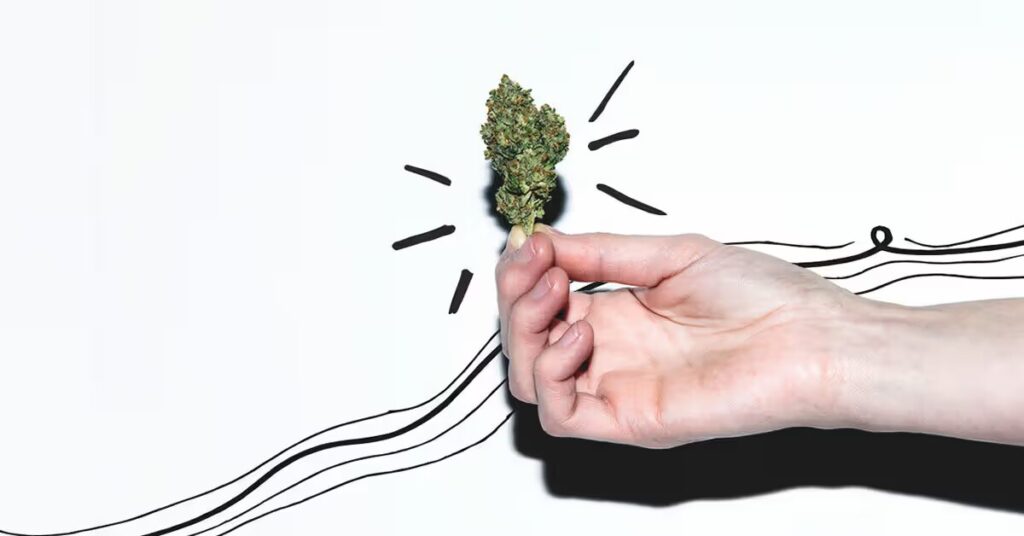
When selecting cannabis strains, it is advisable to consider those renowned for their calming properties or those with a lower Tetrahydrocannabinol (THC) content. This approach is particularly beneficial for individuals seeking to mitigate the potential for adverse reactions, such as shakes or tremors, which can occur in response to higher levels of THC.
Varieties known for their calming properties frequently feature a higher proportion of Cannabidiol (CBD) to THC. CBD, a cannabinoid distinct from THC in not producing psychoactive effects, is renowned for its capacity to promote relaxation and alleviate anxiety. Consequently, strains with a higher CBD content are likely to provide a more soothing experience, reducing the chances of encountering unwanted shakes.
Moreover, opting for strains with inherently lower levels of THC can also contribute to a more manageable and enjoyable cannabis experience. Strains with lower THC levels typically produce gentler psychoactive effects, making them a suitable option for beginners or individuals with a lower tolerance to cannabis. By thoughtfully choosing these strains, individuals can experience the advantages of cannabis while reducing the chances of encountering overpowering or unpleasant side effects.
In summary, choosing cannabis strains with a focus on their calming effects or lower THC content is a strategic approach to reducing the likelihood of experiencing shakes. This cautious selection process ensures a more pleasant and controlled consumption experience, catering to the needs and sensitivities of various users.
Concluding Thoughts

The occurrence of cannabis shakes can be unexpected for some, highlighting the complex interaction between cannabis and the human body. Recognizing and understanding this reaction is key to enhancing your experience with cannabis, making it both more informed and enjoyable.
It’s crucial to remember that each person’s response to cannabis is unique. Adjusting your consumption to suit your comfort and limits is vital for ensuring a positive experience with cannabis.
This guidance applies to both seasoned enthusiasts and individuals new to cannabis. Staying informed and cautious in your approach to cannabis consumption will undoubtedly enrich your journey with this plant.
