Table of Contents
What are some other names for marijuana
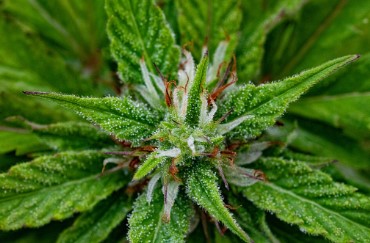
Marijuana, a term primarily used in North America, refers to the dried flowers, leaves, stems, and the seeds of the plant known as Cannabis sativa or Cannabis indica. As a widely used psychoactive substance, marijuana has generated a diverse lexicon of slang terms, cultural references, scientific names, and brand-based labels across different languages, regions, and subcultures. This linguistic variety reflects its long and complex history, legal evolution, and varied social functions.
1. Scientific and Botanical Names
These terms are used in academic, medical, and pharmacological contexts:
- Cannabis: The general genus name encompassing both Cannabis sativa, Cannabis indica, and Cannabis ruderalis.
- Cannabis sativa / Cannabis indica / Cannabis ruderalis: These refer to the primary species and subspecies, distinguished by botanical characteristics and effects (e.g., sativa being uplifting, indica being sedative).
- THC-rich cannabis: Refers specifically to varieties high in tetrahydrocannabinol, the main psychoactive component.
- Hemp: A term for cannabis strains low in THC (usually <0.3%), used in industrial applications but genetically similar to marijuana.
2. Popular Slang and Street Names
Over the decades, marijuana has accrued a long list of slang terms that reflect regional dialects, street culture, and underground movements:
- Weed: One of the most common and widely understood slang terms, implying its fast-growing and wild nature.
- Pot: Originating in the early 20th century, believed to derive from the Spanish term potación de guaya (a cannabis-infused wine).
- Ganja: A term of Hindi origin, made popular globally through Rastafarian culture in Jamaica.
- Dope: A more ambiguous term, sometimes applied to harder drugs but often still used for marijuana.
- Mary Jane: A playful personification of “marijuana.”
- Bud: Refers to the flowering part of the plant that contains the highest THC concentration.
- Chronic: Popularized in the 1990s hip-hop scene (notably by Dr. Dre), referring to high-quality, potent marijuana.
- Dank: Describes pungent, sticky, high-grade cannabis.
- Reefer: An older term from early 20th-century America, popularized in anti-cannabis propaganda such as the film Reefer Madness.
- Green: Descriptive of the plant’s color; used generically.
- Herb: Often used in holistic or spiritual circles.
- Trees: A term used in urban slang, referencing the plant-like appearance.
- Skunk: Refers to particularly strong-smelling strains; can also describe a specific genetic lineage of cannabis.
3. International and Cultural Terms
Cannabis is used worldwide, and different cultures have contributed unique terminology:
- Dagga (South Africa): A common term in Afrikaans and several indigenous languages.
- Zol (South Africa): A rolled cannabis cigarette.
- Charas (India, Nepal): Hand-rubbed cannabis resin similar to hashish.
- Bhang (India): A traditional cannabis preparation consumed as a drink, especially during religious festivals like Holi.
- Hash / Hashish (Middle East, Europe): Refers to resin extracted from cannabis trichomes.
- Mota (Mexico, Central America): A common Spanish slang term.
- Mariguana / Marihuana (Mexico/Spain): Root form of the English word “marijuana.”
- Kif (North Africa): Refers to a mixture of cannabis and tobacco smoked in pipes.
- Takrouri (Sudan): A local term for hashish-type substances.
- Esrar (Turkey): Turkish slang for marijuana or hash.
- Yarndi (Australia, Aboriginal communities): Colloquial term among Indigenous Australians.
4. Product and Strain Names
As cannabis has become increasingly legalized and commercialized, thousands of strain-specific names have emerged, reflecting breeding lineage, flavor, or effect:
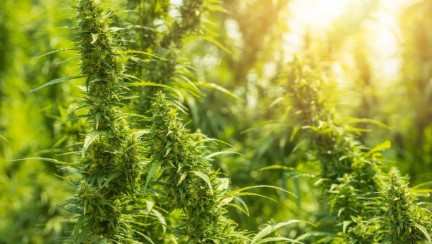
- Strain Names: Examples include OG Kush, Blue Dream, Sour Diesel, Girl Scout Cookies, Purple Haze, and White Widow. These often reflect parent genetics, terpene profiles, or cultural branding.
- CBD-rich strains: Like ACDC, Charlotte’s Web, or Harlequin, focusing on cannabidiol rather than THC.
- Concentrates and derivatives:
- Shatter, Wax, Live Resin, Rosin – all refer to high-potency cannabis extracts.
- Dabs: Slang for using such extracts.
- Oil or THC oil: Refers to concentrated cannabis oil used in vape pens or tinctures.
5. Coded or Euphemistic Language
In areas or periods where cannabis use has been criminalized or stigmatized, users have developed covert language to avoid detection:
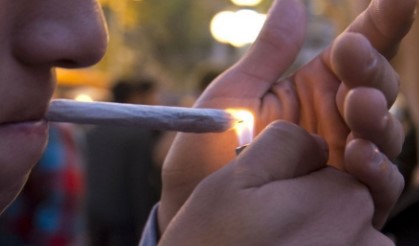
- 420: A widely recognized code referencing cannabis use, especially at 4:20 PM or on April 20th (4/20), considered an unofficial marijuana holiday.
- Medicine: Often used by medical marijuana patients and dispensaries.
- Loud: A modern urban term referring to pungent, strong weed.
- Gas: Describes strains with strong diesel-like aroma or intense effects.
- Flower: A more sanitized or medical industry term for marijuana buds.
- Trees, Bush, Nuggets: All reference appearance or growth characteristics.
6. Media and Pop Culture References
Some names have been popularized through songs, films, or celebrities:
- Kush: Refers to strains originating from the Hindu Kush mountains but also used broadly due to pop culture.
- Purple: Often refers to strains with violet hues (e.g., Granddaddy Purple), heavily referenced in music.
- Sticky Icky: Popularized by rapper Snoop Dogg, referencing sticky, resinous weed.
- Lamb’s Bread: A Jamaican sativa associated with Bob Marley.
7. Legal and Regulatory Terms
As marijuana gains medical and recreational legality, official nomenclature has emerged:
- Medical cannabis: Used in legislative and healthcare contexts.
- Adult-use cannabis: Refers to non-medical, legal use by adults.
- Cannabinoid products: Encompasses THC and CBD derivatives for therapeutic or recreational use.
- Controlled substance: Still a formal classification in many jurisdictions under laws like the U.S. Controlled Substances Act.
- Schedule I drug: A designation in some places indicating “no accepted medical use” and “high potential for abuse”—still applied to cannabis under U.S. federal law.
8. Historical and Archaic Names
Certain terms have faded from use or are confined to historical/legal documents:
- Indian hemp: A colonial-era term, often confusingly applied to both cannabis and similar-looking plants.
- Locoweed: Used in the 19th and early 20th centuries to describe marijuana’s supposed mind-altering effects.
- Giggle smoke: An antiquated slang term, reflecting cannabis’s euphoria-inducing nature.
9. Modern Branding and Edibles
With the rise of legal markets, cannabis is now found in branded forms and infused products:
- Edibles: Include THC- or CBD-infused gummies, chocolates, baked goods.
- Vapes: Devices using cannabis oil cartridges; called pens or carts.
- Tinctures: Liquid cannabis extracts, often administered sublingually.
- Topicals: Balms and creams that include cannabis.
- Beverages: THC/CBD-infused drinks marketed as alternatives to alcohol.
Conclusion
The vast and ever-evolving terminology surrounding marijuana underscores its deep entrenchment in diverse societies, subcultures, legal frameworks, and scientific research. From ancient religious use in India to hip-hop anthems in modern America, from coded language in prohibition eras to branded strain names in dispensaries, the vocabulary of cannabis is as multifaceted as its effects. Understanding these various names not only improves communication across cultural and professional contexts but also highlights marijuana’s transition from a stigmatized drug to a normalized, regulated, and in many cases celebrated plant.
