Table of Contents
What Are Cannabis Phenotypes and Why Do They Matter?
The cannabis plant, like all living organisms, exhibits diversity in its physical and chemical characteristics. These observable traits ranging from the color and shape of leaves to the plant’s aroma, cannabinoid content, and growth patterns are collectively known as phenotypes. Understanding cannabis phenotypes is critical not only for cultivators and breeders but also for medical professionals and recreational users who rely on consistency and predictability in the plant’s effects.
Defining Phenotypes in Cannabis
A phenotype is the set of observable characteristics of a plant, influenced by both its genotype (genetic makeup) and environment (external growing conditions). In cannabis, phenotypes determine traits such as:
- Height and structure of the plant
- Leaf shape and coloration
- Flower size and density
- Smell and taste (terpene profile)
- Cannabinoid composition (THC, CBD, etc.)
- Flowering time and yield
- Resistance to pests, mold, and diseases
Essentially, the phenotype is what you can see, touch, and measure, while the genotype is the underlying blueprint that interacts with environmental inputs to produce that outcome.
Genotype vs. Phenotype vs. Chemotype
To fully grasp the importance of phenotypes, it’s vital to distinguish three related terms:

- Genotype: The complete genetic makeup of the cannabis plant. This contains all possible trait expressions, even those that may not be visible or activated.
- Phenotype: The expression of the genotype, as shaped by environmental factors like light, temperature, humidity, and nutrient availability.
- Chemotype: The chemical composition of a cannabis plant mainly its cannabinoids (like THC, CBD, CBG) and terpenes (like myrcene, limonene, and linalool). The chemotype is often considered a part of the phenotype but is specifically used when focusing on the plant’s biochemical profile.
Phenotypic Expression: Why the Same Strain Can Look and Feel Different
When a grower plants multiple seeds from a single cannabis strain (say, Blue Dream), each seedling can exhibit different phenotypes, despite sharing the same genetic lineage. This happens because:
- Cannabis is a highly heterozygous plant, meaning its genes can be expressed in many combinations.
- Environmental variables during cultivation (light cycle, soil composition, humidity, etc.) can dramatically influence how traits manifest.
As a result, one Blue Dream plant might lean toward a sativa structure with long, airy buds and a fruity aroma, while another may express more indica-like traits such as shorter internodes and dense, earthy flowers.
This diversity can be a strength or a problem, depending on the context.
Why Phenotypes Matter to Cultivators
Phenotypes are of prime importance to growers and breeders because they determine:

- Crop Performance
Phenotypes dictate plant vigor, resistance to stress, and harvest yields. Cultivators select phenotypes that perform optimally under their specific growing conditions—indoor, outdoor, greenhouse, hydroponic, etc. - Trait Stabilization
Through a process called phenotype selection, breeders isolate the most desirable individuals (plants with the best combination of traits) and stabilize them over several generations to create new strains or consistent cultivars. - Cloning and Predictability
Once a desirable phenotype is found, growers often clone it (cuttings from the mother plant) to ensure every new plant expresses identical traits. This leads to uniformity in both appearance and effects important for both commercial and medical cannabis. - Environmental Optimization
Different phenotypes may require different nutrients, light intensities, or pruning techniques. Knowing the phenotype allows growers to tailor their cultivation practices for maximum efficiency.
Why Phenotypes Matter to Consumers
Phenotypes have a direct impact on the user experience, especially in medical or therapeutic contexts. Here’s how:
- Consistency in Effects
Two plants labeled the same strain can produce drastically different experiences if their phenotypes differ. For medical users seeking relief from anxiety, pain, or insomnia, such variation can result in unpredictable outcomes. - Flavor and Aroma Profiles
Terpene expression varies with phenotype, influencing not just scent and taste but also therapeutic benefits through the entourage effect. For example, a phenotype with high limonene may uplift mood, while one with abundant myrcene may promote relaxation. - Potency and Cannabinoid Ratios
One phenotype might be THC-dominant (psychoactive), while another from the same strain might be CBD-rich (non-intoxicating). This matters greatly for patients seeking targeted symptom relief without impairment. - Personal Preference and Experience
Just as with wine or coffee, cannabis consumers often develop preferences for certain flavor notes, effects, and appearances. Phenotypes provide the spectrum that allows for such personal customization.
Phenotype Hunting: The Art and Science of Selection
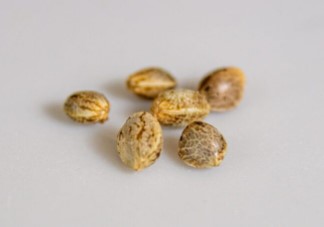
Phenotype hunting (or “pheno hunting”) is the process breeders use to identify and isolate the most desirable traits from a batch of seeds. It typically involves:
- Germinating Many Seeds
A large number of seeds from a single genetic cross are grown out to maturity. - Documenting Traits
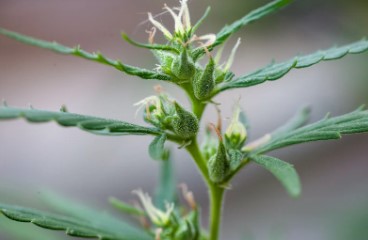
Each plant is closely observed for growth patterns, aroma, trichome density, flowering time, and more. - Testing Cannabinoid/Terpene Profiles
Lab testing reveals which phenotypes carry the most potent or desirable chemical compositions. - Selecting “Winners”
Only the top-performing phenotypes are kept for cloning or breeding. These may be further refined and stabilized into new cultivars or used to produce feminized seeds.
Pheno hunting is especially crucial in commercial and medical cultivation, where uniformity and quality control are paramount.
Stabilizing Phenotypes: Breeding for Consistency
To develop a stable strain one where seeds produce consistent phenotypes breeders use techniques like:
- Backcrossing (BX): Crossing a plant with one of its parents to reinforce specific traits.
- Inbreeding (IBL): Crossing plants from the same family over several generations to reduce genetic variation.
- Hybridization: Creating new cultivars by combining stable parent lines to introduce new trait combinations.
Over time, stabilized strains produce seeds that reliably grow into plants with predictable appearances, chemotypes, and effects essential for branding and medical formulations.
The Challenge of Strain Names vs. Phenotypic Reality
Cannabis strain names often fail to reflect actual phenotype expression due to:
- Loose naming conventions in the black market era
- Lack of regulation in labeling
- Retailers or producers rebranding phenotypes without consistent genetic testing
This inconsistency is why some users report wildly different effects from identically labeled products. True consistency can only be achieved through stabilized genetics and transparent lab testing of phenotypes.
Conclusion
Cannabis phenotypes are the bridge between a plant’s genetic potential and its real-world manifestation. They matter at every stage of the cannabis lifecycle from seed to smoke and play a crucial role in determining how a plant grows, what it tastes and smells like, and how it affects the human body.
For cultivators, understanding and manipulating phenotypes means improved yield, resilience, and profitability. For consumers, particularly medical users, phenotype knowledge is the key to finding strains that work reliably and effectively for their needs.
As the cannabis industry matures, greater emphasis on phenotype documentation, lab testing, and stabilized breeding will help bring precision and consistency to an otherwise unpredictable landscape turning cannabis from an art into a true science.
