Table of Contents
West OG is a classic indica-dominant hybrid cannabis strain that has gained popularity for its balanced effects, high potency, and versatility. With a rich history rooted in the OG Kush lineage, this strain appeals to both recreational users and medical patients due to its diverse range of benefits. In this document, we explore the origins, genetic profile, terpene composition, effects, and specific medical and recreational uses of West OG. Additionally, we provide a scientific breakdown of its chemical components and how they interact with the body.
Origins and Genetics
West OG is a descendant of the legendary OG Kush, one of the most influential strains in modern cannabis breeding. OG Kush is renowned for its earthy, piney aroma and its euphoric yet calming effects. West OG inherits many of these traits, along with a unique profile that sets it apart. The precise genetic lineage of West OG remains somewhat ambiguous, but its indica dominance is unmistakable, with a genetic ratio typically reported as 70% indica and 30% sativa.
Appearance, Aroma, and Flavor Profile
Appearance:
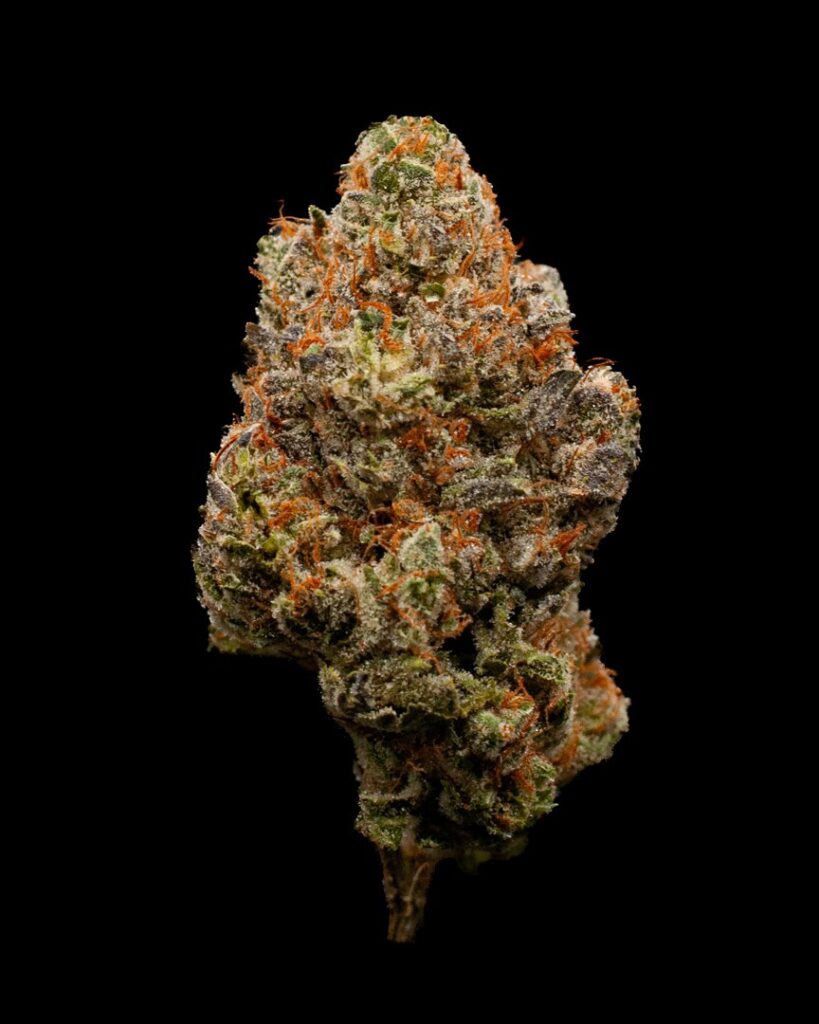
- Bud Structure: West OG’s buds are dense and tightly packed, characteristic of indica strains.
- Coloration: The flowers are a vibrant green, interspersed with orange pistils and coated with a thick coating of trichomes, which gives the buds a icy look.
- Resin Production: High resin content makes this strain a favorite for producing concentrates.
Aroma:
West OG emits a complex scent that combines earthy, piney notes with subtle hints of citrus and diesel. The aroma is robust and lingers, making it easily recognizable to cannabis enthusiasts.
Flavor:
When smoked or vaporized, West OG delivers a smooth, rich flavor that mirrors its aroma. Users often describe the taste as a blend of earthy pine with a zesty lemon undertone, followed by a slight diesel finish.
Terpene Profile
Terpenes are the aromatic compounds responsible for the scent and flavor of c
The aromatic compounds called terpenes are what give cannabis its flavor and aroma. They also contribute significantly to the strain’s effects. The dominant terpenes in West OG include:
- Myrcene: Known for its earthy and musky aroma, myrcene is associated with sedative effects, making it ideal for relaxation and sleep.
- Pinene: This terpene imparts a fresh pine scent and may enhance focus and memory retention while counteracting potential sedation.
- Limonene: Responsible for the citrusy notes, limonene is uplifting and stress-relieving.
- Caryophyllene: With its spicy, peppery aroma, caryophyllene is unique in its ability to bind to CB2 receptors, providing anti-inflammatory and analgesic benefits.
Cannabinoid Profile
West OG typically boasts a high THC content, ranging between 20% and 25%, with trace amounts of CBD (<1%).
THC:
- Psychoactive Effects: THC is the primary psychoactive compound in cannabis. In West OG, its high levels contribute to the euphoric and relaxing effects.
- Medical Benefits: THC interacts with CB1 receptors in the brain, influencing mood, appetite, and pain perception.
CBD:
While CBD levels in West OG are minimal, this cannabinoid still plays a role in modulating the effects of THC, potentially reducing anxiety or paranoia in sensitive users.
Other Cannabinoids:
- CBG (Cannabigerol): Found in trace amounts, CBG is non-psychoactive and contributes to anti-inflammatory and neuroprotective effects.
- CBC (Cannabichromene): Also present in small quantities, CBC may enhance mood and support pain relief.
Effects and Uses
Recreational Uses:
West OG’s effects are well-balanced, offering both cerebral and physical benefits. Here’s what users can expect:
- Euphoria and Relaxation: The initial onset is marked by a wave of euphoria that uplifts mood and melts away stress. This is followed by a deep sense of physical relaxation, making it ideal for unwinding after a long day.
- Enhanced Creativity: While primarily an indica, the sativa influence can spark creativity and focus on moderate doses, making it suitable for artistic endeavors.
- Socializing: The calming yet euphoric effects make West OG a great choice for social gatherings where relaxation is key.
- Evening Use: Due to its sedative qualities, West OG is most commonly used in the evening or before bed.
Medical Uses:
West OG is highly regarded in the medical cannabis community for its therapeutic potential. Here are the primary conditions it may help manage:
- Chronic Pain:
- The high THC content interacts with the endocannabinoid system to alter pain perception.
- Caryophyllene’s anti-inflammatory properties further enhance pain relief.
- Anxiety and Stress:
- The calming effects of myrcene and limonene help reduce symptoms of anxiety and stress.
- Users report a significant decrease in racing thoughts and a sense of mental calm.
- Insomnia:
- The sedative properties of myrcene and THC make West OG effective for promoting restful sleep.
- Best used 1-2 hours before bedtime for optimal results.
- Appetite Stimulation:
- West OG is effective for individuals experiencing appetite loss due to medical conditions or treatments like chemotherapy.
- THC activates CB1 receptors, which are directly involved in regulating hunger.
- Muscle Spasms and Tension:
- The relaxing physical effects can alleviate muscle spasms and tension, making it beneficial for conditions such as chronic muscle pain or multiple sclerosis.
- Depression:
- The euphoric and mood-enhancing effects of limonene and THC provide temporary relief from depressive symptoms.
- Nausea:
- THC’s anti-emetic properties can help reduce nausea and vomiting, particularly in patients undergoing chemotherapy.
Methods of Ingestion
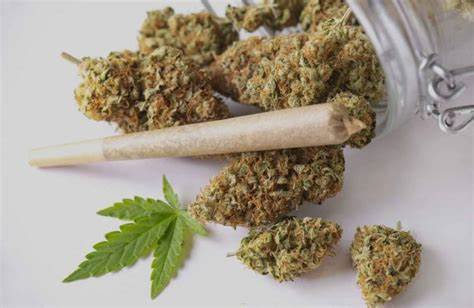
- Inhalation (Smoking and Vaping)
- Description: Cannabis flower or concentrate is combusted (smoked) or heated (vaped) to release active compounds.
- Mechanism:
- Active cannabinoids like THC and terpenes are rapidly absorbed into the bloodstream through the alveoli in the lungs.
- Bypasses the digestive system, leading to quick onset.
- Pros:
- Fast-acting effects.
- Allows precise titration of dosage.
- Cons:
- Can irritate the respiratory system.
- May lead to loss of some cannabinoids due to combustion.
- Scientific Note: Vaping preserves more terpenes and cannabinoids by avoiding high temperatures compared to smoking.
- Oral Consumption (Edibles, Capsules, Tinctures)
- Description: Cannabis is ingested in the form of infused foods, drinks, capsules, or sublingual tinctures.
- Mechanism:
- THC is metabolized in the liver into 11-hydroxy-THC, a more potent psychoactive compound.
- Sublingual tinctures bypass first-pass metabolism, offering faster onset compared to traditional edibles.
- Pros:
- Discreet and long-lasting effects.
- Avoids respiratory irritation.
- Cons:
- Delayed onset (up to 2 hours for edibles).
- Difficult to titrate dosage due to variability in absorption rates.
- Scientific Note: The potency of edibles can be significantly higher due to the effects of11-hydroxy-THC is more effective than THC at bridging the blood-brain barrier.
- Topical Application
- Description: Cannabis-infused creams, balms, or transdermal patches applied directly to the skin.
- Mechanism:
- Cannabinoids interact with CB2 receptors in the skin and peripheral tissues, providing localized relief without psychoactive effects.
- Transdermal patches can deliver cannabinoids into the bloodstream for systemic effects.
- Pros:
- Effective for localized pain and inflammation.
- Non-psychoactive (unless using transdermal delivery).
- Cons:
- Limited to specific use cases (e.g., pain or skin conditions).
- Scientific Note: Topicals are ideal for leveraging the anti-inflammatory properties of cannabinoids like THC and CBD.
- Dabbing
- Description: Concentrates like wax or shatter are vaporized on a hot surface and inhaled.
- Mechanism:
- Similar to vaping but typically involves higher potency due to the concentrated form.
- Pros:
- Rapid onset and intense effects.
- Cons:
- Requires specialized equipment.
- For new users, high potency could be too much to handle.
- Scientific Note: Dabbing preserves terpenes and cannabinoids while delivering high doses, making it suitable for experienced users.
- Suppositories
- Description: Rectal or vaginal cannabis suppositories deliver cannabinoids directly to the bloodstream or local tissues.
- Mechanism:
- Offers direct absorption through mucous membranes, bypassing first-pass liver metabolism.
- Pros:
- Rapid absorption.
- Useful for patients who cannot ingest or inhale cannabis.
- Cons:
- Limited availability and social acceptance.
- Scientific Note: Suppositories are gaining recognition for their effectiveness in managing pain and inflammation without psychoactive effects.
Onset and Duration by Ingestion Method
| Method | Onset | Duration | Peak Effects |
|---|---|---|---|
| Smoking | 1-5 minutes | 1-3 hours | 30-60 minutes |
| Vaping | 1-5 minutes | 1-3 hours | 30-60 minutes |
| Edibles | 30-120 minutes | 4-8 hours | 2-4 hours |
| Tinctures | 15-45 minutes | 2-6 hours | 1-3 hours |
| Topicals | 5-15 minutes (localized) | Varies (localized) | Local relief |
| Dabbing | Instant (1-3 minutes) | 1-3 hours | 20-40 minutes |
| Suppositories | 10-15 minutes | 2-8 hours | 1-3 hours |
Effects and Pharmacology
Euphoria and Relaxation
- Mechanism:
- THC binds to CB1 receptors in the brain, modulating neurotransmitter release to create feelings of euphoria and relaxation.
- Key Components:
- High levels of THC in West OG induce strong psychoactive effects.
- Terpenes like myrcene and limonene enhance relaxation and mood elevation through the entourage effect.
Pain Relief
- Mechanism:
- THC and CBD interact with CB1 and CB2 receptors in the endocannabinoid system (ECS) to modulate pain perception.
- Key Components:
- Caryophyllene\u2019s interaction with CB2 receptors enhances its anti-inflammatory properties.
Sedation
- Mechanism:
- Myrcene contributes to the sedative properties by influencing the permeability of cell membranes, allowing more THC to cross the blood-brain barrier.
- Key Components:
- Indica-dominant traits of West OG amplify the sedative effects, making it suitable for insomnia.
Appetite Stimulation
- Mechanism:
- THC activates CB1 receptors in the hypothalamus, increasing the release of ghrelin (the hunger hormone).
- Key Components:
- The combination of THC and limonene makes West OG effective for managing appetite loss.
Stress and Anxiety Reduction
- Mechanism:
- Limonene and pinene modulate serotonin and dopamine pathways, promoting relaxation and stress relief.
- Key Components:
- The terpene profile of West OG counteracts potential anxiety-inducing effects of high THC levels.
Side Effects
- Dry mouth and eyes (caused by inhibition of salivary and tear glands).
- Dizziness or lightheadedness (linked to THC effects on blood pressure).
- Anxiety or paranoia (in high doses, particularly in sensitive individuals).
Individual Variability in Effects
- Genetics: Personal genetic makeup (e.g., variations in the CNR1 gene encoding CB1 receptors) influences sensitivity to THC.
- Tolerance: Frequent cannabis use can desensitize receptors, requiring higher doses for the same effects.
- Metabolism: Liver enzymes, specifically CYP2C9, play a role in how quickly THC is metabolized.
- Set and Setting: Psychological state and environment can significantly affect the subjective experience.
Scientific Breakdown
Mechanism of Action:
Cannabinoids like THC and CBD interact with the body’s endocannabinoid system (ECS), which regulates various physiological functions, such as appetite, sleep, pain, and mood.
- THC binds primarily to CB1 receptors in the brain, influencing neurotransmitter release to produce euphoric and relaxing effects.
- Terpenes like myrcene and pinene modulate the effects of cannabinoids through the entourage effect, enhancing overall efficacy.
- Caryophyllene interacts with CB2 receptors, which are more prevalent in peripheral tissues, contributing to its anti-inflammatory and pain-relieving properties.
Pharmacokinetics:
- Absorption: When inhaled, THC is rapidly absorbed into the bloodstream, with effects typically felt within minutes.
- Metabolism: THC is metabolized in the liver into 11-hydroxy-THC, a more potent compound that prolongs effects.
- Elimination: Metabolites are excreted through urine and feces, with a half-life of approximately 30 hours for occasional users.
Potential Side Effects:
While West OG is well-tolerated by most users, some may experience:
- Dry mouth and eyes
- Dizziness
- Anxiety or paranoia, especially in excess
- Increased heart rate
Cultivating West OG
1. Genetic Considerations
- Genotype Selection: Begin with verified West OG seeds or clones from reputable sources to ensure the plant’s genetic stability and desired traits.
- Phenotype Expression: Monitor the plants as they grow to identify phenotypes that best express desired traits like potency, terpene profile, and resistance to pests or mold.

2. Soil and Nutrient Optimization
- Soil Composition: Use a well-aerated, nutrient-rich soil with a balanced mix of organic matter, perlite, and vermiculite. pH levels should be maintained between 6.0 and 6.8 for optimal nutrient absorption.
- Nutrients:
- Nitrogen (N): Required in higher amounts during the vegetative phase for vigorous growth.
- Phosphorus (P): Crucial during the flowering phase for bud development.
- Potassium (K): Promotes the resilience and general health of plants.
- Trace minerals like magnesium, calcium, and sulfur are essential for terpene production and overall metabolic processes.
3. Light Management
- Indoor Cultivation:
- Utilize metal halide (MH) or other high-intensity discharge (HID) lights for vegetative growth and high-pressure sodium (HPS) (HPS) for flowering.
- Full-spectrum LED lights are an efficient alternative, enhancing cannabinoid and terpene production while reducing energy costs.
- Maintain a light cycle of 18 hours on/6 hours off during vegetative growth and switch to 12 hours on/12 hours off for flowering.
- Outdoor Cultivation:
- Choose a spot that receives at least 6 to 8 hours of direct sunlight each day.
- Monitor the photoperiod to ensure the plant receives sufficient darkness to trigger flowering in late summer.
4. Environmental Control
- Temperature: Maintain daytime temperatures between 70-85°F (21-29°C) and nighttime temperatures no lower than 60°F (15°C).
- Humidity:
- Vegetative Stage: 50-70% relative humidity (RH).
- Flowering Stage: Reduce to 40-50% RH to prevent mold and mildew.
- Air Circulation: Use oscillating fans to ensure proper airflow, which reduces the risk of fungal infections and strengthens stems.
5. Watering Practices
- Irrigation:
- Don’t overwater; in between waterings, let the top inch of soil dry out.
- Use reverse osmosis (RO) water or dechlorinated tap water to avoid harmful chemicals.
- pH Adjustment: Regularly test and adjust the pH of your water to match soil requirements (6.0-6.8).
- Drip Irrigation Systems: Automate watering for consistent moisture and nutrient delivery, reducing manual labor and the risk of waterlogging.
6. Pest and Disease Management
- Common Pests: Aphids, spider mites, and whiteflies are common threats.
- Use integrated pest management (IPM) practices like introducing beneficial insects (e.g., ladybugs or predatory mites).
- Apply organic sprays such as neem oil during the vegetative stage for pest prevention.
- Disease Prevention:
- Regularly inspect plants for signs of mold or mildew, particularly in humid environments.
- Apply fungicides containing potassium bicarbonate during early flowering if needed.
7. Training Techniques
- Low-Stress Training (LST): Bend and tie branches to improve light penetration and airflow.
- Topping and FIMing: Prune the plant main stem to promote lateral growth and increase yield.
- Screen of Green (ScrOG): Use a horizontal screen to train plants for even canopy development.
8. Flowering Stage and Harvesting
- Monitoring Trichomes:
- Inspect trichomes under a magnifying lens. Harvest when they are mostly cloudy with some amber hues for optimal potency.
- Flushing:
- Flush plants with pH-balanced water 1-2 weeks before harvest to remove residual nutrients, improving flavor and burn quality.
- Drying and Curing:
- Hang trimmed buds in a dark, ventilated space at 60°F and 60% RH for 7-10 days.
- Cure in glass jars, opening them daily to release moisture and preserve terpenes.
Advanced Scientific Techniques
1. Hydroponics
- Soilless Cultivation: Growing West OG in hydroponic systems (e.g., deep water culture, ebb and flow) allows for precise control of nutrients and pH.
- Benefits:
- Faster growth rates due to direct nutrient availability.
- Higher yields compared to soil cultivation.
- Considerations: Requires constant monitoring of water quality and system maintenance.
2. Tissue Culture
- Micropropagation: Propagating West OG via tissue culture involves cloning plants in a sterile lab environment. This ensures genetic consistency and eliminates pathogens.
- Applications: Ideal for preserving elite genetics and scaling operations.
3. Terpene and Cannabinoid Enhancement
- Light Spectrum Manipulation: UV-B exposure during flowering can enhance resin production, leading to higher THC and terpene levels.
- CO2 Enrichment: Increasing CO2 levels to 1000-1500 ppm during the vegetative and early flowering stages boosts photosynthesis, promoting faster growth and higher yields.
- Biostimulants: Use plant-based biostimulants to enhance root health, nutrient uptake, and stress resilience.
4. Data-Driven Cultivation
- Sensors and Automation:
- Use sensors to monitor real-time data on temperature, humidity, soil moisture, and nutrient levels.
- Automate irrigation, lighting, and climate control for consistent growth conditions.
- Analytics: Track growth patterns and yield data to refine techniques for future harvests.
Conclusion
West OG is a versatile and potent strain that caters to both recreational users seeking medical patients seeking relaxation and relief from a variety of ailments. Its rich genetic heritage, balanced effects, and robust flavor profile make it a standout in the cannabis world. Whether you’re a seasoned connoisseur or a first-time user, West OG offers a reliable and enjoyable experience.
By understanding its chemical composition, effects, and uses, consumers can make informed decisions about how to incorporate West OG into their wellness routines or recreational activities. With ongoing research into the therapeutic potential of cannabis, strains like West OG continue to highlight the remarkable synergy between cannabinoids, terpenes, and the human body.
For a complete directory of cultivars, visit our Cannabis Strain Reviews.
