Table of Contents
Weed vaporizer
Overview of Weed Vaporizers
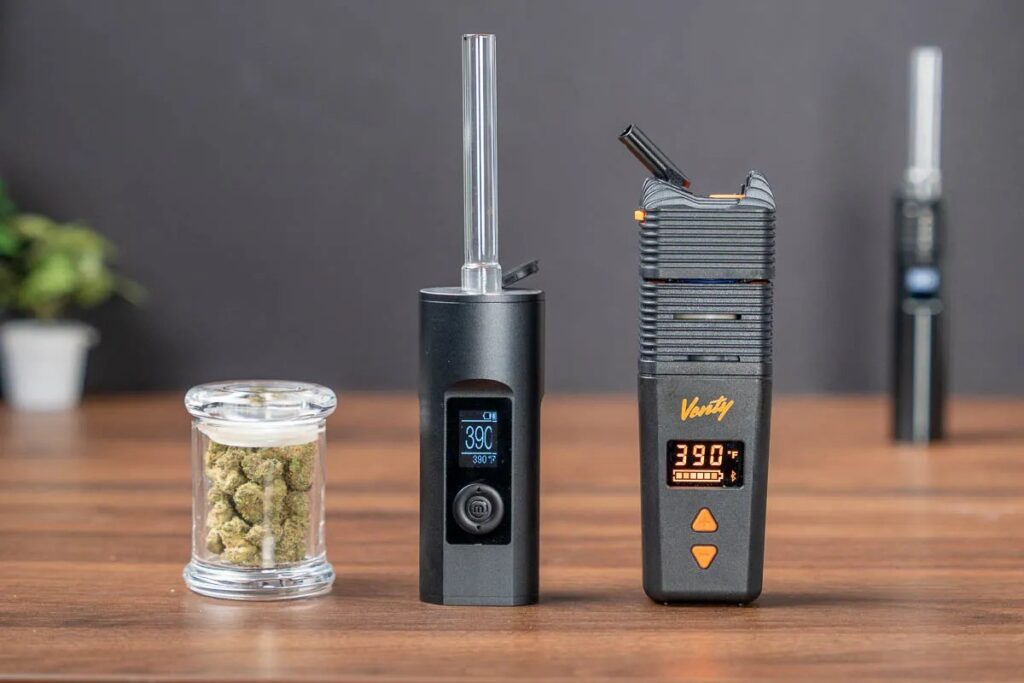
Cannabis vaporizers have gained prominence as a modern alternative to traditional smoking methods. This document provides an in-depth look at the technology behind cannabis vaporizers, their application, and the potential health benefits and risks associated with their use.
Technological Aspects of Cannabis Vaporizers
Cannabis vaporizers operate by heating the plant material to a temperature that vaporizes, but does not burn, its active components such as tetrahydrocannabinol (THC) and cannabidiol (CBD). This heating can be achieved through conduction, where the cannabis directly contacts a heated surface, or convection, where hot air is passed through the plant material to ensure even heating. Numerous contemporary vaporizers come equipped with adjustable temperature controls, enabling users to tailor their vaping experience by selecting specific temperatures for releasing particular cannabinoids and terpenes. This customization enhances both the effects and flavor profiles of the vapor.
Varieties of Cannabis Vaporizers
There are several types of cannabis vaporizers tailored to different preferences and uses:
- Portable Vaporizers: Compact and battery-operated, these devices offer convenience and portability for discreet use on the go. They can accommodate both flower and concentrates.
- Desktop Vaporizers: These are more robust and are typically used in a stationary, indoor setting. Desktop models are ideal for sessions involving multiple people, as they can handle larger quantities of cannabis and often provide a more precise vaping experience.
- Pen Vaporizers: The most discreet option, pen vaporizers are designed primarily for cannabis concentrates like oils and waxes. They are known for their simplicity and quick heating times.
Utilization of Cannabis Vaporizers
Using a vaporizer involves loading the device with cannabis flower or concentrate and setting the desired temperature. Upon activation, the device heats the cannabis to produce vapor, which is then inhaled. This method offers quicker effects than edibles and is generally smoother than smoking, making it appealing to those who prefer immediate relief without the harshness of smoke.
Health Effects
One of the primary reasons for choosing vaporization over smoking is the potential health benefits. Vaporizing cannabis is thought to be healthier because it avoids the creation of many harmful combustion byproducts like tar and carcinogens. Research indicates that vaporizing may decrease respiratory issues linked to traditional smoking. Nonetheless, the long-term health impacts and overall safety of vaporizing cannabis are still subjects of ongoing research, and users are encouraged to stay informed about new studies and findings.
Conclusion
Cannabis vaporizers represent a significant technological evolution in the method of cannabis consumption, providing users with a cleaner, more efficient way to enjoy the effects of cannabis. By enabling precise control over temperature, vaporizers not only preserve the integrity of the plant’s active ingredients but also allow for a tailored consumption experience that can be adjusted based on personal health needs and preferences. As advancements in vaporizer technology continue and further research is conducted, these devices are likely to increase in popularity and become a preferred method for cannabis consumption.
Types of Weed Vaporizers
Cannabis vaporizers have become increasingly popular as a method of consumption, offering users a selection of devices tailored to meet diverse preferences and lifestyles. This comprehensive guide categorizes the different types of cannabis vaporizers, outlining their unique characteristics and uses to help consumers make educated decisions that align with their specific requirements.
Portable Vaporizers
Portable vaporizers are designed for convenience and mobility, ideal for users who prioritize discretion and on-the-go consumption. These small, battery-operated devices can heat both cannabis flowers and concentrates. They typically feature variable temperature controls, allowing users to fine-tune the device for optimal flavor and cannabinoid release. Despite their compact size, portable vaporizers do not sacrifice performance, making them a favored choice among a wide range of cannabis consumers.
Desktop Vaporizers
Desktop vaporizers are bulkier and more robust, requiring a power source to operate. Primarily intended for home use, they are often the preferred choice for medicinal users or social settings involving multiple participants. These vaporizers provide enhanced precision in temperature regulation and can handle larger amounts of cannabis, suitable for prolonged use. Desktop models are equipped with sophisticated features such as digital displays, fan-assisted vapor delivery, and customizable vapor paths, enhancing the overall user experience.
Pen Vaporizers
Pen vaporizers, or vape pens, are the most compact and discreet option available. They are specifically designed for the consumption of cannabis concentrates like oils and waxes, though some models are also capable of vaporizing dry herbs. Vape pens are popular due to their simplicity, affordability, and rapid heating capabilities, making them ideal for quick and inconspicuous use. However, their small size generally means limited battery life and fewer customizable options compared to larger vaporizers.
Hybrid Vaporizers
Hybrid vaporizers offer the versatility to handle both dry herbs and concentrates. These devices blend the features of both portable and desktop vaporizers, providing a good mix of portability and functionality. Hybrids may feature interchangeable components or dual-function chambers that accommodate various forms of cannabis, appealing to users who appreciate the ability to switch between flowers and concentrates without needing multiple vaporizers.
Conclusion
The range of cannabis vaporizers available caters to the varied preferences of users, from those seeking sleek, portable options to those requiring the robust features of desktop units. When choosing a vaporizer, consumers should consider the specific type of cannabis product they plan to use, the importance of portability, and the features they require. This careful consideration will ensure they select a vaporizer that best meets their needs, enhancing their cannabis consumption experience.

Key Technologies in Weed Vaporizers
Cannabis vaporizers leverage cutting-edge technology to enhance the effectiveness, user control, and safety of cannabis consumption. This detailed analysis explores the essential technologies that drive the functionality of contemporary cannabis vaporizers and how they influence the user experience and the broader cannabis use landscape.
Heating Mechanisms
At the heart of every cannabis vaporizer is its heating mechanism, crucial for determining the efficiency and quality of the vapor produced. Vaporizers typically utilize one of two methods:
- Conduction Heating: This approach directly heats the cannabis material by placing it in contact with the heating element. Conduction vaporizers are known for their quick heating time and ease of use, though they can sometimes burn the material if the temperature isn’t precisely managed.
- Convection Heating: In contrast, convection vaporizers heat the cannabis material using hot air that flows through it, ensuring a more uniform heat distribution. This method greatly reduces the risk of combustion and maintains the integrity of the cannabis’s active ingredients, enhancing both flavor and potency. While convection heating is often preferred for its vapor quality, it may require a longer heat-up time and tends to be more expensive.
Precision Temperature Controls
Modern vaporizers often feature sophisticated temperature control systems that allow users to dial in the exact heat setting required. Accurate temperature adjustments are critical for vaporizing at temperatures that optimize the release of different cannabinoids and terpenes, each with distinct boiling points. Lower temperatures might enhance flavor by preserving terpenes, while higher settings might increase the extraction of psychoactive effects.
Digital Interfaces and App Integration
Many contemporary vaporizers are equipped with digital displays that provide essential information such as temperature settings, battery status, and current heating state. Additionally, some advanced models offer Bluetooth connectivity, enabling control through a smartphone application. This feature allows users to fine-tune their settings, track usage patterns, and secure the device remotely, providing a customizable and secure vaping experience.
Construction and Material Quality
The materials used in the construction of a vaporizer are pivotal in determining both its durability and the purity of the vapor it produces. Premium vaporizers often use inert materials like ceramic, glass, and stainless steel in their heating chambers and air paths to prevent any alteration in flavor and to endure high temperatures safely and durably.
Safety Enhancements
Safety features are a critical aspect of vaporizer design. Automatic shut-off functions that deactivate the device after a set period of inactivity help prevent overheating and conserve battery life. Additionally, built-in protection against overheating ensures the device operates within safe temperature limits, protecting both the user and the device from potential harm.
Conclusion
The array of technologies incorporated into modern cannabis vaporizers defines their functionality and desirability. From advanced heating systems and precise temperature control to digital connectivity and high-quality construction materials, these technologies enhance the safety, efficiency, and overall experience of vaporizer users. As technological advancements continue to evolve, they are expected to further refine and expand the capabilities and appeal of cannabis vaporizers in a growing market.
Materials and Design
In the realms of engineering and architecture, the selection of materials and the application of design principles are critical elements that define the functionality, aesthetic, and longevity of a structure or product. This analytical review delves into the essential considerations for choosing materials and the design strategies that underpin successful projects in these fields.
Criteria for Material Selection
Choosing the right materials involves evaluating several key factors that influence the final outcome of a project, including:
- Strength and Longevity: Materials must be robust enough to handle anticipated loads and durable enough to endure over time under various environmental conditions.
- Weight: The mass of materials is crucial, particularly in industries like automotive and aerospace, where reducing weight is essential for performance and efficiency.
- Corrosion Resistance: Materials that will be exposed to severe conditions must resist degradation through chemical or electrochemical reactions.
- Aesthetic Considerations: In architecture, the visual aspects of materials play a significant role in defining the style and impression of a building.
- Environmental Impact: The sustainability of materials—considering their extraction, processing, and eventual disposal—is increasingly important in reducing ecological footprints and promoting conservation.

Design Principles
The process of design integrates these material characteristics with the functional and aesthetic requirements of the project. Key design principles include:
- Functionality: The design must fulfill the primary purpose of the object or structure, accommodating the needs of users, ease of maintenance, and overall lifecycle efficacy.
- Simplicity and Elegance: A minimalist approach often results in designs that are both visually appealing and simpler to produce and maintain, encapsulating the philosophy that simplicity can enhance overall value.
- Innovation: The adoption of innovative design solutions can lead to improvements in performance and efficiency. This may involve new materials, cutting-edge technologies, and novel approaches to traditional challenges.
- Integration: Effective design harmoniously blends its components. In architecture, this means considering the relationship between a building and its environment and occupants. In engineering, it entails creating systems where all parts function seamlessly together.
- Safety: Ensuring user safety is paramount in design, requiring compliance with relevant codes, standards, and best practices to mitigate risks and avoid potential failures.
Conclusion
Materials and design are fundamentally intertwined in shaping engineered products and architectural structures. They are pivotal in determining how these entities perform, last, and interact with their environments. As technology and methodologies advance, the strategies for material selection and design continue to evolve, focusing increasingly on innovation, efficiency, and sustainability. A thorough understanding of these core aspects is essential for professionals striving to innovate and excel in engineering and architecture.
Health and Safety Considerations
Health and safety measures are foundational to risk management in both workplace and environmental settings, playing a vital role in safeguarding individuals and preserving ecological integrity. This detailed examination delves into the essential components of health and safety protocols, their application, and the persistent challenges faced in upholding rigorous standards across varied sectors.
Key Aspects of Health and Safety
Health and safety measures encompass a broad spectrum of strategies and protocols aimed at preventing injuries, illnesses, and environmental harm in diverse industries and community environments. These measures are not merely regulatory requirements but also moral obligations that uphold the health and safety of communities and workforces.
Occupational Health and Safety
Within the workplace, health and safety protocols focus on identifying, assessing, and mitigating hazards that could lead to accidents or health complications. Critical elements include:
- Risk Assessment: Carrying out detailed hazard identification and risk assessments to foresee potential safety issues and implement preventative actions.
- Training and Education: Offering extensive training to ensure that employees are informed of potential risks and equipped to handle emergencies.
- Ergonomics: Designing work environments that minimize physical strain and injury, considering the interaction between employees and their tasks.
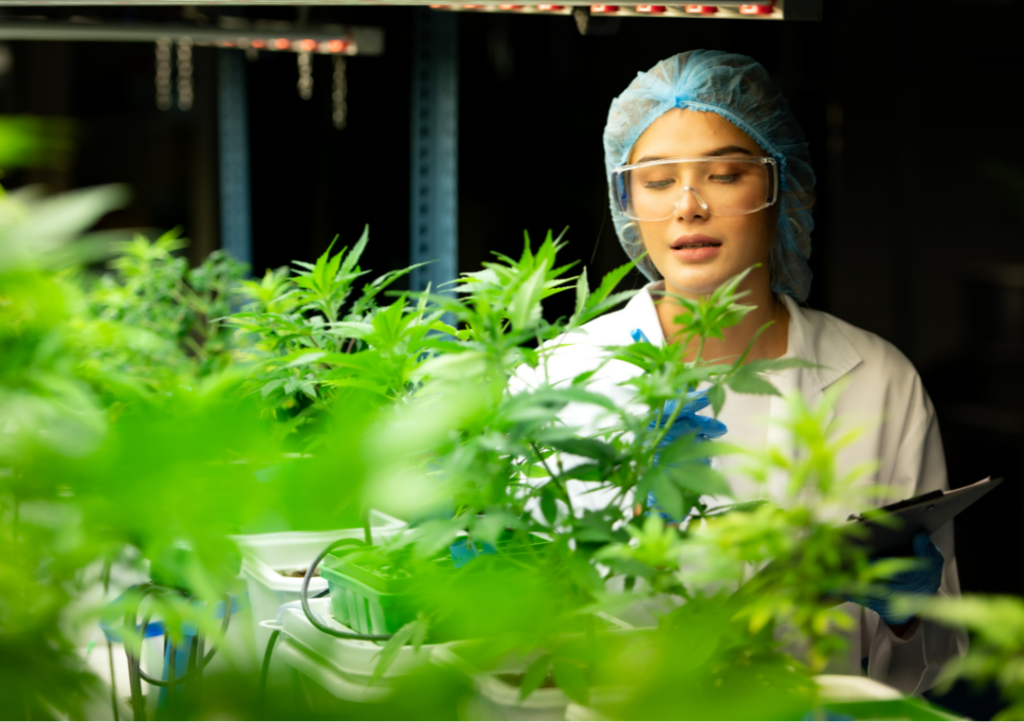
- Personal Protective Equipment (PPE): Ensuring the provision and mandatory use of suitable safety gear to protect employees from hazards specific to their job roles.
- Emergency Preparedness: Developing and rehearsing clear procedures to manage emergency situations such as fires, chemical spills, or workplace accidents.
Environmental Health and Safety
In environmental contexts, health and safety measures aim to prevent pollution and promote the sustainable use of natural resources. Key considerations include:
- Waste Management: Implementing systems for the safe handling, treatment, and disposal of waste materials to avoid environmental degradation.
- Pollution Control: Utilizing technologies and methods that reduce emissions and discharges that contribute to air, water, and soil pollution.
- Resource Management: Promoting the sustainable utilization of natural resources to prevent their depletion and maintain ecological equilibrium.
- Impact Assessment: Performing environmental impact assessments for new projects or modifications to ensure that their environmental effects are properly evaluated and mitigated.
Persistent Challenges in Health and Safety
Despite strong regulatory frameworks, several challenges continue to hinder the effectiveness of health and safety protocols, including:
- Compliance and Enforcement: Ensuring consistent adherence to safety standards throughout all levels of an organization.
- Adaptation to Technological and Industrial Evolution: Staying current with the rapid pace of technological change and evolving industrial practices that introduce new risks.
- Global Operations: Managing health and safety across global operations where differing standards and practices may complicate enforcement.
- Cultural Integration of Safety Practices: Cultivating a culture of safety that extends beyond compliance through public and employee engagement.
Conclusion
Health and safety protocols are crucial for ensuring human welfare and environmental preservation. They necessitate ongoing refinement and adaptation to address emerging challenges. Effective health and safety management not only improves quality of life but also contributes to the success of organizations and the sustainable management of natural environments. Continual advancements in policy, research, and public education are essential for progressing these critical areas.
Choosing the Right Vaporizer
Choosing the most suitable vaporizer is crucial for anyone looking to optimize their cannabis consumption experience. This guide provides detailed criteria to help users select a vaporizer that aligns with their specific needs for functionality, effectiveness, and ease of use.
Types of Vaporizers
Understanding the various categories of vaporizers on the market is the first step in making an informed decision:
- Portable Vaporizers: Ideal for their portability and convenience, these devices are compact, typically battery-powered, and can handle both dry herbs and concentrates. They are ideal for both on-the-go use and at-home consumption.
- Desktop Vaporizers: Best suited for home use, these are powerful devices known for precise temperature controls and the ability to handle larger quantities, making them a favorite among medicinal users and for social sessions.
- Pen Vaporizers: The simplest and most discreet option, designed primarily for vaping cannabis concentrates. They are valued for their simplicity and quick heating capabilities.
Selection Criteria
Several important factors must be considered to ensure the vaporizer meets the user’s preferences and lifestyle:
- Material Compatibility: Verify if the vaporizer is compatible with dry herbs, concentrates, or both, based on your preferences and the form of cannabis you intend to use.
- Heating Technique: Vaporizers use either conduction (direct heating) or convection (heating the air around the material) methods. While conduction vaporizers are typically more portable and affordable, convection vaporizers offer an even heat distribution and better flavor.
- Temperature Flexibility: The ability to adjust temperature settings is essential for tailoring the vaporization process to suit different materials and to control vapor density and flavor.
- Battery Life and Power Options: For portable vaporizers, consider the battery life as it impacts the convenience and usability, especially for users who are often mobile.
- User-Friendliness and Maintenance: The simplicity of operation and maintenance can significantly enhance overall satisfaction. Look for vaporizers that are easy to use and maintain.
- Build Quality and Materials: The durability and cleanliness of the vapor are influenced by the construction materials. Opt for vaporizers made from high-quality materials like ceramic, glass, or stainless steel to ensure longevity and purity of flavor.
- Cost and Warranty Considerations: Weigh the price against the features and quality of the vaporizer. Additionally, a comprehensive warranty can safeguard your investment against any defects or issues.
Conclusion
When selecting a vaporizer, it’s important to carefully evaluate aspects such as type, material compatibility, heating method, and user convenience. A thorough consideration of these factors will help users choose a device that not only meets their specific consumption needs but also enhances their overall experience with cannabis.
The Future of Vaporizing Technology
The realm of vaporizer technology is undergoing rapid transformation, spurred by technological advancements and evolving consumer demands. This analysis delves into the expected developments in the vaporizing sector, examining how these innovations are set to reshape cannabis consumption and influence related market trends.
Technological Evolution
Several significant technological enhancements are anticipated in the vaporizer industry, aiming to improve device functionality, user interaction, and safety:
- Integration of Smart Technologies: Future vaporizers are expected to incorporate advanced smart technologies, including IoT capabilities for better connectivity and management. This will enable users to monitor their usage, adjust settings remotely, and receive maintenance alerts via their digital devices.
- Advancements in Battery Technology: With the importance of device portability, the development of more efficient, quicker-charging batteries is crucial. Innovations like solid-state batteries could offer higher efficiency and enhanced safety, allowing for extended use and reduced charging times.
- Refined Heating Technologies: Progress in heating technology will focus on enhancing temperature control accuracy and efficiency. Expect innovations such as instant heating elements and improved convection heating methods that ensure consistent, even heat distribution, optimizing the extraction of active ingredients and improving vapor quality.
- Advances in Material Science: Upgrades in the materials used for vaporizer construction are anticipated, especially those affecting health and longevity of the device. Future vaporizers might utilize medical-grade materials that prevent contamination and offer improved durability and resistance to heat.
- Greater Customization and Personalization: Vaporizers of the future are likely to offer more extensive customization options, allowing users to personalize their vaping experience. This could include features like adjustable airflow, programmable temperature controls, and personalized heating profiles.
Regulatory and Market Influences
Regulatory developments will significantly influence the progression of vaporizing technology, focusing on enhancing device safety and efficacy through stricter regulations and clearer guidelines. This will impact how vaporizers are engineered and marketed, with a focus on consumer safety and product dependability.
Moreover, as global attitudes towards cannabis become more favorable, market demand for vaporizers is expected to grow. This could bring more first-time users, prompting manufacturers to create devices that are increasingly accessible and straightforward to use.
Environmental Impact
Sustainability will be a critical area of focus in future vaporizer technology developments. Manufacturers will be encouraged to reduce the environmental footprint of their products, potentially through the use of recyclable or biodegradable materials, and designs that minimize power consumption.
Conclusion
The future trajectory of vaporizer technology is set to bring exciting innovations that will elevate the user experience, enhance safety features, and adapt to both regulatory and environmental pressures. As the sector continues to evolve, these advancements will not only redefine vaporizer design standards but also profoundly impact consumer behaviors and preferences in cannabis consumption. Continuous research and innovation will be essential to meet the expanding needs and expectations of a diverse consumer base.
