Table of Contents
Weed Seeds
Introduction to Weed Seeds
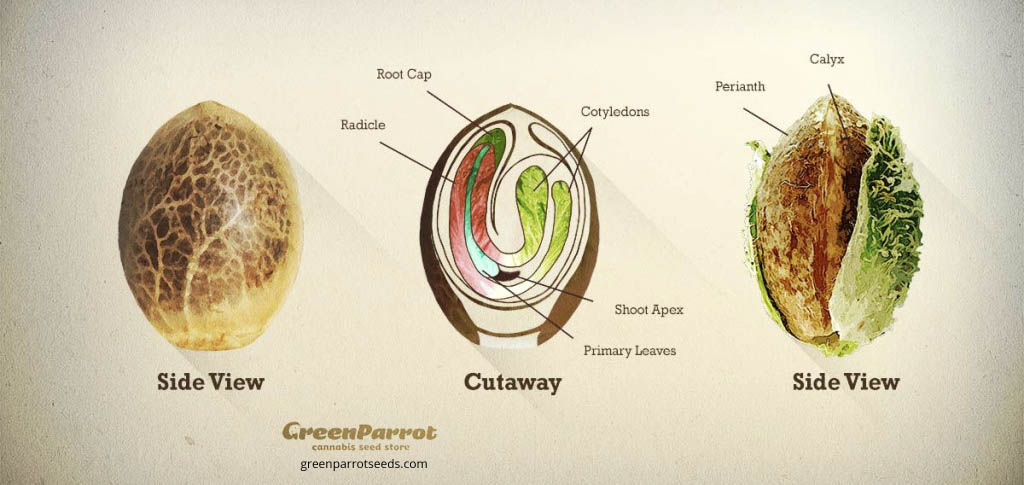
Weed seeds play a crucial role in the lifecycle of various plants commonly categorized as weeds. Noted for their durability and adaptability across diverse environments, these seeds often present significant challenges in agricultural and horticultural management. This introduction aims to delve into the characteristics of weed seeds, assess their impact on ecosystems, and explore the methods employed for their control and management.
Characteristics of Weed Seeds
Weed seeds display a range of adaptations that allow them to survive under adverse conditions. Many species produce seeds in large quantities, boosting their chances of germination and colonization. These seeds typically have lengthy dormancy periods, enabling them to stay viable in the soil for years or even decades until conditions are favorable for growth. Additionally, weed seeds can disperse over extensive areas through various vectors such as wind, water, animals, and human activities, enhancing their widespread presence across diverse landscapes.
Ecological Impact
The robustness and aggressive growth of weeds can significantly impact ecosystems. In natural environments, invasive weed species may outcompete native flora, disrupting habitat structures and diminishing biodiversity. In agricultural settings, weeds vie for space, nutrients, water, and light with crops, detrimentally affecting crop yields and quality. Thus, managing weed populations is vital not only for conserving natural ecosystems but also for sustaining agricultural productivity.
Management Techniques
Effective management of weed seeds is critical for curbing the spread of weeds. The techniques employed vary widely depending on the specific weed species and the environment in question. Common methods include:
- Cultural Control: Adjusting farming practices to create unfavorable conditions for weeds, such as rotating crops, altering planting dates, and maintaining soil health to benefit crops over weeds.
- Mechanical Control: Physically removing weeds or disrupting their growth through tilling, mowing, and hand-pulling. Although effective, these methods can be labor-intensive.
- Chemical Control: Using herbicides to suppress or eradicate weeds can be effective, but this approach necessitates cautious handling and precise application to reduce environmental harm and safeguard non-target species.
- Biological Control: Introducing natural predators or diseases tailored to target specific weed species helps reduce weed populations through ecological means. This method is frequently employed alongside other management strategies to enhance effectiveness.
Conclusion
Weed seeds are integral to the study of plant ecology and agricultural science. Understanding the dynamics of weed seed production, dormancy, and dispersal is crucial for developing effective strategies to manage weed populations. By employing integrated management approaches that combine cultural, mechanical, chemical, and biological methods, it is possible to mitigate the impact of weeds and support both agricultural success and ecological health.
Types of Weed Seeds
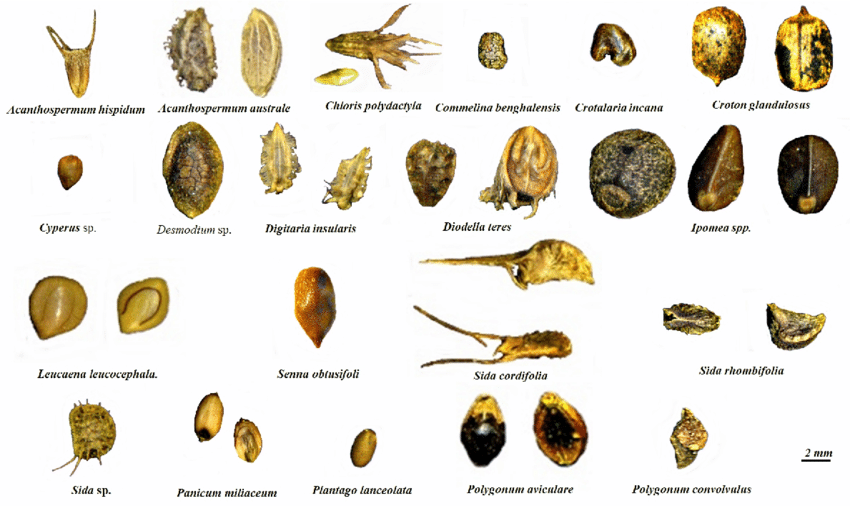
The study of weed seeds is essential in agricultural science as it provides insights into the management and control of weeds that affect both crop production and ecosystem health. Weed seeds display a diverse range of characteristics and behaviors that influence their ability to spread and thrive in various environments. This document provides an overview of the different types of weed seeds, highlighting their unique attributes and the challenges they pose in both natural and agricultural landscapes.
1. Annual Weed Seeds Annual weed seeds are generated by plants that complete their entire lifecycle within the span of one year. These seeds are notably aggressive, quickly germinating under favorable conditions and producing large quantities to ensure the continuation of their species. Examples like crabgrass and chickweed can dominate agricultural fields if not properly controlled. Typically, these seeds are managed through specific strategies such as the use of pre-emergent herbicides to prevent their germination and establishment.
2. Perennial Weed Seeds Perennial weed seeds originate from plants that live for more than two years, regenerating each season from the same root system. These seeds are durable, capable of remaining dormant in the soil for prolonged periods until conditions are favorable for germination. Perennial weeds, such as dandelions and thistles, usually require management strategies that address both the existing plants and their seeds, including the use of systemic herbicides aimed at eliminating both the root system and the seeds.
3. Biennial Weed Seeds Biennial weed seeds originate from plants that undergo a two-year life cycle, typically dedicating the first year to vegetative growth and the second year to reproduction. These seeds present management challenges due to their capacity for rapid spread in their second year. Common biennial weeds include mullein and burdock. Managing these seeds effectively often involves a combination of mechanical removal during the vegetative stage and chemical treatments during the reproductive stage.
4. Aquatic Weed Seeds Aquatic weed seeds are produced by plants suited to water or very moist environments. These seeds are specially adapted to disperse through water channels and can remain viable after extended periods of submersion. Species like water hyacinth and duckweed can impede water flow and adversely affect aquatic ecosystems. Control strategies for aquatic weed seeds typically include physical removal, water management practices to reduce stagnation, and the use of herbicides that are safe for aquatic environments.
5. Invasive Weed Seeds Invasive weed seeds come from non-native plants that have been introduced to new environments, where they often lack natural predators or control mechanisms. This allows them to spread extensively and displace native species, disrupting local ecosystems. Invasive species such as kudzu and Japanese knotweed necessitate comprehensive management strategies that may include biological control agents, thorough monitoring, and community education to prevent their spread.
Conclusion
Understanding the types of weed seeds and their specific characteristics is crucial for developing targeted weed management strategies. Each category of weed seed poses unique challenges that require tailored approaches for effective control and eradication. Through an in-depth examination of these types, agriculturalists and environmental managers can implement more effective measures to mitigate the impact of weed seeds on agricultural productivity and ecological balance.
Selecting the Right Weed Seeds
In the complex realms of agriculture and horticulture, selecting the right weed seeds is a critical decision that significantly impacts the success of both commercial and personal gardening projects. This guide delves into the factors that should be considered when choosing weed seeds, ensuring that cultivators make informed decisions that are aligned with their specific agricultural objectives and environmental conditions.
Understanding Seed Variability Weed seeds play a crucial role in maintaining biodiversity and the dynamics of ecosystems. In cultivation, especially in controlled environments like gardens or farms, the choice of the correct seed type is critical. This involves understanding the genetic makeup, growth patterns, and environmental adaptability of different seed varieties.
Factors to Consider
- Plant Hardiness and Climate Adaptation
It’s vital to choose seeds that are suitable for the local climate. Seeds vary in their tolerance to temperature changes, humidity levels, and seasonal shifts. Plant hardiness zones provide essential guidance for selecting seeds that can prosper in the local environmental conditions. - Soil Compatibility
The compatibility of weed seeds with the existing soil type is paramount. Certain seeds thrive in well-drained, sandy soils, while others require a clay-rich substrate to flourish. It’s also crucial to understand the soil’s pH and nutrient levels as these greatly influence seed germination and plant growth. - Growth Habit and Lifecycle
Weed seeds vary in their growth habits and lifecycles. Whether to choose annual, biennial, or perennial seeds depends on the specific needs and goals of the cultivation project. For example, annual weeds like crabgrass are suitable for quick coverage but require annual reseeding, whereas perennials like dandelions provide longer-term solutions but may be more difficult to manage. - Resistance to Pests and Diseases
Choose weed seed varieties that have shown resistance to local pests and diseases. This resilience can substantially reduce the need for chemical interventions, fostering a more natural approach to pest and disease management. - Yield and Maintenance
Consider the expected yield and the maintenance requirements of the weed species. High-yield varieties may demand more intensive care but can offer greater returns on investment. On the other hand, low-maintenance seeds may yield less but require less care, suitable for more passive gardening approaches.
Strategic Selection Process Engaging with local agricultural extensions, consulting with farming experts, and reviewing current research can provide valuable insights into the best seed options available.
Testing: Conducting small-scale seed tests to assess germination rates and plant viability under local conditions can be beneficial before committing to large-scale planting.
Conclusion
Choosing the right weed seeds is a detailed process that demands a deep understanding of the local environment, the specific requirements of the area to be cultivated, and the characteristics of the seeds themselves. By carefully considering these factors, cultivators can ensure optimal growth and sustainability in their gardening projects. This meticulous selection process not only maximizes the potential success of cultivation efforts but also enhances ecological balance and diversity.
Planting and Initial Seedling Care
The stages of planting and initial seedling care are critical in establishing a robust foundation for successful horticulture, encompassing agricultural, floral, and personal gardening practices. This document outlines the essential practices during these foundational phases, ensuring that plants receive the best possible start for healthy growth and productivity.
Preparation of Planting Materials
Selecting high-quality seeds or seedlings that are robust and free from diseases and pests is paramount. It is important to choose planting materials that are well-suited to the specific environmental conditions and soil types of the cultivation area. For seeds, necessary pre-planting treatments such as stratification or priming should be completed to enhance germination success.
Soil Preparation
Proper soil preparation is vital. The soil should be well-aerated, devoid of weeds, and enriched with organic matter to support the initial stages of plant growth. Conducting soil tests to check pH and nutrient content is crucial, followed by the appropriate amendments, such as adding fertilizers or organic compost, to ensure nutrient availability to young plants.
Planting Techniques
The planting method depends on the type of plant and the form of the planting material. Seeds should be planted at a depth appropriate to their size; generally, smaller seeds require shallower planting. Seedlings should be planted carefully to ensure the roots are adequately covered without burying the stem or crown too deeply, as this could impede growth. It is essential to take meticulous care to preserve the integrity of the roots during planting.
Watering and Initial Care
Immediate post-planting watering is essential to settle the soil around the roots and to provide the necessary hydration for establishment. The watering schedule must be carefully managed to maintain soil moisture at optimal levels without causing waterlogging, as too much water can lead to root rot, while too little can stress the plants. Providing young plants with shade or wind protection may also be beneficial to ensure their survival and health.
Monitoring and Adjustment
Regular monitoring of the seedlings is crucial for early detection of any issues such as nutrient deficiencies, pest attacks, or diseases. Spotting these problems early on allows for timely adjustments in care. For instance, if seedlings display signs of nutrient deficiency, an immediate application of the required nutrients may be necessary, or if pests are detected, appropriate pest control measures should be taken.
Conclusion
Meticulous attention to planting and initial seedling care can profoundly affect the long-term success of plant cultivation. By implementing the best practices outlined here, cultivators can ensure their plants have the optimal start, paving the way for vigorous growth and fruitful yields. These early efforts represent a crucial investment in the future health and productivity of the plants, emphasizing the importance of careful planning and execution during these initial stages.
Growing and Caring for Your Plants
The process of growing and caring for plants is a complex and nuanced task that demands comprehensive knowledge and meticulous attention to detail. This guide provides a detailed exploration of the essential practices involved in the successful cultivation and maintenance of plants, suitable for both amateur gardeners and professional horticulturists. By following these principles, one can ensure the health, vitality, and longevity of their plants, thereby enhancing both aesthetic appeal and ecological benefits.
Optimal Growing Conditions
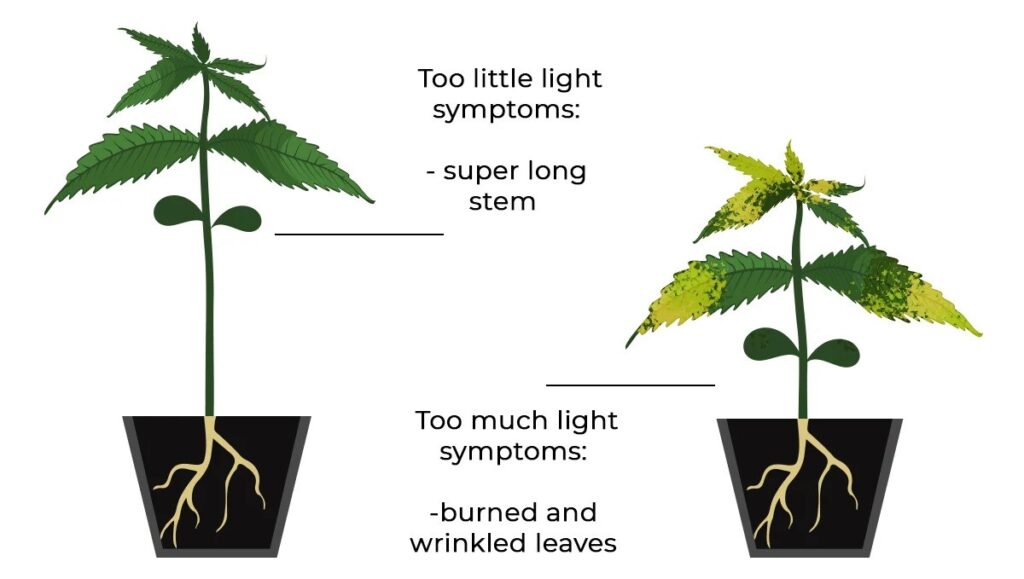
1. Light Requirements: It is essential to know the unique light needs of each plant species for optimal growth. While most plants require sufficient sunlight to flourish, the required intensity and length of light exposure can differ greatly. For houseplants, it may be necessary to position them strategically near windows or utilize artificial grow lights to satisfy their photosynthesis requirements.
2. Soil Health: Soil quality plays a vital role in the health of plants. It needs to be enriched with organic matter, have good drainage, and be devoid of contaminants. It is advisable to regularly test soil pH and nutrient content to appropriately adjust soil amendments and fertilization methods. Adjustments might include the addition of compost for nutrient enrichment or lime to adjust acidity.
3. Watering Practices: Proper watering is essential and varies widely among different plant types. Excessive watering may cause root rot and fungal diseases, whereas insufficient watering can stress plants and inhibit their growth. Establishing a consistent watering schedule that adjusts for seasonal changes in plant water needs is key to maintaining plant health.
Nutritional Management
Fertilization: Plants require various nutrients for growth, reproduction, and resistance to pests and diseases. A successful fertilization strategy includes using balanced fertilizers that deliver key nutrients such as nitrogen, phosphorus, and potassium, as well as trace elements like iron and magnesium. The choice of fertilizer organic vs. synthetic will depend on the specific health goals and environmental preferences of the gardener.
Pest and Disease Control
Regular monitoring for signs of pest infestations and disease is vital for early detection and control. Integrated Pest Management (IPM) techniques should be implemented, which can involve the use of biological control agents, mechanical pest removal, and careful application of pesticides. Preventative measures, such as maintaining plant hygiene and proper spacing to enhance air circulation, can significantly reduce the risk of problems.
Pruning and Grooming
Pruning is necessary to maintain plant shape, remove dead or diseased branches, and promote healthier, more vigorous growth. The timing and technique of pruning will depend on the plant species and the desired outcome. Regular grooming, such as deadheading flowers and removing spent leaves, also helps in encouraging new growth and maintaining the plant’s aesthetic appeal.
Seasonal Adjustments
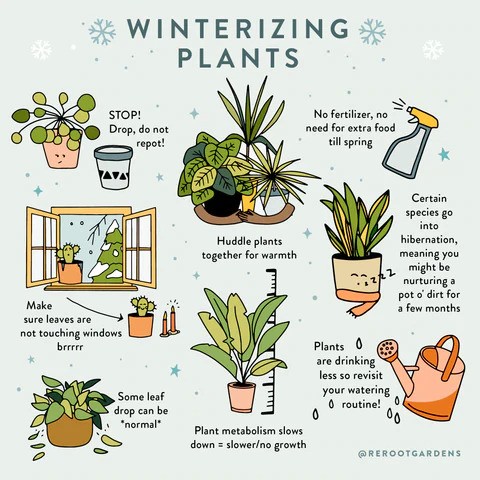
Understanding the seasonal needs of plants is crucial for their survival and vigor. This includes adjusting care routines in response to changing temperatures and light conditions throughout the year. Preparing plants for dormancy in winter or initiating growth in spring are examples of how seasonal adjustments can impact plant health.
Conclusion
The cultivation and maintenance of plants are rewarding yet challenging endeavors that require a deep understanding of plant biology, environmental factors, and proactive care techniques. By embracing the comprehensive guidelines outlined in this guide, gardeners can enhance their skills in nurturing plants, ultimately leading to thriving gardens that are both beautiful and sustainable. This commitment to plant care is not only a pursuit of beauty but also a significant contribution to the local ecology and global environment.
Harvesting and Processing
The final steps in the agricultural cycle, harvesting and processing, are critical for the success of any farming enterprise. Properly managing these stages ensures optimal yield and quality, significantly affecting the marketability and profitability of the produce. This document presents essential guidelines and techniques for effective harvesting and processing, applicable to both small-scale gardeners and large agricultural producers.
Harvest Timing and Techniques
- Determining Optimal Harvest Time: Selecting the correct time for harvesting is crucial to maintain the quality and extend the shelf life of the produce. The timing varies widely among crops and depends on factors such as plant type, weather conditions throughout the growing season, and the intended use of the harvest. For fruits and vegetables, visual cues like color, size, and texture serve as reliable indicators, whereas grains may require moisture content testing to determine readiness.
- Harvesting Methods: Harvesting methods should minimize damage to both the product and the plant, preserving their integrity for future growth cycles. Manual harvesting is often preferred for delicate fruits and vegetables to avoid bruising and spoilage. Conversely, mechanical harvesting offers efficiency gains but requires precise calibration and operation to prevent excessive crop loss.
Post-Harvest Handling and Storage
- Immediate Post-Harvest Care: Immediate and careful handling after harvest is vital to maintain the quality of the produce. Steps such as cooling to eliminate field heat, thorough cleaning to remove soil and pesticides, and sorting to grade the produce are crucial.
- Each kind of produce has particular temperature and humidity needs for storage that must be meticulously controlled to avoid spoilage and extend shelf life.
- Processing Techniques: Processing methods vary depending on the harvested crop’s end-use. These can range from simple washing and packaging for fresh market sales to more complex processes like canning, freezing, or drying for extended storage. Each method should strive to maintain the nutritional quality and flavor of the produce while ensuring safety and edibility.
Quality Control and Compliance
- Adhering to Safety Standards: It is crucial to comply with local and international safety standards when processing edible products. This involves implementing Good Agricultural Practices (GAP) and Good Manufacturing Practices (GMP), which include protocols for worker hygiene and equipment sanitation. Regular audits and inspections are necessary to ensure these standards are met.
- Quality Assurance Testing: Regular quality testing during the harvesting and processing stages is critical to ensure that the final product meets established standards. This testing may involve checking for microbial contamination, pesticide residues, or adhering to nutritional labeling, depending on the product’s nature and the regulatory requirements of the market.
Conclusion Efficient harvesting and processing form the backbone of successful agricultural operations, directly impacting both the yield and quality of produce. By adopting best practices and adhering to strict safety and quality standards, producers can ensure their products are safe, nutritious, and attractive to consumers. These efforts not only enhance the economic viability of agricultural enterprises but also contribute to the health and well-being of consumers, underscoring the importance of meticulous attention in these final stages of crop production.
Advanced Topics in Seed Cultivation
The field of seed cultivation encompasses a range of advanced techniques and innovations that aim to improve the yield, resilience, and quality of crops in various agricultural settings. As the global demand for food increases and environmental challenges become more acute, the importance of advancing agricultural practices, particularly in seed cultivation, cannot be overstated. This document explores several sophisticated topics in seed cultivation, providing insights into the cutting-edge strategies that are shaping the future of agriculture.
Genetic Enhancement of Seeds
1. Genetic Modification and Editing: Genetic modification and advanced methods such as CRISPR gene editing have transformed seed cultivation by incorporating traits that improve crop resilience, yield, and nutritional value. These modifications can include resistance to pests, diseases, and environmental stresses such as drought and salinity. By altering specific genes, scientists can create crop varieties that are better suited to changing climatic conditions and agricultural needs.
2. Hybridization and Heterosis: Hybrid seed production remains a key area in advanced seed cultivation. By crossing two genetically diverse parent plants, hybrid seeds exhibit heterosis or hybrid vigor, resulting in enhanced growth rates, yield, and resistance to diseases compared to their parents. The development of hybrid seeds is crucial for increasing productivity and sustainability in crop production.
Biotechnological Applications in Seed Treatment
1. Seed Priming: Seed priming is a biotechnological technique that involves treating seeds before planting to enhance their germination rate and vigor. This process can involve hydration treatments, application of micronutrients, or exposure to beneficial microbes. Primed seeds show improved performance in poor germination conditions, leading to more uniform growth and better crop establishment.
2. Coating and Encapsulation: Advanced seed coating and encapsulation technologies involve covering the seeds with layers of nutrients, protectants, or growth-promoting substances. This technology can help in the slow release of fertilizers, the protection of seeds from pests, and the enhancement of water retention around the seed, facilitating better growth conditions right from germination.
Sustainable Seed Production Practices
1. Organic Seed Production: There is a growing trend towards organic seed production, which involves cultivating seeds without the use of synthetic pesticides and fertilizers. This practice not only aligns with organic farming principles but also promotes biodiversity and ecological balance. Organic seeds are increasingly demanded by organic farmers seeking to maintain the integrity of their organic products from seed to harvest.
2. Conservation of Heirloom Varieties: Conservation and cultivation of heirloom seed varieties are crucial for preserving genetic diversity and traditional agricultural knowledge. These varieties, often passed down through generations, are valued for their unique flavors, colors, and adaptation to specific local conditions. Preserving a diverse genetic pool in agriculture enhances its resilience against pests, diseases, and environmental changes.
Conclusion
The advanced topics in seed cultivation highlight the innovative and strategic approaches that are critical for the future of agriculture. By integrating genetic enhancements, biotechnological treatments, and sustainable practices, the field of seed cultivation not only addresses immediate agricultural needs but also prepares for future challenges. Continued research and adoption of these advanced techniques are essential for ensuring food security, sustainability, and resilience in global agriculture. This ongoing commitment to innovation in seed cultivation promises to yield substantial benefits for farmers, consumers, and the environment alike.
Troubleshooting and Common Questions
Effectively resolving issues and addressing common inquiries are crucial components of maintaining high standards in any professional setting. This document outlines the key strategies for effective troubleshooting and efficient handling of routine questions, essential for ensuring operational integrity and enhancing customer satisfaction.
Core Approaches to Troubleshooting
1. Methodical Analysis: Troubleshooting should follow a methodical approach, systematically identifying and addressing the root causes of issues. This process typically starts with broader possibilities and narrows down to more specific factors, ensuring a comprehensive evaluation and mitigating the risk of overlooking critical elements.
2. Critical Thinking and Analytical Skills: Successful troubleshooting requires strong critical thinking and analytical skills to delve beneath the surface of apparent symptoms and identify underlying problems. It involves forming hypotheses, testing them, and using informed judgment to pinpoint the exact issues based on expert knowledge and empirical data.
3. Documentation and Consistency: Keeping detailed records of troubleshooting efforts and outcomes is essential. Such documentation helps track recurring problems, analyze patterns over time, and formulate lasting solutions. It also serves as a valuable tool for training purposes and future troubleshooting initiatives.
Handling Common Questions Efficiently
1. Preparation for Routine Inquiries: Professionals should anticipate and prepare for common questions based on historical interactions and typical operational challenges. Preparing standard responses helps improve response times and ensures the consistency and accuracy of the information provided.
2. Clear and Accurate Communication: Clarity and precision are crucial when responding to inquiries. Information should be communicated clearly and succinctly, avoiding unnecessary complexity that could lead to misunderstandings. It is important to adapt the complexity of the information to the audience’s level of understanding.
3. Accessibility of Information: Developing and maintaining an accessible repository of frequently needed resources, such as FAQs, user guides, policy documents, and procedural manuals, can facilitate quicker and more consistent responses. Making these resources readily available to all team members can streamline the process and improve the consistency of responses.
Continuous Skill Development and Knowledge Enhancement
1. Ongoing Education and Skill Training: Ongoing professional development is crucial for keeping up with the latest trends and troubleshooting methods in the industry. Regular training and educational opportunities enable individuals to refine their skills and adapt to new challenges as they arise.
2. Implementing Feedback Mechanisms: Establishing effective feedback mechanisms that allow employees to share their experiences and learn from one another is extremely valuable. Regularly reviewing and updating troubleshooting techniques and prepared responses based on this feedback can lead to continual improvement and greater efficiency.
Conclusion
Mastering troubleshooting and effectively handling routine questions are essential skills that contribute significantly to the efficiency and success of any organization. By employing systematic approaches, fostering clear communication, and encouraging ongoing learning, professionals can enhance their ability to solve problems and respond to inquiries, thereby improving service quality and operational effectiveness.
Conclusion
The effective management of weed seeds is of critical importance in agriculture, profoundly impacting crop yield, ecosystem health, and biodiversity. This discussion has encompassed various facets of weed seeds, including their classifications, life cycles, and the essential management strategies needed for their control. As we conclude, it is vital to synthesize these insights and consider the broader implications of weed seed management, underscoring the need for ongoing research and innovative practices in this area.
Ecological and Agricultural Implications
Weed seeds present considerable challenges in both natural habitats and agricultural settings due to their robust nature and competitive growth. They compete with crops for vital resources like nutrients, light, and water, which results in reduced agricultural productivity and requires extensive management efforts. Additionally, invasive weed species can overwhelm ecosystems, displacing native plants and disrupting habitats, which impacts biodiversity and the health of local wildlife.
Progress in Management Techniques
Significant progress has been made in the field of weed seed management through the development of advanced techniques. These include the creation of herbicide-resistant crop varieties, the application of precision farming methods that selectively target weeds, and the implementation of biological controls that use natural enemies to manage weed populations. These innovations are crucial for reducing the prevalence of weed seeds in soil and minimizing future outbreaks.
Directions for Future Research
Future research in weed seed management must adapt continually, especially in response to challenges like climate change and the emergence of herbicide resistance. It is critical that research focuses on creating integrated weed management systems that blend various control strategies mechanical, chemical, cultural, and biological in ways that are both sustainable and environmentally friendly.
Moreover, investigating genetic and molecular techniques to understand weed resistance and reproduction mechanisms will be pivotal. Such insights could lead to the development of novel weed control methods that are specifically designed to target the unique biological and ecological traits of different weed species.
Final Thoughts
In conclusion, managing weed seeds is essential for maintaining agricultural productivity and ecological balance. Effective weed seed management not only secures higher crop yields but also plays a significant role in preserving biodiversity and supporting stable ecosystems. Moving forward, continual innovation in management techniques and dedicated interdisciplinary research will be crucial in addressing the complex challenges posed by weed seeds, ensuring food security, and promoting environmental sustainability for future generations.
