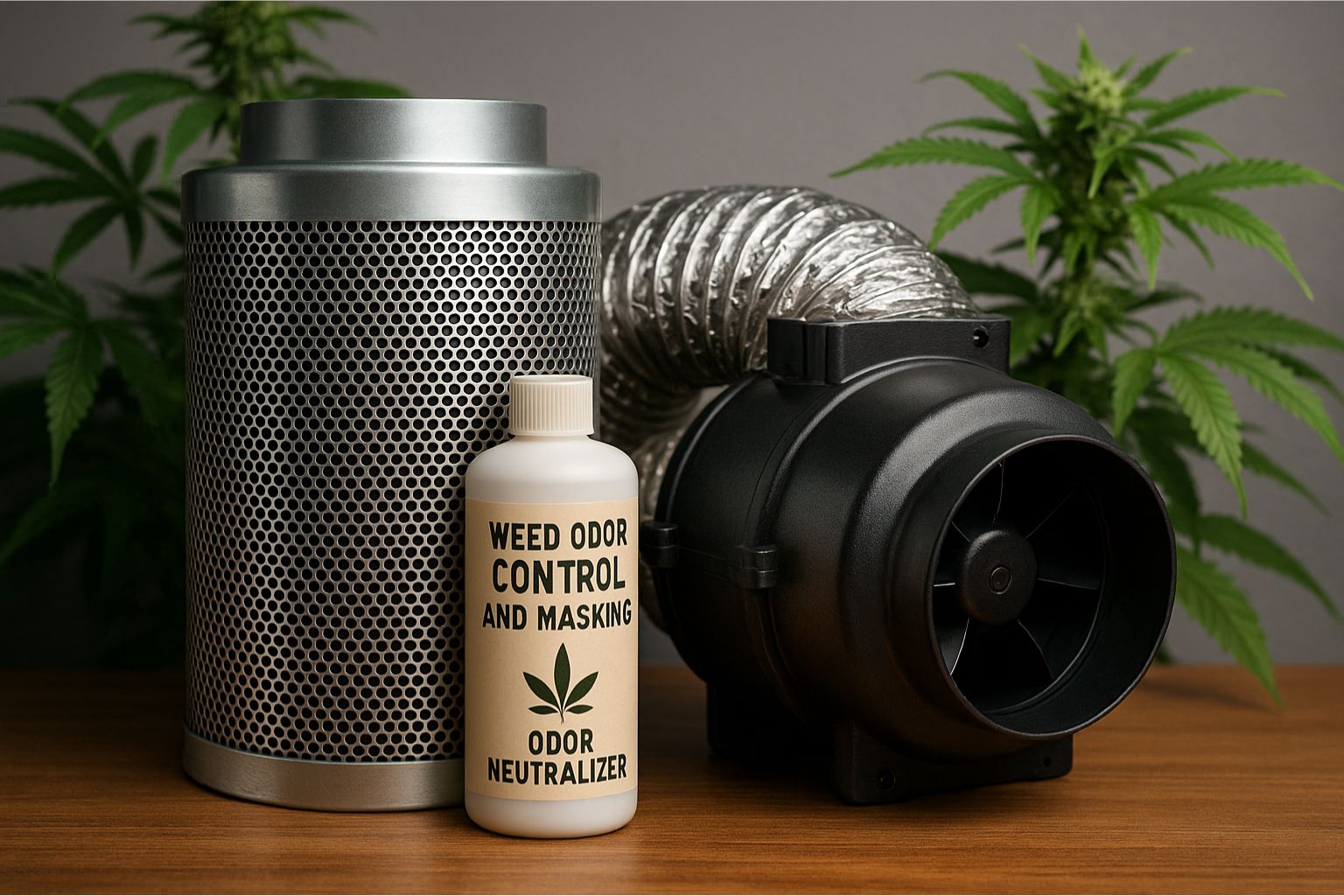
Why Weed Odor Control Became Non-Optional For Me
When I ran my first tent, I underestimated smell badly. I thought a cracked window and a small fan would be enough for weed odor control. By week six of flower, the entire hallway smelled like a dispensary. A friend came over, took one breath, and said, “You are growing again, aren’t you?”
That was the moment I realized weed odor control and masking are not side topics. They are part of responsible growing. Neighbors, roommates, visitors, and even your own nose all have limits. Good cannabis smell reduction keeps you on better terms with everyone and lets you enjoy your marijuana without worrying about who can smell it from the driveway.
In this article I will walk through how I handle weed odor control now: how I design indoor weed ventilation, choose equipment like a grow room carbon filter, use cannabis air filtration, pick low odor cannabis strains, and when I rely on a weed odor neutralizer or other masking tricks to back up the main system.
What Causes Smell: Terpenes And Cannabis Aroma
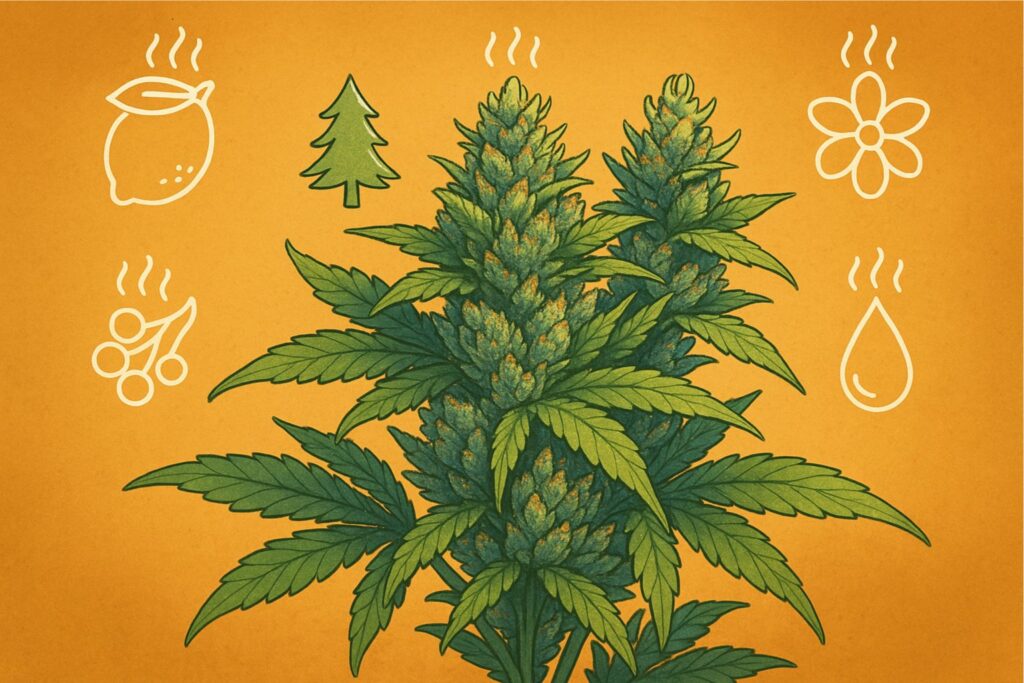
Before you can tackle weed odor control, it helps to understand what you are actually fighting. The smell of marijuana comes from volatile compounds, mainly terpenes and cannabis aroma molecules that evaporate into the air.
Different strains produce different terpenes and cannabis aroma profiles:
- Citrus, fuel, and skunk terpenes that punch you in the face
- Softer herb, pine, and floral terpenes and cannabis aroma
- Funky, cheese-like terpenes that cling to fabric
The more resin your plants produce, the stronger the smell. That is great for quality but rough on weed odor control. During late flower and drying, terpenes and cannabis aroma are at their peak, so this is when cannabis smell reduction matters most.
The goal is not to kill terpenes and cannabis aroma at the source. You grew those on purpose. The goal is to keep them inside your system and deal with them before they drift through vents, doors, and windows.
Planning For Weed Odor Control Before You Pop Seeds
I learned the hard way that you do not bolt weed odor control on at the end. You design it into the grow from day one.
Questions I ask myself before I start a run:
- Where is the grow located relative to neighbors and shared spaces?
- How can I run indoor weed ventilation so air always passes through a grow room carbon filter before leaving?
- Do I have enough cannabis air filtration capacity for full bloom, not just veg?
If I am setting up a tent in a spare room, I plan a simple, discreet cannabis growing airflow path:
- Fresh air in through a passive vent or intake fan
- Air pulled up through the canopy with an inline fan
- Exhaust air pushed through a grow room carbon filter
- Cleaned air released into another room or out a vent
When I plan this way, cannabis smell reduction becomes predictable. I am not scrambling for a weed odor neutralizer at week seven because the house suddenly reeks of weed.
Core Hardware: Fans, Ducting, And A Grow Room Carbon Filter
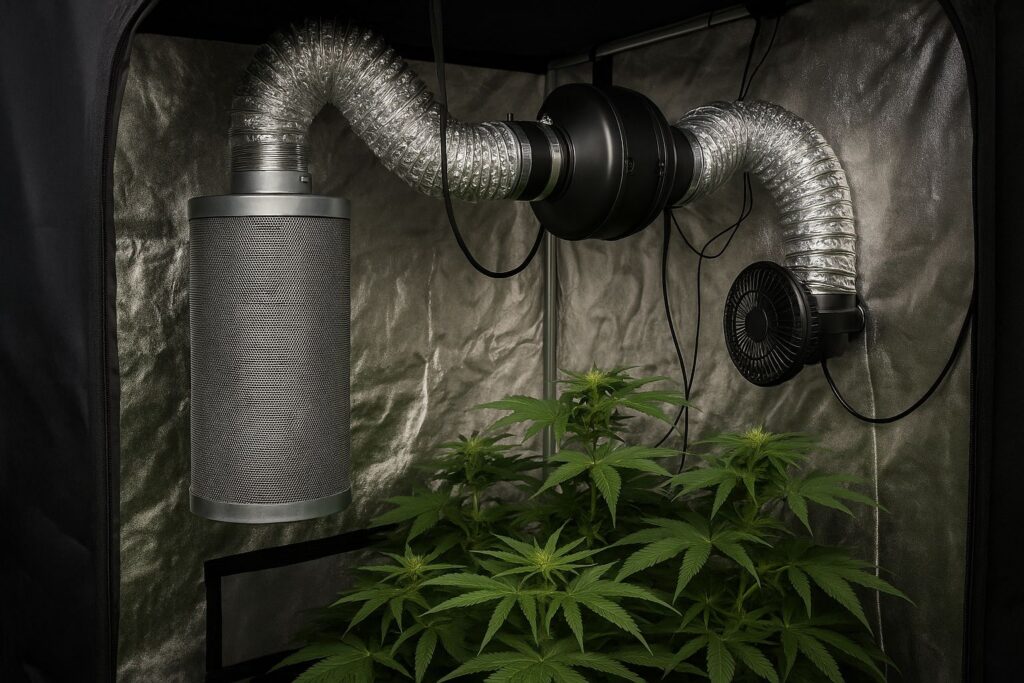
The heart of my weed odor control system is a properly sized grow room carbon filter paired with a decent inline fan. Everything else, including any weed odor neutralizer, is just backup.
What I look for in a grow room carbon filter:
- Rated airflow equal to or slightly higher than my fan
- Enough physical size (length and diameter) to give air time to contact carbon
- Quality carbon that does not burn out in one cycle
I mount the grow room carbon filter inside the tent or room, connect it to the inline fan, and then duct the air out. This setup lets the fan pull smelly air through the filter first, so cannabis smell reduction happens right at the source.
Some people push through the filter instead of pulling. I have had better results pulling, because it keeps the filter under slight negative pressure and reduces leaks.
If I am running a bigger setup, I add extra cannabis air filtration in the lung room outside the tent. That can be a standalone HEPA and carbon unit. It is not a replacement for a grow room carbon filter, but it helps clean any stray terpenes and cannabis aroma that escape during work sessions.
Indoor Weed Ventilation: Negative Pressure Is Your Friend
The phrase indoor weed ventilation sounds technical, but for me it boils down to one simple rule: air should always move in a controlled direction, from clean to dirty to filtered.
My indoor weed ventilation checklist:
- Exhaust fan slightly stronger than any intake
- Tent walls gently sucking inward (sign of negative pressure)
- All exhaust routed through a grow room carbon filter
Negative pressure is the backbone of weed odor control. When the room or tent is under negative pressure, any leaks suck air in instead of pushing smelly air out. That alone makes a huge difference in cannabis smell reduction.
Good indoor weed ventilation also keeps temperatures and humidity in check, which prevents other problems like mold. When heat builds up, fans may run at full blast, and if your grow room carbon filter is undersized, marijuana odor control can fail right when you need it most.
If I hear my fan working hard and still smell marijuana, I check:
- Are there loose duct connections?
- Is the grow room carbon filter clogged or old?
- Have I accidentally created a bypass where air exits without filtration?
Indoor weed ventilation and weed odor control go hand in hand. Good airflow without good filtration still leaks smell. Good filtration without proper airflow does not move enough air to keep up.
Cannabis Air Filtration Beyond The Tent
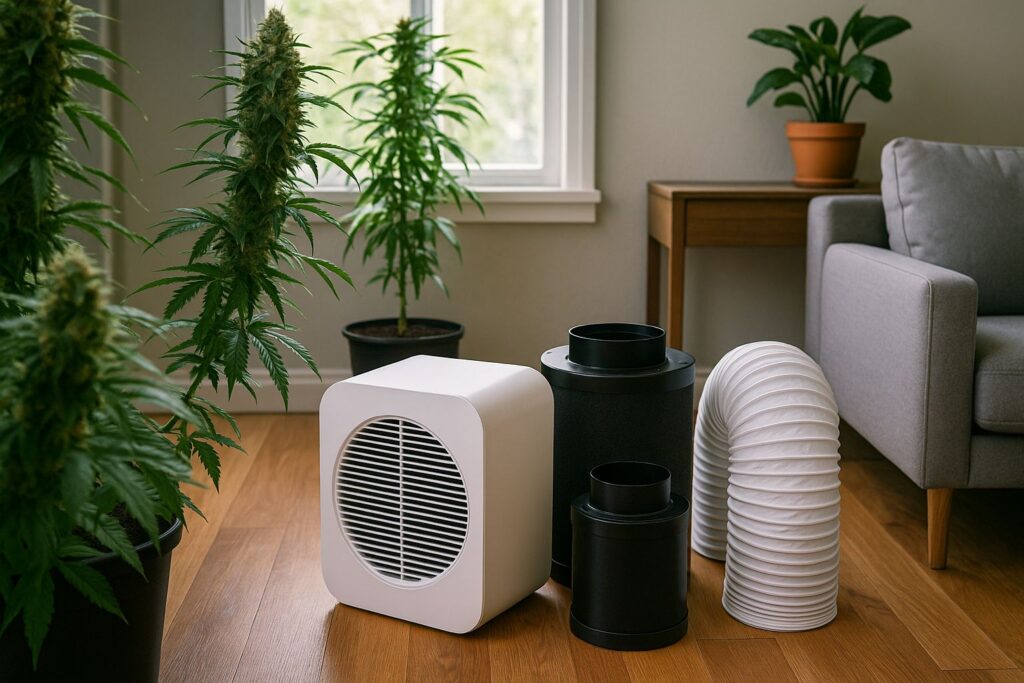
Inside the grow, the grow room carbon filter does most of the work. Outside the grow, I use extra cannabis air filtration to keep the rest of the space neutral.
Examples of cannabis air filtration I actually use:
- Portable HEPA and carbon units in nearby hallways
- A small, carbon-backed vent at the exit point of the ducting
- Simple furnace filters upgraded with carbon pads in the home’s HVAC, where allowed
This layered cannabis air filtration approach helps in two ways:
- It catches terpenes and cannabis aroma that slip past the main filter when I open the tent.
- It improves overall marijuana odor control in the living space, especially during drying.
Even with all that, I keep my nose trained. If I smell weed at the front door, I assume something in my cannabis air filtration chain is failing and I go hunting for gaps.
Masking Versus True Control: Weed Odor Neutralizer And Cover Scents
There is a big difference between real weed odor control and just covering smell up. A weed odor neutralizer can help, but it cannot replace proper filtration and indoor weed ventilation.
Here is how I treat masking products:
- I only use a weed odor neutralizer outside the grow space, never inside the tent or directly on plants.
- I prefer neutral gels or sprays designed to break down odors instead of heavy perfumes.
- I combine a weed odor neutralizer with cannabis smell reduction at the source, not instead of it.
I avoid anything that blows scented mist directly into the grow. Terpenes and cannabis aroma are delicate, and strong perfumes can contaminate buds. The job of a weed odor neutralizer is to clean up whatever tiny bit of marijuana smell remains after proper marijuana odor control, not to fight the entire grow’s exhaust by itself.
Sometimes I also burn incense or cook a fragrant meal if I know the tent will be open for a while. That is casual masking, not true weed odor control, but layered with good cannabis air filtration it does help.
Marijuana Odor Control In Drying And Curing
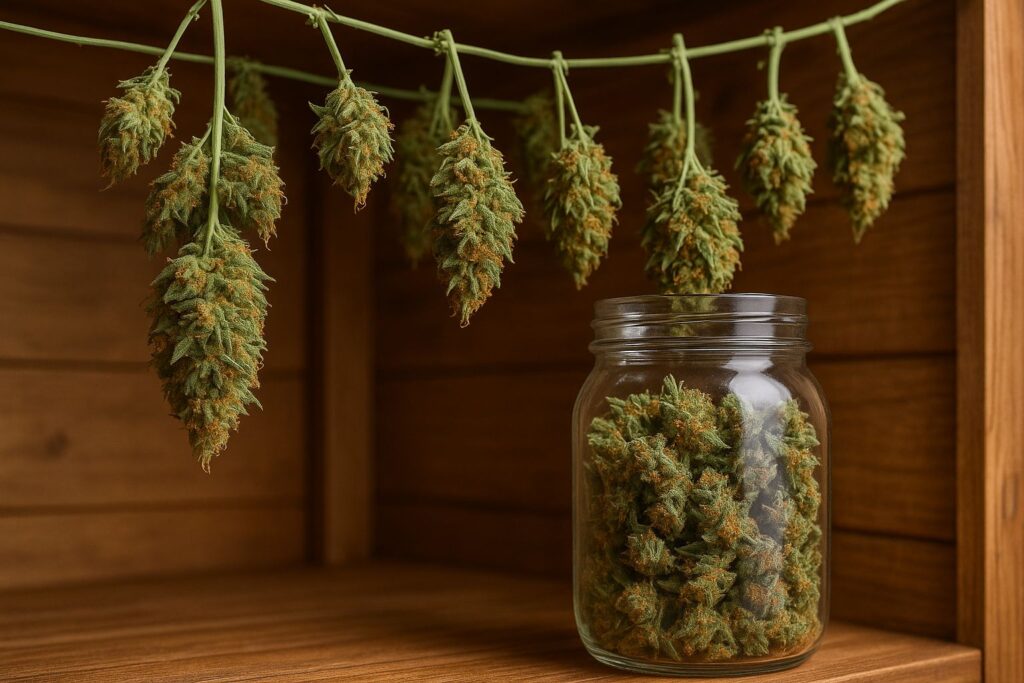
Drying and curing are where many growers lose the weed odor control game. You cut down the whole plant, hang it in a small room, and suddenly terpenes and cannabis aroma go from “contained in buds” to “everywhere.”
For marijuana odor control during dry:
- I dry in a small tent or room with its own grow room carbon filter
- I maintain indoor weed ventilation with negative pressure just like in flower
- I avoid drying in open spaces connected directly to shared areas
Marijuana odor control during curing is easier, as long as jars stay sealed. When I burp jars, I do it near a cannabis air filtration unit or under a kitchen range hood with a good filter. That way any terpenes and cannabis aroma released during burping get grabbed quickly.
If you ignore marijuana odor control during drying, no amount of weed odor neutralizer in the rest of the house will save you. Planning a filtered dry setup is just as important as the flower room itself.
Strain Choice: Low Odor Cannabis Strains As A First Line Of Defense
Hardware is only half the story. The other half is genetics. If you are trying to do discreet cannabis growing in a small apartment, picking low odor cannabis strains is one of the best decisions you can make up front.
Things I look for when choosing low odor cannabis strains:
- Breeder notes that explicitly say “low odor” or “stealth friendly”
- Reviews that mention mild terpenes and cannabis aroma in flower
- Crosses that lean more toward subtle herbal or earthy profiles, not pure skunk
Low odor cannabis strains still need proper weed odor control and cannabis smell reduction, but they give you more headroom. A small grow room carbon filter can manage them more easily, and cannabis air filtration in adjacent rooms does not have to work as hard.
For discreet cannabis growing, I often pair low odor cannabis strains with compact tents, quiet inline fans, and a cautious schedule for opening the grow. The goal is that nobody outside the immediate room should be able to tell when the tent zips open.
Discreet Cannabis Growing: Behavior Matters As Much As Gear
Discreet cannabis growing is not just equipment. It is also how you behave around the grow and what habits you build.
My own discreet cannabis growing habits:
- Work on plants during times when normal household noise is expected
- Avoid leaving the tent open longer than necessary
- Keep all nutrients, tools, and harvested weed stored out of sight and sealed
- Combine weed odor control with general cleanliness to avoid that constant “grow room” smell
If I am serious about discreet cannabis growing, I avoid letting smoked weed odors stack up in the same house. That is where smoking weed without smell strategies come in.
Smoking Weed Without Smell: Consumption Matters Too
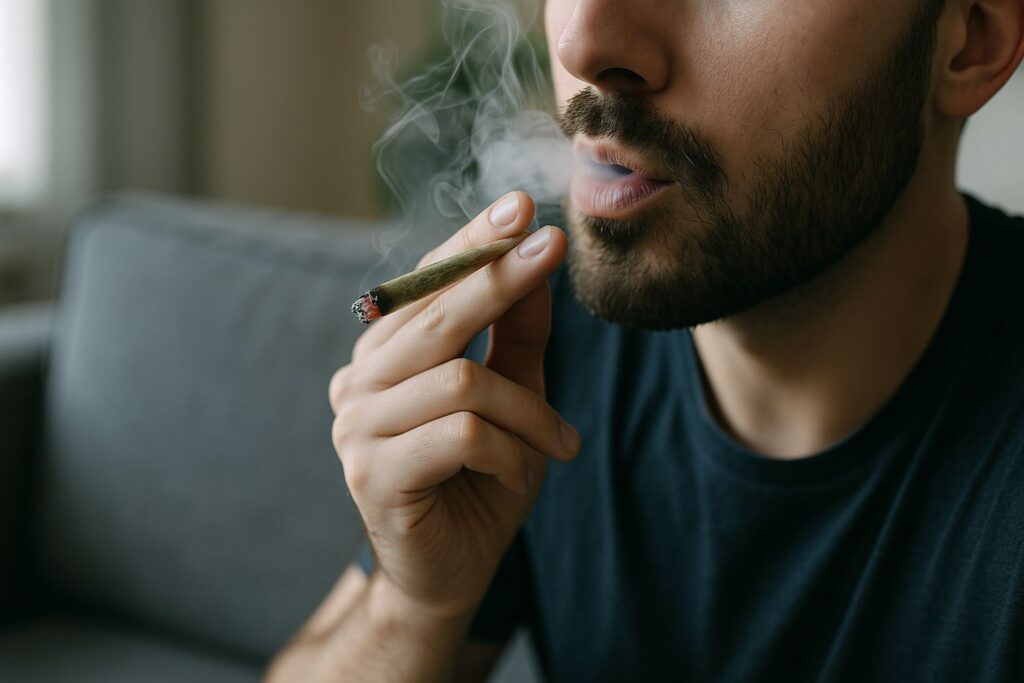
Even if your grow is dialed, a single joint can undo hours of marijuana odor control. Smoking weed without smell is more about reducing lingering smoke than eliminating it totally.
Some realistic smoking weed without smell approaches I use:
- Prefer vaporizers indoors over joints and blunts
- Smoke near an open window with a fan pulling air outward
- Use a simple filter tube or “sploof” to exhale through, as long as it is kept clean
- Change clothes or wash hands if I have been hotboxing a small space
Smoking weed without smell is never perfect, but combined with general cannabis smell reduction, you can keep the overall odor footprint low. Where possible, I keep smoking outdoors and reserve indoor weed for vaporizers and edibles.
One big misconception is that good weed odor control in the grow will hide heavy indoor smoking. It will not. Growing and consuming are separate smell sources and need their own approaches.
Putting It All Together: A Practical Odor Control Setup
To make this concrete, here is how I would design weed odor control for a modest 2×4 or 3×3 tent:
- Low odor cannabis strains from feminized seeds for predictable growth
- A properly sized grow room carbon filter and inline fan set to maintain negative pressure
- Solid indoor weed ventilation with ducting routed to a discreet exhaust point
- A small cannabis air filtration unit running in the hallway outside the grow room
- Occasional use of a weed odor neutralizer gel near the front door as a last line of defense
- Careful marijuana odor control during drying in the same tent or a second filtered tent
This combination gives me robust weed odor control, extra cannabis smell reduction in living spaces, and backup masking, while staying within the realistic budget of a home grower.
FAQ: Weed Odor Control And Masking
What is the single most important piece of gear for weed odor control?
If I had to pick one, it would be a good grow room carbon filter matched to a decent exhaust fan. Without that, marijuana odor control is nearly impossible once terpenes and cannabis aroma peak in flower. Everything else, like a weed odor neutralizer or hallway cannabis air filtration, is secondary.
Are low odor cannabis strains enough by themselves for discreet cannabis growing?
Low odor cannabis strains help a lot, but they are not enough by themselves. You still need indoor weed ventilation, negative pressure, and filtration. Think of low odor cannabis strains as reducing the workload on your equipment, not replacing the need for weed odor control gear.
Can I rely only on sprays and gels instead of filters?
I do not recommend it. A weed odor neutralizer spray or gel can help around doors and common areas, but it cannot handle the constant output from a flowering room. Mechanical cannabis smell reduction with fans, filters, and proper cannabis air filtration is what does the heavy lifting. Masking products are for polishing the edges, not carrying the whole load.
Weed odor control and masking are part of being a thoughtful grower. With the right mix of a solid grow room carbon filter, smart indoor weed ventilation, layered cannabis air filtration, mindful choice of low odor cannabis strains, and occasional use of a weed odor neutralizer, you can run a healthy garden, dry your buds, and enjoy smoking weed without smell taking over your entire space.
