Table of Contents
Weed movies
Overview of Weed Movies: Genre and Influence
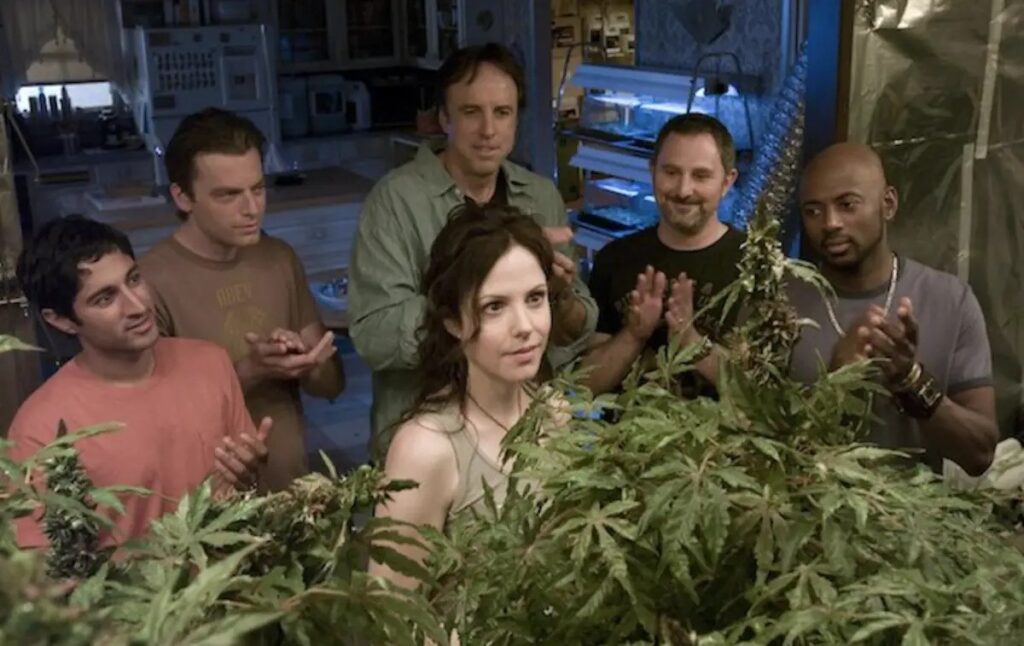
Weed movies, often classified under the broader category of stoner films, focus on cannabis use as a central element of the storyline. These films typically weave humor into scenarios revolving around marijuana, exploring its cultural, social, and legal implications. Over time, weed movies have not only entertained audiences but also significantly influenced public perceptions and societal attitudes toward cannabis. This document provides an in-depth look at the weed movie genre, detailing its defining features, historical development, and its broader impact on cinema and society.
Defining Features of Weed Movies
Weed movies are predominantly comedies where the use of cannabis propels the narrative or significantly influences character dynamics. The plots usually unfold around a series of comical and often absurd events triggered by the characters’ interactions with cannabis. Essential characteristics include:
- Humorous Dynamics: The comedy often stems from the characters’ cannabis-induced escapades or their humorous misadventures.
- Stereotypical Characters: These films frequently feature iconic stoner characters whose relaxed lifestyles and philosophies offer a stark contrast to societal norms.
- Cultural Critique: Beyond their comedic overlay, weed movies commonly engage in social and legal commentary, critiquing the stigma and regulations associated with marijuana.
Evolution of the Genre
The genre has seen considerable evolution from its origins. In the 1970s and 1980s, foundational films like Cheech & Chong’s Up in Smoke introduced audiences to a comedic take on cannabis culture. By the 1990s and 2000s, the genre gained mainstream traction with movies like Friday and Pineapple Express, which broadened the narrative scope and presented more complex portrayals of cannabis users.
Influence on Cinema and Cultural Perceptions
Weed movies have significantly shaped the film industry and societal views on cannabis. In cinema, they have established a niche that mirrors the growing societal acceptance of marijuana, influencing storytelling and character development across various genres. These films have played a crucial role in normalizing cannabis, presenting its consumption in humorous, everyday contexts that challenge prohibitive regulations. Additionally, they have stimulated conversations about drug policies and marijuana legalization, often reflecting and even advancing changes in public attitudes and laws.
Conclusion
Weed movies represent a distinctive film genre that merges comedy with poignant social commentary, shedding light on various aspects of marijuana use and its cultural ramifications. Through their satirical and often insightful narratives, these films have prompted a wider discussion on cannabis, impacting both public perception and the legislative framework surrounding its use. As cultural and legal perspectives on cannabis continue to evolve, the role of weed movies in reflecting and influencing societal norms remains significant.
Classic Weed Movies: Pioneers of the Genre
Weed movies, a distinctive subgenre of comedy centered around cannabis use, have significantly influenced cinematic landscapes and societal perceptions of marijuana. These pioneering films not only entertain but also offer profound commentary on social norms, legal issues, and cultural attitudes towards cannabis. This document examines seminal weed movies that have been instrumental in defining and popularizing the genre, underscoring their cultural impact and enduring legacy.
Cheech & Chong’s Up in Smoke (1978)
Cheech & Chong’s Up in Smoke, released in 1978, is widely regarded as the quintessential stoner film, setting the template for the genre. Featuring Cheech Marin and Tommy Chong, the movie follows the comedic misadventures of two stoners in search of premium marijuana, inadvertently stumbling into absurd situations. The film not only captured the humorous essence of cannabis culture but also offered a critique of the prevailing societal and legal attitudes towards marijuana users, establishing it as a cult classic and a pioneering work in stoner cinema.
Dazed and Confused (1993)
While not solely focused on cannabis, Dazed and Confused is a pivotal portrayal of 1970s teenage life and rebellion, with marijuana use prominent in the backdrop. Directed by Richard Linklater, this film chronicles the adventures of Texas teens on the last day of high school, capturing the era’s laid-back approach to cannabis. Its portrayal of marijuana as a part of everyday teenage life played a role in normalizing cannabis in popular culture.
Friday (1995)
Directed by F. Gary Gray and penned by Ice Cube and DJ Pooh, Friday is a notable entry in the genre that explores a day in the life of two friends, Craig and Smokey, in South Central Los Angeles. The film delves into themes such as unemployment, friendship, and neighborhood life, with cannabis use central to the plot and humor. Unlike earlier films, Friday integrates cannabis use within the broader socio-economic context of its characters, offering both comedic and critical perspectives on urban living.
Half Baked (1998)
Starring comedian Dave Chappelle, Half Baked follows the hilarious efforts of three friends trying to bail another friend out of jail by selling marijuana stolen from a government lab. Celebrated for its comedic portrayal of the extremes people will go to for cannabis, the film also mocks the absurdity of marijuana criminalization. It remains a favorite among cannabis enthusiasts for its sharp humor and memorable characters.
Conclusion
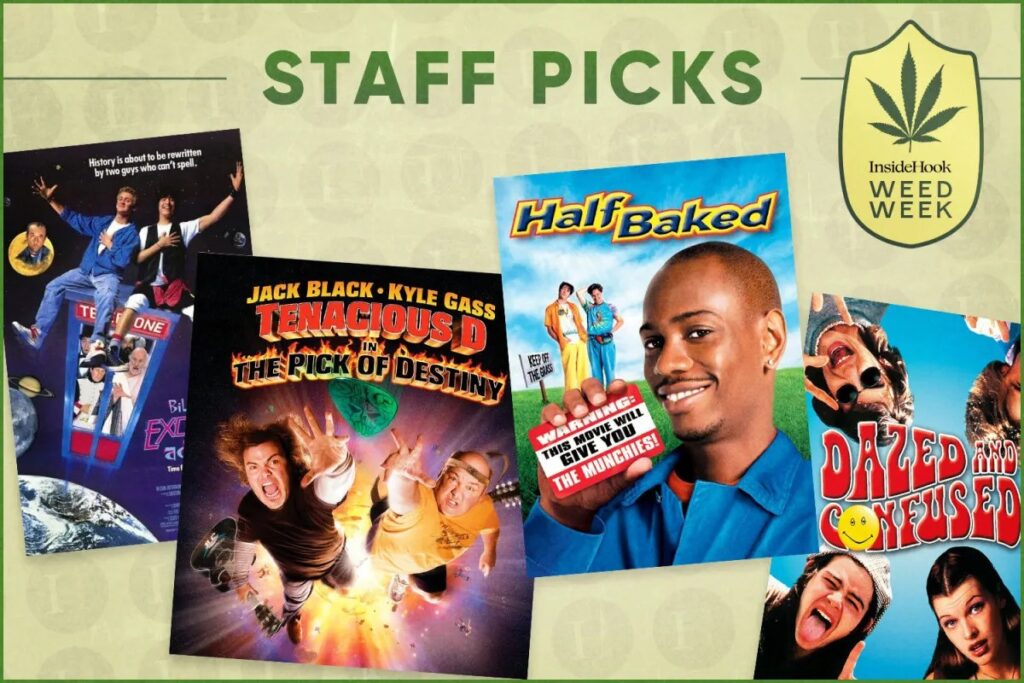
These foundational weed movies have not only carved out a niche in cinema but have also influenced cultural and societal views on cannabis. Through their humor and satirical narratives, they have challenged and shaped public perceptions, contributed to the destigmatization of marijuana, and impacted discussions on cannabis legislation and reform. As trailblazers of the genre, these films maintain a significant place in film history, continuing to engage audiences and inspire new generations of filmmakers within and beyond the stoner comedy genre.
Key Themes and Messages in Weed Movies
Weed movies, a distinct subgenre of comedy centered on cannabis use, delve into more than just humorous escapades; they reflect and challenge societal norms, offer critiques of cannabis laws, and explore the dynamics of community and stigma. This genre not only entertains but also serves as a medium for social commentary, influencing perceptions and sparking dialogue on various issues surrounding marijuana. This document explores the dominant themes and messages in weed movies, highlighting their cultural significance and impact on societal views.
Prominent Themes in Weed Movies
- Critique of Cannabis Legislation:
- Weed movies often critique the disproportionality of cannabis laws through humor and satire. Movies such as Cheech & Chong’s Up in Smoke and Pineapple Express underscore the irrationality and severity of marijuana prohibitions. These films scrutinize the reasoning behind such regulations and portray the repercussions that users endure.
- Challenging Stereotypes:
- A common theme across weed movies is the challenge to the stereotypical portrayal of cannabis users as lazy and unproductive. These films frequently showcase characters who are clever and dynamic, offering a counter-narrative that combats stigma and promotes a more balanced view of marijuana enthusiasts.
- Community and Relationships:
- Many weed movies center around the theme of camaraderie that emerges from shared cannabis experiences. Movies like Harold & Kumar Go to White Castle and Half Baked underscore themes of friendship, loyalty, and the communal ties that develop, implying that cannabis may enhance social bonds and foster a sense of unity.
- Escapism Versus Engagement:
- The genre also explores cannabis use as a means of escapism from societal pressures and personal troubles. This theme is presented with complexity, showing both the positive relief it provides and the potential for avoidance behavior that might hinder personal responsibility and growth.
Underlying Messages in Weed Movies
- Advocacy for Policy Change:
- Implicitly and sometimes explicitly, weed movies advocate for changes to cannabis legislation. By juxtaposing the innocuous or positive effects of marijuana against the backdrop of severe legal repercussions, these films encourage audiences to rethink their stance on cannabis legalization.
- Normalization of Cannabis:
- By integrating cannabis use into the daily lives of relatable characters, weed movies help normalize this behavior, reducing societal and cultural barriers and promoting broader acceptance of marijuana.
- Social Norm Critique:
- Weed movies often extend their critique beyond cannabis issues to broader societal norms such as consumerism, notions of success, and the nature of genuine relationships. The contrast between the contented, laid-back protagonists and their more conventional, materialistic counterparts invites viewers to reflect on what truly constitutes a fulfilling life.
Conclusion
Weed movies serve as more than mere entertainment; they are a cultural commentary that challenges, reflects, and influences societal attitudes toward cannabis. Through their thematic explorations and conveyed messages, these films engage viewers in reconsidering social norms, cannabis laws, and the broader implications of marijuana use. As cultural and legal perspectives evolve, the relevance of these themes and messages continues to resonate, shaping and reflecting public discourse and policy discussions.
The Evolution of Weed Movies Over the Decades
This paper explores the transformation of cannabis representation in movies through various periods, beginning with its earliest portrayals in the 20th century up to its modern depictions in current films. This examination not only follows the changes in how cannabis is shown in cinema but also places these transformations within wider societal, legal, and cultural shifts.
Early Representations: 1930s-1950s
In the 1930s, films like Reefer Madness (1936) portrayed cannabis as a source of moral collapse and societal disorder. Initially created under the title Tell Your Children, this film was designed as a warning about the risks of marijuana consumption, depicting it as causing insanity, moral collapse, and aggressive behavior. Such portrayals reflected the dominant views on cannabis, heavily influenced by the Marihuana Tax Act of 1937, which criminalized the substance.
Shifts During the Counterculture Movement: 1960s-1970s
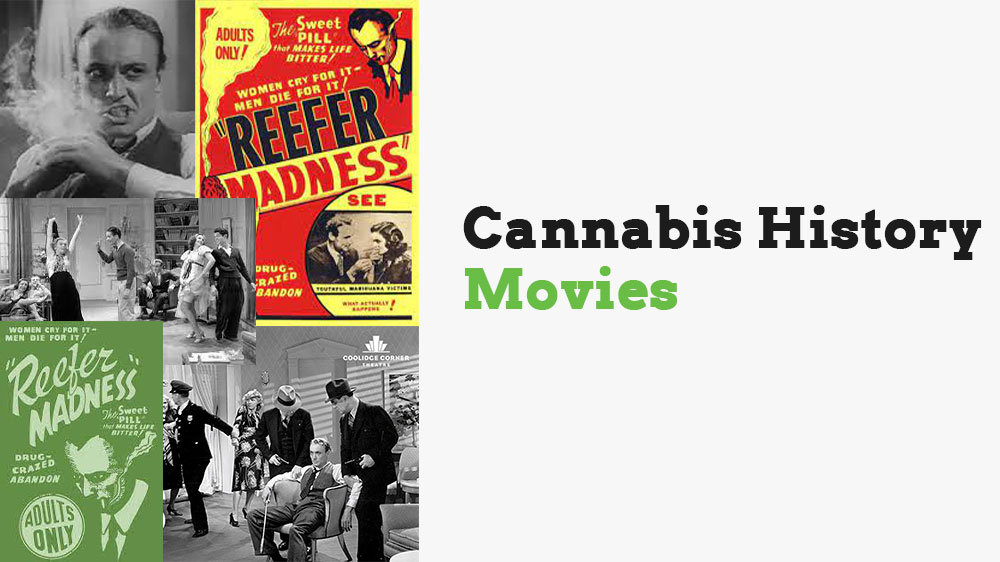
The 1960s and 1970s witnessed a pivotal change with the advent of the counterculture movement, where cannabis was seen as a symbol of resistance against mainstream norms. Films such as Easy Rider (1969) depicted marijuana in a more neutral or positive light, associating it with freedom and the rejection of conservative values. This period also saw the rise of stoner comedies, which depicted marijuana use in a humorous way, showcasing laid-back, likable characters who defied conventional societal expectations.
Broader Acceptance and the Rise of Comedy: 1980s-2000s
From the 1980s onward, cannabis began to feature more heavily in the comedy genre. Films such as Cheech & Chong’s Up in Smoke (1978) and Half Baked (1998) played a pivotal role in shaping stoner comedy, a subgenre that emphasizes the humorous dimensions of cannabis use over its legal or moral consequences.
Contemporary Views and Expanding Narratives: 2010s-Present
The portrayal of cannabis in recent decades reflects a greater normalization of its use, aligning with global trends toward its legalization and decriminalization. Modern films and TV shows now often depict cannabis use across a wider range of demographics, including varied socioeconomic, age, and lifestyle groups. This period also features an increase in documentaries and dramas that delve into the complexities of cannabis, such as medical uses, the effects of legalization, and its economic implications.
Conclusion
The depiction of cannabis in cinema has evolved significantly, mirroring changes in societal attitudes and policies towards the substance. From its early negative portrayals to its modern-day depiction as a benign and often humorous part of life, film representations of cannabis both reflect and influence public opinions and laws regarding the drug. As societal views continue to shift, the portrayal of cannabis in cinema is likely to evolve further, offering rich material for ongoing academic exploration.
Notable Directors and Actors in Weed Movies
The genre of cannabis-themed films, often revolving around the portrayal of marijuana and its associated culture, has been shaped by a group of notable directors and actors. These creatives have not only defined this niche but also brought it into mainstream recognition through their influential works. This discussion highlights the pivotal roles these individuals have played in the evolution of cannabis cinema.
Influential Directors
- Cheech Marin and Tommy Chong: As early trailblazers in the genre, Cheech Marin and Tommy Chong are quintessential figures in cannabis cinema. Their film Up in Smoke (1978) marked a groundbreaking moment for stoner comedies, establishing a framework for the genre and leading to several sequels that underscored their influence in cinematic history as prominent figures of cannabis culture.
- Kevin Smith: Kevin Smith has significantly impacted cannabis cinema with his distinct storytelling, notably through the characters Jay and Silent Bob. Films such as Clerks (1994) and Jay and Silent Bob Strike Back (2001) mix humor with social commentary, reflecting shifting societal views on marijuana.
Esteemed Actors
- Seth Rogen: A leading figure in contemporary stoner comedies, Seth Rogen has played a major role in defining this genre in modern cinema. His performances in Pineapple Express (2008) and This is the End (2013) have influenced both the style and cultural perception of cannabis films, making him a central figure in its portrayal on screen.
- James Franco: Frequently collaborating with Seth Rogen, James Franco has been integral in popularizing stoner comedies. His performance in Pineapple Express combines humor with action, showcasing cannabis-themed films as a viable mainstream genre.
- Dave Chappelle: Celebrated for his comedic prowess, Dave Chappelle’s role in Half Baked (1998) has left a lasting mark on the genre. The film provides a comedic exploration of marijuana culture, with Chappelle’s portrayal capturing the humor and societal contradictions associated with cannabis during the 1990s.
Conclusion
The directors and actors discussed here have played essential roles in the development and acceptance of cannabis cinema. Their contributions have not only entertained audiences but also played a significant role in altering societal views on marijuana. Through their creative endeavors, these individuals have explored and influenced the complex relationship between cannabis and cultural narratives, ensuring their lasting impact on film history. As the genre continues to develop, the legacy of these trailblazers will remain influential.
Cultural Impact of Weed Movies on Society
Marijuana films occupy a distinctive niche in the film industry, focusing on themes related to cannabis use and culture. This analysis aims to highlight the deep cultural impact these films have on society, examining their role in shaping social perceptions, influencing discourse, and contributing to legislative and cultural shifts regarding cannabis. Through an exploration of the interplay between marijuana films and societal norms, this paper discusses the complex ways these films reflect and instigate change in public attitudes towards marijuana.
Reflecting Social Perceptions
Historically, marijuana films have mirrored the societal attitudes towards cannabis, acting as cinematic indicators of public sentiment and policy. Early representations, such as in Reefer Madness (1936), portrayed marijuana negatively, reinforcing the stigma and fear surrounding its use at the time. As social perspectives shifted, the portrayal in films also evolved. By the late 20th and early 21st centuries, movies like Half Baked (1998) and Pineapple Express (2008) began depicting marijuana use in a more humorous and accepting manner, signaling a shift in societal views towards a more lenient stance on cannabis.
Shaping Social Discourse
Marijuana-themed films have significantly influenced the discourse surrounding cannabis, often challenging existing norms and advocating for reconsideration of its legal and ethical status. These films have contributed to destigmatizing marijuana by normalizing its use through relatable characters and situations. They have also highlighted issues of injustice related to marijuana criminalization, motivating public and political momentum towards reforming cannabis laws.
Driving Legal and Cultural Changes
Beyond entertainment, marijuana films have contributed to real-world legal and cultural changes concerning cannabis. The portrayal of marijuana in popular media has paralleled and possibly accelerated legislative advancements, such as decriminalization and legalization, in various regions. The evolution in the content and tone of these films reflects and facilitates these legal shifts.
Promoting Cultural Diversity
Additionally, marijuana films enhance cultural diversity by presenting a variety of narratives from different socioeconomic, racial, and gender perspectives. This inclusivity not only broadens the films’ appeal but also deepens societal understanding of diverse viewpoints on cannabis use. By challenging prevailing stereotypes, these films encourage audiences to rethink their assumptions about marijuana users.
Conclusion
In summary, marijuana films have profoundly influenced how society views cannabis. By reflecting and shaping public attitudes, these films have played a crucial role in the discourse on cannabis, impacting cultural and legal landscapes. Marijuana films not only entertain but also educate, challenge, and prompt societal change, highlighting the significant influence of cinema in shaping and mirroring cultural norms. As societal attitudes continue to evolve, the impact of marijuana films as cultural influencers is expected to grow, further influencing social norms and legislative frameworks related to cannabis.
Analyzing the Humor and Satire in Weed Movies
This academic paper explores the use of humor and satire within marijuana-themed films, examining how these cinematic works utilize comedic elements to entertain and critique societal norms surrounding cannabis use. This analysis aims to explore how humor and satire serve not merely as entertainment but as potent tools for social commentary, frequently challenging prevailing attitudes and regulations associated with marijuana.
Comedic Techniques in Marijuana Cinema
Humor in marijuana films typically emerges from the exaggerated and absurd predicaments that characters encounter due to their marijuana consumption. These comedic instances often involve elaborate misadventures, miscommunications, and the eccentric behaviors of characters under the influence of cannabis. The range of humor varies from subtle jokes to broad slapstick, appealing to a wide audience. Classic examples include Cheech & Chong’s Up in Smoke (1978) and Pineapple Express (2008), which use these humorous scenarios to play on and critique the stereotypes associated with cannabis users.
The Role of Satire
Satire in marijuana films is multifaceted, serving to critique both societal attitudes and legal approaches to marijuana. By amplifying the consequences of marijuana use or the actions of law enforcement, these films underscore the often exaggerated societal reactions to cannabis. Moreover, satire is used to challenge the cultural stigmas attached to marijuana users. Films like The Big Lebowski (1998) and Half Baked (1998) employ satire to point out and mock the irrational fears society holds about cannabis, often portraying their marijuana-using protagonists as benign and even relatable compared to their more hypocritical or extreme adversaries.
Comedy as Cultural and Political Commentary
The use of humor and satire in marijuana films often transcends mere entertainment, contributing to broader discussions on cultural and political matters. By presenting cannabis use in a humorous light, these films subtly advocate for changes in marijuana regulations and societal norms. They prompt audiences to rethink their preconceptions about marijuana and its users, with humor serving as a means to soften attitudes and open minds to alternative viewpoints.
Conclusion
In sum, humor and satire are pivotal to the allure and influence of marijuana cinema. These films do more than entertain; they offer incisive critiques of the laws and social attitudes surrounding cannabis. Through adept and often incisive humor, marijuana films encourage reflection on wider societal issues, establishing themselves as significant sources of both entertainment and cultural commentary. As societal and legal attitudes toward cannabis evolve, the role of humor and satire in these films continues to be crucial in shaping public discourse and perceptions of marijuana use.
Weed Movies and Their Representation of Cannabis Culture
This academic paper examines the depiction of cannabis culture in weed movies, focusing on how these films present the societal, legal, and personal dimensions of cannabis use. As a distinct genre within cinema, weed movies provide a nuanced portrayal of cannabis culture, offering insights into both the evolution of societal attitudes and the reflections of these changes in film.
Cinematic Evolution and Historical Context
Cannabis representations in film have significantly transformed from early alarmist portrayals to more nuanced comedic depictions. Early films like Reefer Madness (1936) depicted cannabis as a perilous substance causing moral degradation and madness. In contrast, contemporary stoner comedies such as Cheech & Chong’s Up in Smoke (1978) and Pineapple Express (2008) showcase a more humorous and relaxed approach, reflecting a shift in societal views and laws regarding cannabis.
Themes and Narrative Devices in Cannabis Cinema
Weed movies often explore themes of defiance against societal norms, using cannabis as a symbol of rebellion and a critique of mainstream values. These films frequently portray their characters in a manner that challenges negative stereotypes, portraying cannabis users with traits of camaraderie, humor, and relaxation. This helps to humanize them and normalize cannabis use, contributing to the gradual destigmatization of the drug.
Impact on Society and Cultural Reflection
Weed movies have significantly influenced public attitudes towards cannabis, aiding in its destigmatization by portraying users in a sympathetic or comedic light. These films prompt audiences to rethink traditional legal and moral stances on cannabis use and highlight the often disproportionate legal actions against marijuana users, promoting a reconsideration of drug policies.
Cultural Critique and Satirical Elements
Weed movies also use satire to critique societal norms and the legal system surrounding cannabis laws. Films like The Big Lebowski (1998) and Half Baked (1998) employ humor and irony to expose and critique the inconsistencies and hypocrisies within the legal system regarding cannabis. Through these portrayals, weed movies not only entertain but also serve as platforms for subtle social and political commentary, challenging the justification for cannabis prohibition and exploring its societal consequences.
Conclusion
In summary, weed movies provide a unique lens through which to view cannabis culture, reflecting and influencing public perceptions of marijuana. These films have been instrumental in shifting cannabis from a stigmatized and illegal status to one of increasing acceptance in mainstream society. As cultural documents, weed movies continue to shape public dialogue, promote the normalization of cannabis, and stimulate discussions on broader societal and legal changes.
The Future of Weed Movies in Film and Media
This essay forecasts the future direction of cannabis-themed films within the wider context of the film and media industries. As societal norms and legal stances on marijuana undergo significant transformations, the portrayal of cannabis in cinema is poised to evolve correspondingly. This analysis explores the expected developments in the genre of weed movies, factoring in legislative changes, technological advancements, and shifts in cultural perceptions.
Impact of Cannabis Legalization and Decriminalization
The trend toward the legalization and decriminalization of cannabis across various regions globally is likely to profoundly influence the narrative scope and appeal of weed movies. With cannabis gaining legal and cultural acceptance, filmmakers may venture beyond traditional stoner comedy to embrace genres like drama, documentaries, and thrillers that delve into the socio-economic and political implications of cannabis legalization.
Technological Innovations and Media Consumption Trends
Technological progress and the rise of digital streaming platforms are reshaping how audiences access and consume media. These platforms provide unique opportunities for the dissemination and viewing of cannabis cinema, potentially leading to more specialized and niche content. As streaming services seek distinctive offerings to attract subscribers, there may be an uptick in the production of weed movies tailored to specific audience segments. Furthermore, advancing technologies such as virtual reality (VR) and augmented reality (AR) have the potential to transform the viewer experience, providing immersive methods for interacting with cannabis-related stories.
Demographic Shifts and Cultural Changes
As cultural attitudes toward marijuana become more favorable, the demographic profile of weed movie audiences is expected to broaden and diversify. Future cannabis cinema might cater to a wider range of viewers, including older demographics and international markets previously less engaged with this genre. This expansion would likely prompt filmmakers to treat cannabis themes with enhanced sensitivity and innovation, potentially influencing global perceptions and policies on cannabis.
Incorporation of Health and Wellness Perspectives
With the increasing acknowledgment of cannabis’s medicinal and wellness benefits, upcoming weed movies may integrate themes focusing on health and wellness. These films could align more with medical dramas or documentaries, emphasizing the therapeutic benefits of cannabis and featuring narratives grounded in real-world impacts and scientific findings.
Conclusion
In the coming years, cannabis cinema is set to undergo substantial changes, driven by legal, technological, and cultural transformations. As the film and media landscapes adapt to these developments, weed movies are likely to diversify in thematic and stylistic approaches, reaching a wider audience and impacting societal views on cannabis more significantly. Through ongoing innovation and adaptation, the future of cannabis cinema promises not only to entertain but also to educate and influence public discourse surrounding the role of cannabis in society.
