Table of Contents
Weed Cake
Introduction to Weed Cake: A Culinary Cannabis Delight
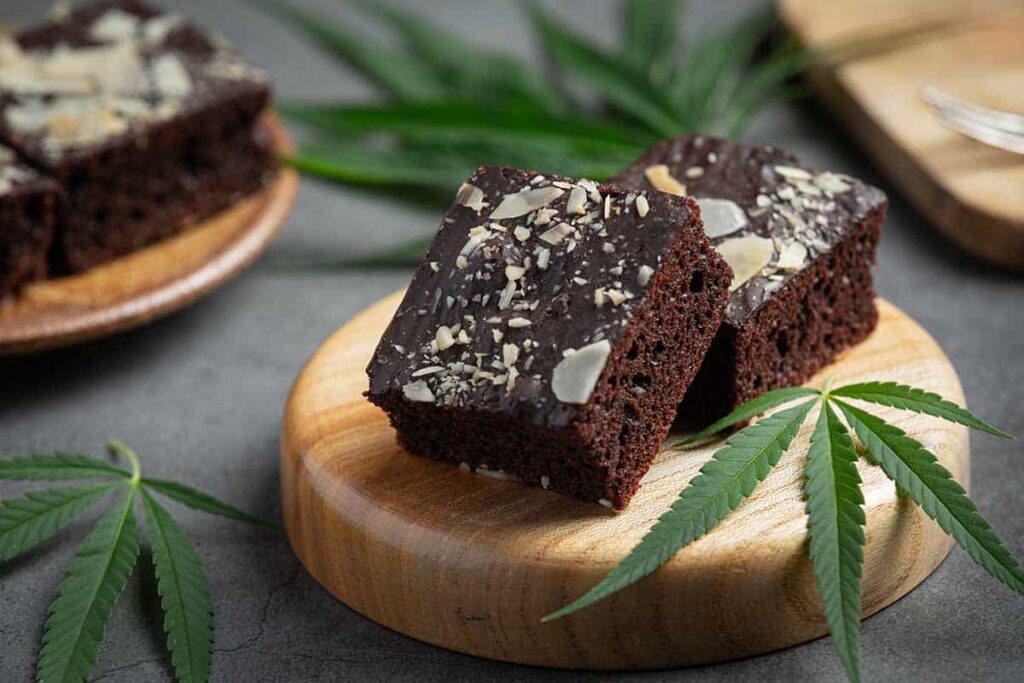
The incorporation of cannabis into culinary traditions underscores a growing fascination with merging the art of cooking and the science of pharmacology. Among various cannabis-infused edibles, weed cake stands as a notable culinary creation. This discussion aims to formally introduce weed cake, detailing its culinary significance, preparation intricacies, and the sensory experiences it delivers.
Culinary Significance of Weed Cake
Weed cake, a dessert baked with cannabis infusion, belongs to the expansive category of cannabis edibles, which includes cookies, brownies, and candies. These products are appreciated not only for their psychoactive properties but also for their gastronomic value. Cannabis adds a distinctive flavor earthy and robust that can complement traditional baking ingredients and spices. Crafting a weed cake requires careful balancing of cannabis’s potent flavor with other elements to enhance the overall taste.
Preparation Techniques and Ingredients
Creating weed cake involves specific techniques crucial to cannabis cooking. The key component is typically cannabis-infused butter or oil, blended into the cake batter. This incorporation process begins with decarboxylation, a heating method used to activate THC, the psychoactive compound in cannabis. Accurate decarboxylation and infusion are essential to achieve consistent potency and the desired flavor profile, ensuring each slice of cake offers a uniform experience.
Sensory Experience and Impact
Eating weed cake provides a layered sensory experience. The initial taste is often captivating, with cannabis’s unique flavor subtly enhancing the cake. The texture aiming for perfect moistness and fluffiness plays a critical role in the enjoyment of the cake. The psychoactive effects usually set in between 30 to 90 minutes after consumption, varying with the individual’s metabolism and the type and strength of cannabis used. Common effects include relaxation, euphoria, and a heightened sensory perception affecting vision, hearing, and taste.
Safety and Consumption Guidelines
Consumers of weed cake should exercise caution and awareness, particularly because the effects take longer to manifest than with smoked cannabis, raising the risk of overconsumption. Proper dosing, accurate labeling, and consumer education are crucial for safe consumption. Additionally, it is important for both producers and consumers to understand and adhere to the legal regulations concerning cannabis in their locality.
Conclusion
Weed cake represents an intriguing blend of culinary skill and cannabis application, providing an indulgent experience that extends beyond mere consumption. Whether used for medicinal purposes or as a recreational treat, weed cake highlights the complexity of cooking with cannabis and the importance of respecting its potent effects. As the culinary cannabis field grows, weed cake continues to exemplify the innovative potential of this unique combination.
Key Ingredients: What You Need to Make Weed Cake
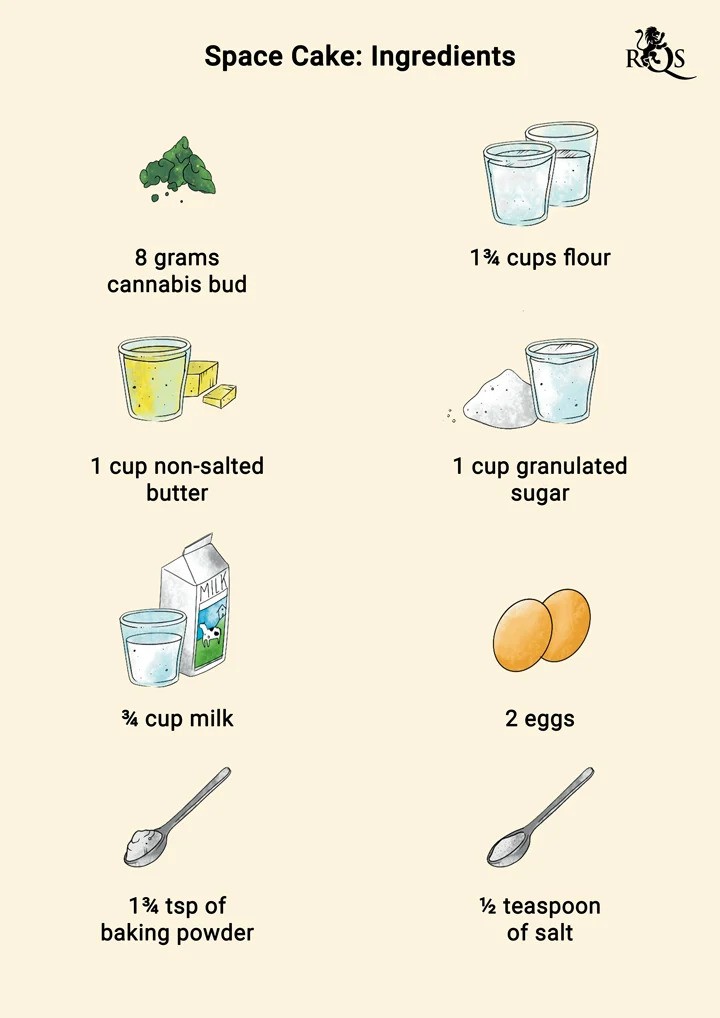
Creating weed cake, a culinary delight that blends traditional baking with the psychoactive enhancements of cannabis, involves a carefully selected array of ingredients. These components not only influence the taste and structure of the cake but also determine its therapeutic effectiveness. This document outlines the crucial ingredients required to prepare a flavorful and potent weed cake, catering to both culinary enthusiasts and medicinal users.
Cannabis-Infused Butter or Oil
At the heart of any cannabis-infused edible, including weed cake, lies cannabis-infused butter or oil. This key ingredient is responsible for delivering the psychoactive effects of THC (tetrahydrocannabinol) and other cannabinoids. The process involves decarboxylating cannabis to activate its compounds and then infusing it into butter or oil through a prolonged cooking process. Both the quality of the cannabis used and the accuracy of the infusion process are critical for determining the strength and effectiveness of the resulting cake.
Flour
Flour provides the foundational structure of the cake. The choice of flour can vary based on personal preference or specific dietary needs, ranging from all-purpose flour for a standard cake to cake flour for a softer crumb, or even gluten-free alternatives.
Sugar
Sugar adds sweetness and affects the texture and color of the cake through caramelization during baking. While granulated sugar is the most common choice, some recipes might opt for brown sugar, honey, or agave nectar to alter the flavor or meet dietary requirements.
Eggs
Eggs are indispensable for binding the ingredients together. They contribute moisture and richness to the cake, and help it rise by trapping air during mixing.
Leavening Agents
Leavening agents such as baking soda or baking powder are crucial to guarantee that the cake rises properly. The specific choice depends on the recipe’s acidity balance.
Flavorings and Spices
Given the distinctive taste of cannabis-infused butter or oil, it’s important to select additional flavorings and spices carefully. Vanilla extract is commonly used to introduce a warm, aromatic note, while spices such as cinnamon or nutmeg can complement the earthy cannabis flavor. Citrus zests, such as lemon or orange, are also popular for adding a fresh, tangy counterpoint to the rich flavors.
Additional Ingredients
Recipes may include other ingredients like cocoa powder for chocolate variations, as well as nuts, fruits, or decorative toppings such as frostings or glazes. These additions enhance the flavor complexity, texture, and aesthetic appeal of the cake.
Conclusion
The preparation of weed cake requires a harmonious blend of traditional baking ingredients with cannabis-infused components. Understanding the role of each ingredient and mastering their integration is crucial for anyone looking to produce a delicious and effective weed cake. The right balance and technique can yield a cake that is not only enjoyable to consume but also provides the desired medicinal or recreational effects.
Step-by-Step Recipe: How to Bake a Weed Cake
Baking a weed cake skillfully combines the art of traditional baking with the distinct properties of cannabis to produce a dessert that is both flavorful and potentially psychoactive. This comprehensive guide outlines a detailed method for baking a weed cake, emphasizing accuracy and care in the preparation to achieve optimal flavor and desired effects.
Ingredients:
- Cannabis-infused butter or oil – ¾ cup
- All-purpose flour – 2 cups
- Granulated sugar – 1½ cups
- Large eggs – 3
- Baking powder – 2 teaspoons
- Salt – ½ teaspoon
- Vanilla extract – 2 teaspoons
- Milk – 1 cup (or almond milk for a dairy-free variant)
- Optional: cocoa powder, nuts, or fruits to enhance flavor
Equipment:
- Mixing bowls
- Measuring cups and spoons
- Electric mixer or whisk
- Cake pan (9×13 inch or two 9-inch rounds)
- Cooling rack
Method:
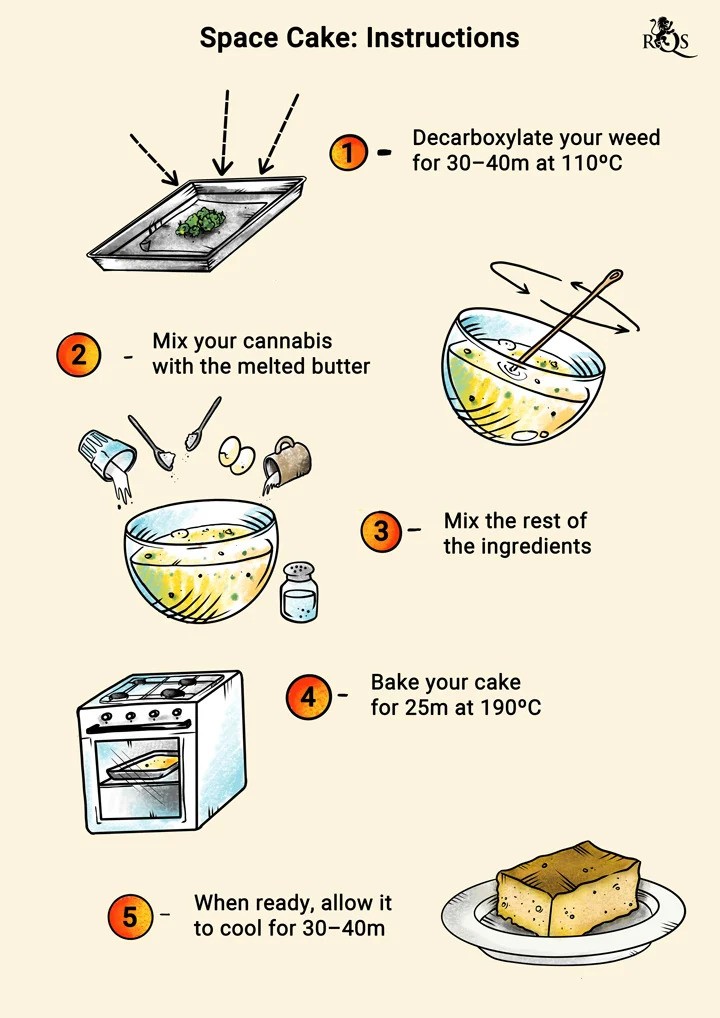
- Preheat Oven and Prepare Baking Pan: Begin by setting your oven to 350 degrees Fahrenheit (177 degrees Celsius). Lightly grease your cake pan with non-cannabis butter or a cooking spray and set it aside.
- Combine Dry Ingredients: In a medium mixing bowl, sift the flour, baking powder, and salt together. Add any dry ingredients like cocoa powder or spices at this point if needed.
- Cream Butter and Sugar: In a larger bowl, use an electric mixer to cream the cannabis-infused butter or oil with the sugar until the mixture turns pale and fluffy. This crucial step helps to introduce air into the batter, aiding in producing a lighter texture for the cake.
- Incorporate Eggs and Vanilla: Add the eggs to the creamed butter and sugar mixture one at a time, ensuring each is fully integrated before adding the next. Stir in the vanilla extract.
- Merge Wet and Dry Ingredients: Alternately incorporate the dry ingredients and milk into the butter mixture, starting and ending with the dry ingredients. Mix until just combined; be careful to avoid overmixing to prevent the cake from becoming too dense.
- Bake: Pour the batter into the prepared pan, smoothing the top with a spatula. Place in the preheated oven and bake for 25-30 minutes, or until a toothpick inserted into the center comes out clean.
- Cool the Cake: Allow the cake to cool in the pan for about 10 minutes before moving it to a wire rack to cool completely, which helps prevent moisture buildup.
- Serve: Once the cake has cooled, it can be frosted or served as is. Due to the delayed effects of the edible cannabis, it is advisable to consume a small portion and wait at least an hour to evaluate its effects before consuming more.
Conclusion:
Following this method allows for the creation of a delicious and potent cannabis-infused cake. Always ensure that your cannabis use complies with local regulations and consume responsibly. This guide provides a reliable framework for anyone looking to combine culinary arts with cannabis infusion effectively.
Dosage Control: Ensuring the Right Potency
In the production of cannabis-infused products, precise control of dosage is crucial. It ensures the safety, effectiveness, and consistency of the product, which in turn, leads to user satisfaction by delivering predictable and reliable outcomes. This essay outlines the key strategies and principles involved in managing dosage control, aiming to match the therapeutic objectives and expectations of consumers accurately.
Principles of Dosage Calculation
Effective dosage control starts with accurately assessing the potency of the cannabis extract used as the base ingredient. This calculation involves determining the total milligrams of THC (tetrahydrocannabinol) and CBD (cannabidiol) present in the initial extract. Ensuring uniform distribution of these cannabinoids throughout the product is essential to prevent variability in potency from one serving to the next.
Techniques for Precise Measurement
Accuracy in dosage is achieved using laboratory-grade equipment and precise measuring tools. Techniques like High Performance Liquid Chromatography (HPLC) are utilized to meticulously determine the cannabinoid levels in extracts. Such precise quantification is crucial for translating the cannabinoid content accurately into final products such as edibles or tinctures.
Recipe Standardization
In the case of edibles, standardizing recipes is key to achieving dosage consistency. This process helps to mitigate the natural variability of cannabis and ensures each batch of the product maintains a uniform cannabinoid content. Precise ingredient measurements and strict control of cooking times and temperatures are necessary to preserve the intended potency throughout the cooking process.
Educating Consumers about Dosage
Educating consumers about the potency of each product and the recommended consumption amounts is vital, especially for novices unfamiliar with their tolerance levels. Effective packaging and labeling are instrumental in this education, providing clear and concise information on THC and CBD content per serving.
Adhering to Regulations
Compliance with regulatory requirements is crucial in dosage control. Regulations often set maximum cannabinoid content limits, dictate standardized labeling practices, and require consistent product testing. Adhering to these regulations ensures the safety of consumers and bolsters the credibility and trustworthiness of products in the marketplace.
Adjusting Dosage Based on Feedback
Ongoing evaluation and adjustment of dosages are necessary to reflect the latest research findings and consumer feedback. Adapting recipes and dosage guidelines based on empirical data and consumer experiences is crucial for maintaining product efficacy and satisfaction.
Conclusion
Dosage control in cannabis-infused products is a sophisticated practice that merges scientific precision with skilled craftsmanship. By adhering to strict measurement and standardization protocols, educating consumers, and complying with legal standards, producers can ensure their products meet the expected therapeutic and recreational purposes safely. As the industry progresses, maintaining rigorous dosage control will continue to be fundamental to the development of trustworthy cannabis-infused products.
Flavor Variations: Exploring Different Weed Cake Recipes
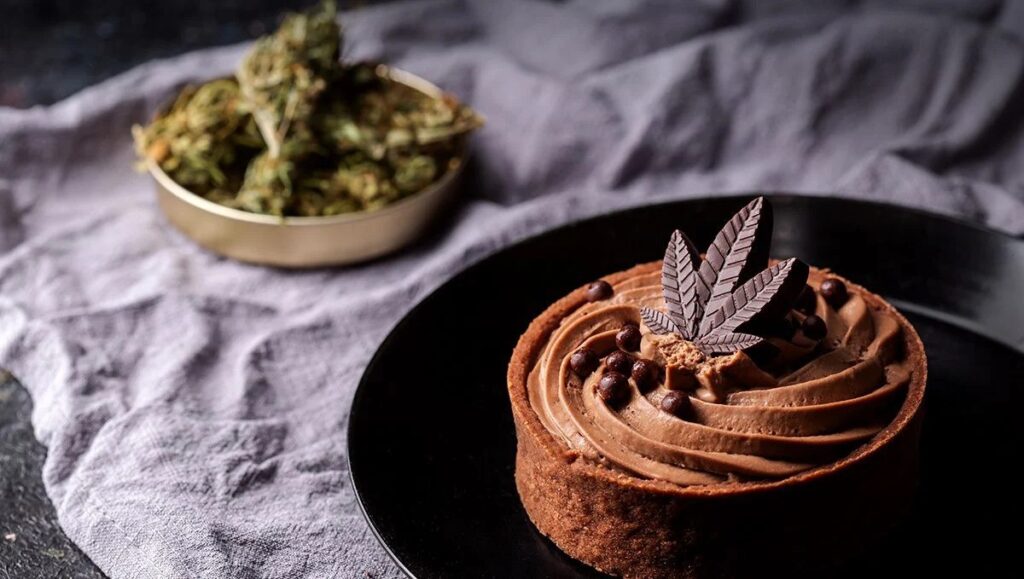
The culinary domain of cannabis-infused desserts is delightfully broad, with weed cake standing as a particularly versatile and beloved option. This treat not only delivers the familiar effects of cannabis but also a wide array of flavors suited to various tastes and occasions. This discourse explores an assortment of weed cake recipes, each introducing unique flavor profiles and sensory delights, thereby broadening the culinary scope for both amateur and seasoned bakers.
Classic Chocolate Weed Cake
A fundamental choice in the cannabis dessert collection, the classic chocolate weed cake melds the intense, luxurious flavors of cocoa with the distinctive aroma of cannabis. Some variations include adding coffee to intensify the chocolate flavor, or vanilla to mellow the cannabis aroma. Typically made with cannabis-infused butter, this recipe ensures a rich, moist texture.
Vanilla Lavender Weed Cake
For a more subtle flavor experience, the vanilla lavender weed cake offers an elegant choice. This version often uses cannabis-infused oil, which tends to be less pronounced in flavor than butter, allowing the soft vanilla and floral lavender flavors to dominate. Lavender not only enhances the cake’s taste but also amplifies cannabis’s calming effects, making this cake a perfect option for a peaceful setting.
Lemon Zest Weed Cake
For those who favor a sharp, refreshing taste, lemon zest weed cake is an excellent choice. Infused with both lemon juice and zest, this cake offers a vibrant citrus flavor that effectively disguises the taste of cannabis, appealing especially to those new to cannabis edibles. Cannabis-infused coconut oil is frequently used, adding a subtle tropical flavor that complements the lemon.
Spiced Carrot Weed Cake
The spiced carrot weed cake combines the natural earthiness of carrots with the cozy warmth of spices such as cinnamon, nutmeg, and cloves. These spices not only provide a comforting flavor but also harmonize well with the herbal undertones of cannabis. Typically made with cannabis-infused butter, this dense, moist cake is often crowned with cream cheese frosting to offset the robust spices.
Red Velvet Weed Cake
For a visually and gastronomically sophisticated choice, red velvet weed cake is unmatched. Its mild cocoa flavors and tangy buttermilk components create a complex flavor profile. When prepared with cannabis butter, the distinctive flavors are enhanced, offering a smooth and inviting dessert. This cake is usually topped with a luxurious cream cheese icing, providing a creamy texture that contrasts with the velvety cake.
Conclusion
Experimenting with various weed cake recipes provides a creative and enjoyable approach to cannabis consumption, catering to diverse flavor preferences and occasions. From the comforting spice of carrot cake to the bright zest of lemon-infused confections, these recipes merge delightful flavors with the therapeutic benefits of cannabis. As the field of culinary cannabis progresses, the opportunities for innovative and enticing recipes continue to expand, establishing weed cake as a popular choice among culinary enthusiasts and cannabis connoisseurs alike.
Decorating Tips: Creative Ideas for Finishing Touches
The decoration of desserts is just as pivotal as their taste and texture. This discourse delves into sophisticated decorating techniques that can significantly elevate the aesthetic appeal of various sweets. These guidelines are designed to inspire bakers of all skill levels to apply artistic flourishes that enhance both the appearance and allure of their creations.
Strategic Use of Color and Contrast
Effective color selection is vital in dessert decoration. Properly chosen colors can transform a basic dessert into an eye-catching masterpiece. Utilizing contrasting colors can create dramatic visual impact, while harmonious colors can produce a visually soothing effect. For example, a vibrant raspberry coulis on a lemon tart offers a striking visual contrast, while soft hues on macarons deliver a delicate, appealing look.
Skill Development in Decoration Techniques
Developing a range of decorating skills is crucial for achieving refined results. Key techniques include:
- Piping: Employing a piping bag with various nozzles to craft designs such as flowers, stars, or detailed borders on cakes.
- Fondant Use: Rolling fondant to drape over cakes for a smooth finish or to mold decorative elements.
- Glazing: Applying a glossy mirror glaze for a sleek, modern finish that captivates the eye.
Incorporating Edible Embellishments
Adding edible decorations can both beautify a dessert and enhance its flavor profile. Options include:
- Fresh fruits: Artfully arranged fruit pieces can inject vibrant color and a burst of freshness.
- Edible flowers: Incorporating blossoms like marigolds or cherry blossoms adds a natural elegance.
- Chocolate pieces: Shavings or intricate chocolate designs can introduce rich texture and depth.
- Sprinkles and edible glitter: Ideal for adding a playful touch to festive desserts.
Theme-Based Decorations
Aligning decorations with a specific theme or occasion can make desserts feel special and tailored. For instance, a winter holiday dessert might feature icy blue icing with sugar snowflakes, while a romantic dinner dessert could highlight floral motifs and soft pastels.
Exploring Texture through Layering
Layering different textures can add complexity and intrigue to desserts. Combining elements such as a creamy cheesecake with a crunchy graham cracker base or a velvet-smooth chocolate glaze with crispy pearls creates a multi-textural experience that is visually attractive and palatably pleasing.
Drawing Inspiration from Seasons and Cultures
Seasonal and cultural inspirations can lend unique and meaningful touches to dessert decorations. Seasonally inspired decorations might include springtime blossoms or fall leaves made from icing, while culturally themed designs could incorporate patterns or symbols that celebrate specific traditions or holidays.
Conclusion
The art of decorating desserts blends aesthetic finesse with culinary craftsmanship. By utilizing these creative decorating tips, bakers can greatly enhance the visual appeal of their desserts, making each creation not only delicious to taste but also a pleasure to view. Whether aiming for sophistication or whimsy, the final touches are what transform desserts into memorable and visually stunning treats.
Storing Weed Cake: Best Practices for Freshness
Preserving the freshness and quality of weed cake is essential not only for maintaining its taste and texture but also for ensuring the stability of its cannabis components. This document provides detailed guidance on the best practices for storing weed cake effectively, ensuring that its flavor, structural integrity, and cannabinoid potency remain intact until it is consumed.
Immediate Post-Baking Storage
Once the weed cake has cooled, it is crucial to minimize its exposure to air and light, which can deteriorate its overall quality. The cake should be stored in an airtight container to minimize exposure to oxygen, which can cause the cake to become stale and potentially diminish the potency of its cannabis
Temperature Considerations
The choice of storage temperature depends on how long you intend to keep the weed cake. For short-term storage of a few days to a week, storing the cake at room temperature in a cool, dark area is adequate. For longer storage durations, refrigeration is recommended. Ensure the cake is wrapped tightly in plastic wrap or kept in an airtight container to avoid picking up odors from other foods and to help retain moisture.
Freezing for Longevity
For preserving weed cake over several months, freezing is the best option. First, wrap the cake thoroughly in plastic wrap and then in aluminum foil to shield it from freezer burn and to keep it from absorbing any odors or flavors from the freezer. To consume, thaw the cake in the refrigerator overnight and allow it to come to room temperature gradually, preserving its moisture and texture.
Mitigating Light and Air Exposure
Both light and air exposure can significantly compromise the chemical stability of cannabinoids in weed cake. Particularly, UV light can break down THC into less psychoactive components, diminishing the cake’s effectiveness. It is vital to store the cake in containers that are opaque and airtight to fully shield it from light and minimize air exposure.
Safety and Labeling
In environments where children or pets are present, safety is of utmost importance. Store the weed cake in a secure, inaccessible place and ensure it is clearly labeled as containing cannabis to avoid accidental ingestion.
Conclusion
Effective storage of weed cake is key to ensuring that it remains delicious, structurally sound, and pharmacologically effective. By following these optimal storage practices utilizing airtight containers, managing temperature settings, protecting the cake from light, and securing it safely consumers can ensure that the weed cake retains its desired qualities over time. These measures will allow for a consistently satisfying experience with each serving.
Legal Considerations: Understanding Cannabis Edible Laws
The increasing acceptance of cannabis-infused edibles, whether for therapeutic or recreational purposes, demands a comprehensive understanding of the regulatory framework that governs these products. This document explores the intricate legal landscape associated with cannabis edibles, underscoring the importance of adhering to diverse regulations that vary markedly across different regions.
Understanding the Legal Framework for Cannabis
The legal status of cannabis differs markedly across the globe and within individual nations. In some areas, cannabis is completely legalized for both medical and recreational use, while in others, it is either completely prohibited or restricted to medical use under stringent guidelines. Therefore, understanding the specific cannabis laws relevant to one’s locale or intended market is crucial for anyone involved with cannabis edibles.
Specific Regulations for Cannabis Edibles
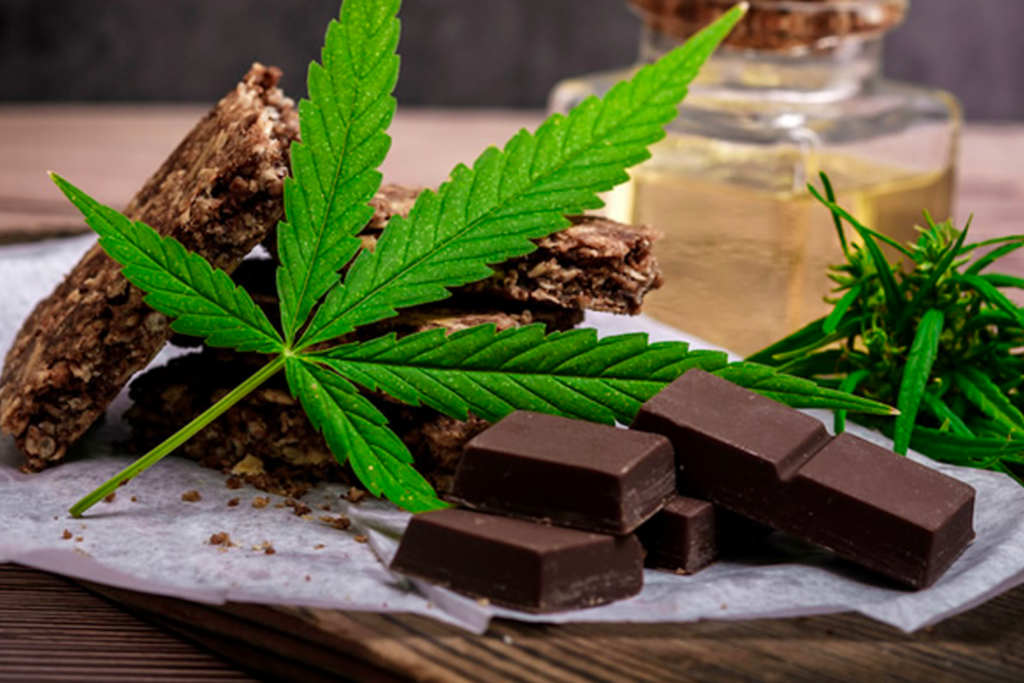
In places where cannabis is legal, edibles are subject to detailed regulatory oversight, which typically includes:
- Manufacturing and Packaging Requirements: Edibles must be produced in licensed facilities adhering to strict safety, consistency, and sanitation standards. Packaging regulations are particularly rigorous, often requiring tamper-evident, child-resistant features, and clear labels displaying THC and CBD content, health warnings, and a comprehensive ingredient list.
- Dosage and Potency Restrictions: Regulatory authorities frequently impose limits on the THC content in edibles, both per serving and in total per package, to prevent excessive intake and minimize potential negative effects, particularly for novice users.
- Advertising Restrictions: The marketing of cannabis products, including edibles, is stringently controlled to discourage appeal to minors and to ensure all advertising is accurate regarding the product’s effects and legality.
- Controlled Sales and Distribution Channels: Regulations typically dictate that only licensed outlets may retail cannabis edibles, with additional restrictions often placed on online sales and interstate or international shipping.
The Critical Nature of Compliance
For enterprises engaged in the cannabis edibles market, strict adherence to legal guidelines is not merely a legal duty but a fundamental aspect of business survival. Non-compliance can result in severe repercussions, such as fines, license revocations, and other legal actions.
Consumer Responsibilities
Consumers, too, must be aware of the legal regulations concerning cannabis edibles within their jurisdictions and should consume these products in accordance with local laws. This includes understanding restrictions on possession, consumption locales, and age limits.
Conclusion
Effectively navigating the regulatory environment of cannabis edibles demands an in-depth understanding of a complex and dynamic set of laws. For all participants in the cannabis market, from cultivators and producers to retailers and end-users, staying informed about legislative updates and adhering to regulations is essential. Legal compliance ensures the safety and efficacy of cannabis edibles and protects both businesses and consumers from legal challenges, contributing to the responsible expansion of the industry.
Enjoying Responsibly: Tips for Safe Consumption
With the increasing legalization of cannabis, adopting responsible consumption practices is essential for ensuring safety and positive user experiences. This document outlines critical guidelines on how to safely consume cannabis-infused products, emphasizing the importance of moderation, understanding product potency, and creating a supportive consumption environment.
Recognizing Potency and Determining Dosage
Understanding the potency of cannabis-infused products is fundamental. THC, the principal psychoactive ingredient in cannabis, can differ widely in strength across products. It is essential for users to meticulously read labels to comprehend the THC content and determine the suitable dosage. Beginners, or those experimenting with a new product, should begin with a small dose and incrementally adjust it based on their comfort level and the effects observed. This cautious approach helps avoid the adverse effects of overconsumption and allows users to find their optimal dosage.
Anticipating the Onset and Duration of Effects
Consumers should be aware that the effects of cannabis-infused products, particularly edibles, do not occur immediately. The onset can vary from 30 minutes to two hours, with effects potentially lasting much longer than those from inhaled cannabis. It’s important for users to be patient and avoid consuming additional amounts before the initial dose takes effect. Users should also avoid activities that require full attention, such as driving or operating heavy machinery, during this period.
Choosing the Right Environment
The environment in which cannabis is consumed can significantly influence the user’s experience. Consuming in a secure and comfortable setting, where the user feels relaxed, can lead to a more positive experience. It’s often beneficial to be accompanied by trusted individuals who are experienced with cannabis, as they can offer support and guidance.
Maintaining Hydration and Nutritional Intake
Proper hydration and eating prior to consuming cannabis can affect the body’s reaction to THC. Staying well-hydrated and consuming a balanced meal can mitigate common side effects like dry mouth and heightened appetite. Maintaining proper hydration and nutrition can also improve the overall experience.
Adhering to Legal and Social Guidelines
Consumers must ensure their use of cannabis-infused products adheres to the laws of their region, including restrictions on age and consumption locations. It is also wise to consider the social implications of cannabis use, such as potential effects on employment and personal relationships, and to make choices that reflect an awareness of these factors.
Conclusion
Safe and responsible consumption of cannabis-infused products is crucial for ensuring a positive and enjoyable experience. By being informed about the potency and effects of these products, choosing an appropriate setting for consumption, staying hydrated, and respecting legal and social boundaries, consumers can maintain both safety and enjoyment. These practices not only promote personal well-being but also respect for the broader community.
