Table of Contents
The Watermelon cannabis strain is a popular choice among both medical and recreational users, known for its distinct taste, calming properties, and possible medical uses. This detailed exploration provides an in-depth look at the strain’s characteristics, specific medical and recreational uses, and the scientific factors that contribute to its effects.
Overview of Watermelon Cannabis Strain
Genetics and Origins
Watermelon is an indica-dominant hybrid, often associated with strains like Watermelon OG or Watermelon Kush. Its lineage is somewhat debated but generally believed to include parent strains with heavy indica influences. These genetics give Watermelon its potent effects and fruity flavor profile.
Appearance
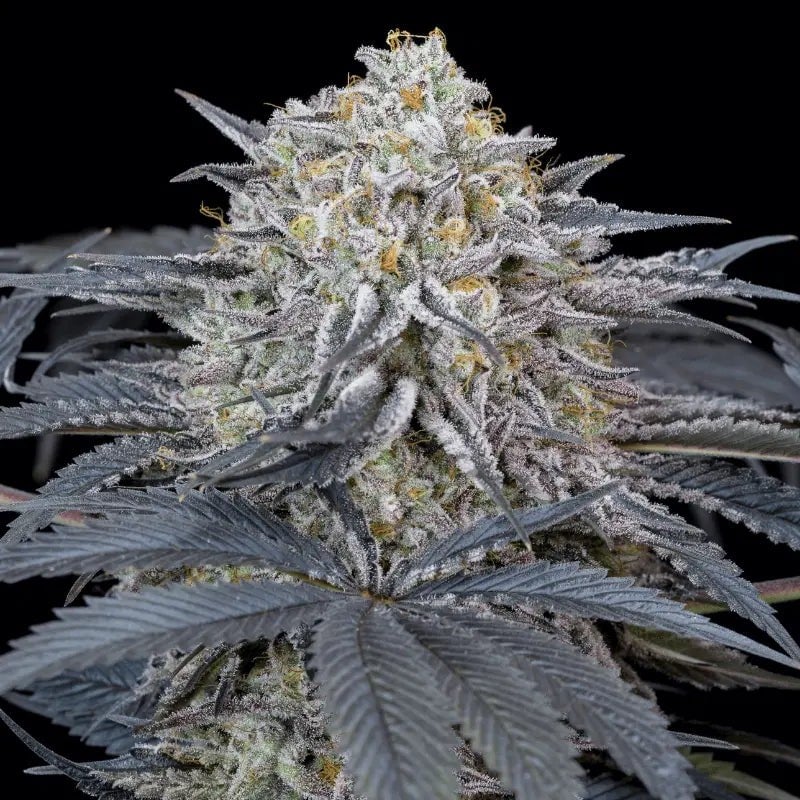
The buds of the Watermelon strain are visually striking. They feature:
- Dense, medium-to-large-sized nugs.
- A mix of deep green and purple hues, often with orange pistils.
- A generous coating of trichomes that give the buds a frosty appearance, indicative of high cannabinoid content.
Aroma and Flavor Profile
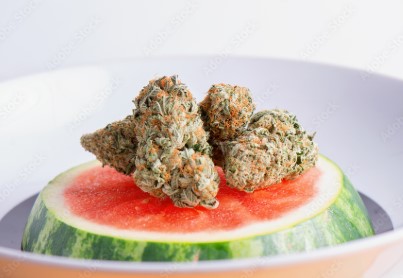
As the name suggests, Watermelon offers a sweet and fruity aroma reminiscent of the summertime fruit. The strain’s scent is accompanied by undertones of berry and citrus, with a hint of earthiness. When smoked or vaporized, the flavor mirrors its aroma, providing a smooth and flavorful experience.
Cannabinoid Profile
Watermelon typically boasts the following cannabinoid levels:
- THC: 16% to 25%, with some phenotypes exceeding this range.
- CBD: Trace amounts, generally less than 1%.
Terpene Profile
Watermelon’s unique effects and flavors are attributed to its terpene composition, which commonly includes:
- Myrcene: Contributes to the strain’s sedative and relaxing properties.
- Limonene: Adds citrus notes and promotes an uplifting mood.
- Caryophyllene: Provides a peppery, earthy aroma and potential anti-inflammatory benefits.
Recreational Uses of Watermelon
Relaxation and Stress Relief
Watermelon is highly sought after by recreational users for its deeply relaxing effects. As an indica-dominant strain, it’s ideal for unwinding after a long day, providing:
- A calming body high.
- Mental tranquility that can help users de-stress.
Social Settings
Despite its relaxing nature, Watermelon’s mild cerebral effects can also enhance social interactions. It can:
- Foster lighthearted conversations.
- Reduce social anxiety in low doses.
Creative Inspiration
While not overly stimulating, the strain’s cerebral effects may promote a creative mindset, making it ideal for creative pursuits or brainstorming meetings.
Recreational Pairings
Watermelon pairs well with activities such as:
- Watching movies or shows.
- Listening to music.
- Engaging in light outdoor activities like picnics or stargazing.
Medical Uses of Watermelon
Watermelon’s combination of cannabinoids and terpenes makes it an excellent choice for addressing a range of medical conditions. Its effects are primarily therapeutic, offering relief for both physical and mental ailments.

Chronic Pain Relief
The strain’s potent indica effects are particularly effective for managing chronic pain. The body’s endocannabinoid system is influenced by its high THC content in the following ways:
- Alleviate pain from conditions like arthritis, fibromyalgia, and migraines.
- Reduce muscle spasms and tension.
Anxiety and Stress Management
Watermelon’s calming properties are ideal for individuals dealing with anxiety and stress. The presence of myrcene and limonene helps to:
- Induce a sense of relaxation.
- Counteract the racing thoughts associated with anxiety.
Insomnia Treatment
As an indica-dominant strain, Watermelon is highly effective in promoting sleep. Medical users with insomnia often turn to this strain to:
- Achieve faster sleep onset.
- Improve sleep quality and duration.
Appetite Stimulation
For patients undergoing treatments like chemotherapy or those with conditions causing appetite loss, Watermelon’s munchie-inducing effects can:
- Encourage healthy eating habits.
- Prevent weight loss associated with a lack of appetite.
Anti-inflammatory Benefits
The caryophyllene in Watermelon contributes to its anti-inflammatory properties, making it useful for conditions such as:
- Inflammatory bowel diseases (IBD).
- Chronic inflammatory skin conditions like eczema or psoriasis.
Scientific Understanding of Watermelon’s Effects
Cannabinoid Action
The primary psychoactive compound in Watermelon, THC, binds to CB1 receptors in the brain, producing euphoria and relaxation. Additionally:
- Low CBD levels mean the psychoactive effects are less tempered, leading to a stronger “high.”
- The entourage effect—synergistic interaction between cannabinoids and terpenes—enhances its therapeutic potential.
Terpenes and Their Roles
- Myrcene: Known for its sedative effects, myrcene is abundant in Watermelon and contributes significantly to its calming properties.
- Limonene: This terpene’s citrusy aroma is associated with stress relief and mood enhancement.
- Caryophyllene: Unique among terpenes, caryophyllene interacts with CB2 receptors, offering anti-inflammatory benefits.
Scientific Studies
Several studies have explored the components found in strains like Watermelon:
- THC’s Role: Research indicates THC’s effectiveness in pain relief and appetite stimulation.
- Terpene Synergy: Studies on terpenes like myrcene and caryophyllene support their roles in relaxation and inflammation reduction.
Potential Side Effects
While Watermelon offers numerous benefits, it’s essential to consider potential side effects, especially in high doses:
- Dry Mouth and Eyes: Typical of the majority of cannabis strains.
- Dizziness: More likely in inexperienced users or those with low tolerance.
- Paranoia: Rare, but possible at high doses due to its THC potency.
Cultivation
Genetic Understanding
Watermelon is an indica-dominant hybrid, and its growth characteristics are tied to its genetic profile. Knowing its indica lineage helps growers anticipate features such as:
- Shorter flowering time: Typically 8–10 weeks.
- Compact plant structure: Ideal for indoor growing.
- High resin production: Linked to its cannabinoid and terpene profile.
Understanding these traits enables cultivators to design optimal environments for the strain.
Environmental Parameters
Optimal growing conditions are crucial for Watermelon, with key variables such as light, temperature, humidity, and nutrients requiring precise control.
- Light Requirements:
- Indoor Cultivation:
- Use full-spectrum LED lights or high-intensity discharge (HID) lamps for growth and flowering phases.
- Vegging phase: 18–24 hours of light per day.
- Flowering phase: Switch to a 12/12 light/dark cycle.
- Outdoor Cultivation:
- Requires a warm, sunny climate with ample sunlight (ideally 6+ hours/day).
- Indoor Cultivation:
- Temperature Control:
- Vegetative Phase: Maintain temperatures between 70–85°F (21–29°C).
- Flowering Phase: Lower temperatures slightly to 65–80°F (18–27°C) to enhance bud development and terpene production.
- Avoid sudden temperature fluctuations to prevent stress and stunted growth.
- Humidity Levels:
- Vegetative Phase: 55–70% relative humidity (RH) to promote healthy leaf and root development.
- Flowering Phase: Reduce RH to 40–50% to prevent mold and mildew, especially with Watermelon’s dense buds.
- Use dehumidifiers or ventilation systems to maintain consistent levels.
- Nutrient Management:
- Macronutrients: Nitrogen (N) during the vegetative phase, and increased levels of phosphorus (P) and potassium (K) during flowering.
- Micronutrients: Magnesium, calcium, and sulfur are essential for robust growth.
- Maintain a balanced pH of 6.0–7.0 in soil and 5.5–6.5 in hydroponic systems for optimal nutrient absorption.
Soil and Medium Selection
- Soil: Use nutrient-rich, well-aerated soil with organic matter such as compost or worm castings. To avoid waterlogging, the soil should drain well.
- Hydroponics: Provides more rapid growth rates and accurate nutrient control. Popular methods include:
- Deep Water Culture (DWC): Roots suspended in oxygenated nutrient-rich water.
- Drip Systems: Gradual nutrient delivery to avoid overfeeding.
- Coco Coir: A soilless medium with excellent water retention and aeration properties.
Training Techniques
Watermelon benefits from training methods to optimize light penetration and increase yields:
- Topping: Removes the main growth tip to encourage bushier growth and multiple colas.
- Low-Stress Training (LST): Bends branches to spread the canopy evenly.
- Screen of Green (ScrOG): Uses a screen to maximize light exposure across the canopy.
Pest and Disease Management
Watermelon’s dense buds make it susceptible to pests and mold. Scientific strategies include:
- Integrated Pest Management (IPM): Combines biological controls, such as introducing beneficial insects (ladybugs, predatory mites), with organic sprays.
- Fungal Prevention: Use silica supplements and proper ventilation to prevent powdery mildew and botrytis (bud rot).
- Regular Monitoring: Check plants daily for signs of pests or disease.
Harvesting and Post-Harvest Science
- Trichome Analysis: Monitor trichomes under a magnifying glass. Harvest when trichomes shift from clear to cloudy with some amber hues, indicating peak potency.
- Drying: Hang buds upside down in a dark, ventilated room at 60–70°F (15–21°C) with 50–60% RH for 7–14 days.
- Curing: Store dried buds in airtight jars, burping daily for 1–2 weeks to enhance flavor, potency, and smoothness.
Consumer Tips and Recommendations
Dosage Guidelines
- To determine tolerance, beginners should begin with a low dose.
- Experienced users can explore higher doses for more pronounced effects.
Methods of Ingestion
1. Smoking
- Description: Combustion of dried Watermelon flower using joints, pipes, or bongs.
- Onset: 2–5 minutes after inhalation.
- Duration: Effects typically last 2–4 hours.
- Bioavailability: Approximately 30%, as cannabinoids bypass the digestive system and are absorbed through the lungs.
- Pros: Rapid onset, suitable for acute symptom relief.
- Cons: Combustion may irritate the lungs and throat.
2. Vaping
- Description: Heating Watermelon flower or concentrates to release cannabinoids and terpenes as vapor without combustion.
- Onset: 1–3 minutes after inhalation.
- Duration: Effects last 2–4 hours, similar to smoking.
- Bioavailability: Comparable to smoking, but vaping preserves terpenes better, enhancing flavor and potential therapeutic effects.
- Pros: Cleaner than smoking, less harsh on lungs, and better flavor retention.
- Cons: Requires specialized equipment.
3. Edibles
- Description: Consuming Watermelon-infused food or beverages.
- Onset: 30–120 minutes due to digestion and liver metabolism.
- Duration: Effects can last 6–12 hours, with a peak at 2–4 hours post-ingestion.
- Bioavailability: Lower (4–20%) compared to inhalation, as THC is converted into 11-hydroxy-THC in the liver, which is more potent and long-lasting.
- Pros: Discreet and long-lasting effects.
- Cons: Delayed onset makes dosing challenging for beginners.
4. Tinctures
- Description: Alcohol or oil-based extracts of Watermelon cannabis applied sublingually (under the tongue).
- Onset: 15–45 minutes.
- Duration: Effects last 4–6 hours.
- Bioavailability: Higher than edibles due to sublingual absorption directly into the bloodstream.
- Pros: Easy dosing and quick onset without inhalation.
- Cons: Slightly slower onset compared to inhalation methods.
5. Topicals
- Description: Watermelon-infused creams, balms, or transdermal patches applied to the skin.
- Onset: 10–20 minutes (transdermal) or localized effects within 30–60 minutes (topicals).
- Duration: Effects can last 2–12 hours, depending on the product.
- Bioavailability: Minimal systemic absorption unless using transdermal patches.
- Pros: Ideal for localized pain and inflammation without psychoactive effects.
- Cons: Limited to localized relief unless using a transdermal patch.
Duration and Onset
The duration and onset of effects vary based on the method of ingestion, as follows:
| Method | Onset | Peak Effects | Duration |
|---|---|---|---|
| Smoking | 2–5 minutes | 20–30 minutes | 2–4 hours |
| Vaping | 1–3 minutes | 15–30 minutes | 2–4 hours |
| Edibles | 30–120 minutes | 2–4 hours | 6–12 hours |
| Tinctures | 15–45 minutes | 1–2 hours | 4–6 hours |
| Topicals | 10–60 minutes | Varies (localized) | 2–12 hours (localized) |
Effects of Watermelon Cannabis
Short-Term Effects
- Physical Effects:
- Relaxation: A hallmark of its indica-dominant profile, attributed to myrcene and THC.
- Body High: Provides deep physical relaxation, making it effective for muscle tension and pain relief.
- Sedation: In higher doses, it can induce sleep, suitable for insomnia sufferers.
- Cognitive Effects:
- Euphoria: A mild cerebral uplift attributed to limonene and THC.
- Mental Clarity: Low to moderate doses may enhance focus briefly before sedative effects set in.
- Mild Creativity: Some users report enhanced creativity or a shift in perspective.
- Sensory Effects:
- Enhanced Perception: Colors, sounds, and tastes may feel heightened.
- Cottonmouth and Dry Eyes: Common side effects due to THC’s impact on salivary and tear glands.
Long-Term Effects (With Chronic Use)
- Tolerance Development: Regular use may reduce sensitivity to THC, requiring higher doses over time.
- Potential Dependency: Psychological dependency is possible in habitual users.
- Cognitive Impairment: Chronic high-dose use may affect memory and learning temporarily.
Medical Benefits
- Chronic Pain Relief: THC interacts with CB1 receptors, reducing pain signals.
- Stress and Anxiety Reduction: Limonene’s interaction with serotonin receptors promotes a calming effect.
- Anti-Inflammatory Action: Caryophyllene acts on CB2 receptors, providing inflammation relief.
Adverse Effects
- Paranoia and Anxiety: Possible at high doses, especially in THC-sensitive individuals.
- Dizziness: More likely in novice users or those with low tolerance.
- Increased Heart Rate: A temporary side effect of THC’s interaction with CB1 receptors.
Best Time for Use
Due to its relaxing nature, Watermelon is best suited for evening or nighttime use. However, small doses may be suitable for daytime use in low-stress situations.
Conclusion
The Watermelon cannabis strain stands out for its delicious flavor, potent effects, and therapeutic potential. Its ability to address a wide range of medical conditions while also providing enjoyable recreational experiences makes it a favorite among many cannabis users. Whether you’re seeking relief from chronic pain or simply looking to unwind, Watermelon is a strain worth exploring.
For a complete directory of cultivars, visit our Cannabis Strain Reviews.
