Watering Techniques and pH Management for Medical Cannabis
Watering and pH management are critical factors for successfully growing medical cannabis. These practices not only ensure the healthy growth of the plants but also influence their cannabinoid profile, ensuring that the medicinal benefits of the cannabis are optimized. Understanding the science behind proper watering techniques and the significance of maintaining the right pH balance in soil or hydroponic systems is crucial for medical cannabis growers who are cultivating the plant for therapeutic purposes.
In this detailed exploration, we will examine the most effective watering techniques, delve into pH management for medical cannabis cultivation, and discuss the role these practices play in producing high-quality plants tailored for medical use. This guide will focus solely on medical cannabis, excluding any references to recreational use or consumption methods, and will include scientific insights to ensure an evidence-based approach to growing.
1. The Importance of Proper Watering for Medical Cannabis
Watering is fundamental to plant health, as it plays an integral role in nutrient uptake, photosynthesis, and overall plant vitality. When cultivating medical cannabis, the aim is to maximize the plant’s therapeutic properties by ensuring optimal growth. Improper watering practices can lead to issues such as nutrient lockout, root rot, or stunted growth—all of which can severely impact the plant’s medicinal quality.
1.1. Water Requirements of Medical Cannabis Plants
Medical cannabis plants have specific water requirements, which can vary depending on factors such as growth stage, environmental conditions, and the medium being used (soil, coco coir, or hydroponics). Watering requirements also differ depending on whether the plants are grown indoors or outdoors, as indoor plants are more reliant on a controlled water supply.
Stages of Growth and Watering Needs:
- Seedlings: In this initial stage, medical cannabis plants require minimal watering. Overwatering can be detrimental, leading to a lack of oxygen to the roots. It is advised to keep the medium moist but not soaked, using a spray bottle to lightly mist the soil.
- Vegetative Stage: During vegetative growth, medical cannabis requires more water as it is actively growing. However, the soil should dry out between watering sessions to prevent root rot and to encourage the roots to grow deeper.
- Flowering Stage: In the flowering stage, medical cannabis plants require careful watering management, as overwatering during this phase can affect the plant’s ability to produce cannabinoids like CBD and THC. Watering should begin as soon as the top few cm of soil feel completely dry.
1.2. Techniques for Watering Medical Cannabis
Various techniques can be employed for watering medical cannabis, depending on the grow medium and the cultivation method. Here are some of the best techniques:
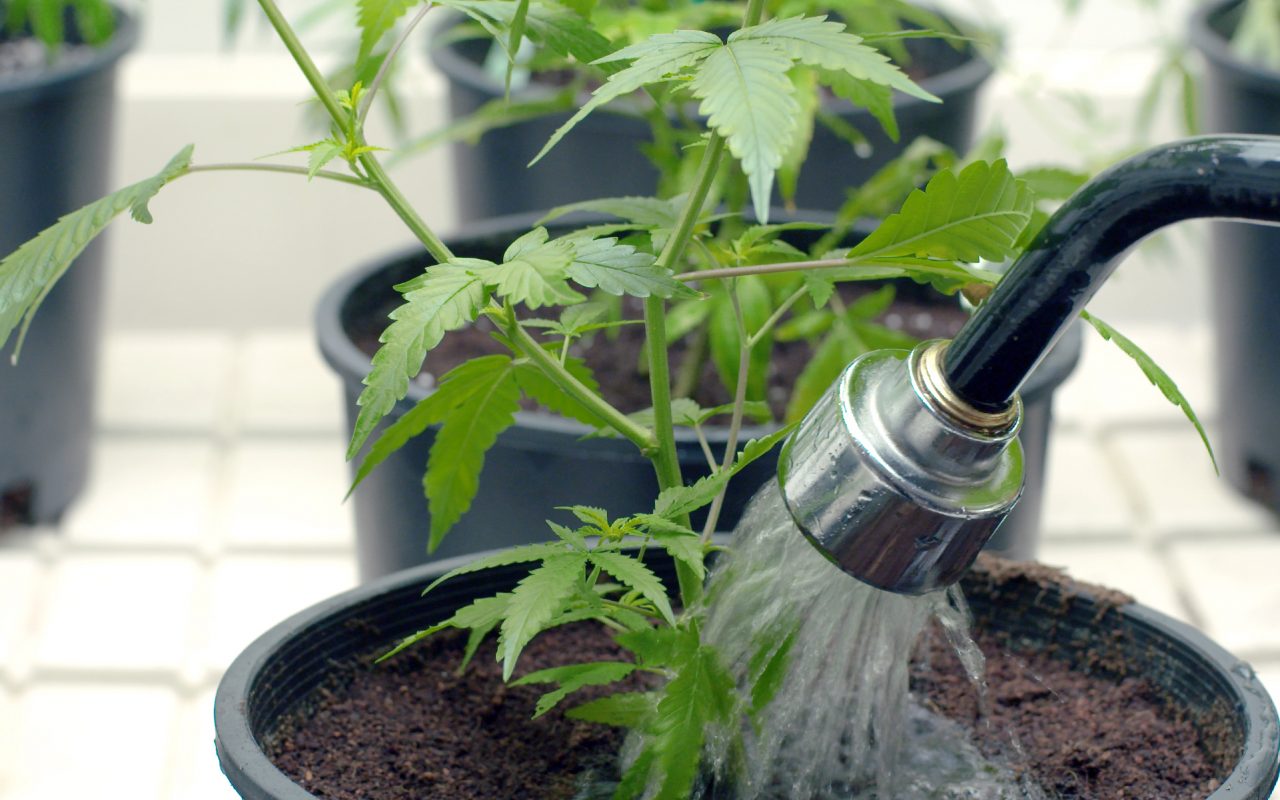
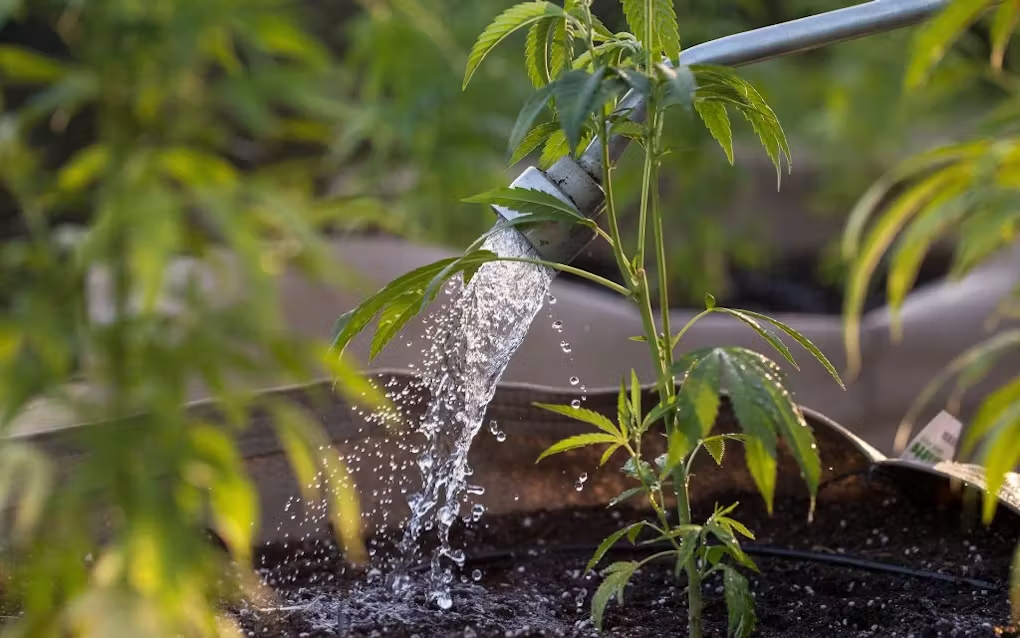
- Top Watering: The most popular method involves soaking the plant from the ground up with water. The key is to water slowly and ensure that the water seeps down to the root zone rather than pooling on the surface. For medical cannabis plants, it’s critical to ensure that the water is distributed evenly to avoid nutrient buildup in certain areas of the soil.
- Bottom Watering: By submerging the pot in a tray of water and letting the roots draw moisture up from the bottom, this technique applies water to the plant from below. This technique helps to prevent overwatering and encourages deep root growth. This is particularly effective in medical cannabis growing, as it minimizes the risk of diseases caused by excess moisture around the plant stem.
- Drip Irrigation Systems: Automated systems like drip irrigation allow for controlled and precise watering, which can be particularly beneficial for medical cannabis growers with large-scale operations. By delivering water directly to the root zone, drip systems reduce water waste and ensure that the plant receives a consistent amount of moisture.
- Soil Moisture Sensors: Using soil moisture sensors allows growers to closely monitor the moisture levels in the medium, ensuring that the plants receive water only when necessary. This level of control is crucial in medical cannabis cultivation, where consistent plant health is required to produce high-quality therapeutic products.
1.3. Avoiding Overwatering and Underwatering
Overwatering and underwatering are two common problems in cannabis cultivation that can negatively impact plant health, reduce yield, and affect the chemical profile of the plant’s cannabinoids.
- Overwatering: Overwatering can lead to a lack of oxygen in the root zone, causing root rot and the proliferation of harmful bacteria. The leaves of an overwatered plant will often droop and turn yellow. Overwatering during the flowering period of medicinal cannabis can result in a reduction in the amount of cannabinoids produced.
- Underwatering: On the other hand, underwatering causes the plant to become dehydrated, reducing its ability to carry out essential processes like photosynthesis. This results in wilting and dry leaves, which can stunt growth and decrease yield. Proper water management is critical to ensuring that the plant remains healthy and produces high levels of therapeutic compounds.
2. The Role of pH in Medical Cannabis Cultivation
Maintaining the proper pH levels is vital for nutrient absorption in medical cannabis plants. When the pH of the growing medium is outside the optimal range, the plant’s ability to absorb essential nutrients—such as nitrogen, phosphorus, and potassium—is compromised, leading to nutrient deficiencies even if those nutrients are present in the soil or water.
2.1. Understanding pH and its Impact on Cannabis Plants
The pH scale ranges from 0 to 14, with 7 being neutral. In cannabis cultivation, the pH of the water and nutrient solution must be adjusted to ensure optimal absorption. Medical cannabis grown in soil typically thrives in a pH range of 6.0 to 7.0, while cannabis grown in hydroponic systems or coco coir requires a slightly more acidic pH range of 5.5 to 6.5.
Effects of Incorrect pH Levels:
- Low pH (Acidic): If the pH falls below the recommended range, nutrients such as phosphorus, calcium, and magnesium become less available to the plant. Symptoms such as purple or yellow leaves and decreased growth may result from this.
- High pH (Alkaline): If the pH is too high, nutrients like iron and manganese become less available, resulting in chlorosis (yellowing leaves) and poor overall growth.
For medical cannabis, where the potency and purity of the plant are paramount, maintaining the correct pH levels ensures that the plant receives the nutrients it needs to develop cannabinoids and terpenes effectively.
2.2. Measuring and Adjusting pH Levels
Monitoring the pH of your water and growing medium is crucial in medical cannabis cultivation. Several tools are available for measuring pH, including:
- pH Test Strips: Simple and affordable, pH test strips provide a rough estimate of the pH level in water or nutrient solutions.
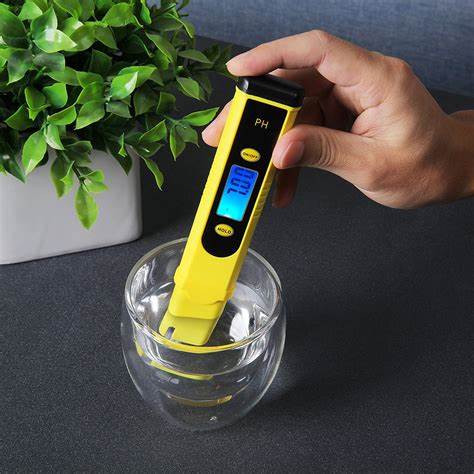
- Digital pH Meters: More accurate than test strips, digital pH meters allow for precise measurement of the pH level. These are commonly used by professional growers of medical cannabis to maintain strict control over nutrient absorption.
Once the pH has been measured, it may need to be adjusted to bring it within the optimal range. This can be done using pH adjusters:
- pH Up: This solution is used to raise the pH if it is too low.
- pH Down: This solution is used to lower the pH if it is too high.
When adjusting pH, it’s important to make small changes incrementally and measure frequently to avoid overshooting the target range.
2.3. pH Management in Different Growing Mediums
The growing medium you choose has a significant impact on pH management. Different mediums retain and release nutrients at different rates, and each has its ideal pH range for optimal nutrient absorption.
- Soil: Soil naturally buffers pH to some extent, making it more forgiving than hydroponics or coco coir. However, regular monitoring is still essential. When growing medical cannabis in soil, the pH should ideally remain between 6.0 and 7.0.
- Coco Coir: Coco coir is a popular medium for medical cannabis growers because of its excellent drainage and aeration properties. However, coco coir is more susceptible to pH fluctuations and should be kept in the range of 5.5 to 6.5 for optimal results.
- Hydroponics: In hydroponic systems, nutrient uptake is highly dependent on the pH of the water, which means that pH levels must be monitored frequently. The ideal pH range for hydroponically grown cannabis is between 5.5 and 6.5. In medical cannabis hydroponic systems, precise pH management is necessary to ensure the plants receive all the nutrients required to produce their medicinal compounds.
3. Water Quality Considerations for Medical Cannabis
The quality of water used in medical cannabis cultivation is just as important as the quantity and pH level. Poor water quality can introduce harmful elements such as chlorine, heavy metals, or pathogens, all of which can negatively affect the health of the plants and the quality of the final product.
3.1. Choosing the Right Water Source
Several water sources are available to growers, but not all are suitable for medical cannabis cultivation.
- Tap Water: While tap water is the most readily available option, it often contains additives such as chlorine and chloramine, which can harm beneficial microbes in the soil. For medical cannabis, it’s essential to either filter tap water or allow it to sit for 24 hours to evaporate chlorine before using it on plants.
- Reverse Osmosis (RO) Water: Reverse osmosis water is one of the purest forms of water available. It removes harmful substances such as salts, heavy metals, and chemicals, making it ideal for medical cannabis. However, because it is so pure, RO water lacks essential minerals, which will need to be added back into the water using a nutrient solution.
- Rainwater: If available, rainwater is a natural and highly beneficial water source for cannabis plants. It’s typically slightly acidic, which helps with nutrient uptake. But it’s crucial to make sure environmental contaminants haven’t tainted the water.
3.2. Water Temperature and Its Effect on Cannabis Growth
A key factor in the health and development of medicinal cannabis plants is water temperature. The optimal water temperature for cannabis plants is between 20°C to 25°C (68°F to 77°F). Water that is too cold can shock the roots, slowing down nutrient uptake and stunting growth. Conversely, water that is too warm can encourage the growth of harmful bacteria and decrease oxygen levels in the root zone.
4. Nutrient Solutions and pH Interaction
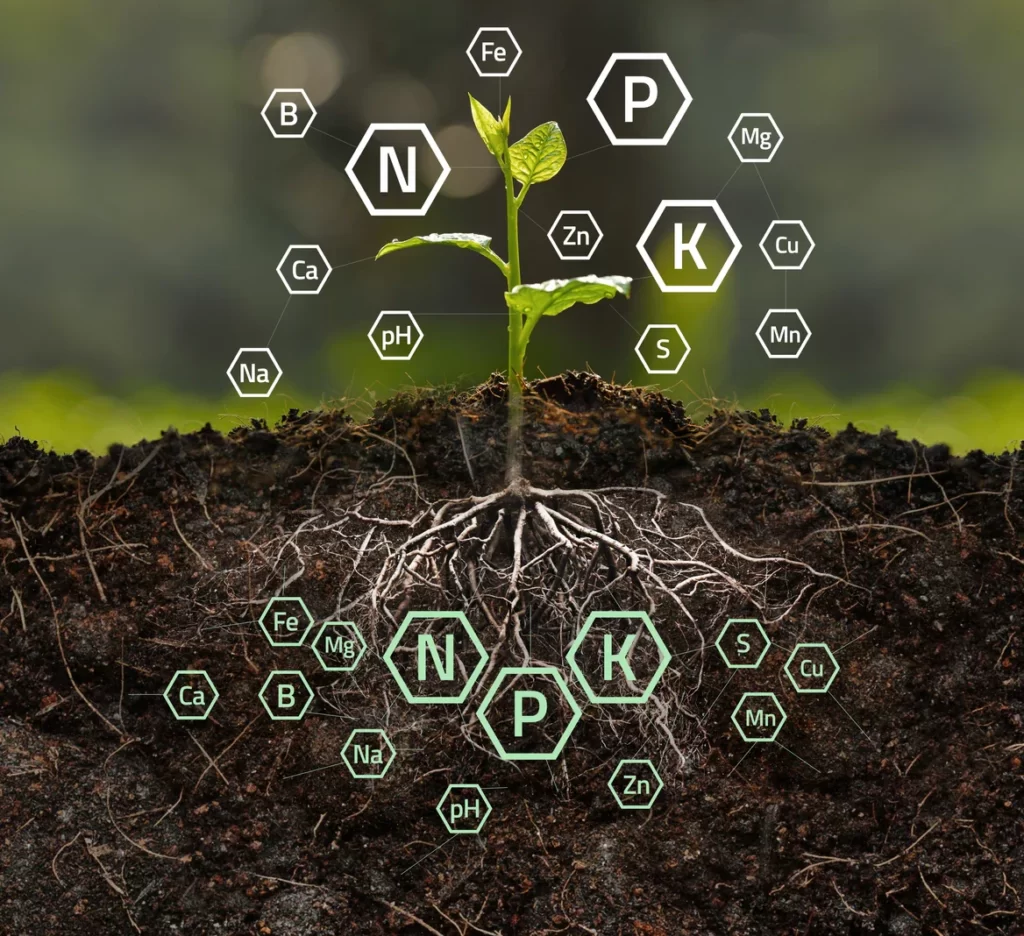
In medical cannabis cultivation, nutrient solutions are often used to provide plants with the essential elements they need for growth and cannabinoid production. However, these nutrient solutions can affect the pH of the growing medium, so careful monitoring and adjustment are required.
4.1. Nutrient Lockout Due to Improper pH
Nutrient lockout is a prevalent issue encountered by medicinal cannabis cultivators, wherein the soil or water’s pH falls outside of the ideal range. If the pH of the growing media is too high or too low, the nutrients—even if they are there—become inaccessible to the plant.
To avoid nutrient lockout, it’s crucial to measure the pH of the nutrient solution before applying it to the plants. Many commercial nutrient solutions come with instructions on how to adjust the pH to ensure optimal nutrient uptake.
4.2. Flushing and pH Correction
Flushing is the process of running large amounts of water through the growing medium to remove excess nutrients and salts that may have accumulated over time. Flushing is typically done towards the end of the flowering stage to prevent nutrient buildup in the buds, which can affect the taste and quality of medical cannabis.
When flushing, it’s essential to monitor the pH of the runoff water. If the pH is outside the desired range, pH-corrected water should be used for flushing to bring the medium back to optimal levels.
Restrictions on Growing and Using Cannabis in the Medical Field as a Last Resort
In many countries, the use of cannabis in the medical field is heavily regulated, and it’s often reserved as a last-resort treatment when other conventional therapies have failed. Restrictions vary globally but generally include:
- Strict Licensing: Medical cannabis cultivation is often limited to licensed growers under stringent government oversight. The cultivation environment is closely monitored to ensure that the plants are grown safely and according to medical standards.
- Patient Eligibility: Only patients with specific qualifying medical conditions, such as chronic pain, epilepsy, or cancer, may access medical cannabis. Additionally, they must have tried and exhausted other treatment options before being prescribed cannabis.
- Dosage Control: Medical cannabis prescriptions are often controlled in terms of dosage and form (e.g., oils, capsules, etc.) to minimize risks, especially the potential for psychoactive effects.
Monitoring THC Levels in Medical Cannabis
THC (tetrahydrocannabinol), the psychoactive component of cannabis, must be closely monitored in medications to prevent psychoactive effects on patients. Some key practices include:
- Low-THC Strains: Medical cannabis often focuses on low-THC and high-CBD strains to reduce the psychoactive effects while still providing therapeutic benefits.
- Lab Testing: Cultivators and manufacturers are required to regularly test their cannabis products in certified labs to ensure consistent THC levels. This ensures that the psychoactive effect is minimized, and the product remains suitable for medical use.
- CBD-THC Ratios: Medical formulations often balance CBD (cannabidiol) with THC to counteract THC’s psychoactive effects, providing symptom relief without the “high” typically associated with cannabis.
Conclusion
Watering techniques and pH management are vital aspects of medical cannabis cultivation, ensuring the health and productivity of the plants while optimizing their therapeutic benefits. Proper watering practices, such as top watering, bottom watering, and drip irrigation, are essential to providing plants with the right amount of moisture without causing issues like overwatering or underwatering, both of which can lead to nutrient deficiencies or root diseases. The use of tools like moisture sensors and precise irrigation systems further supports the controlled environment needed for medical-grade cannabis.
Water quality plays a significant role in this process. Medical cannabis plants require clean, properly filtered water, free from contaminants like chlorine, heavy metals, and pathogens. Additionally, managing water temperature between 20°C and 25°C ensures optimal nutrient uptake, fostering healthy growth and maximizing the production of cannabinoids, such as CBD, which are crucial for medical applications. Maintaining the right water pH, adjusted based on the growing medium (soil, coco coir, or hydroponics), is equally important for ensuring proper nutrient absorption and avoiding conditions like nutrient lockout.
On the regulatory side, medical cannabis cultivation and use are heavily restricted to ensure it is used as a last-resort treatment for patients with qualifying medical conditions. Growers must be licensed and adhere to stringent regulations regarding the cultivation environment, cannabinoid levels, and plant quality. Patients must demonstrate that they have tried conventional treatments without success before being prescribed medical cannabis, ensuring that it is reserved for those in genuine need of its therapeutic benefits.
Furthermore, monitoring THC levels in medical cannabis products is crucial to prevent the psychoactive effects associated with cannabis use. Medical formulations often focus on low-THC, high-CBD strains to provide symptom relief without impairing cognitive functions. Lab testing ensures consistent cannabinoid content, maintaining product safety and efficacy for patients.
In conclusion, effective watering techniques and pH management, combined with strict regulatory controls, ensure that medical cannabis is grown in optimal conditions and used responsibly, providing safe and reliable treatments for patients in need while minimizing risks associated with its psychoactive properties.
