Watering and Irrigation Systems for Different Growing Mediums in Medical Cannabis Cultivation
Introduction
Medical cannabis cultivation is a rapidly advancing field, with specific requirements for the environment in which cannabis is grown. One of the most crucial aspects of successful medical cannabis production is the irrigation system used and how it interacts with different growing mediums. Proper irrigation and watering techniques play a pivotal role in ensuring that medical cannabis plants receive the nutrients and water necessary for optimal growth, leading to the production of high-quality cannabis. This is especially important in medical cannabis, where consistency in cannabinoid content, cleanliness, and plant health directly impact the therapeutic potential of the final product.
This guide will explore the different watering and irrigation systems tailored for various growing mediums, such as soil, coco coir, hydroponic setups, and aeroponics, used in medical cannabis cultivation. Emphasizing the particular needs and benefits of medical use, this discussion will also delve into how different growing mediums and irrigation systems can be optimized for producing cannabis with the desired medicinal properties. By excluding any focus on recreational use and consumption methods, this page will focus solely on the agricultural and medicinal aspects of the cultivation process.
The Importance of Watering and Irrigation in Medical Cannabis Cultivation
Medical cannabis is often grown under controlled environments to ensure that the final product is free from contaminants, rich in cannabinoids, and meets precise medical standards. Improper watering or irrigation can lead to a range of issues, including nutrient imbalances, diseases, and inconsistent yields. Given the high stakes involved in producing medical-grade cannabis, growers must be meticulous in selecting and managing their irrigation systems.
A well-designed irrigation system should deliver the right amount of water at the right time, accounting for the unique characteristics of the growing medium. Overwatering or underwatering can stress the plants, resulting in reduced cannabinoid production, poor health, or susceptibility to diseases, which is unacceptable in a medical context.
Growing Mediums for Medical Cannabis
Various growing mediums are used for cultivating medical cannabis, each with different properties in terms of water retention, drainage, and nutrient availability. The four main growing mediums explored in this guide are:
- Soil: A traditional and natural growing medium with varying compositions that affect its water-holding capacity and nutrient delivery.
- Coco Coir: A renewable and eco-friendly growing medium derived from coconut husk, offering excellent water retention and aeration.
- Hydroponics: A soilless cultivation method where plants grow directly in water containing dissolved nutrients, allowing for precise control over the plant’s nutrient intake.
- Aeroponics: A soilless growing method where the roots are suspended in the air and misted with nutrient-rich water, providing maximum oxygen to the roots and potentially accelerating growth.
Each of these growing mediums requires a specific watering or irrigation approach to optimize cannabis plant growth, which we will explore in detail.
1. Soil-Based Growing Mediums
Characteristics of Soil for Medical Cannabis
Soil is perhaps the most traditional growing medium for cannabis, and it remains a popular choice for medical cannabis cultivation. However, not all soil is created equal. For medical cannabis, growers often use specially formulated soils that are rich in organic matter, well-draining, and free from harmful chemicals. These soils are designed to provide plants with the nutrients they need throughout their life cycle, but they also require a specific watering approach to avoid issues such as nutrient lockout, root rot, or other water-related diseases.
The water retention and drainage capacity of soil depend on its composition, which typically includes a combination of sand, silt, and clay. Soils high in clay, for example, retain water for longer periods, while sandy soils drain water more quickly. For medical cannabis, a well-balanced soil with good drainage and nutrient retention is ideal to avoid root damage and allow for adequate oxygenation.
Watering and Irrigation for Soil
In soil-based systems, the goal is to maintain a balance between moisture retention and oxygenation. Root rot or fungal infections can result from overwatering, which can cause soggy roots that are deprived of oxygen. Underwatering, on the other hand, might dry the plants, which can stress them and slow their growth. For medical cannabis, this balance is critical, as water stress can lead to inconsistent cannabinoid production.
The most common irrigation systems used for soil-based medical cannabis cultivation include:
- Manual Watering: Although labor-intensive, manual watering allows growers to closely monitor the water needs of their plants. By physically feeling the soil and assessing plant health, growers can apply water only when necessary. This is especially useful in small-scale medical grows where precision is key.
- Drip Irrigation: Drip systems deliver water slowly and directly to the root zone, minimizing water waste and allowing for consistent moisture levels. In a medical cannabis grow, this type of irrigation is ideal for avoiding over-saturation and ensuring that water is delivered precisely where it’s needed. This system can be automated to further optimize water usage.
- Soaker Hoses: Soaker hoses are flexible and porous hoses that allow water to seep into the soil along the length of the hose. They are an affordable option for distributing water evenly across the growing area without creating standing water, reducing the risk of disease.
Soil Moisture Management
For medical cannabis, maintaining consistent soil moisture levels is vital. Soil moisture meters can be used to monitor moisture levels in the root zone, ensuring that plants are neither too dry nor too wet. Regular monitoring helps to prevent fluctuations in water availability that can lead to nutrient lockout or stress, both of which can affect the quality and consistency of the medicinal cannabinoids produced by the plant.
2. Coco Coir as a Growing Medium
Characteristics of Coco Coir for Medical Cannabis
Coco coir is derived from the husk of coconuts and is becoming an increasingly popular growing medium for medical cannabis cultivation. Coco coir is valued for its high water retention capacity and excellent aeration properties, making it an ideal medium for delivering nutrients to cannabis roots without the risk of waterlogging. Additionally, coco coir is a renewable and eco-friendly option, aligning with the environmental sustainability goals of many medical cannabis growers.
Unlike soil, coco coir is an inert medium, meaning it does not provide nutrients on its own. Instead, growers must add nutrients to the water they provide to the plants. This allows for precise control over the nutrient levels delivered to the plant, which is especially important for medical cannabis, where consistency in cannabinoid profiles is essential.
Watering and Irrigation for Coco Coir
Given coco coir’s excellent water retention capabilities, growers must be cautious not to overwater. While coco coir holds onto water, it also drains excess water well, making it a forgiving medium when combined with proper irrigation techniques.
- Drip Irrigation: Drip systems are one of the most effective ways to irrigate cannabis grown in coco coir. By delivering a slow, steady stream of water directly to the roots, drip systems help maintain consistent moisture levels in the coir without waterlogging the plants.
- Ebb and Flow Systems: Also known as flood and drain systems, these systems periodically flood the grow tray with nutrient-rich water and then drain it back into a reservoir. Ebb and flow systems work well with coco coir, as the medium quickly absorbs the water and then drains, allowing for regular oxygenation of the roots.
- Capillary Mats: In some cases, capillary mats can be used in coco coir grows to passively wick water into the medium. While not as common as drip systems or ebb and flow setups, this method can work well in smaller grows where automated irrigation systems may not be necessary.
Managing Watering Frequency
Coco coir requires a more frequent watering schedule than soil due to its high drainage capacity. Plants grown in coco coir may need to be watered daily or even multiple times per day during peak growth stages, depending on the size of the pots and environmental conditions. This frequent watering can help deliver nutrients consistently, which is critical for medical cannabis plants that need stable conditions to produce high-quality therapeutic compounds.
3. Hydroponic Growing Systems for Medical Cannabis
Characteristics of Hydroponics for Medical Cannabis
Hydroponics is a soilless cultivation method where plants are grown in nutrient-rich water. The nutrients, water, and oxygen that plants receive can be precisely controlled with this extremely effective technology. In medical cannabis cultivation, hydroponics is valued for its ability to produce consistent, high-quality plants with minimal risk of contamination from soil-borne pathogens or chemicals.
Hydroponic systems come in several forms, including deep water culture (DWC), nutrient film technique (NFT), and aeroponics (which will be discussed separately). Each system has its unique characteristics, but they all rely on providing plants with the right balance of water and nutrients through a closed-loop irrigation system.
Watering and Irrigation in Hydroponics
In hydroponic systems, water is both the medium and the source of nutrients. The challenge is to maintain the right balance of water, nutrients, and oxygen in the root zone, as the roots are suspended directly in the water rather than in a solid medium.
- Deep Water Culture (DWC): In DWC systems, the plant’s roots are submerged in a nutrient-rich water solution. Oxygen is delivered to the roots through air stones or diffusers, preventing the roots from suffocating. Regular monitoring of water pH and nutrient levels is critical in DWC systems to ensure the plants receive the optimal balance for medical-grade cannabis production.
- Nutrient Film Technique (NFT): NFT systems circulate a thin film of nutrient-rich water over the roots, which allows the plants to absorb water and nutrients while being exposed to air. This system is highly efficient, but it requires precise management of water flow and nutrient concentration to prevent nutrient deficiencies or imbalances.
- Automated Feeding: In hydroponic systems, automated irrigation is essential for delivering nutrients consistently. Automated systems can monitor water levels, nutrient concentrations, and pH in real-time, adjusting the solution as needed to ensure the plants are always receiving the ideal conditions for growth.
Managing Water Quality
In hydroponics, water quality is critical, as it is the sole medium for delivering nutrients. Growers must regularly monitor the pH and electrical conductivity (EC) of the water to ensure that nutrient levels are optimal for the cannabis plants. Inconsistent water quality or improper pH levels can lead to nutrient lockout, which will negatively impact the medicinal properties of the cannabis.
Additionally, hydroponic systems require regular cleaning and maintenance to prevent the buildup of algae, bacteria, or other contaminants that could harm the plants or affect the quality of the medical cannabis.
4. Aeroponics for Medical Cannabis
Characteristics of Aeroponics for Medical Cannabis
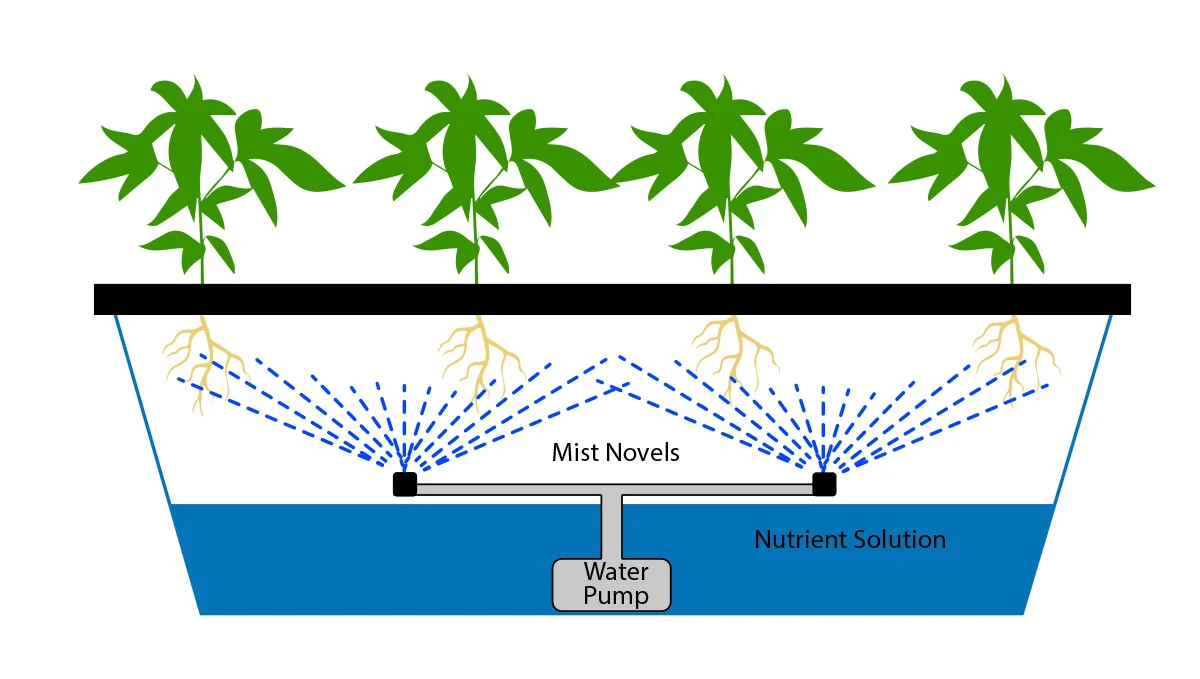
Aeroponics is an advanced growing method in which plants are suspended in the air, and their roots are misted with a nutrient-rich water solution. This system provides maximum oxygenation to the roots, potentially leading to faster growth and higher yields than traditional growing methods. Aeroponics is particularly well-suited to medical cannabis cultivation, as it allows for precise control over the growing environment and reduces the risk of contamination from soil or other media.
Watering and Irrigation in Aeroponics
In aeroponic systems, irrigation is delivered in the form of a fine mist, which coats the roots with a nutrient-rich solution. The misting cycles must be carefully timed to ensure that the roots remain moist without becoming oversaturated, as they are highly exposed to the air.
- High-Pressure Misting: High-pressure misting systems are used to create fine droplets that can easily be absorbed by the plant’s roots. These systems are designed to deliver water and nutrients in short bursts, which maximizes oxygenation while ensuring the plants receive adequate hydration and nutrition.
- Automated Timers: In aeroponic systems, the timing of the misting cycles is critical. Automated timers are typically used to control when and how long the roots are misted, ensuring that the plants receive consistent care throughout the day. These timers can be adjusted based on the plant’s growth stage, environmental conditions, and the specific needs of the medical cannabis strain being cultivated.
- Closed-Loop Systems: Many aeroponic setups are designed as closed-loop systems, where excess water is collected and recirculated to minimize waste. This is particularly beneficial in medical cannabis cultivation, where sustainability and resource efficiency are often priorities.
Monitoring and Maintenance
To guarantee that the plants in aeroponic systems receive the proper amount of water and nutrients, close observation is necessary. The fine misting systems can become clogged if not properly maintained, and water quality must be closely monitored to prevent contamination. Regular cleaning of the misting nozzles and other system components is necessary to ensure the plants remain healthy and free from pathogens.
5. Nutrient Delivery in Different Irrigation Systems
For medical cannabis, the delivery of nutrients is just as important as water delivery, as it directly impacts the cannabinoid profile and quality of the final product. Different irrigation systems and growing mediums require specific approaches to nutrient management.
- Soil: Nutrients are often pre-mixed into the soil, and additional nutrients can be added through watering. However, nutrient delivery in soil is less precise compared to soilless systems, and nutrient imbalances can occur if the soil is not properly managed.
- Coco Coir: Since coco coir is an inert medium, all nutrients must be added through the water. This allows for precise control over nutrient levels, but it also requires careful monitoring to avoid nutrient deficiencies or excesses.
- Hydroponics: In hydroponic systems, nutrients are dissolved directly in the water, allowing for complete control over the nutrient profile. However, hydroponic growers must closely monitor nutrient concentrations to prevent nutrient lockout or toxic buildup.
- Aeroponics: In aeroponics, nutrients are delivered through the misting system. Because the roots are exposed to air, the plants may absorb nutrients more efficiently than in other systems, but this also requires precise nutrient management to avoid over-fertilization.
Restrictions on Growing and Using Cannabis in the Medical Field (As a Last Resort)

- Legal and Regulatory Oversight: Medical cannabis is heavily regulated by government authorities to ensure that it is only used for medical purposes. Patients must typically obtain a prescription from a licensed medical professional, and cultivation is often limited to licensed growers who meet strict quality and safety standards.
- Last Resort Usage: Medical cannabis is often prescribed as a last resort, after other conventional treatments have been tried and found ineffective. This approach helps to ensure that cannabis is only used when absolutely necessary for medical purposes, such as managing chronic pain, severe nausea, or certain neurological conditions.
- Monitoring THC Levels: To prevent unwanted psychoactive effects, especially in vulnerable patients, medical cannabis products are carefully formulated with controlled levels of THC (tetrahydrocannabinol). Low-THC and high-CBD (cannabidiol) strains are often preferred to provide therapeutic benefits without causing intoxication. Regular testing ensures that THC levels stay within safe, non-psychoactive limits for patients.
- Patient Monitoring: Healthcare providers monitor patients using medical cannabis to assess its effectiveness, side effects, and potential psychoactive impact. Depending on the patient’s condition and reaction to treatment, dosage or formulation changes may be necessary.
Conclusion
In medical cannabis cultivation, the choice of watering and irrigation systems, along with the growing medium, plays a critical role in ensuring optimal plant health and quality. Soil, coco coir, hydroponics, and aeroponics each have unique water management requirements, and selecting the right system is crucial for producing high-quality cannabis for medicinal use. Precise control over water, nutrients, and environmental conditions leads to consistent cannabinoid production, which is essential for developing reliable medical cannabis therapies.
The cultivation and use of cannabis in the medical field are tightly regulated to ensure patient safety and product quality. Medical cannabis is often prescribed as a last resort when conventional treatments have failed, and THC levels in medications are carefully monitored to prevent psychoactive effects. This strict oversight ensures that cannabis is used safely and effectively in treating various conditions without compromising patient health.
Ultimately, the combination of proper growing techniques, precise irrigation, and stringent regulatory measures ensures that medical cannabis remains a viable, safe, and effective option for patients requiring alternative therapies. The focus on medical use, particularly with careful attention to THC content and patient monitoring, allows cannabis to provide therapeutic benefits without undesirable psychoactive effects, making it a critical tool in modern medicine.
