How to Water Medical Cannabis Plants in Hydroponic Systems
Growing medical cannabis using hydroponic systems offers numerous advantages, including faster growth rates, higher yields, and the ability to control the nutrient environment precisely. However, successful hydroponic cultivation requires a thorough understanding of how to water the plants effectively. This comprehensive guide will cover everything you need to know about watering medical cannabis plants in hydroponic systems.
Introduction to Hydroponic Systems
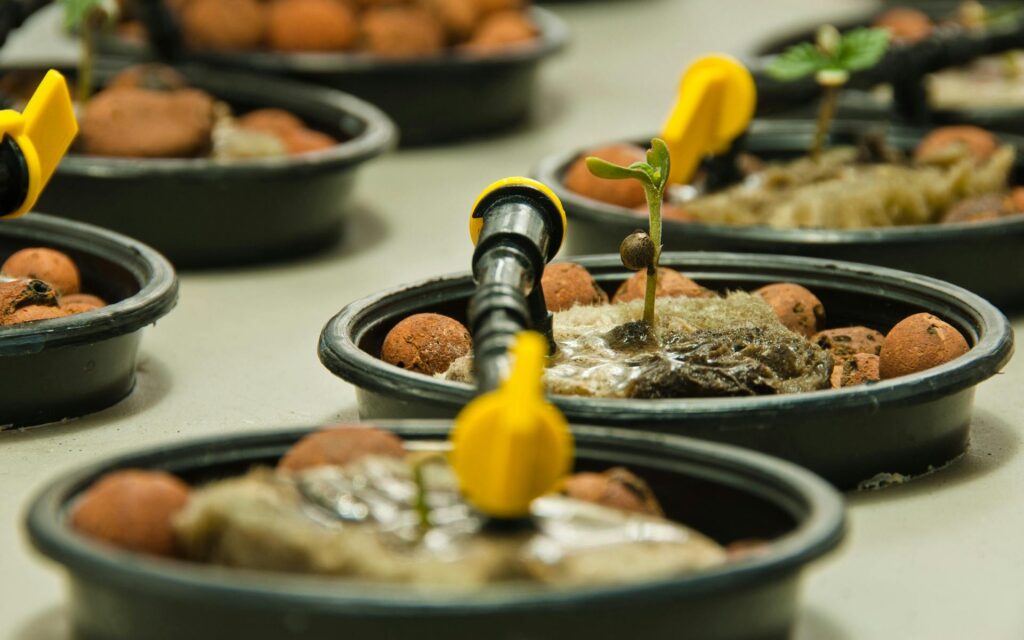
Hydroponics, derived from the Greek words “hydro” (water) and “ponos” (labor), is a method of growing plants without the use of soil. Instead, plants are cultivated in a nutrient-rich water solution, which provides all the essential elements required for growth. This system of cultivation has gained significant popularity, especially in the context of growing medical cannabis, due to its efficiency, control, and potential for higher yields.
The Basics of Hydroponics
In a traditional soil-based growing system, plants rely on soil as a medium to provide nutrients, water, and physical support. However, in hydroponics, soil is replaced with an inert growing medium, and nutrients are delivered directly to the plant roots through a water-based solution. This method allows for precise control over nutrient levels, pH, and environmental conditions, resulting in faster growth rates and higher yields.
Advantages of Hydroponic Systems
Compared to conventional soil-based growing techniques, hydroponic systems provide the following benefits:
- Faster Growth Rates: Plants grown hydroponically tend to grow faster due to the direct availability of nutrients and optimal environmental conditions.
- Higher Yields: With better control over the growing environment, hydroponic systems can produce higher yields compared to soil-based methods.
- Space Efficiency: Because hydroponic systems can be made to take up as little area as possible, they are appropriate for indoor and urban farming.
- Water Conservation: Hydroponics uses less water than traditional agriculture, as the water is recirculated and reused.
- Reduced Pest and Disease Pressure: Growing without soil reduces the risk of soil-borne diseases and pests.
- Nutrient Control: Plants get the right amount of nutrients at the right time for each stage of growth when nutrient levels are precisely managed.
Types of Hydroponic Systems
Hydroponic systems come in various varieties, each with a unique way of giving the plants water and nutrients. It is essential to comprehend the various systems in order to choose the one that best fits your requirements and growing environment.
1. Deep Water Culture (DWC)
In a Deep Water Culture system, plant roots are suspended in a nutrient-rich oxygenated water solution. An air pump and air stone are used to oxygenate the water, ensuring that the roots receive ample oxygen. This system is simple to set up and maintain, making it popular among beginners.
2. Nutrient Film Technique (NFT)
With the nutritional Film Technique, plant roots hung in a trough or channel are covered with a thin layer of nutritional solution. The steady supply of nutrients and water to the roots is guaranteed by the unceasing flow of nutrients. NFT systems are efficient and well-suited for smaller plants and herbs.
3. Ebb and Flow (Flood and Drain)
Nutrient solution is periodically flooded onto the growth tray in an Ebb and Flow system, where it eventually drains back into the reservoir. The roots receive nutrients and oxygen from this cycle of flooding and draining. Ebb and Flow systems are versatile and can accommodate a variety of plant sizes.
4. Drip System
By means of a network of drip emitters, a drip system provides nutrient solution straight to the base of every plant. The precise management of the water and fertilizer levels for every plant is possible with this technology. Drip systems are highly scalable and can be used for both small and large-scale operations.
5. Aeroponics
Plant roots are suspended in the air and misted with a nutritional solution in aeroponics systems. This method provides excellent oxygenation and nutrient delivery, promoting rapid growth and high yields. Aeroponics systems are highly efficient but require more sophisticated equipment and maintenance.
6. Wick System
In a Wick System, a wick draws nutrient solution from a reservoir to the plant roots through capillary action. This passive system is simple and inexpensive but may not provide sufficient nutrients for larger or fast-growing plants.
Understanding Plant Water Needs
Water is fundamental to the growth and health of medical cannabis plants in a hydroponic system. It is the primary medium through which nutrients are delivered to the plant roots, and it plays several critical roles in plant physiology. Understanding the water needs of cannabis plants at different growth stages and environmental conditions is essential for optimizing growth and maximizing yields.
The Role of Water in Plant Growth
Water serves multiple vital functions in the life of a cannabis plant:
- Nutrient Transport: When nutrients are dissolved in water, they can be moved from the roots to different sections of the plant, where they are required for development and growth.
- Photosynthesis: Water is essential to photosynthesis, the process by which light energy is transformed into chemical energy and oxygen and glucose are produced.
- Cell Structure: Water helps maintain cell turgor pressure, which is essential for maintaining the structural integrity of the plant.
- Temperature Regulation: Through the process of transpiration, water evaporates from the leaves, helping to cool the plant and regulate its internal temperature.
- Metabolic Processes: Water is involved in various biochemical reactions within the plant, including enzyme activity and the synthesis of essential compounds.
Water Needs at Different Growth Stages
Cannabis plants have varying water needs at different stages of their life cycle. Adjusting the watering regimen according to these needs is crucial for healthy growth and optimal yields.
1. Seedling Stage
- Water Requirement: Low
- Characteristics: At this stage, cannabis seeds have just germinated, and the young seedlings have delicate roots. They require a consistently moist but not waterlogged environment to develop a strong root system.
- Watering Tips: Use a gentle watering method, such as misting or a drip system with low flow rates, to keep the growing medium evenly moist. Ensure the nutrient solution is diluted to avoid nutrient burn.
2. Vegetative Stage
- Water Requirement: Medium to High
- Characteristics: During the vegetative stage, cannabis plants experience rapid growth, developing strong stems and lush foliage. This stage demands higher water and nutrient intake to support the increased metabolic activity.
- Watering Tips: Increase the frequency and volume of watering to meet the plants’ higher demands. Ensure the nutrient solution is well-balanced and maintain optimal pH and EC levels. Monitor the plants for signs of overwatering (e.g., yellowing leaves) or underwatering (e.g., wilting).
3. Flowering Stage
- Water Requirement: Medium
- Characteristics: In the flowering stage, cannabis plants shift their focus from vegetative growth to bud development. While the water needs are still significant, they are generally lower than during the peak of the vegetative stage.
- Watering Tips: Adjust the watering schedule to ensure stable moisture levels, avoiding fluctuations that can stress the plants. Pay close attention to nutrient requirements, as deficiencies or imbalances can affect bud quality and yield.
Water Quality
When producing medical cannabis in hydroponic systems, water quality is very important. Better yields and healthier growth are the results of providing plants with essential nutrients free from hazardous toxins through the use of high-quality water. This section will cover the essential aspects of water quality, including pH levels, electrical conductivity (EC), temperature, and purity, and how to maintain optimal water quality in hydroponic systems.
Key Parameters of Water Quality
1. pH Level
Importance:
- pH is a measure of how acidic or alkaline the water is.
- The pH level affects nutrient availability and uptake by the plant roots.
- Cannabis plants prefer a slightly acidic environment.
Optimal Range:
- The ideal pH range for cannabis in hydroponic systems is between 5.5 and 6.5.
Monitoring and Adjustment:
- Use a reliable pH meter to regularly check the pH of the nutrient solution.
- If the pH is too high (alkaline), add pH-down solutions (phosphoric acid or citric acid).
- If the pH is too low (acidic), add pH-up solutions (potassium hydroxide or sodium bicarbonate).
2. Electrical Conductivity (EC)
Importance:
- EC measures the concentration of dissolved salts (nutrients) in the water.
- It indicates the strength of the nutrient solution, ensuring that plants receive the correct nutrient levels.
Optimal Range:
- The ideal EC range for cannabis varies depending on the growth stage:
- Seedlings: 0.8 – 1.3 mS/cm
- Vegetative stage: 1.2 – 2.0 mS/cm
- Flowering stage: 1.5 – 2.5 mS/cm
Monitoring and Adjustment:
- Use an EC meter to regularly check the nutrient solution’s concentration.
- Adjust the nutrient strength by adding more nutrient solution to increase EC or diluting with water to decrease EC.
3. Temperature
Importance:
- Water temperature affects nutrient solubility and oxygen levels.
- Ideal temperatures promote healthy root growth and prevent diseases.
Optimal Range:
- The ideal water temperature for hydroponic systems is between 18°C and 22°C (65°F and 72°F).
Monitoring and Adjustment:
- Use a water thermometer to monitor the temperature regularly.
- In warmer climates, use water chillers or coolers to maintain the optimal temperature.
- In cooler climates, use aquarium heaters to raise the water temperature if necessary.
4. Purity
Importance:
- Pure water ensures that plants receive nutrients without harmful contaminants like chlorine, chloramines, heavy metals, or pathogens.
Sources of Pure Water:
- Filtered Water: Use activated carbon filters to remove chlorine and chloramines.
- Reverse Osmosis (RO) Water: RO systems remove most contaminants, providing highly pure water ideal for hydroponics.
Monitoring and Adjustment:
- Test water for contaminants before using it in your hydroponic system.
- Regularly replace filters in water purification systems to maintain water quality.
Nutrient Solutions
In hydroponic systems, nutrient solutions are the lifeblood of plant growth. They provide all the essential elements that cannabis plants need to thrive, delivered directly to the root zone via water. Understanding how to prepare, manage, and optimize nutrient solutions is crucial for achieving healthy and high-yielding medical cannabis crops.
The Basics of Nutrient Solutions
A nutrient solution is a mixture of water and essential nutrients required for plant growth. These nutrients are divided into two categories: macronutrients and micronutrients.
Macronutrients
Macronutrients are required by plants in larger quantities. They include:
- Nitrogen (N): Essential for vegetative growth, leaf development, and overall plant vigor.
- Phosphorus (P): Crucial for root development, flowering, and energy transfer within the plant.
- Potassium (K): Important for overall plant health, water regulation, and enzyme activation.
- Calcium (Ca): Necessary for cell wall structure and stability, root development, and nutrient uptake.
- Magnesium (Mg): Central component of chlorophyll, important for photosynthesis and enzyme function.
- Sulfur (S): Involved in the synthesis of amino acids, proteins, and vitamins.
Micronutrients
Micronutrients are needed in smaller quantities but are still vital for plant health and development. They include:
- Iron (Fe): Important for chlorophyll synthesis and enzyme function.
- Manganese (Mn): Plays a role in photosynthesis and nitrogen metabolism.
- Zinc (Zn): Involved in enzyme activity and hormone production.
- Copper (Cu): Essential for photosynthesis and lignin synthesis in cell walls.
- Molybdenum (Mo): Necessary for nitrogen fixation and nitrate reduction.
- Boron (B): Important for cell wall formation and reproductive growth.
Watering Techniques for Different Hydroponic Systems
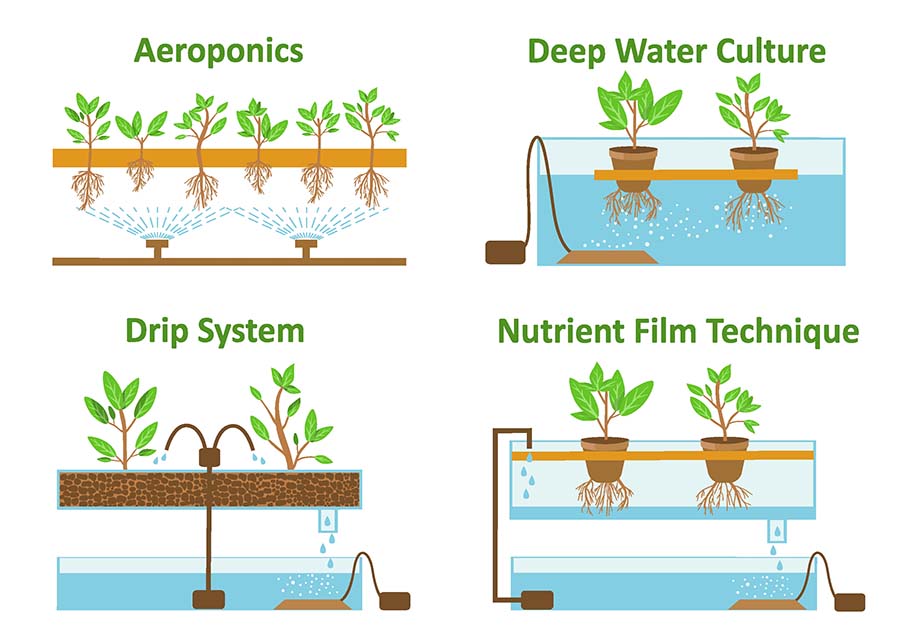
Hydroponic systems come in various designs, each with its own method of delivering water and nutrients to the plants. Understanding the specific watering techniques for each system is crucial for optimizing plant growth and health. This section will cover the watering techniques for the most common types of hydroponic systems: Deep Water Culture (DWC), Nutrient Film Technique (NFT), Ebb and Flow (Flood and Drain), Drip Systems, Aeroponics, and Wick Systems.
1. Deep Water Culture (DWC)
Description: In DWC systems, plant roots are suspended in an oxygen-rich nutrient solution. The roots are continuously submerged, allowing them direct access to water and nutrients.
Key Watering Techniques:
- Oxygenation:
- Use air pumps and air stones to oxygenate the water continuously. This prevents root rot and promotes healthy root growth by ensuring the roots have enough oxygen.
- The amount of oxygen dissolved in the water is crucial, so ensure the air pumps are powerful enough to keep the water well-aerated.
- Water Level Maintenance:
- Maintain a consistent water level. The roots should be submerged, but there should be enough air space to prevent them from suffocating.
- Regularly check the water level and top up with nutrient solution as needed.
- Nutrient Solution Changes:
- Change the nutrient solution every 1-2 weeks to prevent nutrient imbalances and the build-up of harmful substances.
- Monitor pH and EC levels regularly and adjust them to stay within the optimal range (pH 5.5-6.5, EC 1.0-2.5 mS/cm).
2. Nutrient Film Technique (NFT)
Description: In NFT systems, a thin film of nutrient solution continuously flows over the roots, which are suspended in a sloped channel. This ensures the roots have constant access to nutrients and oxygen.
Key Watering Techniques:
- Flow Rate:
- Ensure a steady and consistent flow rate. The nutrient solution should flow just enough to keep the roots moist without submerging them completely.
- A typical flow rate is around 1 liter per minute, but this can vary depending on the system size and plant needs.
- Slope and Channel Design:
- The channels should have a slight slope (1-3%) to allow proper drainage and prevent stagnant water.
- Ensure the channels are designed to avoid pooling of nutrient solution, which can lead to root diseases.
- Regular Monitoring:
- Check the roots regularly to ensure they are not drying out or developing rot.
- Monitor the nutrient solution’s pH and EC levels frequently, adjusting them as needed.
3. Ebb and Flow (Flood and Drain)
Description: In Ebb and Flow systems, the nutrient solution periodically floods the grow tray and then drains back into the reservoir. This cycle provides the roots with nutrients and oxygen.
Key Watering Techniques:
- Flooding Schedule:
- Determine the appropriate flooding frequency based on plant size, growth stage, and environmental conditions. Typically, 3-4 floods per day are sufficient during the vegetative stage.
- Each flood cycle should last long enough to thoroughly wet the growing medium but not so long that the roots remain submerged.
- Drainage:
- Ensure proper drainage to prevent waterlogging and root rot. The grow tray should drain completely after each flood cycle.
- Use a timer to automate the flooding and draining cycles.
- Reservoir Maintenance:
- Regularly clean and replenish the nutrient solution in the reservoir.
- Monitor the pH and EC levels of the nutrient solution and adjust them as needed.
4. Drip System
Description: Drip systems deliver nutrient solution directly to the base of each plant through drip emitters. This method allows for precise control over the amount of water and nutrients each plant receives.
Key Watering Techniques:
- Drip Rate:
- Adjust the drip rate to ensure each plant receives adequate moisture without overwatering.
- The drip rate will vary depending on the plant size and growth stage. Start with a slower rate and increase as needed.
- Emitter Placement:
- Position emitters close to the plant base to target the root zone directly.
- Ensure each plant has its own emitter to provide uniform water and nutrient distribution.
- Timer Settings:
- Use timers to control the frequency and duration of watering cycles. Typically, shorter, more frequent cycles are better for young plants, while longer cycles may be suitable for mature plants.
- Monitor the growing medium to ensure it remains evenly moist but not waterlogged.
5. Aeroponics
Description: Aeroponics systems suspend plant roots in the air and mist them with nutrient solution. This method provides excellent oxygenation and nutrient delivery.
Key Watering Techniques:
- Misting Frequency:
- Program the misting system to deliver short bursts of nutrient solution at regular intervals. Typically, 5-10 seconds every few minutes is sufficient.
- Adjust the misting frequency based on the plant’s growth stage and environmental conditions.
- Fine Mist:
- Ensure the mist is fine enough to provide even coverage without waterlogging the roots.
- Regularly check the misting nozzles to ensure they are functioning correctly and not clogged.
- System Maintenance:
- Regularly clean and maintain the misting nozzles to prevent clogging and ensure consistent misting.
- Monitor the nutrient solution’s pH and EC levels frequently, adjusting them as needed.
6. Wick System
Description: Wick systems use a wick to draw nutrient solution from a reservoir to the plant roots through capillary action. This passive system is simple and inexpensive but may not provide sufficient nutrients for larger or fast-growing plants.
Key Watering Techniques:
- Wick Material:
- Use absorbent materials like cotton or nylon for the wicks. Ensure the wicks are long enough to reach the nutrient solution in the reservoir and the plant roots.
- Reservoir Level:
- Maintain a consistent nutrient solution level in the reservoir to ensure continuous wicking. Check and refill the reservoir regularly.
- Plant Spacing:
- Avoid overcrowding to ensure each plant receives adequate moisture. The number of plants per wick system should be balanced to prevent nutrient competition.
Monitoring and Adjusting Watering
Effective watering in hydroponic systems requires continuous monitoring and adjustments:
- pH and EC Monitoring: Use pH and EC meters to regularly check and adjust the nutrient solution.
- Visual Inspections: Regularly inspect plants for signs of overwatering (e.g., yellowing leaves, root rot) or underwatering (e.g., wilting, nutrient deficiencies).
- Environmental Conditions: Monitor and control environmental factors like temperature, humidity, and light to optimize plant growth and water uptake.
Troubleshooting Common Watering Issues
Despite careful planning, issues can arise. Here are common problems and their solutions:
- Root Rot: Caused by overwatering and poor oxygenation. Solution: Improve aeration and drainage, reduce watering frequency.
- Nutrient Deficiencies: Caused by imbalanced nutrient solution or incorrect pH. Solution: Adjust nutrient solution and pH levels.
- Algae Growth: Caused by light exposure to nutrient solution. Solution: Cover reservoirs and channels to block light.
- Clogged Emitters or Misters: Caused by debris or mineral build-up. Solution: Regularly clean and maintain the system components.
Advanced Techniques
For experienced growers, advanced techniques can further optimize watering:
- Automated Systems: Use sensors and controllers to automate watering and nutrient delivery, ensuring precise and consistent care.
- Recirculating Systems: Implement recirculating systems to reuse nutrient solution, reducing waste and improving efficiency.
- Supplemental CO2: Enhance plant growth by adding CO2 to the grow environment, increasing water and nutrient uptake.
Conclusion
Watering medical cannabis plants in hydroponic systems requires a comprehensive understanding of plant water needs, water quality, nutrient solutions, and the specific watering techniques for different hydroponic systems. By mastering these elements, growers can optimize plant growth, maximize yields, and ensure the production of high-quality medical cannabis.
Key Takeaways
- Understanding Plant Water Needs:
- Water is vital for nutrient transport, photosynthesis, cell structure, temperature regulation, and metabolic processes.
- From seedlings to flowering plants, cannabis plants require varied amounts of water at different phases of their growth.
- Environmental factors such as temperature, humidity, light intensity, and airflow significantly impact water needs.
- Maintaining Water Quality:
- High-quality water ensures that plants receive essential nutrients without harmful contaminants.
- Key parameters of water quality include pH levels, electrical conductivity (EC), temperature, and purity.
- Regular monitoring and adjustments are necessary to maintain optimal water quality and prevent issues like nutrient deficiencies or toxicities.
- Managing Nutrient Solutions:
- The key macro- and micronutrients needed for cannabis growth are supplied via nutrition solutions.
- Proper preparation, mixing, and storage of nutrient solutions are crucial for plant health.
- Regular monitoring, adjustments, and preventive measures help maintain balanced nutrient levels and prevent imbalances.
- Implementing Specific Watering Techniques:
- Different watering strategies are needed for different hydroponic systems, including drip systems, aeroponics, wick systems, ebb and flow (also known as flood and drain), Deep Water Culture (DWC), Nutrient Film Technique (NFT), and Drip Systems.
- Each system has unique requirements for oxygenation, flow rates, flooding schedules, emitter placement, misting frequency, and wick material.
- Regular monitoring, system maintenance, and adjustments based on plant needs are essential for optimal performance.
Achieving Success in Hydroponic Cultivation
Success in hydroponic cultivation of medical cannabis hinges on the grower’s ability to provide precise and consistent care. This includes:
- Continuous Learning: Stay informed about the latest advancements in hydroponic techniques, nutrient formulations, and environmental control technologies.
- Attention to Detail: Regularly monitor all aspects of the growing environment, from water quality to plant health, and make timely adjustments as needed.
- System Maintenance: Keep all components of the hydroponic system clean and well-maintained to prevent issues and ensure efficient operation.
- Adaptability: Be prepared to adapt your techniques and strategies based on plant responses and changing environmental conditions.
By integrating these practices into your hydroponic cultivation routine, you can achieve robust growth, high yields, and superior quality medical cannabis. The attention to detail and commitment to optimizing every aspect of the growing process will ultimately lead to the production of cannabis that meets the highest standards of medicinal efficacy and safety.
In conclusion, successful hydroponic cultivation of medical cannabis is both a science and an art. It requires a deep understanding of plant physiology, precise control of the growing environment, and a proactive approach to managing water and nutrients. With the right knowledge and techniques, growers can harness the full potential of hydroponic systems to produce exceptional medical cannabis.
