Table of Contents
Violator Kush is a highly regarded cannabis strain known for its potent effects and distinctive characteristics. Developed by Barney’s Farm, this strain is a pure Indica-dominant hybrid that boasts a rich lineage, heavy yields, and a robust terpene profile. Violator Kush combines the genetics of Hindu Kush and Malana Cream, resulting in a strain that is revered by both recreational and medical cannabis users. Below, we delve into the detailed scientific, medical, and recreational aspects of Violator Kush, highlighting its chemical composition, potential benefits, and common applications.
Genetic Lineage and Cultivation
Violator Kush is the result of crossing two legendary strains:
- Hindu Kush: A pure Indica landrace strain from the Hindu Kush mountain region, known for its calming and sedative effects.
- Malana Cream: A high-potency hash strain originating from the Malana Valley in Himachal Pradesh, India, prized for its resin production and euphoric high.
Cultivating Violator Kush
1. Growth Characteristics
Violator Kush is an Indica-dominant hybrid, which means it exhibits traits typical of Indica strains. These include:
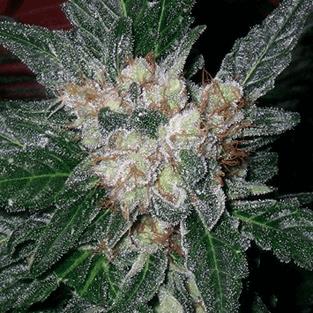
- Short and bushy structure: Ideal for indoor grows with height restrictions.
- Broad leaves: Indicating a need for ample light penetration.
- Resin-rich buds: High resin production makes it ideal for hash and concentrate extraction.
2. Environmental Requirements
To achieve optimal yields and maintain plant health, growers must consider the following environmental factors:
A. Temperature
- Optimal temperature range: 70–85°F (21–29°C) during the day.
- Nighttime temperature: 65–70°F (18–21°C).
- High tolerance for slightly cooler temperatures, inherited from its Hindu Kush lineage.
B. Humidity
- Vegetative stage: Maintain relative humidity (RH) between 40–60% to encourage healthy growth.
- Flowering stage: Lower RH to 30–40% to prevent mold or bud rot, as Violator Kush’s dense buds are prone to retaining moisture.
C. Light
- Indoor cultivation: Requires high-intensity light sources like HPS (High-Pressure Sodium) or LED grow lights for maximum resin production and dense buds.
- Outdoor cultivation: Thrives in regions with warm, sunny climates, mimicking its origins in mountainous regions.
D. Soil and Mediums
- Prefers well-draining, nutrient-rich soil for organic cultivation.
- Alternatively, hydroponic systems provide faster growth and greater control over nutrients but require meticulous monitoring.
3. Nutritional Needs
Violator Kush has specific nutrient demands at various stages:
A. Vegetative Stage:
- Nitrogen (N): High levels to promote robust vegetative growth.
- Phosphorus (P): Moderate levels for root development.
- Potassium (K): Support overall plant vigor.
B. Flowering Stage:
- Gradual reduction of nitrogen to focus energy on bud development.
- High phosphorus and potassium: Boost flower density and resin production.
- Micronutrients: Calcium, magnesium, and sulfur are crucial for overall health and resin quality.
Tip: Organic additives such as bat guano, bone meal, and kelp extracts can enhance flavor and aroma profiles.
4. Training and Pruning Techniques
Due to its bushy structure, Violator Kush benefits from strategic training to maximize light exposure and airflow:
- Low-Stress Training (LST): Bending and tying down branches to encourage lateral growth.
- Topping: Cutting the main stem to promote bushier growth and increase yield.
- Defoliation: Removing excess leaves to improve airflow and prevent mold during flowering.
5. Flowering Period
- Indoors: Violator Kush has a relatively short flowering time of 8–10 weeks, making it suitable for multiple harvests per year.
- Outdoors: Flowers are ready for harvest by late September to early October in the Northern Hemisphere.
6. Pest and Disease Management
Violator Kush is resilient but not immune to common cannabis pests and diseases:
- Pests: Monitor for spider mites, aphids, and fungus gnats. Introduce beneficial insects (e.g., ladybugs or predatory mites) or use organic insecticides like neem oil.
- Diseases: Its dense buds make it prone to mold and bud rot. Maintain low humidity and adequate airflow, especially during flowering.
- Preventative measures: Regular inspection, maintaining cleanliness, and using sterile tools reduce risks.
7. Harvesting and Curing
Proper harvesting and curing techniques are critical for maximizing the strain’s potency and flavor:

- Harvest timing: Look for amber-colored trichomes on buds, indicating peak THC levels.
- Drying: Hang harvested buds in a dark, well-ventilated space with a temperature of 60–70°F (15–21°C) and RH of 50–60%.
- Curing: Store dried buds in airtight containers, opening them daily for the first week to release excess moisture and enhance flavor over time.
8. Advanced Techniques
Experienced growers can experiment with advanced methods to optimize yields and quality:
- CO₂ Supplementation: Enhancing CO₂ levels (1,200–1,500 ppm) during the vegetative and early flowering stages can significantly increase growth and bud density.
- SCROG (Screen of Green): A net or screen can be used to spread out the plant canopy, ensuring even light distribution and maximizing yield.
9. Yield Expectations
- Indoor cultivation: Yields range from 500–650 grams/m² under optimal conditions.
- Outdoor cultivation: Can exceed 800 grams per plant, depending on climate and care.
Chemical Composition
Violator Kush stands out due to its impressive cannabinoid and terpene profiles, which contribute to its effects, flavor, and aroma.
- Cannabinoids:
- THC: Violator Kush typically has a THC content ranging from 18% to 22%, making it a strong strain appropriate for long-term users.
- CBD: The CBD levels are relatively low, usually under 1%, but enough to provide some therapeutic effects, especially when combined with THC.
- Terpenes:
- Myrcene: Dominant in Violator Kush, myrcene is responsible for its earthy and musky aroma while contributing to its sedative effects.
- Caryophyllene: This spicy terpene adds a peppery note to the strain’s flavor and has anti-inflammatory properties.
- Limonene: Present in smaller amounts, limonene provides a subtle citrus undertone and contributes to mood elevation.
- Humulene: Known for its woody and herbal scent, humulene may have appetite-suppressing properties.
Appearance, Aroma, and Flavor
- Appearance:
- Violator Kush has dense, medium-sized buds that are bright green with hints of orange from its pistils. The buds are coated with a thick layer of trichomes, giving them a frosty and sticky appearance.
- Aroma:
- The strain emits a strong earthy scent, often described as a blend of musky and woody notes with hints of spice.
- Flavor:
- When smoked or vaporized, Violator Kush delivers a rich flavor profile that mirrors its aroma. The earthy taste is complemented by subtle spicy and herbal undertones, making it a favorite for connoisseurs.
Recreational Uses
Violator Kush is a go-to strain for recreational cannabis users who seek relaxation and stress relief. It is perfect for use in the evening or at night because of its Indica dominance.

- Relaxation and Stress Relief:
- The high THC content produces a deeply relaxing effect that helps users unwind after a long day.
- Many users report a calming body high that pairs well with activities like watching movies, listening to music, or meditating.
- Euphoria and Mood Elevation:
- Despite its Indica-heavy lineage, Violator Kush induces a gentle euphoria that uplifts the mood, making it a fantastic option for creative endeavors or social events.
- Sleep Aid:
- The strain’s sedative properties can help users fall asleep more easily, making it a favorite among those seeking restful sleep.
- Enhanced Sensory Perception:
- Many users note heightened sensory experiences, such as enhanced taste and touch, which can enhance activities like enjoying a gourmet meal or relaxing in a spa-like setting.
Medical Applications
Violator Kush is a versatile strain with a range of potential therapeutic benefits. Its combination of cannabinoids and terpenes makes it effective for addressing both physical and psychological conditions.
- Pain Management:
- The strain’s high THC levels and myrcene content work synergistically to provide relief from chronic pain, muscle spasms, and inflammation.
- Conditions like arthritis, fibromyalgia, and migraines may benefit from its analgesic effects.
- Stress and Anxiety:
- Violator Kush’s calming properties can help alleviate symptoms of anxiety and stress, providing a sense of tranquility and relaxation.
- However, users prone to THC-induced anxiety should start with small doses to gauge their tolerance.
- Insomnia:
- The sedative effects of Violator Kush make it highly effective for treating insomnia and other sleep disorders. It helps users achieve deeper, more restorative sleep.
- Appetite Stimulation:
- While not as appetite-inducing as some other strains, Violator Kush can still help combat appetite loss caused by conditions like chemotherapy, HIV/AIDS, or eating disorders.
- Nausea and Gastrointestinal Issues:
- The anti-nausea properties of THC, combined with the calming effects of myrcene, make this strain a good choice for managing nausea and gastrointestinal discomfort.
- Depression:
- The mild euphoria and mood-enhancing effects of Violator Kush can help alleviate symptoms of depression, though its sedative nature may make it less suitable for daytime use.
Scientific Insights
The therapeutic effects of Violator Kush are backed by research into its key components:
- Myrcene:
- Studies show that myrcene has sedative properties and enhances the permeability of cell membranes, allowing for THC and other cannabinoids to be absorbed more quickly. This could explain Violator Kush’s rapid onset of effects.
- Caryophyllene:
- Caryophyllene’s ability to bind to CB2 receptors in the endocannabinoid system suggests anti-inflammatory and analgesic potential. This makes Violator Kush an effective strain for pain relief.
- THC and CBD:
- THC is known for its psychoactive effects and ability to reduce pain, stimulate appetite, and relieve nausea. Even with low CBD levels, the entourage effect—the synergistic interaction between cannabinoids and terpenes—amplifies the therapeutic benefits.
- Entourage Effect:
- Violator Kush’s diverse terpene profile enhances the strain’s overall efficacy. For example, limonene’s uplifting properties balance myrcene’s sedative effects, creating a more nuanced high.
Side Effects and Precautions
Like any cannabis strain, Violator Kush comes with potential side effects, especially for inexperienced users or those sensitive to THC.
- Dry Mouth and Eyes:
- Common side effects include cottonmouth and dry eyes, which can be mitigated by staying hydrated and using eye drops.
- Dizziness and Paranoia:
- High doses of THC can cause dizziness or paranoia in some users. Starting with a small amount and gradually increasing the dose can help avoid these effects.
- Sedation:
- While sedation is one of the strain’s desired effects, it may be too intense for some users, particularly during daytime use. It is best reserved for evenings or before bedtime.
- THC Sensitivity:
- Users with a low tolerance for THC should approach this strain with caution, as its potency can lead to overwhelming effects.
Methods of Ingestion, Duration, Onset, and Effects of Violator Kush
1. Methods of Ingestion
The method of ingestion is a crucial factor influencing how Violator Kush interacts with the body. Here’s a detailed exploration of its common ingestion methods:
A. Smoking
- Description: Cannabis is combusted and inhaled through joints, pipes, or bongs.
- Mechanism: Combustion releases cannabinoids and terpenes, which are absorbed directly into the bloodstream via the alveoli in the lungs.
- Onset: 1–5 minutes, as the bloodstream quickly delivers THC to the brain.
- Duration: Effects last for 1.5–3 hours.
- Pros: Rapid onset makes it ideal for immediate symptom relief.
- Cons: Combustion produces harmful byproducts that may irritate the respiratory system.
B. Vaping
- Description: Heats cannabis to a temperature where cannabinoids and terpenes vaporize without combustion.
- Mechanism: Preserves terpenes and cannabinoids, offering a cleaner delivery to the bloodstream.
- Onset: 1–3 minutes, similar to smoking.
- Duration: Lasts 1.5–3 hours.
- Pros: Reduces exposure to harmful byproducts while preserving flavor and effects.
- Cons: Requires a vaporizer, which can be expensive.
C. Edibles
- Description: Cannabis is infused into food or beverages.
- Mechanism: THC is metabolized by the liver into 11-hydroxy-THC, a more potent and long-lasting compound.
- Onset: 30–90 minutes, due to digestion and liver processing.
- Duration: Effects last 4–8 hours, with some residual effects lingering.
- Pros: Long-lasting effects, discreet, and no respiratory impact.
- Cons: Onset delay may lead to overconsumption by inexperienced users.
D. Tinctures
- Description: Concentrated cannabis extract dissolved in alcohol or oil, applied sublingually (under the tongue).
- Mechanism: Absorbed through mucous membranes into the bloodstream, bypassing first-pass metabolism.
- Onset: 15–30 minutes, faster than edibles but slower than inhalation.
- Duration: Effects last 3–6 hours.
- Pros: Precise dosing, discreet, and quicker onset than edibles.
- Cons: Slight delay compared to smoking or vaping.
E. Concentrates (e.g., Wax, Shatter, Rosin)
- Description: Highly concentrated cannabis extracts consumed via dabbing or vaping.
- Mechanism: Contains high THC levels (often 60–90%) for rapid delivery of cannabinoids.
- Onset: 1–3 minutes, similar to vaping.
- Duration: Effects last 1–3 hours.
- Pros: Potent effects and quick onset with small quantities.
- Cons: High potency may overwhelm inexperienced users.
2. Onset and Duration of Effects
The onset and duration of Violator Kush’s effects depend on the method of ingestion, cannabinoid profile, and individual factors like metabolism and tolerance.
A. Onset of Effects
- Inhalation (Smoking/Vaping): Immediate effects due to rapid absorption through lung tissues.
- Edibles: Delayed onset as THC is processed through the liver. Sublingual (Tinctures): Faster than edibles but slower than inhalation.
B. Duration of Effects - Smoking/Vaping: Shorter duration (1.5–3 hours) with a steep onset and taper.
- Edibles: Long-lasting effects (4–8 hours) with a gradual taper.
- Sublingual: Intermediate duration (3–6 hours).
3. Effects of Violator Kush
Violator Kush delivers a blend of psychoactive and physical effects shaped by its cannabinoid (THC ~18–22%) and terpene profile:
A. Psychoactive Effects
- Euphoria: Mood upliftment and stress relief, attributed to THC and limonene.
- Mental Relaxation: Subtle cerebral stimulation without overwhelming focus, ideal for winding down.
B. Physical Effects - Deep Relaxation: Myrcene induces a sedative body high, often leading to couch-lock
- . Pain Relief: Caryophyllene contributes to its anti-inflammatory and analgesic properties.
- Appetite Stimulation: THC activates CB1 receptors, enhancing the “munchies.”
C. Sedation and Sleep
- High doses often lead to sedation, making it ideal for combating insomnia.
4. Biochemical Mechanisms of Action
Violator Kush interacts with the endocannabinoid system (ECS) to produce its effects:
A. Cannabinoids
- THC: Binds to CB1 receptors in the brain and CNS, producing euphoria, relaxation, and appetite stimulation
- CBD (Trace levels): Modulates THC’s effects, reducing anxiety and paranoia.
B. Terpenes - Myrcene: Enhances sedative effects and aids in THC absorption.
- Caryophyllene: Provides anti-inflammatory effects by binding to CB2 receptors.
- Limonene: Modulates serotonin receptors, uplifting mood and alleviating stress
C. Entourage Effect - Synergy between cannabinoids and terpenes amplifies therapeutic benefits and balances psychoactivity.
Community Feedback and Popularity
Violator Kush has garnered a loyal following among both recreational and medical cannabis users. Online reviews frequently highlight its ability to:
- Alleviate chronic pain and stress.
- Provide a long-lasting and relaxing high.
- Serve as a reliable sleep aid.
Its robust terpene profile and high potency make it a staple in dispensaries, and its versatility ensures broad appeal.
Conclusion
Violator Kush is a standout strain that combines the best traits of its parent strains, offering a potent and well-rounded experience. Its therapeutic potential, coupled with its recreational appeal, makes it a valuable addition to any cannabis enthusiast’s repertoire. Whether you seek relief from pain, stress, or insomnia, or simply wish to relax and enjoy a euphoric high, Violator Kush delivers on all fronts. Its rich history, impressive cannabinoid profile, and consistent effects ensure it remains a favorite among cannabis connoisseurs.
For a complete directory of cultivars, visit our Cannabis Strain Reviews.
