Vertical Farming Techniques for Medical Cannabis: Optimizing Growth for Medical Use
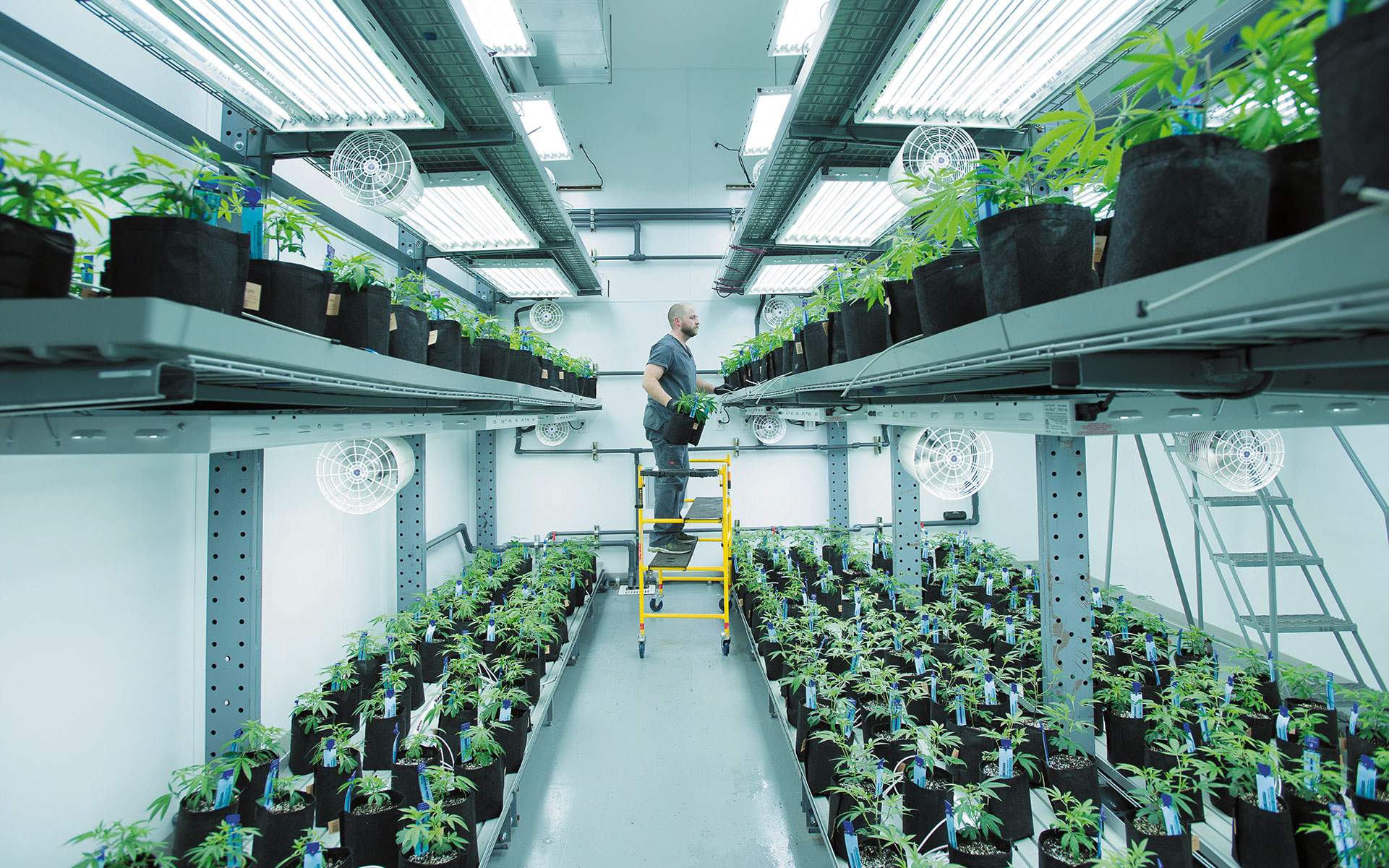
Vertical farming, an advanced cultivation technique, offers tremendous potential for medical cannabis production. This method maximizes space efficiency by growing plants in stacked layers, which is particularly valuable in urban or confined spaces. The ability to control environmental factors such as light, temperature, humidity, and nutrient delivery allows for precise cultivation, resulting in consistent yields of high-quality medical cannabis. This 5000-word guide will explore the technical aspects, benefits, challenges, and best practices for vertical farming of medical cannabis, emphasizing its role in medical cannabis growing and medical use.
Table of Contents
- Introduction to Vertical Farming and Medical Cannabis
- Benefits of Vertical Farming for Medical Cannabis
- Key Considerations for Setting Up a Vertical Cannabis Farm
- Space Management
- Light Distribution and Quality
- Nutrient Delivery Systems
- Temperature and Humidity Control
- Air Circulation and CO2 Management
- Stacking Systems and Vertical Growing Configurations
- The Role of Hydroponics, Aeroponics, and Aquaponics in Vertical Farming
- Hydroponics
- Aeroponics
- Aquaponics
- Automation in Vertical Cannabis Farming
- Sensors and Monitoring Systems
- Irrigation and Nutrient Delivery Automation
- Best Practices for Vertical Farming of Medical Cannabis
- Strain Selection for Vertical Farming
- Managing Plant Canopy and Pruning
- Pest and Disease Management
- Sustainability and Vertical Farming
- Water Efficiency
- Energy Use
- Reducing Pesticides
- Medical Benefits of Vertical-Farmed Cannabis
- Challenges in Vertical Farming of Medical Cannabis
- Conclusion
1. Introduction to Vertical Farming and Medical Cannabis
Vertical farming has revolutionized agriculture by utilizing vertical space to maximize plant growth. The method has gained popularity in urban areas where land is limited and expensive, allowing growers to achieve higher plant densities in smaller spaces. Medical cannabis, which requires controlled growing conditions for optimal quality, is particularly well-suited for vertical farming.
In medical cannabis cultivation, consistency in cannabinoid and terpene profiles is essential for ensuring patients receive reliable therapeutic effects. Vertical farming’s highly controlled environments allow growers to optimize these profiles for medical purposes, making it a valuable tool in the medical cannabis industry.
2. Benefits of Vertical Farming for Medical Cannabis
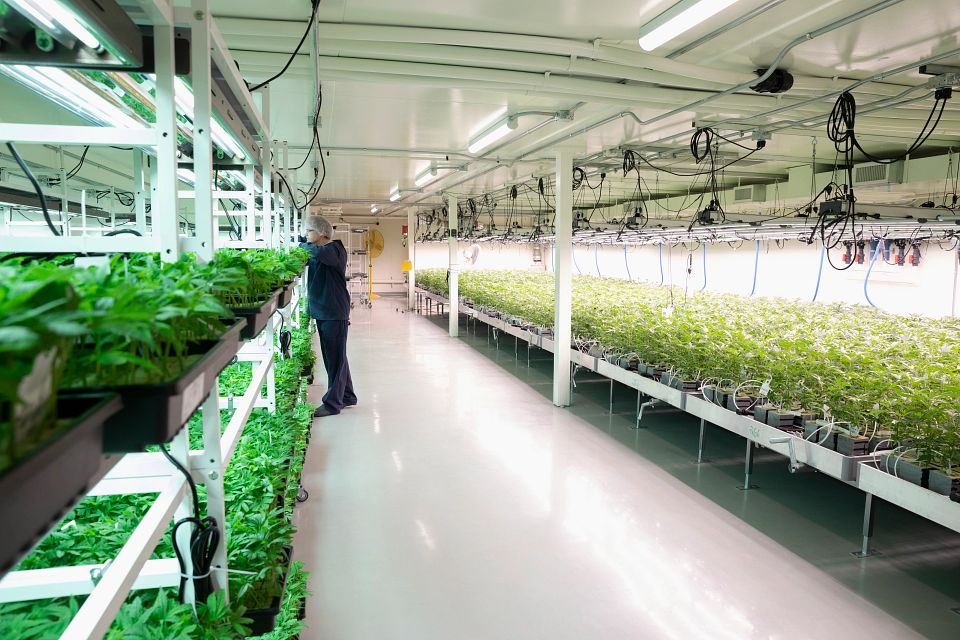
Vertical farming offers numerous advantages for medical cannabis cultivation, including:
- Space Efficiency: By utilizing vertical space, growers can multiply their yields in the same footprint. This is especially beneficial for indoor medical cannabis production, where space is often at a premium.
- Environmental Control: Accurate control of environmental parameters such as temperature, humidity, light, and CO2 levels is possible with vertical farming. This control ensures optimal growing conditions for medical cannabis, leading to higher yields and consistent chemical profiles.
- Resource Efficiency: Vertical farms often use advanced systems like hydroponics or aeroponics, which reduce water and nutrient consumption compared to traditional soil-based farming. This is crucial for medical cannabis, where quality and purity are of utmost importance.
- Pest and Disease Control: The closed environments of vertical farms minimize exposure to pests and pathogens, reducing the need for chemical pesticides. For medical cannabis, minimizing pesticide use is essential to meet the strict standards for medical-grade cannabis.
3. Key Considerations for Setting Up a Vertical Cannabis Farm
Vertical farming for medical cannabis requires careful planning and execution to optimize the growing conditions and ensure high-quality yields. Key considerations include space management, lighting, nutrient delivery, climate control, and air circulation.
Space Management
The main benefit of vertical farming is that it makes the most of available space. Cannabis plants can be grown in multi-tier systems, allowing growers to stack several layers of plants in the same space. However, each tier must have adequate height for plant growth and maintenance. For medical cannabis, spacing must also allow for proper air circulation to prevent mold and other diseases.
Light Distribution and Quality
In the process of growing cannabis, light is essential. For plants in vertical farming to obtain the best light spectrum possible for photosynthesis and the generation of cannabinoids, there must be homogeneous light dispersion throughout all layers. Because LED lighting can produce customized light spectrums and is energy-efficient, it is frequently chosen. Blue and red light spectrums are typically used for different stages of cannabis growth.
Nutrient Delivery Systems
Hydroponic and aeroponic systems are commonly used in vertical cannabis farming due to their water efficiency and ability to deliver nutrients directly to the roots. Nutrient delivery must be carefully managed to avoid overfeeding or underfeeding the plants, which can affect their growth and cannabinoid content. Automated nutrient delivery systems can help maintain consistency, which is crucial for medical-grade cannabis.
Temperature and Humidity Control
For cannabis to grow, the proper temperature and humidity must be maintained. In a vertical farm, each layer may have slightly different microclimates, so it’s important to monitor and control these variables across all levels. The ideal temperature for cannabis typically ranges between 68°F and 77°F (20°C – 25°C) during the day, with slightly cooler temperatures at night. Humidity should be kept at 40-60%, depending on the stage of growth.
Air Circulation and CO2 Management
Proper air circulation is critical to prevent mold and mildew, which can quickly destroy a crop. Fans should be positioned carefully to guarantee that air passes through each layer uniformly. Additionally, CO2 levels must be monitored and controlled, as elevated CO2 can significantly increase cannabis yields by boosting photosynthesis.
4. Stacking Systems and Vertical Growing Configurations
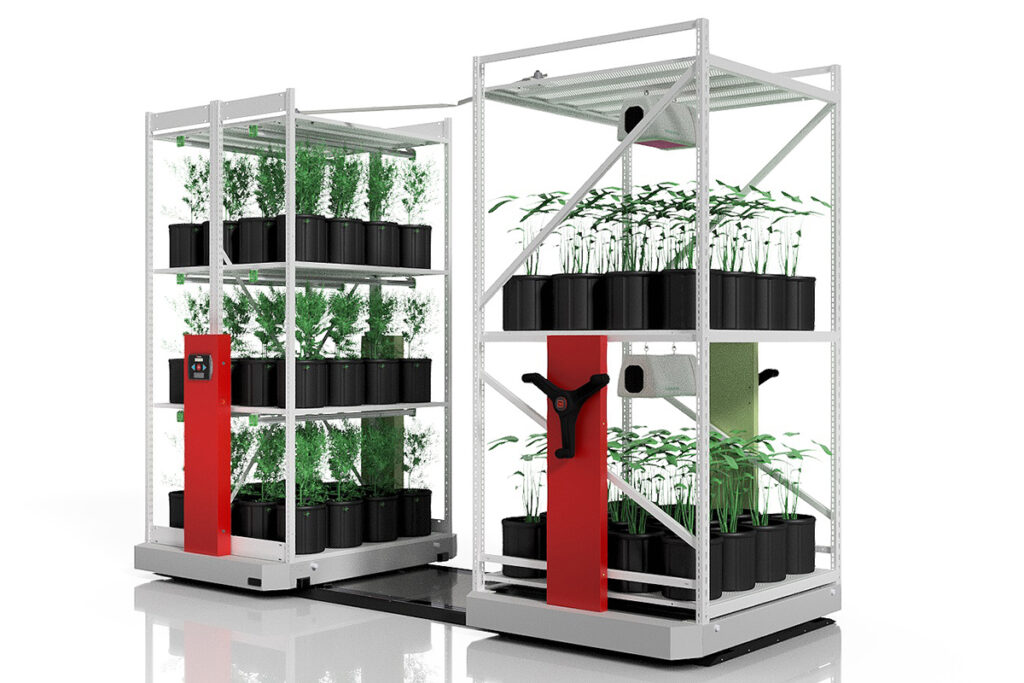
The configuration of your vertical farm will depend on the available space, resources, and the specific needs of the cannabis plants. Common stacking systems for vertical cannabis farming include:
- Static Racks: These systems are fixed in place and allow multiple tiers of plants to grow in stacked layers. Static racks are suitable for large-scale operations but may limit access to individual plants for maintenance.
- Rotating Systems: These systems rotate plants around a central light source, ensuring that all plants receive uniform light exposure. This can increase yields and reduce energy costs, but the complexity and cost of rotating systems may be higher.
- Mobile Racks: These racks can be moved to provide easier access to plants for pruning, inspection, and harvesting. They offer flexibility but require more space for maneuvering.
5. The Role of Hydroponics, Aeroponics, and Aquaponics in Vertical Farming
Vertical farming often integrates soilless growing systems to maximize space and resource efficiency. Three common systems are hydroponics, aeroponics, and aquaponics.
Hydroponics
Hydroponics involves growing cannabis plants in a nutrient-rich water solution instead of soil. Precise control over the distribution of nutrients is made possible by this technology, which is essential for consistently producing medicinal cannabis. Hydroponics can be easily integrated into vertical farming setups and is known for its high yields and water efficiency.
Aeroponics
Aeroponic systems include suspending plants in the air and misting their roots with a nutritional solution on a regular basis. Aeroponics uses less water than hydroponics and provides plants with more oxygen, leading to faster growth and higher cannabinoid content. However, aeroponics requires more advanced equipment and maintenance, making it a more expensive option.
Aquaponics
Hydroponics and aquaculture are combined in aquaponics, where plant nutrients are obtained from fish waste. While this system is sustainable and efficient, it is less commonly used in cannabis cultivation due to the complexity of managing both plant and fish systems. However, aquaponics could appeal to growers focused on sustainability in medical cannabis production.
6. Automation in Vertical Cannabis Farming
Automation plays a key role in managing the complex environments of vertical farms. Automated systems can control lighting, nutrient delivery, irrigation, temperature, humidity, and CO2 levels. Automation guarantees uniformity and lowers labor costs—two factors that are critical for the production of medical cannabis.
Sensors and Monitoring Systems
Numerous environmental parameters, including temperature, humidity, light intensity, and nutrition levels, can be tracked using sensors. These sensors provide data to a central system that maintains the ideal growing environment for cannabis by automatically adjusting parameters.
Irrigation and Nutrient Delivery Automation
Automated irrigation systems ensure that cannabis plants receive the right amount of water and nutrients at the right time. In hydroponic and aeroponic systems, this is particularly important to avoid over- or under-watering, which can stress the plants and affect their medical efficacy.
7. Best Practices for Vertical Farming of Medical Cannabis
To ensure the highest-quality medical cannabis, growers should follow best practices specific to vertical farming:
Strain Selection for Vertical Farming
Some cannabis strains are better suited to vertical farming than others. Short, bushy strains, such as Indica-dominant varieties, are ideal because they don’t require as much vertical space as Sativa strains. Strains with high CBD content, like ACDC or Charlotte’s Web, are often preferred for medical use, and these can thrive in vertical farming setups if their growth characteristics align with the space constraints.
Managing Plant Canopy and Pruning
Proper canopy management is essential to ensure all plants receive adequate light. In vertical farms, the dense arrangement of plants can block light from reaching lower leaves. Regular pruning helps maintain light penetration and air circulation, which is crucial for preventing mold and boosting cannabinoid production.
Pest and Disease Management
While vertical farms offer some protection from pests, diseases such as powdery mildew or root rot can still pose a threat. Integrated Pest Management (IPM) strategies, which include biological controls like beneficial insects and regular inspections, can help prevent infestations. Using pesticides must be minimized, as medical cannabis must meet stringent safety standards.
8. Sustainability and Vertical Farming
Sustainability is a key advantage of vertical farming. The closed-loop systems used in vertical farming allow for significant resource savings, which is particularly important in medical cannabis cultivation, where purity and sustainability are paramount.
Water Efficiency
Water is used much less in vertical farming systems like hydroponics and aeroponics than in conventional soil-based farming. This is important for cannabis, which can be a water-intensive crop. By recycling water and delivering it directly to the roots, vertical farms can reduce water consumption by up to 90%.
Energy Use
While vertical farming can reduce the need for land and water, it typically requires more energy for lighting and climate control. However, advances in LED technology have made lighting systems much more energy-efficient. Solar power and other renewable energy sources can also be integrated into vertical cannabis farms to reduce the environmental footprint.
Reducing Pesticides
Because vertical farms are closed environments, they are less prone to pest infestations, reducing the need for pesticides. This is especially important for medical cannabis, where the use of pesticides must be minimized to meet health and safety standards.
9. Medical Benefits of Vertical-Farmed Cannabis
The consistency and quality control offered by vertical farming make it ideal for producing medical cannabis. Patients rely on consistent cannabinoid profiles to manage conditions such as chronic pain, epilepsy, and anxiety. Vertical farming’s controlled environments ensure that medical cannabis has uniform concentrations of cannabinoids, terpenes, and other active compounds.
Additionally, the reduction in pesticide use and the ability to produce organic cannabis in vertical farms make the products safer for medical patients, particularly those with compromised immune systems or chemical sensitivities.
10. Challenges in Vertical Farming of Medical Cannabis
Despite its advantages, vertical farming comes with several challenges:
- Initial Costs: Setting up a vertical cannabis farm requires a significant upfront investment in infrastructure, lighting, and automation systems. Higher yields and less resource usage over time, however, can offset these expenditures.
- Energy Consumption: The requirement for climate control and artificial lighting may lead to excessive energy consumption. While LED lighting and renewable energy sources can reduce costs, energy consumption remains a key challenge for vertical farming.
- Technical Expertise: Expertise in plant biology, fertilizer delivery, and climate control is necessary for vertical farming. Growers must be trained to manage these systems effectively, which can increase labor costs and complexity.
Restrictions on Growing and Using Cannabis in the Medical Field Only: Last Resort and THC Monitoring
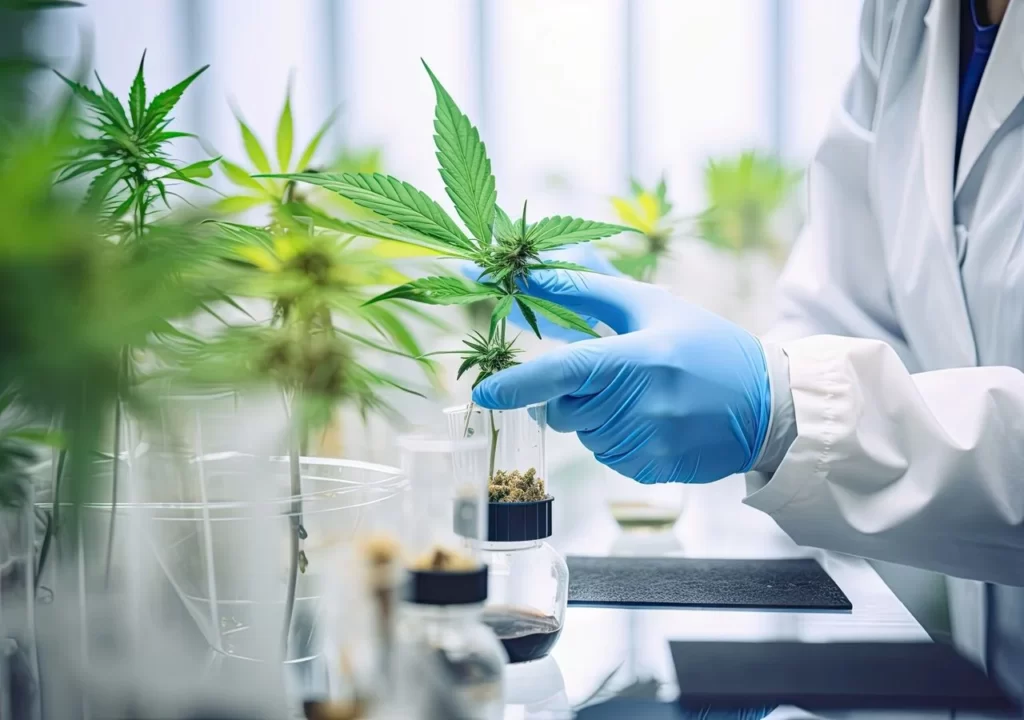
The use of cannabis in the medical field is subject to stringent regulations and restrictions, especially when considering it as a treatment of last resort. As medical cannabis continues to gain recognition for its therapeutic potential, healthcare professionals and regulators have put in place safeguards to ensure its safe and controlled use. These restrictions focus on cultivation practices, patient eligibility, and precise monitoring of THC levels in medical cannabis products to minimize any psychoactive effects.
Restrictions on Growing Medical Cannabis
In many countries and regions, the cultivation of cannabis for medical use is tightly controlled by government regulations. Licensed growers must adhere to specific standards set by health authorities to ensure the cannabis produced meets medical-grade quality. Some of the key restrictions include:
- Licensing and Permits: Only licensed facilities are allowed to cultivate cannabis for medical purposes. Growers must obtain permits from regulatory bodies, and their cultivation practices are regularly monitored and inspected to ensure compliance with safety and quality standards.
- Controlled Environments: It is necessary to cultivate medical cannabis in controlled settings, which are frequently inside or in greenhouses where variables like light, temperature, humidity, and air quality may be precisely managed. This ensures that the plants remain free from contaminants, including pesticides and molds, which could compromise patient safety.
- Genetic and Chemical Consistency: Strains grown for medical use must maintain a consistent genetic and chemical profile. This ensures that the cannabinoid content, particularly THC and CBD levels, remain predictable and stable, which is critical for patients who rely on consistent dosages for their treatment.
- Traceability and Documentation: Medical cannabis cultivation requires meticulous documentation from seed to sale. Each plant must be tracked through its entire lifecycle, ensuring that all production stages comply with legal and safety standards. This traceability helps prevent diversion of cannabis into the recreational market.
Use of Medical Cannabis as a Last Resort
In many jurisdictions, medical cannabis is only prescribed when conventional treatments have failed, making it a “last resort” option. This restriction ensures that cannabis is used in medically justified cases, such as managing chronic pain, epilepsy, or chemotherapy-induced nausea, where other pharmaceutical options have proven ineffective.
- Medical Supervision: The use of cannabis as a last resort requires close medical supervision. Physicians must evaluate each case carefully, weighing the benefits against potential risks. In many regions, doctors must obtain special authorization or certifications to prescribe cannabis for medical use.
- Patient Eligibility: Not all patients qualify for medical cannabis. Eligibility is often restricted to those with specific medical conditions, such as severe epilepsy, multiple sclerosis, or terminal illnesses. Some jurisdictions also require patients to exhaust all other treatment options before cannabis can be considered.
Monitoring THC Levels to Prevent Psychoactive Effects
THC, the psychoactive compound in cannabis, can cause unwanted side effects, particularly in medical patients who do not seek the “high” associated with recreational use. To prevent this, strict regulations govern THC levels in medical cannabis products.
- Low-THC Strains: Medical cannabis products often emphasize strains with low THC content and higher CBD levels. CBD (cannabidiol) is non-psychoactive and can mitigate some of the psychoactive effects of THC, making these strains more suitable for medical use.
- THC Limits in Medications: Many regions set legal limits on the amount of THC that can be present in medical cannabis products. For instance, products may only contain trace amounts of THC (below 0.2% or 0.3%) to ensure minimal psychoactive effects while delivering therapeutic benefits.
- Lab Testing and Labeling: All medical cannabis products must undergo rigorous lab testing to confirm their THC and CBD levels. The results of these tests must be clearly labeled on the product packaging, ensuring that healthcare providers and patients know exactly what they are using.
- Dosing Control: To prevent accidental overconsumption of THC, medical cannabis products are often provided in precise doses, such as capsules, oils, or patches. This allows patients to take the exact amount needed for therapeutic relief without experiencing unwanted psychoactive effects.
Conclusion: Vertical Farming and Restrictions in Medical Cannabis
Vertical farming presents a revolutionary approach to medical cannabis cultivation, offering increased space efficiency, resource conservation, and precise environmental control. These advantages are essential for producing consistent, high-quality medical cannabis that meets the rigorous standards required for patient treatment. By optimizing factors like light, temperature, and nutrient delivery, vertical farming ensures that cannabinoid profiles remain stable, which is crucial for the therapeutic consistency patients depend on.
However, despite the technological advancements, there are stringent restrictions on the cultivation and use of cannabis for medical purposes. Only licensed facilities can legally grow medical cannabis, and cultivation must adhere to strict regulations ensuring safety, purity, and genetic consistency. Moreover, medical cannabis is typically prescribed as a last resort when other treatments have failed, and THC levels in medications are closely monitored to prevent unwanted psychoactive effects.
Together, vertical farming and regulatory frameworks ensure that medical cannabis is grown in a controlled, sustainable manner while maintaining the high standards necessary for patient care. This convergence of innovative cultivation techniques and regulatory oversight highlights the importance of safety, precision, and efficacy in the growing field of medical cannabis.
