Table of Contents
Venus OG is an indica-dominant hybrid cannabis strain renowned for its distinctive aroma, potent effects, and diverse range of applications. With its lineage rooted in the esteemed OG Kush family, Venus OG is a favorite among both recreational users and medical patients seeking a robust and reliable strain. Its name, invoking the celestial and divine, hints at its ability to transport users to a calm, relaxed, and blissful state.
Genetic Lineage and Characteristics
Venus OG descends from the legendary OG Kush, a strain known for its powerful effects and unique terpene profile. The strain’s genetic makeup typically leans 70% indica and 30% sativa, offering a balanced yet predominantly calming experience. Its THC levels range between 20% and 25%, making it a potent choice for seasoned users. The CBD content is generally low, often less than 1%, but its terpene profile compensates with therapeutic effects.
Appearance:
- Dense, compact buds with a typical indica structure.
- Vibrant green hues with occasional purplish undertones.
- Coated with a thick layer of frosty trichomes, giving it a shimmering appearance.
- Bright orange pistils weave through the buds, adding visual contrast.
Aroma and Flavor: Venus OG is celebrated for its complex aroma and flavor profile, which blends earthy, citrus, and pine notes. Upon inhalation, users experience a sharp citrus burst reminiscent of fresh lemons, followed by earthy undertones and a lingering piney finish.
Terpene Profile: The unique effects and flavors of Venus OG are attributed to its terpene composition:
- Limonene: Responsible for its citrusy aroma, this terpene contributes to mood elevation and stress relief.
- Myrcene: Known for its sedative properties, myrcene enhances relaxation and provides earthy undertones.
- Pinene: Adds a refreshing pine scent and may aid in focus and respiratory health.
- Caryophyllene: Offers a spicy kick and potential anti-inflammatory benefits.
Recreational Uses
Venus OG is a versatile strain, appealing to a wide range of recreational cannabis enthusiasts. Its effects are both immediate and long-lasting, making it suitable for various occasions and purposes.
- Relaxation and Stress Relief:
- Venus OG’s indica dominance makes it ideal for unwinding after a long day. Users often report a wave of calmness washing over them, easing mental and physical tension.
- Social Gatherings:
- While predominantly relaxing, the strain’s initial cerebral uplift can promote social interaction and lightheartedness, making It’s a good option for informal events.
- Creative Exploration:
- The sativa component of Venus OG provides a subtle mental stimulation, inspiring creativity and artistic pursuits without inducing anxiety.
- Evening and Nighttime Use:
- Due to its sedative effects, Venus OG is best suited for evening use. It helps users transition into a restful state, perfect for watching movies, reading, or meditating.
Medical Applications
Venus OG’s therapeutic properties make it a popular choice among medical cannabis patients. Its high THC content, combined with its diverse terpene profile, addresses a variety of physical and mental health conditions.

- Pain Management:
- The strain’s potent analgesic properties are effective against chronic pain conditions such as arthritis, fibromyalgia, and migraines. The caryophyllene content may enhance its anti-inflammatory effects, providing additional relief.
- Stress and Anxiety:
- Venus OG’s calming effects help alleviate symptoms of stress and anxiety. The limonene terpene contributes to its mood-enhancing qualities, offering a sense of tranquility.
- Insomnia:
- For those struggling with sleep disorders, Venus OG’s sedative properties make it a natural alternative to pharmaceutical sleep aids. A moderate dose can help users fall asleep faster and enjoy deeper rest.
- Appetite Stimulation:
- Venus OG is known to trigger the “munchies,” making it beneficial for patients with appetite loss brought on by illnesses like anorexia or medical procedures like chemotherapy.
- Nausea Relief:
- The strain’s antiemetic effects can help combat nausea and vomiting, providing relief for patients undergoing therapies such as chemotherapy or gastrointestinal disorders.
- Muscle Spasms and Tension:
- Venus OG’s relaxing effects extend to the muscular system, making it effective for treating conditions like multiple sclerosis and muscle cramps.
Scientific Insights
The effects of Venus OG can be attributed to its cannabinoid and terpene profile, which interact synergistically to produce its wide range of benefits. Here’s a breakdown of its key components and their scientific relevance:
- Cannabinoids:
- THC (Tetrahydrocannabinol):
- Primary psychoactive compound responsible for the strain’s euphoric and analgesic effects.
- Binds to CB1 receptors in the brain and nervous system, modulating pain, mood, and appetite.
- CBD (Cannabidiol):
- Though present in low amounts, CBD’s non-psychoactive nature complements THC by reducing anxiety and inflammation.
- THC (Tetrahydrocannabinol):
- Terpenes:
- Limonene:
- Studies suggest limonene may reduce stress and anxiety by modulating serotonin and dopamine levels.
- Myrcene:
- Known for its sedative and muscle-relaxing effects, myrcene enhances the “entourage effect” by increasing cell permeability, allowing cannabinoids to work more effectively.
- Pinene:
- Research indicates pinene may improve focus and memory retention, counteracting some of THC’s cognitive impairments.
- Caryophyllene:
- Caryophyllene is special because it can bind to CB2 receptors and has analgesic and anti-inflammatory properties without being psychoactive.
- Limonene:
- The Entourage Effect:
- The combination of THC, CBD, and terpenes creates a synergistic interaction known as the entourage effect. This phenomenon enhances the strain’s overall efficacy, making Venus OG more effective than isolated cannabinoids.
- Pharmacological Potential:
- Preclinical studies suggest that cannabis strains with profiles similar to Venus OG may have neuroprotective, anti-inflammatory, and anticancer properties. While more research is needed, early findings highlight the therapeutic potential of cannabis for various medical conditions.
1. Methods of Ingestion
Each method of consuming Venus OG offers a unique experience due to differences in absorption rates, bioavailability, and metabolic pathways.
a. Smoking
- Method: Inhalation through joints, pipes, or bongs.
- Absorption: THC is absorbed rapidly through the lungs, entering the bloodstream almost immediately.
- Onset: Effects typically begin within 2–10 minutes.
- Duration: Effects last 2–3 hours, depending on tolerance and dose.
- Advantages: Quick onset, easy dose titration, and a rich flavor profile due to the strain’s terpenes.
- Considerations: Smoking may irritate the respiratory system and reduce terpene retention due to high combustion temperatures.
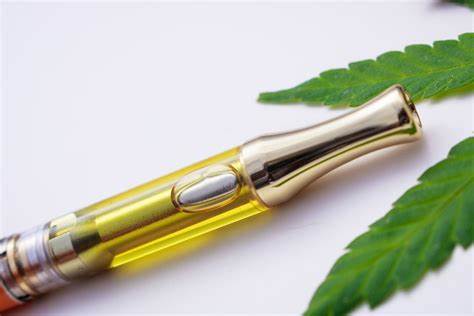
b. Vaping
- Method: Heating cannabis flower or concentrate to release cannabinoids and terpenes as vapor.
- Absorption: Rapid, similar to smoking, with a slightly smoother delivery due to lower temperatures.
- Onset: Effects begin within 2–5 minutes.
- Duration: Effects last 2–4 hours.
- Advantages: Preserves terpenes better than smoking, offers more discreet consumption, and reduces respiratory irritation.
- Considerations: Requires specialized equipment, and long-term health impacts of vaping are still under study.
c. Edibles
- Method: Infused foods or beverages consumed orally.
- Absorption: THC is metabolized in the liver into 11-hydroxy-THC, a more potent psychoactive compound.
- Onset: Delayed onset of 30–90 minutes due to digestive processing.
- Duration: Effects can last 6–8 hours or longer, with a gradual tapering off.
- Advantages: Long-lasting effects, no respiratory impact, and versatile dosing options.
- Considerations: Difficult to titrate dosage, with a higher risk of overconsumption due to delayed onset.
d. Sublingual (Tinctures)
- Method: Cannabis extracts placed under the tongue for direct absorption into the bloodstream.
- Absorption: Rapid through oral mucosa.
- Onset: Effects begin within 15–30 minutes.
- Duration: Effects last 3–5 hours.
- Advantages: Precise dosing, faster onset than edibles, and discreet administration.
- Considerations: Slightly lower bioavailability than smoking or vaping.
e. Topicals
- Method: Cannabis-infused creams, balms, or transdermal patches applied to the skin.
- Absorption: Localized to the application area; cannabinoids do not enter the bloodstream unless using transdermal patches.
- Onset: Effects felt within 20–40 minutes for topicals; transdermal patches can provide systemic effects over several hours.
- Duration: Local effects last 2–6 hours, depending on the product.
- Advantages: Non-psychoactive (for most topicals) and effective for localized pain or inflammation.
- Considerations: Limited to therapeutic use; does not provide systemic effects unless transdermal.
2. Onset of Effects
The onset time depends on the ingestion method and the individual’s physiology:
- Smoking and Vaping: 2–10 minutes.
- Edibles: 30–90 minutes.
- Tinctures (Sublingual): 15–30 minutes.
- Topicals: 20–40 minutes (localized relief only).
3. Duration of Effects
- Smoking and Vaping: Shorter duration, typically 2–4 hours.
- Edibles: Longer-lasting, around 6–8 hours or more.
- Tinctures: Intermediate duration, approximately 3–5 hours.
- Topicals: Varies; localized effects last 2–6 hours.
4. Effects of Venus OG
Venus OG’s effects are shaped by its cannabinoid and terpene profile, leaning heavily on its high THC content (20–25%) and dominant terpenes like myrcene, limonene, and caryophyllene.
a. Physical Effects
- Relaxation: Myrcene amplifies Venus OG’s sedative properties, creating a deep physical relaxation ideal for unwinding.
- Pain Relief: Caryophyllene’s anti-inflammatory properties contribute to alleviating chronic pain, muscle tension, and inflammation.
- Appetite Stimulation: The strain triggers “the munchies,” making it suitable for those with appetite loss.
- Sedation: Ideal for evening or nighttime use due to its ability to induce restful sleep.
b. Mental and Emotional Effects
- Euphoria: The high THC content induces a sense of happiness and upliftment in initial stages.
- Stress and Anxiety Relief: Limonene contributes to its mood-enhancing effects, alleviating stress and anxiety.
- Creativity: While predominantly relaxing, the sativa influence may inspire mild bursts of creativity or focus in low doses.
c. Therapeutic Effects
- Chronic Pain: Beneficial for ailments like migraines, fibromyalgia, and arthritis.
- Insomnia: Provides significant sedation, helping users achieve deep, restorative sleep.
- Anxiety and Stress: Calms overactive thoughts and provides emotional balance.
- Nausea and Appetite Loss: Stimulates appetite and reduces nausea, particularly beneficial for chemotherapy patients.
5. Factors Affecting Effects
- Tolerance: Frequent cannabis users may require higher doses to achieve the desired effects.
- Physiology: Body weight, metabolism, and overall health influence how Venus OG affects an individual.
- Environment: Consuming in a comfortable, stress-free environment enhances the experience.
- Dose: Low doses may yield mild euphoria and relaxation, while higher doses can amplify sedative and psychoactive effects.
Advanced Scientific Insights into Venus OG Cultivation
To cultivate Venus OG successfully and optimize its quality, yield, and cannabinoid profile, employing advanced scientific techniques is essential. Here is a more thorough examination of these techniques:
1. Optimal Light Management
- Photoperiod Control: Venus OG requires distinct light cycles during its growth stages: Vegetative stage: 18, six hours of darkness and six hours of light. Twelve hours of light and twelve hours of darkness are needed for the flowering stage. The shift from vegetative to flowering is triggered by the reduction in light exposure, simulating natural seasonal changes.
- Light Intensity: Use high-efficiency LED grow lights with a PAR (Photosynthetically Active Radiation) output of 400–700 nm. LEDs minimize heat generation while maximizing light penetration to lower canopy levels, ensuring even growth.
- Supplemental UV-B Light: Introducing UV-B light during late flowering increases trichome density and terpene production, enhancing the potency and flavor of Venus OG.
2. Precision Nutrient Management
- Macro and Micronutrients: Venus OG thrives with a balanced nutrient regime tailored to its growth stage: Vegetative stage: Higher nitrogen (N) levels support rapid foliage growth. Flowering stage: Phosphorus (P) and potassium (K) ratios increase to promote bud development and resin production.
- Chelated Nutrients: Using chelated forms of micronutrients like iron (Fe), zinc (Zn), and manganese (Mn) ensures their availability in a wide pH range.
- Custom Nutrient Solutions: Implement nutrient adjustments based on tissue analysis to address deficiencies proactively.
- pH Range: Maintain a soil or solution pH of 6.0-6.5 in soil-based cultivation and 5.5-6.0 in hydroponics to optimize nutrient uptake.
3. Controlled Environment Agriculture (CEA)
- Temperature: Maintain optimal daytime temperatures of 70–80°F and nighttime temperatures of 65–70°F to avoid stress and promote uniform growth.
- Humidity: Vegetative stage: 50–60% relative humidity (RH) supports transpiration and nutrient uptake. Flowering stage: Reduce RH to 40–50% to minimize mold risks and increase resin production.
- CO₂ Enrichment: Increasing CO₂ levels to 1200–1500 ppm during the vegetative and early flowering stages can accelerate photosynthesis, boosting growth rates and yields.
4. Hydroponics and Aeroponics
- Hydroponic Systems: Use Deep Water Culture (DWC) or Nutrient Film Technique (NFT) for controlled root-zone environments. Regularly monitor and adjust the Electrical Conductivity (EC) of the nutrient solution (ideal range: 1.5-2.5 mS/cm).
- Aeroponics: In this advanced method, roots are suspended in the air and misted with a nutrient solution. Aeroponics maximizes oxygen availability to roots, enhancing growth and cannabinoid production.
5. Pest and Disease Management Using IPM
- Biological Controls: Deploy predatory insects like ladybugs (Hippodamia convergens) and predatory mites (Phytoseiulus persimilis) to fight off pests such as spider mites and aphids.
- Fungal Pathogen Prevention: Implement Trichoderma species as a beneficial fungus to outcompete pathogens and improve root health.
- Organic Solutions: Neem oil and potassium bicarbonate sprays are effective against powdery mildew while being safe for consumable plants.
6. Water Quality and Irrigation
- Reverse Osmosis (RO) Water: Using RO water removes impurities and ensures the absence of harmful minerals that could inhibit nutrient uptake.
- Irrigation Automation: Drip irrigation systems reduce water waste while providing consistent hydration to Venus OG’s root zone.
- Water Temperature: Maintain irrigation water between 65°F and 75°F to avoid root shock and promote absorption efficiency.
7. Advanced Stress Techniques for Yield Enhancement
- Deficit Irrigation: Introducing controlled water stress during late flowering can enhance terpene and cannabinoid concentrations.
- Temperature Shocks: A brief reduction in nighttime temperatures by 10°F can encourage anthocyanin production, leading to purplish hues in buds.
- Stem Training: Methods like supercropping (intentional stress by bending stems) can boost hormonal responses that enhance bud growth.
8. Post-Harvest Science
- Drying Conditions: Drying buds in a dark room with a controlled environment (60–70°F, 50–60% RH) prevents terpene degradation while preserving potency.
- Curing in Jars: Gradually burping airtight jars during the first week of curing maintains humidity and allows chlorophyll to break down, improving flavor.
- Terpene Retention: Avoid high heat or light exposure during post-harvest to prevent the evaporation of volatile terpenes.
Consumer Considerations
- Dosage:
- Beginners should approach Venus OG with caution due to its high THC content. Start with a small dose and gradually increase to find the optimal level.
- Side Effects:
- Dry mouth and dry eyes are frequent adverse effects. In rare cases, high doses may cause dizziness, paranoia, or anxiety, particularly in sensitive users.
- Pairing:
- The strain pairs well with relaxing activities like yoga, meditation, or a warm bath. It can also complement creative pursuits or enhance sensory experiences such as listening to music or enjoying flavorful meals.
Conclusion
Venus OG is a stellar cannabis strain that lives up to its celestial name. With its potent effects, therapeutic benefits, and rich terpene profile, it offers something for both recreational users and medical patients. Whether you want to alleviate stress, insomnia, or chronic pain, or you’re just trying to unwind and elevate your mood, Venus OG delivers a versatile and satisfying experience. Its cultivation requires moderate effort but rewards growers with high-quality, resinous buds that encapsulate the finest traits of the original Kush family.
For a complete directory of cultivars, visit our Cannabis Strain Reviews.
