Table of Contents
Venom OG is a powerful hybrid cannabis strain that has gained popularity for its potent effects and balanced profile. Known for its unique flavor, aroma, and versatility, Venom OG is often sought after by both recreational users and medical patients. This comprehensive guide delves into the scientific background, genetic lineage, chemical composition, medical applications, recreational uses, and growing characteristics of Venom OG.
Genetic Lineage and Origins
Venom OG is a hybrid strain with a slightly Indica-dominant profile, typically presenting an approximate ratio of 60% Indica to 40% Sativa. This strain was created by crossing two renowned parent strains:
- Poison OG: A potent hybrid known for its sedative effects and earthy, pine-forward aroma.
- Rare Dankness #1: A flavorful strain that contributes citrus and diesel undertones, along with uplifting and euphoric effects.
The combination of these parent strains results in Venom OG’s unique characteristics, including its robust potency and well-rounded effects.
Chemical Composition
The chemical composition of Venom OG is characterized by a rich terpene profile and high cannabinoid levels.
1. Cannabinoids:
- THC: Typically ranges from 18% to 23%, making it a potent strain that delivers strong psychoactive effects.
- CBD: Often below 1%, although minor amounts contribute to the strain’s therapeutic benefits.
- CBG and other minor cannabinoids: Present in trace amounts, enhancing the entourage effect.
2. Terpene Profile: Venom OG’s distinctive aroma and flavor profile are driven by its dominant terpenes:
- Caryophyllene: Provides a spicy, peppery aroma and potential anti-inflammatory effects.
- Myrcene: Contributes to the earthy, musky scent and relaxing, sedative properties.
- Limonene: Adds uplifting effects and citrusy notes.
- Pinene: Offers a pine-like aroma and may improve focus and respiratory function.
Appearance, Flavor, and Aroma
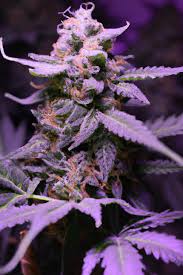
1. Appearance: Venom OG buds are dense and compact, with a forest-green hue accentuated by orange pistils and a generous coating of trichomes. These resin-rich trichomes contribute to the strain’s high potency and sticky texture.
2. Flavor: Venom OG delivers a complex flavor profile. Users often describe a mix of earthy pine, spicy pepper, and subtle citrus notes on the exhale. The diesel undertones add a sharp, pungent edge.
3. Aroma: The aroma is both pungent and inviting. Opening a jar of Venom OG releases an earthy, musky scent combined with hints of lemon and skunk.
Effects and Benefits
Venom OG’s effects are multifaceted, making it suitable for a wide range of users. Its hybrid nature ensures a balance of uplifting Sativa-like effects and calming Indica characteristics.
1. Onset and Duration:
- The effects of Venom OG are typically fast-acting, with users feeling the initial cerebral buzz within minutes.
- The high transitions into a body-centered relaxation phase, lasting several hours.
2. Psychoactive Effects:
- Euphoria and Upliftment: Users often report an initial wave of euphoria, improving mood and alleviating stress.
- Creative Focus: Moderate doses can enhance focus and creativity, making it suitable for artistic or problem-solving activities.
- Relaxation: The Indica effects take over gradually, inducing deep relaxation and, in some cases, couch-lock.
3. Physical Effects:
- Muscle relaxation and tension relief.
- Sedation at higher doses, which may help with sleep issues.
Medical Applications
Venom OG’s balanced profile and potent effects make it an effective option for various medical conditions. Its uses are broken down as follows:

1. Pain Management:
- The high THC content and caryophyllene-rich terpene profile provide potent analgesic properties.
- Beneficial for long-term pain disorders like migraines, fibromyalgia, and arthritis.
2. Stress and Anxiety Relief:
- The initial euphoric effects can help alleviate stress and anxiety.
- Myrcene and limonene contribute to relaxation and mood stabilization.
3. Sleep Disorders:
- Indica-dominant effects help users with insomnia achieve deeper, restorative sleep.
- Best used in the evening to maximize sedative properties.
4. Appetite Stimulation:
- Known for inducing the “munchies,” Venom OG can be beneficial for individuals dealing with appetiteloss brought on by illnesses or medical procedures like chemotherapy or eating disorders.
5. Anti-Inflammatory Properties:
- Caryophyllene’s anti-inflammatory properties make Venom OG a potential aid for inflammatory conditions like Crohn’s disease and multiple sclerosis.
6. Mental Health Support:
- Moderate doses may help with depression and PTSD by promoting relaxation and reducing intrusive thoughts.
Recreational Uses
Recreational users appreciate Venom OG for its versatility and potency. Its effects cater to various activities and preferences:
1. Social Settings:
- The euphoric onset can break social barriers, making users feel more relaxed and conversational.
- Best suited for low-key gatherings or relaxed social environments.
2. Creative Endeavors:
- Artists, writers, and musicians may find the strain’s cerebral effects helpful for overcoming creative blocks.
3. Evening Relaxation:
- Venom OG’s sedative qualities make it an excellent choice for winding down after a long day.
- Pairs well with activities like watching movies, meditating, or enjoying a bath.
4. Outdoor Adventures:
- At lower doses, Venom OG’s uplifting effects can enhance outdoor activities like hiking or camping.
Scientific Insights
Scientific studies on cannabis strains like Venom OG help elucidate their potential effects and mechanisms:
1. Cannabinoid Interactions:
- THC interacts with CB1 receptors in the brain, producing psychoactive effects and pain relief.
- CBD, though present in low quantities, modulates THC’s effects and contributes to anti-inflammatory benefits.
2. Terpene Synergy:
- Caryophyllene acts as a selective CB2 receptor agonist, offering anti-inflammatory and analgesic effects without psychoactivity.
- Limonene and pinene are known to enhance focus and mood, potentially counteracting the sedative effects of myrcene.
3. Neuroprotective Potential:
- Studies suggest that cannabinoids and terpenes may protect neurons from oxidative stress, highlighting Venom OG’s potential for neurodegenerative conditions.
4. Anti-Cancer Research:
- Preliminary research indicates that certain cannabis compounds may inhibit cancer cell proliferation. While not specific to Venom OG, its rich chemical profile warrants further investigation.
Methods of Ingestion
- Inhalation (Smoking or Vaping):
- Smoking: The most common method, involving combustion of dried Venom OG flower in joints, pipes, or bongs.
- Advantages: Immediate onset of effects, allowing users to control dosage easily.
- Considerations: Combustion may produce harmful byproducts (e.g., tar, carbon monoxide).
- Vaping: Uses a vaporizer to heat Venom OG flower or concentrate to a temperature below combustion.
- Advantages: Cleaner, potentially healthier alternative to smoking; preserves terpenes for enhanced flavor.
- Onset: Effects are typically felt within 1-5 minutes.
- Smoking: The most common method, involving combustion of dried Venom OG flower in joints, pipes, or bongs.
- Oral Consumption (Edibles, Capsules, or Tinctures):
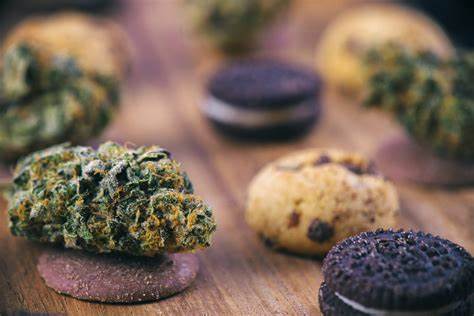
- Edibles: Venom OG can be infused into oils or butters for baking or cooking.
- Advantages: Long-lasting effects and discreet use.
- Onset: Slower, typically 30-90 minutes, as THC is metabolized in the liver to 11-hydroxy-THC, a more potent compound.
- Duration: Effects last 6-8 hours, with peak intensity around 2-3 hours post-ingestion.
- Capsules: Pre-measured doses of Venom OG oil in capsule form provide consistency and ease of use.
- Tinctures: Liquid extracts taken sublingually (under the tongue) for faster absorption.
- Onset: 15-30 minutes.
- Duration: 4-6 hours.
- Edibles: Venom OG can be infused into oils or butters for baking or cooking.
- Topical Application:
- Cannabis-Infused Creams or Balms: Venom OG’s cannabinoids can be infused into topicals for localized relief.
- Advantages: Non-psychoactive when applied topically; suitable for pain or inflammation.
- Onset: Effects typically felt within 10-30 minutes.
- Duration: Lasts up to 2-4 hours.
- Cannabis-Infused Creams or Balms: Venom OG’s cannabinoids can be infused into topicals for localized relief.
- Dabbing (Concentrates):
- Uses concentrated forms of Venom OG, such as wax or shatter, vaporized on a hot surface.
- Advantages: Delivers extremely potent and immediate effects.
- Onset: Nearly instant.
- Considerations: Requires specialized equipment and is recommended for experienced users due to the high potency.
- Uses concentrated forms of Venom OG, such as wax or shatter, vaporized on a hot surface.
Onset and Duration
The onset and duration of Venom OG’s effects depend on the ingestion method:
| Method | Onset | Peak | Duration |
|---|---|---|---|
| Smoking/Vaping | 1-5 minutes | 20-30 minutes | 2-3 hours |
| Edibles | 30-90 minutes | 2-3 hours | 6-8 hours |
| Tinctures | 15-30 minutes | 1-2 hours | 4-6 hours |
| Topicals | 10-30 minutes | Varies | 2-4 hours |
| Dabbing | Nearly instant | 10-15 minutes | 2-3 hours |
Effects of Venom OG
Venom OG’s effects are influenced by its high THC content (18-23%) and its terpene profile, which includes caryophyllene, myrcene, limonene, and pinene. Here is a comprehensive analysis:
Psychoactive Effects
- Euphoric High:
- The cerebral onset delivers a sense of euphoria and upliftment.
- Beneficial for reducing depression, anxiety, and stress.
- Relaxation:
- Gradual transition to a body-centered calmness, ideal for unwinding.
- Higher doses may lead to couch-lock due to its Indica dominance.
- Creativity:
- Moderate doses can enhance focus and creativity, especially in artistic or brainstorming contexts.
Physical Effects
- Muscle Relaxation:
- Prominent Indica traits help relieve tension and muscle spasms.
- Pain Relief:
- High THC content and caryophyllene-rich profile provide effective analgesic properties.
- Sedation:
- At higher doses, Venom OG’s sedative effects make it a strong candidate for insomnia relief.
Mechanisms Behind the Effects
- THC Interaction with CB1 Receptors:
- THC binds to CB1 receptors in the brain, activating pathways responsible for euphoria, appetite stimulation, and pain relief.
- The binding also triggers dopamine release, contributing to the strain’s uplifting effects.
- Entourage Effect:
- The combination of THC, minor cannabinoids, and terpenes amplifies the therapeutic and psychoactive effects.
- Caryophyllene: Acts on CB2 receptors to provide anti-inflammatory benefits.
- Myrcene: Enhances sedative and muscle-relaxing effects by modulating GABAergic activity.
- Limonene: Elevates mood and reduces anxiety by interacting with serotonin and dopamine receptors.
- Pinene: Counteracts cognitive impairment and provides respiratory benefits.
- Metabolism of THC (Edibles):
- When consumed orally, THC is converted to 11-hydroxy-THC in the liver. This compound is more psychoactive than THC, resulting in prolonged and intense effects.
Factors Influencing Effects
- Dosage:
- Low Dose: Mild euphoria, enhanced creativity, and subtle relaxation.
- Moderate Dose: Balanced high with noticeable body relaxation and cerebral stimulation.
- High Dose: Profound sedation, potential couch-lock, and intensified psychoactive effects.
- User’s Physiology:
- Individual factors such as tolerance, weight, and metabolism significantly influence how Venom OG is experienced.
- Set and Setting:
- The user’s mood, environment, and activity during consumption impact the overall experience.
Potential Side Effects
- Dry Mouth and Eyes:
- Common due to THC’s inhibition of saliva and tear production.
- Mitigation: Stay hydrated and use moisturizing eye drops if necessary.
- Dizziness and Paranoia:
- Possible at higher doses, especially for novice users or those prone to anxiety.
- Mitigation: Start with a low dose and consume in a calm, familiar environment.
- Couch-Lock:
- Higher doses can induce extreme relaxation, making physical activity challenging.
- Mitigation: Use moderate doses if staying active is a priority.
Scientific Insights into Cultivation
- Optimal Climate Requirements:
- Temperature: Venom OG thrives in a warm Mediterranean climate, with optimal temperatures ranging from 70-85\u00b0F (21-29\u00b0C).
- Humidity: During the vegetative stage, maintain a relative humidity of 50-70%. Lower this to 40-50% during flowering to reduce the risk of mold and mildew.
- Light Cycle: As a photoperiod strain, Venom OG relies on light cycles to trigger flowering. Indoors, provide 18-20 hours of light during the vegetative stage and 12 hours of light during flowering.
- Soil and Growing Mediums:
- Soil: A nutrient-rich organic soil with good drainage is ideal. Supplement with amendments like compost, bat guano, or worm castings to enhance microbial activity and nutrient availability.
- Hydroponics: Advanced growers can use hydroponic systems for faster growth and higher yields. Ensure precise pH control (5.8-6.2) and nutrient delivery.
- Coco Coir: This medium offers excellent aeration and water retention, ideal for Venom OG’s dense root systems.
- Nutrient Management:
- Nitrogen (N): Crucial during the vegetative phase to support leaf and stem development. During this phase, use a balanced fertilizer with a higher nitrogen content.
- Phosphorus (P) and Potassium (K): Increase phosphorus and potassium levels during the flowering phase to enhance bud formation, resin production, and overall yield.
- Micronutrients: Magnesium, calcium, and sulfur are essential for Venom OG to maintain robust growth and terpene production.
- Watering Techniques:
- Avoid overwatering, as Venom OG is susceptible to root rot. When the top inch of soil feels dry, water.
- Pruning and Training Techniques:
- Topping: Promote lateral growth by removing the top node during the vegetative stage.
- Low-Stress Training (LST): Bend and secure branches to create an even canopy, ensuring all buds receive equal light exposure.
- Defoliation: Remove excess fan leaves during flowering to improve airflow and light penetration.
Indoor vs. Outdoor Cultivation
- Indoor Cultivation:
- Controlled Environment: Growers can manipulate temperature, humidity, and light cycles to optimize Venom OG’s growth.
- Grow Lights: Use LED or HPS grow lights with a spectrum tailored for each growth phase (e.g., blue light for vegetative and red light for flowering).
- Ventilation: Install exhaust fans, carbon filters, and oscillating fans to maintain airflow and prevent mold growth.
- Outdoor Cultivation:
- Best grown in regions with long sunny days and mild nights.
- Choose a location with well-draining soil and protection from heavy rainfall.
- Plant in late spring to align with natural light cycles, harvesting by late September or early October.
Advanced Techniques for Maximum Yield
- Sea of Green (SOG):
- Focus on growing multiple smaller plants in close proximity. This method works well for Venom OG due to its dense bud structure.
- Transition to flowering early to maximize yield per square meter.
- Screen of Green (ScrOG):
- Train branches through a horizontal screen to create a flat canopy. This maximizes light efficiency and promotes uniform bud growth.
- Carbon Dioxide (CO₂) Enrichment:
- Increasing CO₂ levels to 1200-1500 ppm during the vegetative and flowering stages can boost photosynthesis and plant growth, leading to higher yields.
- Monitoring Trichome Development:
- Use a magnifying tool to observe trichomes. Harvest when trichomes shift from clear to milky white for optimal THC potency or amber for a more sedative effect.
Pest and Disease Management
- Common Pests:
- Spider Mites: Prevent infestations by maintaining cleanliness and proper ventilation. Use neem oil or insecticidal soap if necessary.
- Aphids and Whiteflies: Introduce beneficial insects like ladybugs or predatory mites for natural pest control.
- Disease Prevention:
- Powdery mildew and root rot are frequent issues. Avoid waterlogging and maintain proper airflow to mitigate these risks.
- Apply organic fungicides or microbial inoculants as a preventive measure.
Post-Harvest Processing
- Drying:
- Dry Venom OG buds in a dark, well-ventilated space at 60-70\u00b0F (15-21\u00b0C) with 50-60% humidity.
- Proper drying ensures the preservation of terpenes and cannabinoids.
- Curing:
- Store dried buds in airtight glass jars, opening them daily for the first two weeks to release moisture.
- To improve flavor, aroma, and potency, cure for a minimum of two to four weeks.
Safety and Side Effects
Like any cannabis strain, Venom OG may cause side effects, especially if consumed in excessive amounts:
1. Common Side Effects:
- Dry mouth and dry eyes.
- At higher dosages, dizziness or mild paranoia may occur.
2. Mitigation Tips:
- Stay hydrated to alleviate dry mouth.
- To determine the ideal dosage, start with a small amount and increase it gradually.
- Consume in a safe, comfortable environment.
Conclusion
Venom OG is a versatile hybrid cannabis strain celebrated for its potent effects, therapeutic benefits, and distinctive flavor profile. Its balanced combination of uplifting and relaxing properties makes it a favorite among both medical patients and recreational users. While it requires moderate effort to cultivate, the rewards are well worth the investment for growers seeking high yields of premium-quality buds. Whether used to manage chronic pain, unwind after a long day, or enhance creative pursuits, Venom OG stands out as a robust and reliable choice in the world of cannabis.
For a complete directory of cultivars, visit our Cannabis Strain Reviews.
