Table of Contents
Valley Ghash is a sought-after cannabis strain known for its unique genetic lineage, potent effects, and aromatic profile. This hybrid strain is often praised for its balanced properties, offering users a combination of calming bodily sensations and elevating cerebral effects.Cultivated with care, Valley Ghash has gained recognition among both recreational and medical cannabis communities for its therapeutic versatility and recreational enjoyment.
The strain is the result of expert crossbreeding, typically involving G13 Hashplant and another potent Kush lineage, giving it its distinct characteristics. This hybrid leans slightly towards the indica side but retains sativa-like cerebral stimulation, making it is a flexible option for a range of requirements.
Genetic Lineage and Cultivation
Genetics
Valley Ghash boasts a robust genetic profile that highlights its strength and versatility. It stems from the crossing of the legendary G13 Hashplant, known for its resin production and potency, with a high-quality Kush strain. This lineage provides Valley Ghash with a rich terpene profile and balanced cannabinoid composition, emphasizing both THC and CBD benefits.
Cultivation Details
Cultivators appreciate Valley Ghash for its resilience and relatively manageable growth requirements. Key cultivation notes include:
- Climate Requirements: Valley Ghash thrives in a Mediterranean-like climate, requiring warm temperatures and moderate humidity levels. Indoor setups with controlled environments often yield the best results.
- Growth Traits: This strain grows to a medium height, with bushy foliage typical of indica-leaning hybrids. To guarantee adequate light penetration and airflow, regular pruning is advised.
- Flowering Time: Valley Ghash has a flowering period of 8-10 weeks, making it a mid-range strain in terms of harvest time.
- Yield: When grown under optimal conditions, Valley Ghash provides high yields of dense, resinous buds, a trait inherited from its Hashplant parent.
Aromatic and Flavor Profile
Aroma
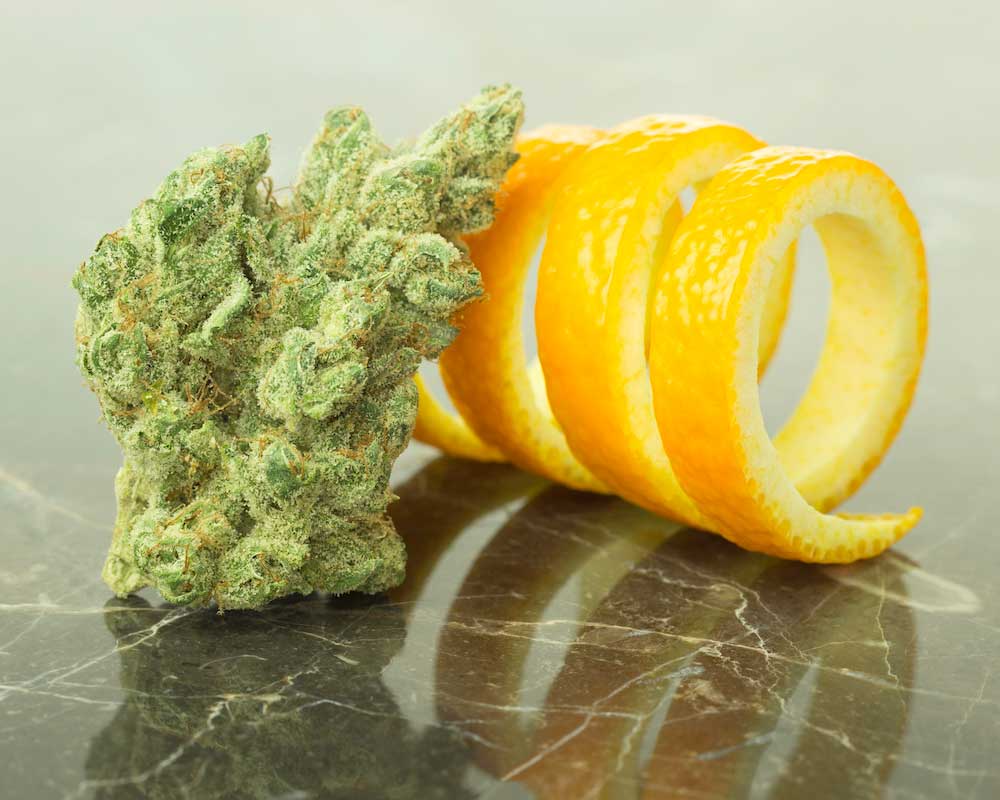
The aromatic profile of Valley Ghash is one of its standout features. Its scent is a complex blend of earthiness, spice, and sweetness, underscored by notes of pine and citrus. This makes it a pleasant strain for those who appreciate nuanced cannabis aromas.
Flavor
The flavor mirrors its aroma, offering a smooth smoking or vaping experience. Users often report tasting earthy and woody notes complemented by a subtle sweetness and a hint of citrus on the exhale. The combination creates a rich and satisfying sensory experience.
Terpene Profile
Valley Ghash’s terpene composition includes dominant and secondary terpenes such as:
- Myrcene: Contributing to its earthy and relaxing effects.
- Limonene: Adding a bright citrus undertone and uplifting effects.
- Caryophyllene: Imparting spicy, peppery notes and anti-inflammatory properties.
- Pinene: Enhancing focus and delivering a refreshing pine aroma.
Cannabinoid Composition
Valley Ghash typically exhibits the following cannabinoid profile, though exact percentages can vary based on cultivation and phenotype:
- THC Content: Ranges from 18% to 24%, providing a potent psychoactive experience.
- CBD Content: Typically under 1%, though higher-CBD phenotypes may exist for medical use.
- CBG: Present in small amounts, contributing to its overall therapeutic effects.
- Other Cannabinoids: Trace levels of CBC and THCV may enhance the entourage effect.
Medical Uses
Valley Ghash is celebrated for its wide range of medical applications. Its balanced effects make it suitable for addressing both physical and psychological conditions.
Physical Conditions
- Chronic Pain Relief: The high THC content and presence of myrcene and caryophyllene make Valley Ghash effective for managing chronic pain conditions such as arthritis, fibromyalgia, and migraines.
- Inflammation: Caryophyllene’s anti-inflammatory properties help reduce swelling and discomfort in conditions like Crohn’s disease and muscle injuries.
- Muscle Spasms: The relaxing body effects alleviate muscle tension and spasms, providing relief for conditions such as multiple sclerosis.
- Appetite Stimulation: The strain is known to combat appetite loss, making it a choice for people with eating disorders or undergoing chemotherapy.
Psychological Conditions
- Anxiety and Stress: The calming effects of Valley Ghash help reduce anxiety and stress without inducing overwhelming sedation.
- Depression: Its uplifting cerebral effects can improve mood and combat depressive symptoms.
- PTSD: Valley Ghash’s balanced properties help manage symptoms of PTSD, including hyperarousal and intrusive thoughts.
- Insomnia: While not a heavy sedative, the strain’s relaxing effects can aid in improving sleep quality for individuals with mild to moderate insomnia.
Recreational Uses
Valley Ghash’s combination of euphoria and relaxation makes it a popular choice among recreational users. Its effects unfold in a balanced progression:
- Euphoria and Creativity: The initial cerebral high boosts mood, creativity, and focus, making it ideal for artistic endeavors or social activities.
- Relaxation: The body high follows, easing physical tension without causing lethargy, making it suitable for use in the evening or to unwind after a long day.
- Enhanced Sensory Perception: Many users report heightened sensory experiences, such as enhanced appreciation of music, art, or food.
- Social Interaction: The strain’s balanced effects encourage sociability, making it a great choice for gatherings or relaxed conversations.
Comprehensive Scientific Information
Mechanism of Action
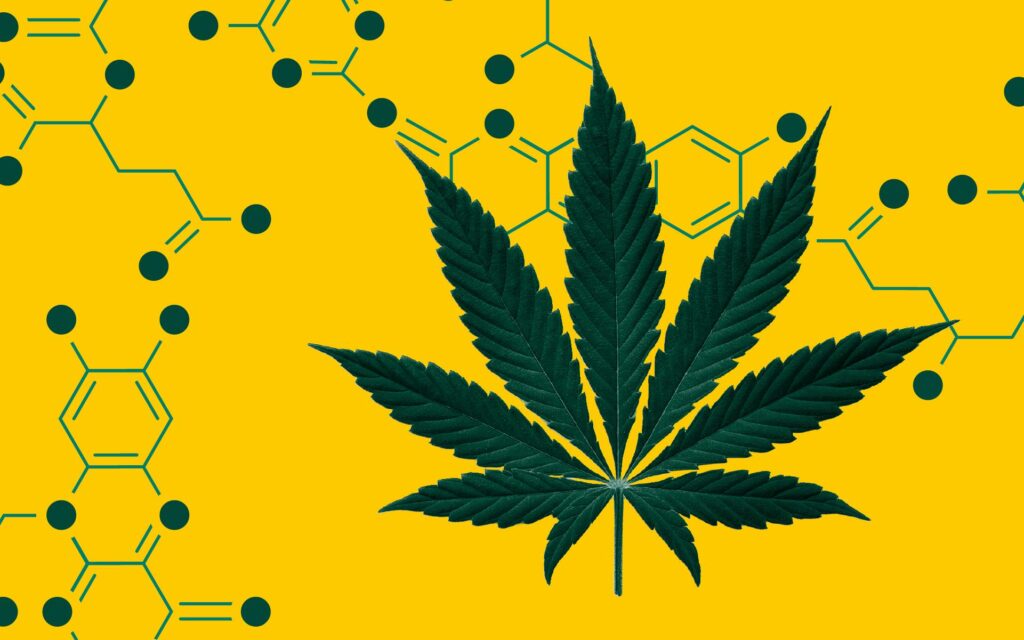
Valley Ghash’s effects stem from its interaction with the endocannabinoid system (ECS), a network of receptors (CB1 and CB2) responsible for regulating mood, pain, appetite, and more. THC, the primary psychoactive compound, binds to CB1 receptors in the brain, producing euphoria and altering perception. The presence of other cannabinoids and terpenes modulates these effects through the entourage effect, enhancing both therapeutic and recreational benefits.
Terpenes and Their Effects
- Myrcene: Has sedative qualities and promotes relaxation.
- Limonene: Uplifts mood and may reduce anxiety.
- Caryophyllene: Binds to CB2 receptors, providing anti-inflammatory benefits.
- Pinene: Improves focus and counteracts short-term memory loss associated with THC.
Potential Side Effects
While Valley Ghash offers numerous benefits, some users may experience side effects, particularly when consumed in high doses:
- Dry Mouth and Eyes: Common and manageable with hydration.
- Dizziness: Occurs in some individuals, especially novice users.
- Paranoia or Anxiety: Rare but possible in users sensitive to THC.
- Sedation: More likely with higher doses or in individuals with low tolerance.
Clinical Studies and Research
Though specific research on Valley Ghash is limited, its genetic lineage has been extensively studied:
- G13 Hashplant: Known for its analgesic and anti-inflammatory properties, as evidenced by studies on cannabinoids and terpenes.
- Kush Lineage: Documented for its relaxing effects and efficacy in managing stress and pain.
Emerging studies on the entourage effect suggest that the combination of cannabinoids and terpenes in Valley Ghash may provide enhanced therapeutic benefits compared to isolated compounds.
Scientific Insights into Valley Ghash Cultivation
1. Genetic Considerations
Valley Ghash, a hybrid strain with indica-dominant traits, inherits characteristics that influence its growth behavior and cultivation requirements. These traits demand specific environmental and nutrient conditions to optimize yield and potency.
- Phenotype Stability: While Valley Ghash exhibits robust growth, its phenotype can vary slightly depending on the growing environment. Selection of stable genetics through clones or seeds from reputable breeders is essential to maintain consistency.
2. Optimal Growing Conditions
Achieving high-quality yields requires precise control of environmental parameters:
a. Indoor Cultivation:
- Temperature: Maintain temperatures between 70–80°F (21–27°C) during the day and slightly cooler at night to replicate its natural habitat.
- Humidity:
- Vegetative Stage: 55–70% relative humidity (RH) to encourage vigorous leaf and stem growth.
- Flowering Stage: 40–50% RH to reduce mold and mildew risks, especially due to its dense bud structure.
- Lighting: Use high-intensity LED or HPS lights with a spectrum optimized for cannabis (full spectrum for vegetative growth and red-dominant during flowering).
- Ventilation: Ensure proper airflow to prevent heat stress and allow the buds to develop dense and resinous structures.
b. Outdoor Cultivation:
- Valley Ghash thrives in warm, Mediterranean-like climates.
- Soil Quality: Use nutrient-rich, well-draining soil with a pH of 6.0–6.5. Amendments like compost or perlite can improve soil aeration and nutrition.
- Sunlight Exposure: Full sun for at least 6–8 hours per day is recommended to maximize photosynthesis.
- Pest Control: Employ integrated pest management (IPM) techniques to mitigate threats from common pests like spider mites, aphids, and whiteflies.
3. Nutrient Requirements
Valley Ghash requires tailored nutrients at each stage of its life cycle:
a. Vegetative Stage:
- To encourage strong foliage growth, concentrate on fertilizers high in nitrogen.
- Recommended nutrient ratios: 3:1:2 (N-P-K).
- Supplement with micronutrients like magnesium, calcium, and iron for healthy chlorophyll production and root development.
b. Flowering Stage:
- Shift to phosphorus and potassium-dominant nutrients to support bud development.
- Recommended nutrient ratios: 1:3:2 (N-P-K).
- Add molasses or carbohydrate-rich supplements to boost terpene production and resin output.
c. Flushing Period:
- Flush the plants with pure, pH-balanced water (pH 6.0–6.5) for 1–2 weeks before harvest to remove residual nutrients and enhance flavor quality.
4. Growth Training Techniques
Valley Ghash responds well to various training methods aimed at maximizing light penetration and yield:
- Low-Stress Training (LST): Low-Stress Training (LST): Light can reach lower bud sites by gently bending and tying down the branches to form an even canopy.
- Topping: Cut the main stem early in the vegetative stage to promote the growth of multiple colas.
- Defoliation: Remove excess fan leaves periodically to improve airflow and reduce the risk of mold.
- Sea of Green (SOG): Ideal for growers with limited space, this method involves cultivating several smaller plants close together to achieve faster harvests.
5. Flowering and Harvesting
The flowering period for Valley Ghash lasts 8–10 weeks under optimal conditions. Important things to think about at this point are:
- Trichome Monitoring: Use a magnifying glass or microscope to observe trichome development. Harvest when trichomes turn milky white with a few amber hues for the desired effects.
- Bud Density: Due to its Hashplant genetics, the buds are dense and resinous. Ensure proper support (e.g., stakes or netting) to prevent branch breakage.
6. Post-Harvest Processing
Proper post-harvest handling ensures the preservation of Valley Ghash’s potency, flavor, and aroma:
a. Drying:
- Dry the harvested buds in a dark, well-ventilated room at 60–70°F (15–21°C) with 50–60% RH for 7–14 days.
b. Curing:
- Store dried buds in airtight glass jars, opening them daily during the first 1–2 weeks to release moisture and excess gases (burping).
- Curing enhances the terpene profile, smoothens the flavor, and stabilizes the cannabinoid content.
7. Advanced Techniques
For cultivators aiming to maximize Valley Ghash’s quality and yield, advanced techniques may be employed:
- CO₂ Enrichment: Increasing carbon dioxide levels to 1200–1500 ppm during the vegetative and early flowering stages can significantly enhance plant growth and bud size.
- Hydroponics: This soil-less growing method delivers nutrients directly to the roots, resulting in faster growth and higher yields. Ensure pH levels remain between 5.5–6.0.
- Lighting Optimization: Employ spectrum-adjustable LEDs to mimic natural sunlight variations across the growth cycle, improving resin and terpene production.
- Foliar Feeding: Spraying nutrient solutions directly onto leaves during the vegetative stage can provide an immediate nutrient boost.
8. Common Challenges
Despite its robustness, Valley Ghash cultivation can present challenges that require proactive management:
- Mold and Mildew: Dense buds are prone to mold, especially under high humidity. Keep the humidity and airflow under control.
- Nutrient Burn: Overfeeding can cause leaf tips to brown. Monitor nutrient levels carefully and adjust as needed.
- Pest Infestation: Use natural predators (e.g., ladybugs for aphids) or organic pesticides to control infestations.
User Reviews and Community Feedback
Valley Ghash has garnered positive reviews from both medical and recreational users:
- Medical Users: Patients highlight its effectiveness in managing pain, anxiety, and appetite loss, with many praising its ability to provide relief without excessive sedation.
- Recreational Users: Enthusiasts appreciate its balanced high, noting its ability to enhance creativity and social interactions while remaining calm.
Conclusion
Valley Ghash stands out as a versatile cannabis strain with significant benefits for both medical and recreational users. Its balanced effects, rich terpene profile, and manageable cultivation requirements make it a favorite among growers and consumers alike. Whether used to alleviate physical ailments, improve mental health, or enhance recreational experiences, Valley Ghash offers a comprehensive suite of benefits that underscore its popularity in the cannabis community.
For a complete directory of cultivars, visit our Cannabis Strain Reviews.
