Table of Contents
UW, also known as “University of Washington,” is a rare and legendary indica-dominant cannabis strain shrouded in intrigue and mystery. Known for its potent effects and unique history, UW is believed to have originated from a medical cannabis research project at the University of Washington. This strain is celebrated for its deep relaxation properties and therapeutic potential, making it favored by both recreational and medical users. UW’s unique blend of genetics and effects positions it as a staple in the cannabis community.
Genetic Lineage
The exact genetic lineage of UW remains uncertain due to its clandestine origins. However, it is widely speculated to be a pure indica or an indica-dominant hybrid, likely deriving from Afghan landrace strains. The strain’s robust physical characteristics and its heavy sedative effects align with the traits commonly associated with Afghani genetics.
Appearance and Characteristics
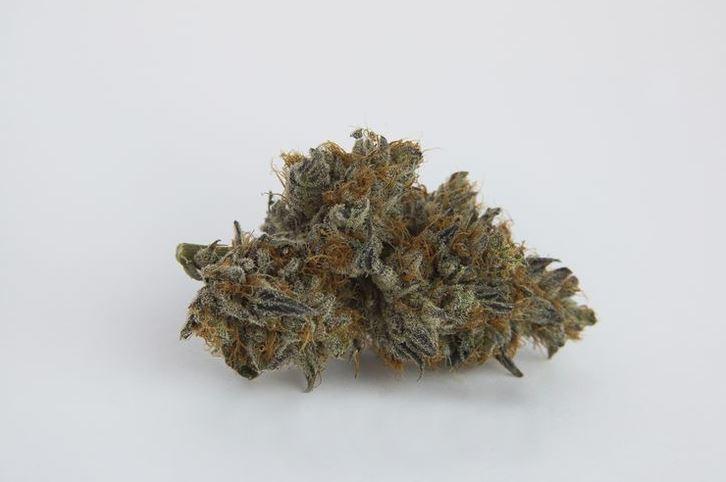
The UW strain is visually striking, with dense, medium-sized buds that exhibit deep purple hues interwoven with vibrant green undertones. A thick layer of frosty trichomes frequently covers the buds, providing them with a sticky, resinous texture. Bright orange pistils add to its visual appeal, creating a contrast against the dark foliage. Its dense structure and resin production make it an attractive option for concentrate production.
Aroma and Flavor Profile
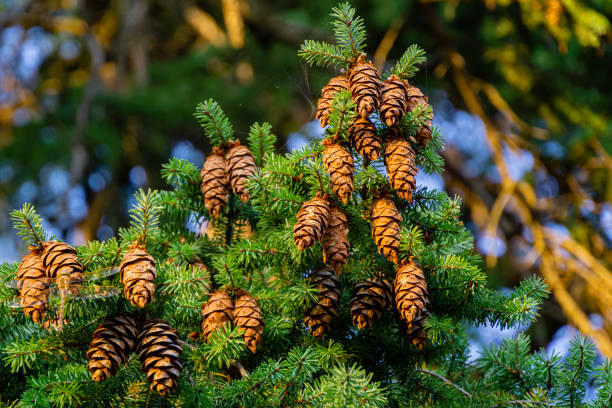
UW is distinguished by its rich, earthy aroma complemented by subtle notes of pine and sweet fruit. The strain emits a pungent scent upon breaking apart the buds, revealing undertones of skunk and spice. On the palate, UW offers a complex flavor profile with dominant earthy tones, a hint of berry sweetness, and a spicy finish. These aromatic and flavor characteristics enhance the overall sensory experience, contributing to its popularity among connoisseurs.
Cannabinoid and Terpene Profile
Cannabinoid Content
- THC: The THC levels in UW typically range between 18% and 24%, making it a potent strain suitable for experienced users. The high THC content contributes to its powerful psychoactive and therapeutic effects.
- CBD: The CBD content in UW is generally low, often less than 1%, which underscores its primary use as a recreational and medicinal strain for THC-centric effects.
Terpenes
The terpene profile of UW plays a significant role in its effects and sensory attributes:
- Myrcene: This dominant terpene contributes to UW’s sedative effects, earthy aroma, and potential anti-inflammatory benefits.
- Pinene: Adding a refreshing pine scent, pinene may enhance focus and provide bronchodilatory properties.
- Caryophyllene: Known for its spicy aroma, this terpene offers potential anti-inflammatory and analgesic benefits.
- Limonene: Though present in smaller amounts, limonene’s citrusy notes may uplift mood and reduce stress.
The synergy between these terpenes contributes to UW’s unique entourage effect, amplifying its therapeutic and recreational value.
Medical Uses of UW Cannabis Strain

Pain Management
UW’s high THC content and the presence of caryophyllene make it effective in managing chronic pain conditions. Users report relief from:
- Neuropathic pain
- Arthritis
- Fibromyalgia
- Migraines
The strain’s analgesic properties provide comfort without the side effects associated with conventional painkillers.
Stress and Anxiety Relief
The calming effects of UW are attributed to its indica dominance and the presence of myrcene and limonene. It helps to:
- Reduce generalized anxiety disorder (GAD) symptoms
- Reduce stress levels
- Promote relaxation and mental clarity
However, individuals with low THC tolerance should exercise caution, as excessive consumption may exacerbate anxiety.
Insomnia Treatment
UW is highly regarded for its sedative effects, making it an excellent choice for those struggling with insomnia. Its ability to induce deep relaxation and promote sleep is attributed to:
- Myrcene’s sedative properties
- Reduce generalized anxiety disorder (GAD) symptoms
Appetite Stimulation
Like a lot of indica strains, UW is known to make you hungry or give you “the munchies.” This effect can help people who are coping with:
- Loss of appetite due to chemotherapy
- Eating disorders such as anorexia
- Cachexia (wasting syndrome)
Mental Health Applications
While not a primary treatment for mental health disorders, UW’s calming effects may assist with:
- PTSD symptom management
- Alleviation of depressive episodes
- Reduction of agitation in bipolar disorder
Anti-Inflammatory Benefits
The anti-inflammatory properties of caryophyllene and myrcene in UW may help with conditions like:
- Crohn’s disease
- Ulcerative colitis
- Joint inflammation
Recreational Uses of UW Cannabis Strain
Relaxation and Stress Relief
UW is a go-to strain for unwinding after a long day. Its ability to promote physical and mental relaxation makes it ideal for:
- Evening or nighttime use
- social events where a relaxed vibe is preferred
Enhanced Creativity
While UW is predominantly sedative, some users report experiencing a temporary boost in creativity and introspection during the initial stages of the high. This effect may benefit:
- Artists seeking inspiration
- Writers overcoming creative blocks
Body High and Euphoria
The strain delivers a deeply soothing body high accompanied by a sense of euphoria. This combination makes UW appealing for:
- Experiencing music, art, or nature
- Engaging in light recreational activities like yoga or meditation
Scientific Understanding of UW’s Effects
Mechanism of Action
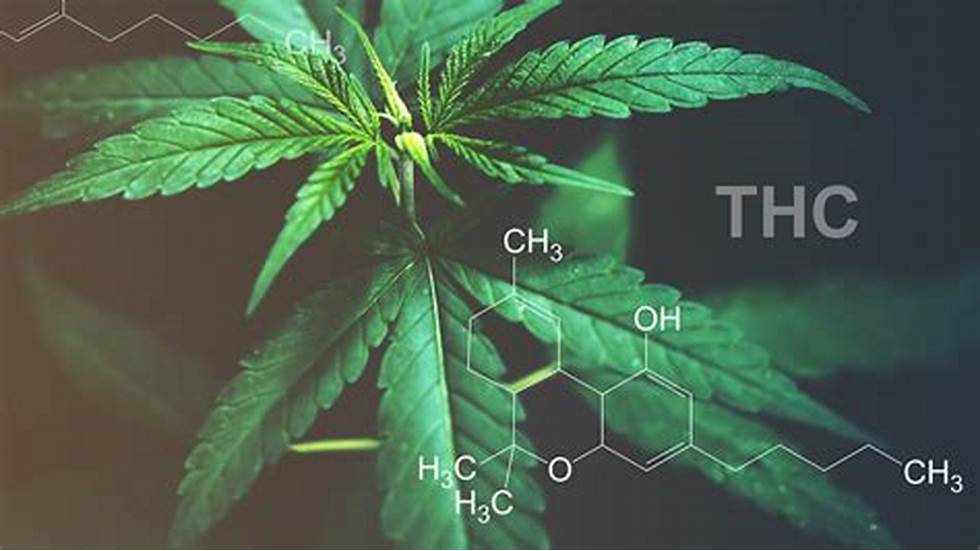
The effects of UW are mediated by its interaction with the endocannabinoid system (ECS). Key mechanisms include:
- CB1 Receptor Activation: THC binds to CB1 receptors in the brain, producing psychoactive effects and altering mood, appetite, and perception.
- Entourage Effect: The interplay between cannabinoids and terpenes enhances the strain’s therapeutic and psychoactive properties.
Pharmacokinetics
- Onset: Effects typically begin within 10-15 minutes of inhalation and peak after 30 minutes.
- Duration: The high lasts 2-3 hours, with residual sedative effects persisting longer.
Tolerance and Dependence
While UW has a relatively high THC content, its indica dominance mitigates the risk of overconsumption. However, regular use may lead to tolerance and mild psychological dependence. Moderation is advised to maintain efficacy and minimize potential side effects.
Methods of Ingestion, Onset, Duration, and Effects of UW Cannabis Strain
Methods of Ingestion
- Smoking
- Description: Traditional method involving combustion and inhalation of cannabis flower through joints, pipes, or bongs.
- Advantages: Immediate effects due to rapid absorption in the lungs.
- Considerations: May irritate the throat and lungs, less efficient cannabinoid use.
- Vaporization
- Description: Heating cannabis to release cannabinoids and terpenes as vapor, without combustion.
- Advantages: Cleaner inhalation, preserving more terpenes and cannabinoids.
- Considerations: Requires a vaporizer, initial cost can be high.
- Edibles
- Description: Infused food or drinks containing THC extracted from UW.
- Advantages: Long-lasting effects, discreet consumption.
- Considerations: Delayed onset (30 minutes to 2 hours), challenging to dose accurately.
- Tinctures
- Description: Liquid cannabis extract taken sublingually or added to beverages.
- Advantages: Quick absorption through sublingual administration, precise dosing.
- Considerations: Slower onset when ingested (like edibles).
- Topicals
- Description: Cannabis-infused creams, balms, or patches applied to the skin.
- Advantages: Localized relief without psychoactive effects.
- Considerations: Primarily used for pain and inflammation, not for systemic effects.
- Concentrates (e.g., dabs)
- Description: Highly potent cannabis extracts consumed through specialized equipment.
- Advantages: Intense, immediate effects with minimal product.
- Considerations: Requires experience, can be overwhelming for novice users.
Onset, Duration, and Effects by Method
- Smoking/Vaping
- Onset: 1-5 minutes.
- Peak: 15-30 minutes.
- Duration: 2-3 hours.
- Effects: Immediate relaxation, euphoria, and body high; ideal for acute relief of pain or stress.
- Edibles
- Onset: 30-120 minutes.
- Peak: 2-4 hours.
- Duration: 4-8 hours (sometimes longer).
- Effects: Gradual onset of deep relaxation, long-lasting euphoria, and pronounced body effects.
- Tinctures
- Onset (Sublingual): 15-45 minutes.
- Peak: 1-2 hours.
- Duration: 4-6 hours.
- Effects: Milder, controlled onset with balanced relaxation and mood elevation.
- Topicals
- Onset: 15-30 minutes.
- Duration: 2-4 hours.
- Effects: Localized pain and inflammation relief, no psychoactive effects.
- Concentrates
- Onset: Immediate (within seconds).
- Peak: 5-10 minutes.
- Duration: 1-3 hours.
- Effects: Intense euphoria and body high, rapid relief of acute symptoms like pain or anxiety.
Effects by Onset Stage
- Early Stage (0-30 minutes)
- Smoking/Vaping: Strong cerebral high, initial euphoria, mental upliftment.
- Tinctures: Mild relaxation and focus enhancement.
- Concentrates: Intense cerebral and body effects, immediate pain relief.
- Peak Stage (30-90 minutes)
- Relaxation deepens, and the body high becomes pronounced.
- Smoking/Vaping: Sedative effects take hold, ideal for stress and pain relief.
- Edibles/Tinctures: Full body relaxation, long-lasting euphoria.
- Late Stage (90+ minutes)
- Profound physical relaxation and sedation.
- Edibles: Extended body effects with potential couch-lock.
- Smoking/Vaping: Residual relaxation and mellow mood persist.
Key Factors Influencing Onset and Duration
- Dosage
- Higher doses (especially edibles and concentrates) lead to prolonged effects and delayed onset.
- Method of Ingestion
- Inhalation methods (smoking, vaping) provide immediate effects.
- Oral methods (edibles, tinctures) have longer durations but slower onset.
- Individual Metabolism
- Faster metabolisms experience quicker onset with shorter duration for edibles.
- Tolerance Level
- Regular users may require higher doses for similar effects.
- Terpene Interaction
- Myrcene enhances sedative effects and may accelerate the onset when inhaled.
Cultivation Information
Growing Requirements
UW is a moderately challenging strain to cultivate, requiring specific conditions for optimal growth:
- Climate: Prefers a Mediterranean climate with consistent warmth and humidity.
- Lighting: Thrives in both indoor and outdoor setups, though indoor cultivation allows greater control over environmental factors.
- Soil: Benefits from nutrient-rich soil with proper drainage.
- Temperature: Optimal temperature ranges between 70-85°F (21-29°C).
Flowering Time and Yield
- Flowering Period: 8-9 weeks
- Yield: Medium to high, depending on cultivation practices
Pest and Disease Resistance
UW demonstrates moderate resistance to common pests and diseases. However, regular monitoring for issues such as powdery mildew and spider mites is essential.
Potential Side Effects
While UW offers numerous benefits, users should be aware of potential side effects:
- Dry Mouth and Eyes: Common among cannabis strains, mitigated by hydration.
- Dizziness: Particularly in novice users or those with low THC tolerance.
- Paranoia: Possible with excessive consumption, emphasizing the importance of dosage control.
- Sedation: Beneficial for nighttime use but may impair daytime functionality.
Legal and Social Considerations
Legal Status
The availability of UW varies depending on regional cannabis laws. In areas with legalized medical or recreational cannabis, UW can often be found in dispensaries.
Community Perception
UW is highly regarded within the cannabis community for its medicinal properties and unique heritage. Its association with the University of Washington adds to its mystique and appeal.
Conclusion
The UW cannabis strain is a testament to the diversity and potential of cannabis as a therapeutic and recreational plant. Its potent effects, rich history, and broad spectrum of applications make it a standout option for both recreational and medical users. Whether used for pain relief, stress management, or simply unwinding after a busy day, UW exemplifies the multifaceted benefits of cannabis.
Future research into its genetic lineage and terpene interactions may unlock even greater insights into its capabilities, solidifying its status as a cornerstone strain in the cannabis world.
For a complete directory of cultivars, visit our Cannabis Strain Reviews.
