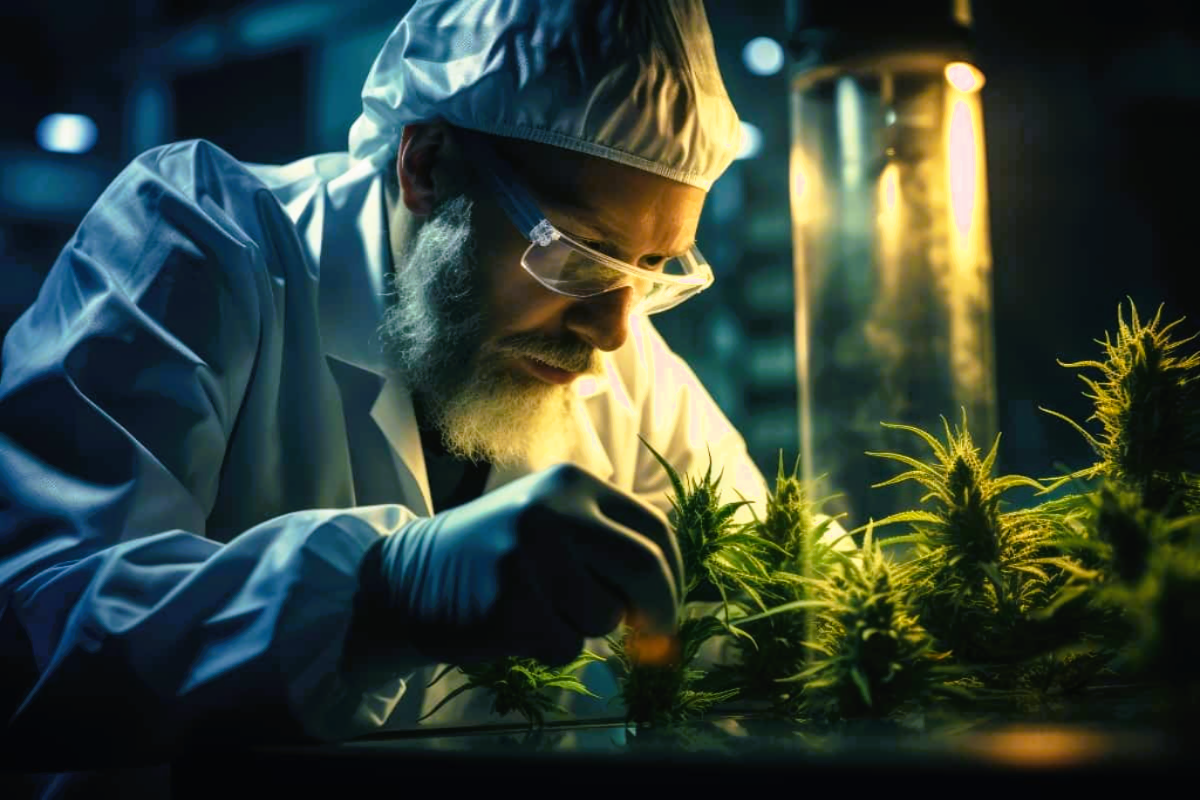
Using Inert Growing Mediums for Precision Control in Medical Cannabis Cultivation
Introduction
Medical cannabis has been increasingly recognized for its therapeutic benefits in treating a variety of medical conditions, such as chronic pain, epilepsy, multiple sclerosis, and chemotherapy-induced nausea. As the demand for medical-grade cannabis has grown, so has the need for precise and controlled cultivation methods to ensure consistency, potency, and quality. One of the critical aspects of medical cannabis cultivation is the growing medium, which plays a crucial role in the plant’s health, yield, and cannabinoid content.
Inert growing mediums have emerged as a preferred option for cultivating medical cannabis because they provide growers with unparalleled control over nutrient delivery, water retention, and environmental conditions. Inert mediums, such as rockwool, perlite, and coco coir, do not contain any inherent nutrients or biological activity, allowing growers to manipulate the growing environment with precision. This level of control is essential for producing medical-grade cannabis with consistent cannabinoid profiles, free from contaminants, and tailored to specific therapeutic needs.
This comprehensive guide will explore the use of inert growing mediums in the cultivation of medical cannabis, focusing on the advantages they offer in terms of precision control, consistency, and quality. We will also examine how these mediums can contribute to optimizing cannabinoid production, reducing the risk of contamination, and ensuring the safety and efficacy of medical cannabis.
1. The Importance of Precision in Medical Cannabis Cultivation

In medical cannabis cultivation, precision is paramount. Patients rely on cannabis for specific therapeutic effects, and any variability in cannabinoid or terpene content can significantly impact treatment outcomes. Traditional growing methods, such as soil-based cultivation, while effective for recreational cannabis, often introduce variability due to the biological activity and nutrient content present in soil. In contrast, inert growing mediums allow for tighter control over the growing environment, minimizing variability and ensuring that each plant receives the exact nutrients it needs for optimal growth.
Precision control is especially important when cultivating strains of cannabis that are high in specific cannabinoids, such as cannabidiol (CBD) or tetrahydrocannabinol (THC), which are used to treat various medical conditions. By using inert mediums, growers can fine-tune nutrient levels, pH, and water content to optimize cannabinoid production and create a consistent product for medical use.
2. What Are Inert Growing Mediums?
Inert growing mediums are materials that do not contain any nutrients or organic matter. They are typically sterile, free from pathogens, and have minimal biological activity, which makes them ideal for controlling the growing environment. These mediums allow for precision control over nutrient delivery, as all the essential nutrients for plant growth must be supplied externally through a carefully controlled feeding schedule.
Some of the most common inert growing mediums used in medical cannabis cultivation include:
- Rockwool: A fibrous material made from molten basalt rock, spun into fibers, and then formed into cubes or slabs. It has excellent water retention properties and provides a stable root environment.
- Perlite: A volcanic glass that is heated and expanded to create lightweight, porous particles. Perlite provides excellent aeration and drainage, making it ideal for hydroponic systems.
- Coco Coir: A byproduct of coconut husks, coco coir is a natural fiber that has become popular in hydroponic and soilless growing systems. While not entirely inert (it has some cation exchange capacity), it provides a stable, pH-neutral growing environment.
- Clay Pellets (LECA, Lightweight Expanded Clay Aggregate): These round pellets are made from clay that has been heated and expanded. They provide excellent drainage and aeration and are commonly used in recirculating hydroponic systems.
- Vermiculite: Another mineral-based medium, vermiculite expands when heated and has excellent water retention properties, often used in conjunction with perlite to balance aeration and moisture levels.
These mediums provide a sterile and inert environment for cannabis plants, allowing the grower to control all aspects of the plant’s nutrition, water, and pH, making them ideal for cultivating high-quality medical cannabis.
3. Advantages of Using Inert Growing Mediums in Medical Cannabis Cultivation
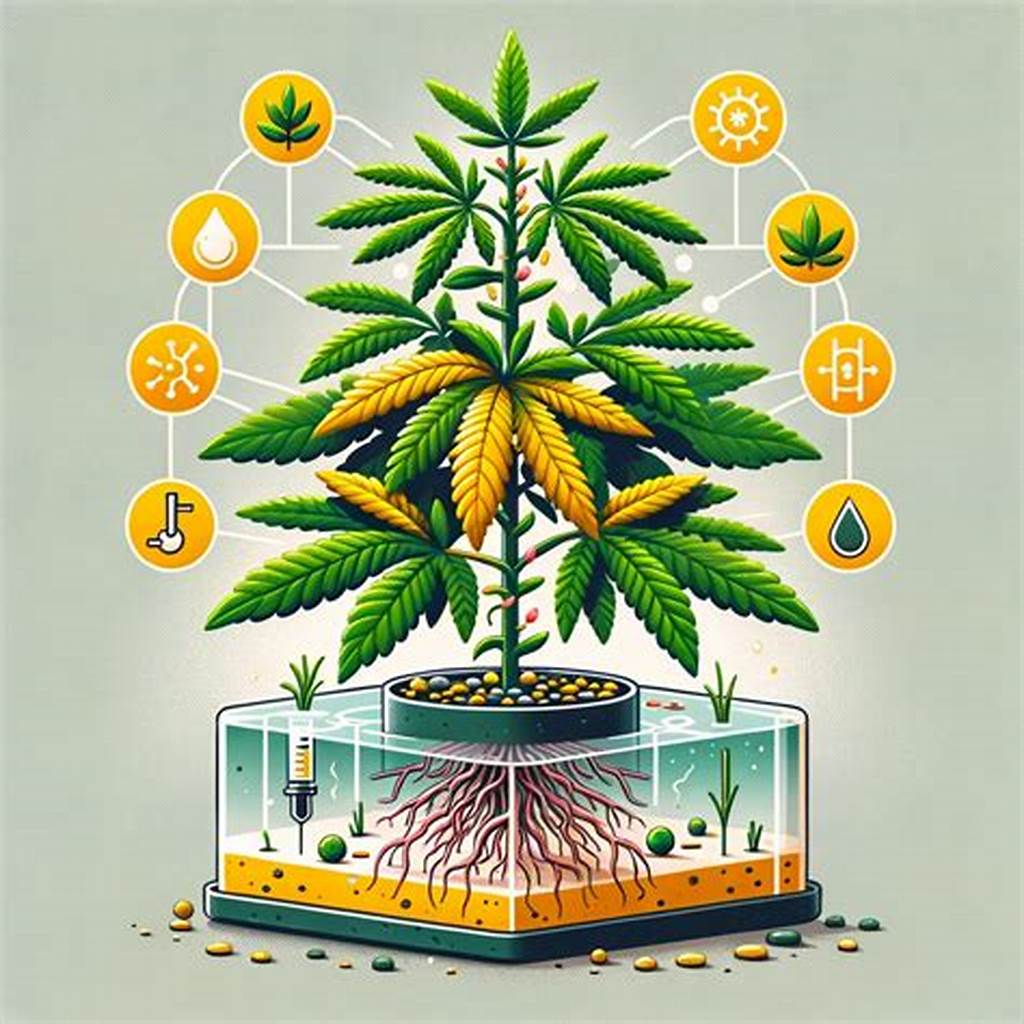
There are several significant advantages to using inert growing mediums when cultivating medical cannabis, particularly in terms of precision, consistency, and control.
3.1. Nutrient Control
Inert growing mediums do not provide any nutrients to the plants, which means that all the nutrients must be delivered through the water or nutrient solution. This gives growers complete control over the type and amount of nutrients the plants receive. In medical cannabis cultivation, this is crucial for optimizing the cannabinoid and terpene profiles of the plants.
For example, research has shown that manipulating nutrient levels during different stages of the cannabis growth cycle can influence the plant’s cannabinoid content. By providing precise amounts of nitrogen, phosphorus, potassium, and micronutrients, growers can promote the production of cannabinoids like THC, CBD, and others that are important for treating specific medical conditions.
Additionally, since inert mediums do not hold onto nutrients as soil does, there is less risk of nutrient lockout or imbalance, which can lead to deficiencies or toxicities. This level of control is essential for producing a consistent product that meets the stringent requirements for medical use.
3.2. pH Control
The pH of the growing medium is a critical factor in the absorption of nutrients by cannabis plants. Inert growing mediums allow for precise control of pH levels, as they do not have the buffering capacity that soil has. This means that growers can maintain the optimal pH range for cannabis (typically between 5.5 and 6.5) more easily, ensuring that nutrients are readily available to the plants at all times.
This is particularly important in medical cannabis cultivation, where maintaining the correct pH can directly impact the plant’s ability to produce cannabinoids and terpenes. Even slight deviations in pH can cause nutrient deficiencies or toxicities, which can affect the quality and consistency of the final product.
3.3. Water Retention and Drainage
Different inert growing mediums offer varying levels of water retention and drainage, allowing growers to choose the medium that best suits their specific growing system and environmental conditions. For example, rockwool retains a large amount of water, making it ideal for drip irrigation systems, while perlite and clay pellets provide excellent drainage and aeration, making them suitable for flood-and-drain or deep water culture systems.
In medical cannabis cultivation, managing water retention and drainage is crucial for preventing root diseases and ensuring that the plants receive the right amount of moisture. Overwatering or underwatering can lead to stress, which can negatively impact the plant’s growth and cannabinoid production.
By selecting the appropriate inert medium and irrigation system, growers can create an environment where water and nutrient delivery are precisely controlled, ensuring optimal plant health and maximizing cannabinoid production.
3.4. Sterility and Disease Prevention
One of the most significant advantages of using inert growing mediums is their sterility. Unlike soil, which can harbor pests, pathogens, and fungi, inert mediums are typically free from contaminants. This reduces the risk of disease and pest infestations, which is especially important in medical cannabis cultivation, where contamination can compromise the safety and efficacy of the final product.
For patients relying on cannabis for medical purposes, such as those with compromised immune systems, ensuring that the product is free from contaminants is critical. Inert mediums, when combined with proper sanitation and hygiene practices in the grow room, help to create a sterile growing environment that minimizes the risk of contamination.
3.5. Consistency in Product Quality
Consistency is one of the most important factors in medical cannabis cultivation. Patients who use cannabis for medical purposes require a consistent product that delivers the same therapeutic effects every time. Variability in cannabinoid and terpene content can lead to inconsistent treatment outcomes, which can be detrimental to patients who rely on cannabis for managing chronic conditions.
Inert growing mediums allow growers to maintain tight control over the growing environment, reducing variability and ensuring a consistent product. Since the medium itself does not contribute to the nutrient profile, all factors that influence plant growth (light, temperature, humidity, nutrients, and water) can be controlled with precision. This leads to more uniform growth and a more consistent cannabinoid profile, which is essential for medical cannabis.
4. Types of Inert Growing Mediums and Their Applications in Medical Cannabis Cultivation
Now that we have explored the advantages of using inert growing mediums, let’s take a closer look at some of the most commonly used mediums and how they can be applied in medical cannabis cultivation.
4.1. Rockwool
Rockwool is one of the most widely used inert growing mediums in commercial cannabis cultivation. It is made by melting basalt rock and spinning it into fibers, which are then formed into cubes, slabs, or blocks. Rockwool has excellent water retention properties and provides a stable environment for root growth.
In medical cannabis cultivation, rockwool is often used in hydroponic systems, where it allows for precise control over nutrient delivery and water content. It is particularly well-suited for drip irrigation systems, as it retains water while providing good aeration for the roots.
One of the key benefits of rockwool is its ability to maintain a consistent moisture level, which helps prevent overwatering or underwatering. This consistency is important for maintaining optimal plant health and ensuring consistent cannabinoid production.
However, it is essential to monitor the pH of the nutrient solution when using rockwool, as it can have a slightly alkaline pH when first used. Pre-soaking the rockwool in a pH-adjusted solution can help mitigate this issue.
4.2. Perlite
Perlite is a lightweight, porous material made from volcanic glass that has been heated and expanded. It is commonly used in hydroponic systems for its excellent aeration and drainage properties. Perlite is often mixed with other inert mediums, such as coco coir or vermiculite, to balance moisture retention and aeration.
In medical cannabis cultivation, perlite is used in systems where drainage and oxygenation of the roots are critical, such as in flood-and-drain or deep water culture systems. Its porous structure allows for excellent oxygenation of the roots, which promotes healthy root development and reduces the risk of root diseases.
Perlite is also sterile and free from contaminants, making it a safe and reliable choice for cultivating medical cannabis. However, it does not retain much water, so it is often used in combination with other mediums that provide better water retention.
4.3. Coco Coir
Coco coir, made from the fibers of coconut husks, has become increasingly popular as an inert growing medium for medical cannabis cultivation. While coco coir is not completely inert (it has some cation exchange capacity), it is still considered a relatively neutral medium that allows for precision control over nutrient delivery.
One of the main advantages of coco coir is its excellent water retention properties. It can hold a significant amount of water while still providing good aeration for the roots. This makes it ideal for drip irrigation systems, where maintaining a consistent moisture level is crucial for plant health.
Coco coir is also pH-neutral and can be easily adjusted to the optimal pH range for cannabis cultivation. It is a renewable and sustainable resource, which makes it an environmentally friendly choice for growers concerned about sustainability.
In medical cannabis cultivation, coco coir is often used in combination with perlite or vermiculite to balance moisture retention and aeration. It provides a stable and consistent growing environment, which is essential for producing high-quality, medical-grade cannabis.
4.4. Clay Pellets (LECA)
Lightweight Expanded Clay Aggregate (LECA), or clay pellets, are round, porous pellets made from heated and expanded clay. These pellets are commonly used in hydroponic and aquaponic systems due to their excellent drainage and aeration properties.
In medical cannabis cultivation, LECA is often used in recirculating hydroponic systems such as flood-and-drain or drip irrigation setups. The pellets provide a stable root environment and allow for excellent oxygenation of the roots, which promotes healthy root development and reduces the risk of root diseases.
LECA is inert, sterile, and pH-neutral, making it an ideal medium for precision-controlled growing environments. Its porous structure allows for easy root penetration and helps prevent waterlogging, which can lead to root rot.
However, LECA does not retain much water, so it is often used in combination with other mediums that provide better water retention. Growers must also monitor the pH of the nutrient solution regularly, as LECA can sometimes cause slight fluctuations in pH.
4.5. Vermiculite
Vermiculite is a mineral-based medium that expands when heated. It has excellent water retention properties and is often used in combination with perlite to balance moisture retention and aeration.
In medical cannabis cultivation, vermiculite is used in systems where maintaining consistent moisture levels is critical, such as in drip irrigation or wick systems. Its ability to retain water helps prevent plants from drying out, while its porous structure allows for adequate aeration of the roots.
Vermiculite is also sterile and free from contaminants, making it a safe choice for cultivating medical-grade cannabis. However, because it retains a large amount of water, it is essential to monitor moisture levels closely to prevent overwatering, which can lead to root diseases.
5. Best Practices for Using Inert Growing Mediums in Medical Cannabis Cultivation
To achieve the best results when using inert growing mediums in medical cannabis cultivation, growers should follow several best practices to ensure precision control over the growing environment.
5.1. Monitor Nutrient Levels Regularly
Since inert growing mediums do not provide any nutrients to the plants, it is essential to monitor nutrient levels regularly and adjust the feeding schedule as needed. Growers should use a high-quality nutrition solution designed specifically for cannabis and tailor the nutrient levels to the specific stage of the plant’s growth cycle.
During the vegetative stage, cannabis plants require higher levels of nitrogen to promote leaf and stem growth. During the flowering stage, they require higher levels of phosphorus and potassium to promote bud development and cannabinoid production. Regularly testing the nutrient solution and adjusting it based on the plant’s needs will ensure optimal growth and cannabinoid production.
5.2. Maintain Optimal pH Levels
Maintaining the correct pH levels in the nutrient solution is critical for ensuring that cannabis plants can absorb nutrients effectively. Growers should regularly test the pH of the nutrient solution and adjust it as needed to keep it within the optimal range of 5.5 to 6.5.
In inert growing mediums, pH levels can fluctuate more easily than in soil, so it is essential to monitor pH levels closely and make adjustments as needed. Using a pH meter or pH testing kit will help ensure that the plants receive the correct pH for optimal nutrient absorption.
5.3. Choose the Right Medium for Your Growing System
Different inert growing mediums have different water retention and aeration properties, so it is essential to choose the right medium for your specific growing system. For example, rockwool is ideal for drip irrigation systems, while clay pellets are better suited for flood-and-drain systems.
Understanding the water retention and drainage properties of each medium will help you create a growing environment that provides the right amount of moisture and oxygen for the plants. This is critical for preventing overwatering or underwatering, which can lead to stress and reduced cannabinoid production.
5.4. Prevent Contamination
Since inert growing mediums are typically sterile, it is essential to maintain a clean and sterile growing environment to prevent contamination. This includes regularly cleaning and sanitizing the growing area, equipment, and irrigation system.
Contamination can introduce pathogens or pests that can compromise the health of the plants and the quality of the final product. In medical cannabis cultivation, ensuring that the product is free from contaminants is critical for patient safety.
5.5. Monitor Environmental Conditions
In addition to controlling nutrient levels and pH, it is essential to monitor environmental conditions such as temperature, humidity, and light levels. Cannabis plants require specific environmental conditions to thrive, and any deviations from these conditions can affect their growth and cannabinoid production.
Maintaining a consistent temperature, humidity, and light schedule will help ensure optimal plant health and maximize cannabinoid production. Using environmental controls such as thermostats, humidifiers, and light timers will help you create a stable and controlled growing environment.
Restrictions on Growing and Using Cannabis in the Medical Field as a Last Resort

1. Strict Regulations for Medical Use Only
Medical cannabis cultivation and use are highly regulated across different regions to ensure it is strictly for therapeutic purposes. In most jurisdictions, cannabis can only be prescribed by licensed healthcare professionals to patients who have exhausted other conventional treatment options. Cannabis must be grown and processed in facilities that meet strict safety and quality standards to ensure consistency and efficacy.
2. Cannabis as a Last Resort
In medical practice, cannabis is often considered a last resort, meaning it is prescribed when all other standard treatments have failed. Medical cannabis is typically reserved for patients with chronic conditions like cancer-related pain, epilepsy, or severe forms of multiple sclerosis, where traditional medications have proven ineffective. Doctors must document that conventional treatments have been tried and failed before prescribing cannabis.
3. Monitoring THC Levels to Prevent Psychoactive Effects
A crucial concern in medical cannabis use is managing the levels of tetrahydrocannabinol (THC), the primary psychoactive compound in cannabis. To avoid unwanted psychoactive effects, medical cannabis products often contain low levels of THC and higher levels of cannabidiol (CBD), a non-psychoactive compound known for its therapeutic benefits. Regular monitoring of THC levels in cannabis medications ensures that patients receive the therapeutic effects without experiencing euphoria or other psychoactive side effects.
4. Quality Control and Patient Safety
Cultivating cannabis for medical purposes involves stringent quality control processes, including regular testing for THC and CBD content, contaminants, and consistency. This ensures that patients receive safe, effective medications that meet medical standards. Strict monitoring of these products helps prevent misuse or diversion into the recreational market, maintaining a focus on patient care.
Conclusion
In the medical field, cannabis is strictly regulated, reserved as a last resort treatment option for patients with chronic or severe conditions where conventional therapies have failed. The cultivation and use of medical cannabis are subject to stringent guidelines to ensure safety, consistency, and quality, with a focus on minimizing the psychoactive effects by carefully controlling THC levels. Inert growing mediums provide precision control in cultivation, optimizing cannabinoid production while ensuring the absence of contaminants. Ultimately, these measures ensure that medical cannabis is a safe and effective treatment option, providing therapeutic benefits without compromising patient well-being.
