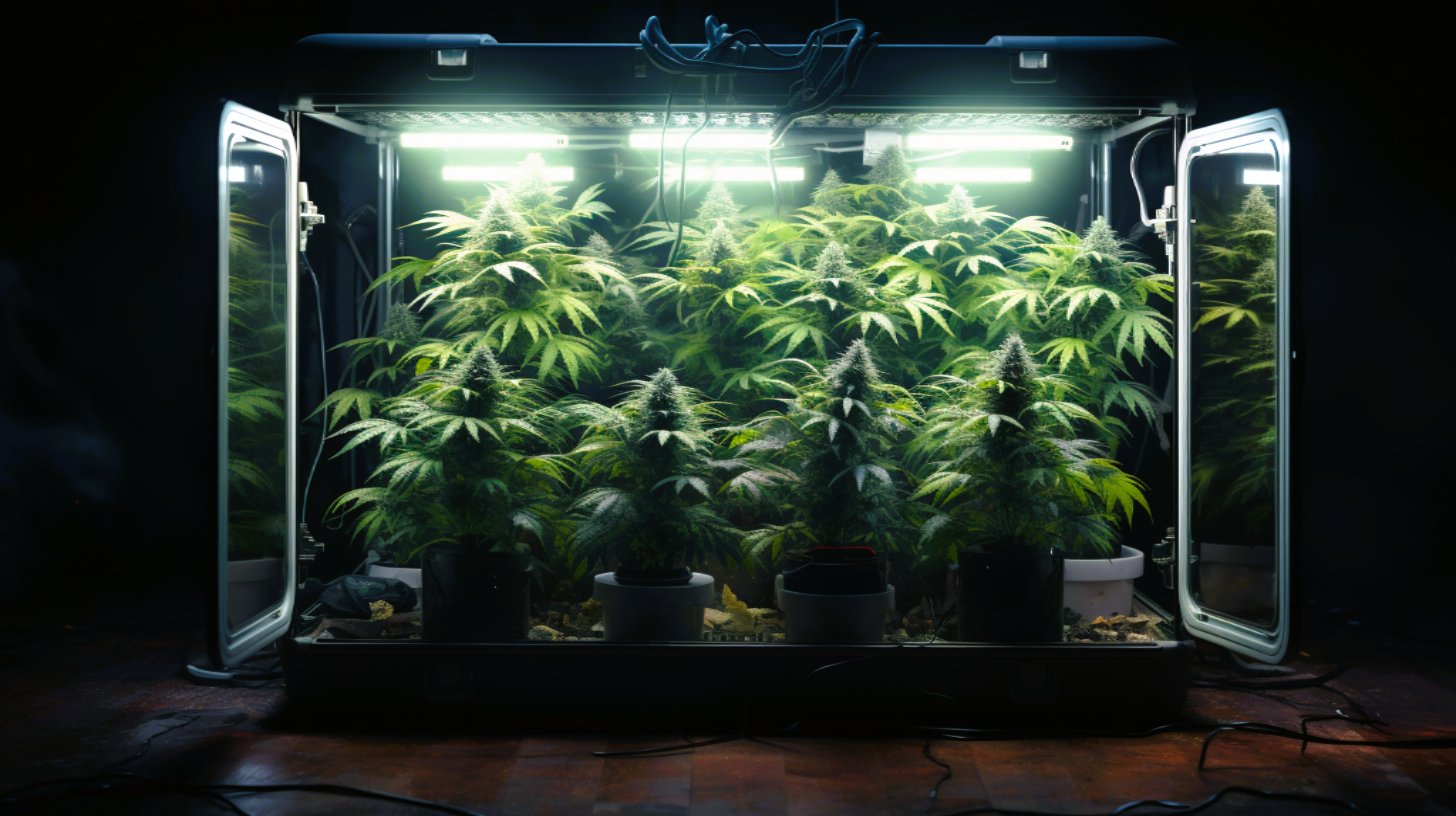
Using Grow Tents for Controlled Medical Cannabis Environments
Grow tents have revolutionized the world of medical cannabis cultivation by providing a controlled, enclosed environment that promotes optimal growth while minimizing the risks associated with outdoor cultivation. For medical cannabis growers, the ability to manage and manipulate variables such as temperature, humidity, light, and airflow in a grow tent offers unparalleled control over the growing process. This level of control is especially crucial when cultivating cannabis for medical purposes, where consistency in cannabinoid content, safety, and plant health are paramount. This article will delve into the intricacies of using grow tents specifically for medical cannabis, examining the benefits, best practices, and essential components required to achieve a successful medical cannabis harvest.
1. Introduction to Grow Tents for Medical Cannabis Cultivation
A grow tent is a portable, reusable, and flexible structure designed to replicate the ideal growing conditions for cannabis plants. It is typically lined with reflective material to maximize the efficiency of light, while the outer fabric provides insulation and protection. These tents are available in a range of sizes, making them suitable for personal medical growers and larger-scale medical cannabis operations alike. The primary advantage of using a grow tent for medical cannabis cultivation is the control it offers over environmental conditions, allowing growers to tailor the environment to the specific needs of their medical cannabis strains.
Grow tents for medical cannabis cultivation allow growers to produce high-quality, contaminant-free cannabis, which is vital for medical patients who rely on cannabis for relief from chronic conditions, such as pain, anxiety, seizures, or cancer-related symptoms. In contrast to outdoor growing, where environmental factors can introduce variability in cannabinoid and terpene profiles, a grow tent allows for consistent and precise control of factors that influence plant growth and potency.
2. Advantages of Using Grow Tents for Medical Cannabis
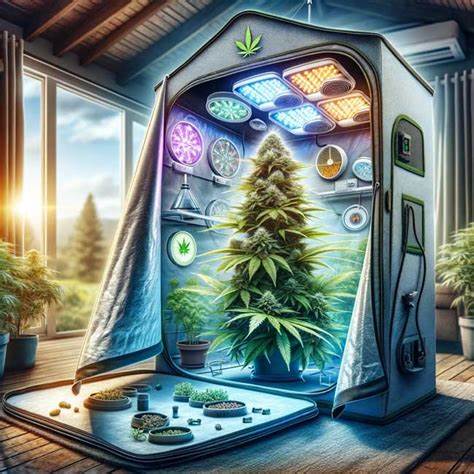
Medical cannabis growers stand to gain numerous benefits from cultivating their plants in grow tents:
a. Environmental Control
In medical cannabis cultivation, consistency is key. Patients using cannabis for therapeutic purposes depend on specific strains that deliver predictable effects. Grow tents offer growers complete control over temperature, humidity, and lighting, ensuring that plants develop in stable conditions. This is especially important for cultivating medical cannabis, as fluctuations in environmental conditions can stress the plants, leading to variations in cannabinoid levels and reduced therapeutic efficacy.
b. Pest and Disease Prevention
Medical cannabis patients are often immunocompromised or have specific health concerns that make avoiding contaminants crucial. Grow tents provide a contained environment that can reduce the risk of pests, mold, and diseases that can compromise plant health and quality. By using proper air filtration, decontamination practices, and regular monitoring, medical growers can create a safer growing space free of harmful pathogens.
c. Odor Control and Discretion
For medical patients who grow cannabis in home settings, grow tents offer a high level of discretion. These tents are equipped with exhaust systems that, when used in conjunction with carbon filters, significantly reduce cannabis odors. While odor is less of an issue in large-scale medical operations, home growers benefit from the privacy and peace of mind provided by this feature.
d. Energy Efficiency
Grow tents maximize the efficiency of artificial lighting by utilizing reflective materials that ensure light is evenly distributed throughout the growing area. This reduces energy costs while also optimizing plant growth. Furthermore, environmental controls such as automated fans and air conditioning systems can be used efficiently in an enclosed space, minimizing energy waste and enhancing sustainability.
e. Flexibility and Customization
Grow tents are available in various sizes and can be equipped with multiple systems, from hydroponic setups to automated watering systems, to suit the specific needs of different medical cannabis strains. This flexibility allows growers to adjust their growing systems based on the strain they are cultivating, ensuring that each plant receives the appropriate care to produce the desired medical effects.
3. Choosing the Right Grow Tent for Medical Cannabis Cultivation
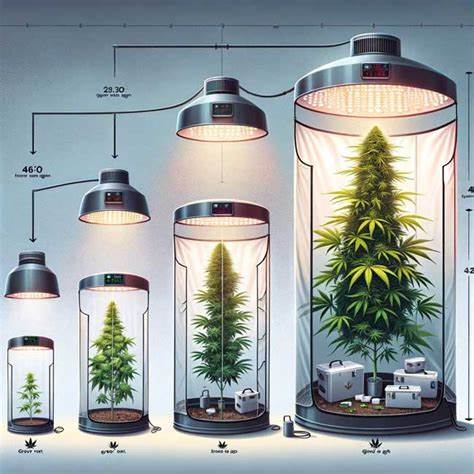
When selecting a grow tent for medical cannabis, several factors must be taken into consideration to ensure that the tent can meet the unique needs of medical plants:
a. Size and Space Requirements
The size of the grow tent will depend on the number of plants being cultivated and the available space. Personal medical growers may only need a small tent that can house 1-4 plants, while larger-scale operations may require multiple, larger tents to accommodate larger plant counts. It is important to consider the vertical space of the tent as well, as some medical cannabis strains can grow tall, and adequate headroom is necessary to prevent crowding or light burn.
b. Material Quality
Medical cannabis growers should invest in high-quality grow tents made from durable, lightproof materials. The outer fabric should be thick enough to prevent light leaks, as even small amounts of light during the dark period of the plant’s life cycle can disrupt flowering and reduce cannabinoid production. Additionally, the tent should have a high-quality reflective lining that evenly distributes light without creating hotspots.
c. Ventilation and Airflow
Proper ventilation is critical in a grow tent to ensure that plants receive sufficient carbon dioxide and that excess heat and humidity are removed from the growing environment. Medical cannabis tents should be equipped with intake and exhaust ports to facilitate airflow. Inline fans can be installed to draw fresh air into the tent, while carbon filters attached to exhaust fans can help eliminate odors and prevent contaminants from entering the growing space.
d. Lighting Compatibility
Medical cannabis growers need to ensure that their grow tents can support the appropriate lighting setup for their plants. LED grow lights are often preferred for medical cannabis cultivation due to their energy efficiency, low heat output, and full-spectrum lighting capabilities. Tents should have sturdy support structures to hold the weight of lighting systems, and reflective materials should be used to maximize light coverage.
4. Setting Up the Ideal Environment in a Grow Tent
a. Temperature Control
Cannabis plants thrive in a specific temperature range, typically between 68°F and 77°F (20°C to 25°C) during the day and slightly cooler at night. To maintain this range in a grow tent, medical growers may need to use heaters, air conditioners, or fans, depending on the ambient temperature. Digital thermometers with probes can help growers monitor temperatures and make necessary adjustments. Maintaining consistent temperatures is particularly important in medical cannabis cultivation, as temperature fluctuations can lead to stress and affect cannabinoid production.
b. Humidity Management
The humidity levels in a grow tent must be carefully monitored and adjusted based on the plant’s growth stage. Seedlings and clones require higher humidity levels (60-70%), while flowering plants benefit from lower humidity (40-50%) to prevent mold and bud rot. Medical growers often use humidifiers or dehumidifiers to regulate moisture levels in the grow tent. Monitoring humidity is especially crucial for medical cannabis, as improper levels can lead to fungal contamination, which is hazardous to medical patients.
c. Lighting Setup
Lighting plays a key role in medical cannabis cultivation. The kind and intensity of light in a grow tent can be adjusted to the specific requirements of the plant. LED lights are highly recommended for medical cannabis because they emit full-spectrum light that mimics natural sunlight while minimizing heat output. Growers can promote healthy plant growth and bud development by changing the light cycle to 18 hours of light and 6 hours of darkness during the vegetative stage and 12 hours of light and 12 hours of darkness during the flowering stage.
d. Airflow and Carbon Dioxide (CO2) Supplementation
Airflow is essential in preventing stagnant air, which can lead to mold, pests, and poor plant health. Medical cannabis growers should install oscillating fans inside the tent to circulate air and prevent hotspots. In addition, supplementing the air with carbon dioxide can enhance plant growth and increase yields. CO2 levels should be maintained at 1,200 to 1,500 ppm for optimal growth during the flowering stage.
5. Key Components for a Successful Grow Tent Setup
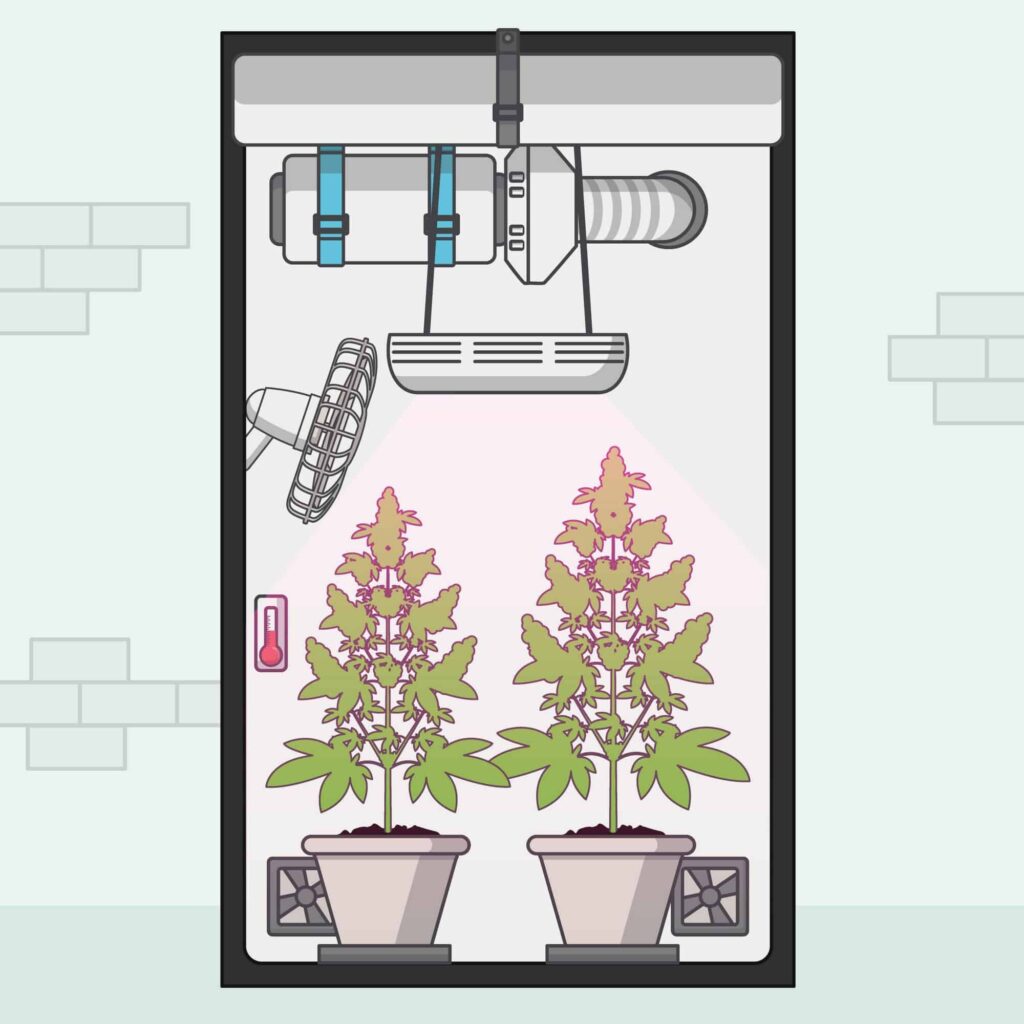
Medical cannabis growers must incorporate several essential components to create a functional and efficient grow tent system:
a. Lighting System
LED grow lights are favored for their energy efficiency, full-spectrum output, and low heat emission. Lights should be adjustable to maintain the correct distance from the plants to avoid light burn or insufficient exposure. Proper light cycles must be established to encourage vegetative growth and flowering.
b. Ventilation and Filtration
Inline fans, ducting, and carbon filters are critical for managing airflow, controlling temperature, and eliminating odors. By ensuring that the plants receive fresh air, proper ventilation helps to prevent an accumulation of heat and humidity.
c. Humidity and Temperature Monitoring
Digital hygrometers and thermometers should be used to constantly monitor the tent’s internal environment. Automatic climate control systems can simplify the process by adjusting the temperature and humidity based on pre-set parameters.
d. Watering System
Medical cannabis growers often employ automated watering systems such as drip irrigation or hydroponic setups to maintain consistent moisture levels. It is necessary to have adequate drainage systems in place to stop root rot and wet soil.
e. Nutrient Delivery
In a controlled environment like a grow tent, it is essential to provide cannabis plants with the proper nutrients at the correct stages of growth. Medical cannabis strains may require specialized nutrient blends to optimize cannabinoid and terpene production.
6. Best Practices for Using Grow Tents in Medical Cannabis Cultivation
a. Maintaining Sterile Conditions
Medical cannabis must be cultivated in sterile conditions to avoid contamination. Growers should wear clean clothing, use sanitized tools, and regularly clean the grow tent and its components to prevent the introduction of harmful pathogens.
b. Monitoring Plant Health
Constant monitoring of plant health is essential in medical cannabis cultivation. Growers should regularly check for signs of nutrient deficiencies, pest infestations, or mold. Plant health can be maintained without the use of hazardous chemicals by employing helpful insects and organic pest control techniques.
c. Harvesting and Post-Harvest Care
When cultivating cannabis for medical use, proper harvesting, drying, and curing practices are crucial to preserve the plant’s medicinal properties. Growers should harvest the plants at the peak of their cannabinoid and terpene production, typically when the trichomes are milky white with a slight amber hue. Post-harvest care, including trimming, drying, and curing, should be performed in a clean, controlled environment to prevent contamination and ensure potency.
7. Challenges and Considerations in Grow Tent Cultivation
a. Electricity Costs
While grow tents can be energy-efficient, running lights, fans, and environmental controls 24/7 can lead to high electricity costs. Medical growers should consider investing in energy-efficient equipment and timers to reduce unnecessary energy consumption.
b. Legal and Compliance Issues
Medical cannabis cultivation is subject to strict regulations, and growers must ensure they are compliant with local laws. This includes licensing, plant count limits, and safety protocols to prevent unauthorized access to the growing space.
c. Strain-Specific Requirements
Different medical cannabis strains have unique growing needs. Some may require higher humidity levels, while others may thrive in cooler environments. Growers should research the specific requirements of their chosen medical strains and adjust their grow tent setup accordingly.
Restrictions on Growing and Using Cannabis in the Medical Field and Monitoring THC Levels
Strict laws and guidelines govern the production and use of cannabis in the medical industry to protect patients and make sure the drug is used appropriately as a medicinal. Cannabis is frequently thought of as a last-resort therapy, especially for individuals who have not responded well to traditional therapies. These restrictions help ensure that cannabis is used responsibly, with careful monitoring of its psychoactive components, such as THC, to prevent adverse effects, particularly psychoactive experiences.
Growing Cannabis for Medical Use: Regulations and Restrictions
In many countries and regions, the cultivation of cannabis for medical purposes is highly regulated. Governments require growers to obtain licenses and adhere to strict standards that govern the growing environment, quality control, and tracking of cannabis plants from seed to harvest. These regulations are designed to ensure that the cannabis produced for medical use is free from contaminants such as pesticides, mold, or other harmful substances.
Medical cannabis growers must follow strict protocols regarding plant count, security measures, and facility cleanliness. Growing environments must be controlled to ensure consistency in the cannabinoid profiles of the plants, as medical cannabis requires precise concentrations of compounds like THC and CBD to deliver predictable therapeutic effects. In many jurisdictions, home cultivation of medical cannabis is prohibited or limited to a small number of plants, and growers must demonstrate that they are providing cannabis solely for medical use, not for recreational purposes.
Cannabis as a Last Resort in Medical Treatment
Cannabis is usually utilized in medicine as a last resort when all other forms of treatment have failed. This is particularly true for chronic pain, epilepsy, cancer-related symptoms, and certain neurological conditions. Physicians may prescribe medical cannabis only after patients have tried conventional medications without success. This cautious approach ensures that cannabis is not overprescribed and is reserved for cases where its therapeutic potential outweighs potential risks.
Before recommending cannabis, healthcare providers must evaluate the patient’s medical history, potential drug interactions, and overall suitability for cannabis-based therapies. This assessment includes an analysis of whether the patient’s condition could benefit from the non-psychoactive components of cannabis, such as CBD, which does not produce the high associated with THC.
Monitoring THC Levels to Prevent Psychoactive Effects
One of the most critical aspects of using cannabis in medical treatment is controlling the levels of tetrahydrocannabinol (THC), the compound responsible for its psychoactive effects. For many patients, particularly those with serious medical conditions or those who are sensitive to psychoactive substances, minimizing THC levels is essential. Medical cannabis treatments often prioritize high-CBD, low-THC formulations to deliver therapeutic benefits without causing the high associated with recreational cannabis use.
Regulations require that medical cannabis products undergo rigorous testing to determine their cannabinoid content, including the precise levels of THC. Healthcare providers must monitor the effects of THC on patients, particularly when using cannabis to treat vulnerable populations such as children, the elderly, or those with mental health conditions. Regular testing of cannabis products ensures that patients receive consistent dosages and that THC levels remain within the recommended limits to avoid psychoactive effects.
Conclusion: Grow Tents and Restrictions on Medical Cannabis Cultivation and Use
Grow tents have become an essential tool for medical cannabis cultivation, offering growers precise control over the growing environment, which is critical for producing high-quality, contaminant-free cannabis. By using grow tents, medical cannabis cultivators can manage variables such as temperature, humidity, light, and airflow, ensuring that the plants are grown under optimal conditions. This level of control is especially important in the medical field, where consistency in cannabinoid content and plant health is crucial for providing patients with reliable, therapeutic benefits.
In addition to the benefits of grow tents, the cultivation and use of medical cannabis are subject to stringent regulations to ensure patient safety and therapeutic efficacy. These restrictions include strict guidelines for growing practices, security measures, and quality control. Cannabis is typically prescribed as a last resort, only after conventional treatments have proven ineffective. Physicians must carefully assess patients before recommending medical cannabis, focusing on its potential to alleviate conditions like chronic pain, epilepsy, and cancer-related symptoms.
A key aspect of medical cannabis use is monitoring THC levels to prevent unwanted psychoactive effects. THC concentrations in medical cannabis products should be kept to a minimum to prevent patients from experiencing psychoactive effects. Vigorous testing is necessary to guarantee consistent cannabinoid profiles. This is especially important when treating vulnerable populations or patients sensitive to THC.
In summary, grow tents provide medical cannabis growers with the necessary tools to cultivate plants in controlled environments, ensuring the production of high-quality, therapeutic-grade cannabis. Simultaneously, strict regulations and careful monitoring of THC levels are essential to safeguard patient well-being, ensuring that cannabis is used effectively and safely as a last-resort medical treatment.
