
Using Cover Crops to Improve Soil for Medical Cannabis Cultivation
Introduction
Medical cannabis cultivation has gained significant attention due to the therapeutic benefits of the plant in treating a variety of conditions such as chronic pain, epilepsy, anxiety, and multiple sclerosis. As demand for medical-grade cannabis increases, so does the need for sustainable and effective cultivation practices that not only produce high yields but also ensure the highest quality of medicinal compounds. Using cover crops, which are plants cultivated primarily to improve soil health rather than for harvest, is one such strategy.
Because they enhance soil fertility, structure, water retention, and biodiversity, cover crops are essential to sustainable agriculture. When incorporated into cannabis cultivation, particularly in medical cannabis farms, they help to create a more resilient and productive ecosystem that supports optimal plant health. This paper delves into how cover crops can be leveraged to improve soil for medical cannabis cultivation, emphasizing the biological and chemical advantages for soil health, and ultimately leading to the production of high-quality cannabis for medical use.
What Are Cover Crops?
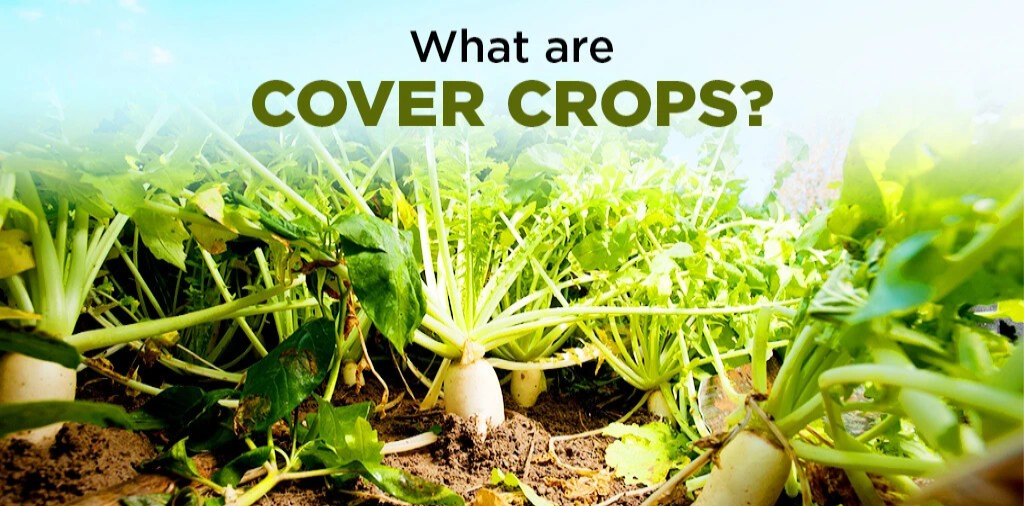
Cover crops are non-harvested crops planted to cover the soil, protecting it from erosion, improving its structure, and enhancing its fertility. They are often used in rotation with cash crops, or even intercropped with cannabis plants, to improve soil conditions during fallow periods or throughout the year. Common types of cover crops include legumes (like clover and vetch), grasses (like rye and barley), brassicas (like radishes and mustard), and non-leguminous broadleaves (like buckwheat).
For medical cannabis cultivation, cover crops play a vital role in creating healthy, nutrient-rich soil that fosters better growth and increased medicinal cannabinoid content. By maintaining or improving soil conditions, cover crops reduce the need for chemical inputs like fertilizers and pesticides, which are often discouraged in the production of medical-grade cannabis. These inputs can impact both the plant’s phytochemical profile and its safety for patients, making organic soil health solutions like cover cropping even more essential.
The Importance of Soil Health in Medical Cannabis Cultivation
The quality and health of the soil directly affect the potency, yield, and overall therapeutic efficacy of cannabis plants. Medical cannabis cultivators are tasked with producing consistent, high-quality crops that meet the stringent safety and potency requirements of the medical industry. Achieving these standards begins with optimizing the growing environment, with soil being a critical factor.
Healthy soil is rich in organic matter, beneficial microbes, and essential nutrients that promote strong root systems and robust plant growth. Medical cannabis plants, like any other crop, rely on the soil to supply water, oxygen, and a steady stream of nutrients throughout the growing season. Poor soil conditions—such as compaction, erosion, or nutrient depletion—can lead to stunted growth, reduced yields, and lower concentrations of cannabinoids, terpenes, and other medicinal compounds.
Cannabis, particularly for medical use, demands a balanced nutrient profile, with adequate levels of nitrogen, phosphorus, potassium, and trace minerals. Imbalances or deficiencies in these nutrients can result in plants that are less effective for medicinal use due to reduced cannabinoid synthesis. Moreover, soil health affects the microbial community, which is essential for nutrient cycling and disease suppression. Soil rich in beneficial bacteria and fungi supports plant health by increasing nutrient availability and providing natural defense mechanisms against pathogens.
The integration of cover crops into cannabis cultivation can address these concerns by improving soil structure, enhancing nutrient availability, and fostering beneficial microbial populations.
Benefits of Using Cover Crops in Medical Cannabis Cultivation
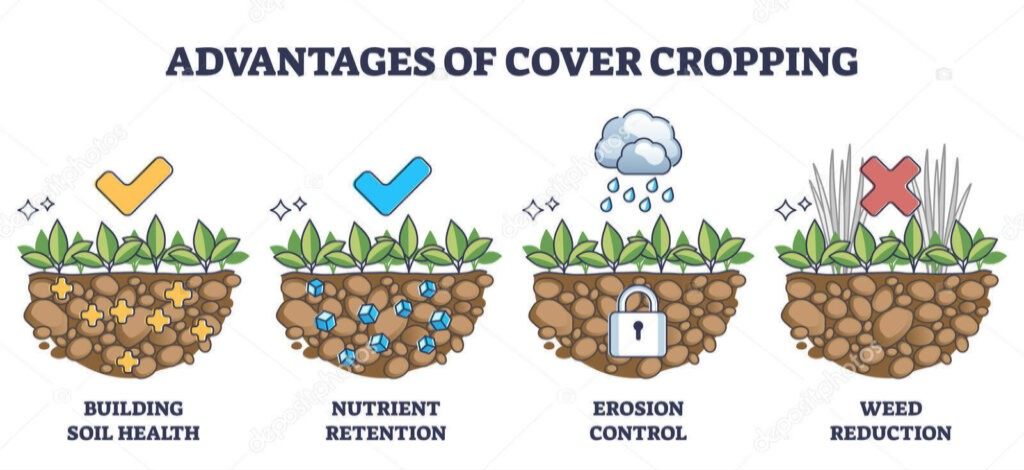
- Soil Structure Improvement Cover crops, especially grasses like rye and oats, contribute significantly to improving soil structure by increasing soil organic matter and promoting good aeration. The organic matter left over after cover crops die and break down improves the soil’s ability to hold onto moisture and nutrients. The extensive root systems of many cover crops also help reduce soil compaction, creating a more favorable environment for cannabis roots to penetrate deeply and absorb nutrients.
In medical cannabis cultivation, a well-structured soil is crucial for healthy root development, which in turn promotes vigorous plant growth and cannabinoid production. Deep-rooted cover crops like tillage radishes can break up compacted soil layers, improving water infiltration and air exchange, both essential for cannabis plants. - Nutrient Cycling and Nitrogen Fixation Many cover crops, especially legumes such as clover and peas, have the ability to fix atmospheric nitrogen through symbiotic relationships with nitrogen-fixing bacteria in their root nodules. This natural process adds nitrogen to the soil, reducing the need for synthetic fertilizers. Nitrogen is a critical nutrient for cannabis, as it supports vegetative growth and the synthesis of vital plant compounds.
In addition to nitrogen fixation, cover crops play a role in cycling other nutrients. As cover crops grow, they absorb nutrients from the soil, storing them in their biomass. When the cover crop is terminated, whether through mowing or tilling, these nutrients are released back into the soil as the organic matter decomposes, making them available for the cannabis plants. This process helps maintain a balanced nutrient profile, reducing the risk of nutrient deficiencies that can negatively impact the medicinal quality of cannabis. - Weed Suppression Weed control is a critical issue in cannabis cultivation, as weeds can compete with cannabis for nutrients, water, and light. Cover crops provide a natural weed suppression method by creating a living mulch that shades out weeds and prevents them from establishing. Fast-growing cover crops like buckwheat and clover quickly cover the soil, outcompeting weeds and reducing the need for herbicides.
For medical cannabis growers, minimizing herbicide use is essential, as chemical residues can contaminate the final product, posing health risks to patients. Cover crops offer a chemical-free alternative for weed management, ensuring that the cannabis remains free of harmful contaminants while promoting a healthier growing environment. - Erosion Control In cannabis farming, soil erosion can be a major issue, particularly in outdoor or greenhouse operations where soil is subject to water and wind. Topsoil, which is rich in organic matter and nutrients essential for plant growth, is lost as a result of erosion. By creating a living ground cover that keeps the soil in place and stops it from being blown or washed away, cover crops help to avoid soil erosion.
By reducing soil erosion, cover crops help maintain soil fertility and structure, ensuring that the cannabis plants have access to the nutrients they need throughout the growing season. For medical cannabis cultivators, maintaining high-quality soil is critical to producing consistent, potent crops that meet medical standards. - Pest and Disease Management Cover crops can also contribute to pest and disease management by promoting a diverse and balanced ecosystem. Certain cover crops, such as mustard and radishes, produce compounds called glucosinolates that can suppress soil-borne pests and diseases, reducing the need for chemical pesticides. Additionally, cover crops can attract beneficial insects, such as predatory beetles and parasitic wasps, which help control pest populations that could otherwise harm cannabis plants.
A balanced ecosystem supported by cover crops reduces the likelihood of pest outbreaks and disease, which is particularly important for medical cannabis. Pests and diseases can not only damage cannabis plants but also impact the quality and safety of the final product. For example, the presence of mold or mildew on cannabis flowers can render the crop unusable for medical purposes. By reducing the reliance on synthetic pesticides and fungicides, cover crops help ensure that the cannabis remains safe for patients. - Water Retention and Drought Resistance Water management is a critical aspect of cannabis cultivation, particularly in regions with limited water availability or during periods of drought. Cover crops improve soil water retention by increasing organic matter and enhancing soil structure. Soils with higher organic matter content can hold more water, making it available to the cannabis plants during dry periods.
Deep-rooted cover crops, such as alfalfa, also help to bring water up from deeper soil layers, making it available to shallower-rooted crops like cannabis. In addition to improving water retention, cover crops can reduce evaporation from the soil surface, further conserving water and reducing irrigation needs.
For medical cannabis cultivators, water conservation is not only an environmental concern but also a cost-saving measure. Reducing water usage while maintaining optimal growing conditions ensures that the cannabis plants remain healthy and productive, ultimately leading to higher-quality medicinal products. - Biodiversity and Soil Microbial Health The diversity of plant species used as cover crops fosters a more diverse and resilient soil microbial community. Bacteria, fungus, and protozoa are examples of soil microorganisms that are essential to disease prevention, nutrient cycling, and general soil health. The breakdown of organic materials, nutrition release, and disease defense are all aided by a robust microbial community.
For medical cannabis, soil microbial health is particularly important because it can influence the plant’s ability to absorb nutrients and resist disease. Mycorrhizal fungi, for example, form symbiotic relationships with cannabis roots, extending their ability to access water and nutrients. By promoting a diverse and active soil microbial community, cover crops enhance the health and productivity of cannabis plants, leading to higher yields and improved cannabinoid profiles.
Selecting the Right Cover Crops for Medical Cannabis
The choice of cover crops depends on several factors, including the climate, soil type, and specific goals of the cannabis cultivator. Here are some examples of cover crops that are well-suited for medical cannabis cultivation:
- Legumes (e.g., clover, vetch, peas):
- Benefits: Nitrogen fixation, weed suppression, soil structure improvement.
- Best for: Improving nitrogen availability, especially in nutrient-poor soils.
- Grasses (e.g., rye, barley, oats):
- Benefits: Soil structure improvement, erosion control, weed suppression.
- Best for: Protecting soil during winter or in regions prone to erosion.
- Brassicas (e.g., mustard, radishes):
- Benefits: Pest and disease suppression, soil structure improvement.
- Best for: Managing soil-borne pests and breaking up compacted soil layers.
- Non-leguminous broadleaves (e.g., buckwheat):
- Benefits: Fast growth, weed suppression, attracting beneficial insects.
- Best for: Short-term cover cropping and weed suppression in between cannabis crop cycles.
Best Practices for Integrating Cover Crops in Cannabis Cultivation
Integrating cover crops into a medical cannabis cultivation system requires careful planning and management to ensure that the benefits are maximized. Here are some best practices:
- Timing: Cover crops should be planted during periods when the soil would otherwise be bare, such as in the offseason or between cannabis crop cycles. For outdoor cannabis cultivation, cover crops can be planted in the fall and terminated in the spring before the cannabis plants are transplanted.
- Termination: Terminating cover crops can be done with a roller-crimper, tilling, or mowing. The method of termination depends on the specific cover crop and the cultivation system. For example, legumes and grasses can be mowed and left as mulch, while brassicas may need to be tilled under to release their pest-suppressing compounds.
- Mulching: After termination, the cover crop residue can be left on the soil surface as mulch. As it breaks down, this mulch releases nutrients gradually, inhibits weed growth, and helps preserve moisture.
- Intercropping: In some cases, cover crops can be intercropped with cannabis, meaning they are grown simultaneously. For example, low-growing cover crops like clover can be planted between cannabis rows to provide continuous soil cover without competing with the cannabis for light.
Restrictions on Growing and Using Cannabis in the Medical Field as a Last Resort
- Medical Use Only: Cannabis cultivation and usage are strictly regulated in the medical field. Only certain medical illnesses, such as multiple sclerosis, persistent pain, epilepsy, and nausea from chemotherapy, for whom no other medications work, may be given for it.
- Last Resort Approach: Cannabis is typically considered a last resort treatment, only prescribed after other medications and therapies have proven ineffective. Doctors must evaluate all alternative treatments before recommending medical cannabis.
- THC Monitoring: Strict monitoring of THC (tetrahydrocannabinol) levels in medical cannabis products is required to prevent psychoactive effects. THC levels must be kept below certain thresholds to ensure that patients receive therapeutic benefits without experiencing intoxication. Some regions allow only low-THC or high-CBD (cannabidiol) formulations for medical use.
- Regulatory Compliance: Medical cannabis growers must comply with stringent regulations on cultivation practices, including ensuring the absence of contaminants like pesticides and heavy metals, as well as adhering to specific limits on cannabinoid content.
- Prescription and Supervision: Medical cannabis must be prescribed by a licensed healthcare provider, and its use is often closely monitored to avoid misuse or overuse. Periodic reassessments of the patient’s condition are typically required to ensure that cannabis remains a necessary and effective treatment.
Conclusion
Medical cannabis cultivation and use are becoming increasingly important in the treatment of a wide range of medical conditions, particularly where traditional therapies have proven insufficient. The need for high-quality, consistent, and safe medical cannabis underscores the importance of sustainable cultivation practices that enhance both the quantity and therapeutic efficacy of the crop. One of the most promising techniques for achieving this is the integration of cover crops, which play a vital role in improving soil health, promoting biodiversity, and reducing the reliance on chemical inputs.
Cover crops enhance soil structure, nutrient availability, water retention, and pest control—key factors in the cultivation of medical cannabis. By improving the physical and biological qualities of the soil, cover crops ensure that cannabis plants receive optimal nutrition and grow in a healthy environment, thus improving their yield and quality. Medical cannabis, which must meet stringent standards for cannabinoid content and safety, benefits immensely from the soil health improvements provided by cover crops. These crops not only supply essential nutrients like nitrogen but also foster a beneficial microbial community that supports nutrient cycling and disease resistance, all of which contribute to higher-quality cannabis with more potent medicinal compounds.
Additionally, the integration of cover crops helps cannabis growers manage critical issues like weed control, soil erosion, and water conservation. By using cover crops to suppress weeds, growers reduce the need for herbicides, which can negatively impact the medicinal purity of cannabis. Cover crops also prevent soil erosion, ensuring that the topsoil, rich in organic matter, remains intact to support robust cannabis growth. The enhanced water retention provided by organic matter from cover crops is crucial in regions facing water scarcity or for growers looking to reduce irrigation costs while maintaining the health and vigor of their plants.
However, the cultivation and use of medical cannabis are subject to strict regulations designed to ensure its safe and responsible application. Generally speaking, medical cannabis is only recommended as a last resort when all other forms of therapy have failed. This restriction reflects the need for caution in using cannabis in the medical field due to its psychoactive potential and varying effects on patients. To mitigate the psychoactive risks, careful monitoring of THC (tetrahydrocannabinol) levels is essential. THC, the compound responsible for cannabis’s psychoactive effects, must be controlled within specific limits to ensure that patients receive only therapeutic benefits without experiencing unwanted intoxication.
Compliance with regulatory standards is critical for medical cannabis growers. These regulations not only govern the cannabinoid content of the plants but also ensure that cultivation practices avoid harmful contaminants like pesticides and heavy metals. For medical cannabis to be effective and safe, growers must adhere to best practices in organic and sustainable farming, including the use of cover crops, which naturally improve soil health and reduce the need for synthetic inputs.
Medical cannabis cultivation thus stands at the intersection of plant biology, soil science, and patient care. The integration of cover crops offers a sustainable, eco-friendly solution that enhances the quality and safety of medical cannabis while aligning with the industry’s emphasis on organic practices. Furthermore, the use of cover crops reduces the environmental footprint of cannabis cultivation by promoting water conservation, enhancing soil fertility, and supporting biodiversity.
In conclusion, cover crops play a transformative role in medical cannabis cultivation by improving soil health and supporting sustainable practices that ultimately lead to higher-quality medicinal products. These organic farming techniques align well with the strict regulatory framework governing medical cannabis, which emphasizes patient safety, efficacy, and environmental stewardship. By using cannabis as a last resort treatment and closely monitoring THC levels, the medical community can ensure that cannabis serves its role in providing therapeutic relief while minimizing risks to patients. Through these efforts, the medical cannabis industry can meet the growing demand for safe, effective treatments while promoting environmental sustainability.
