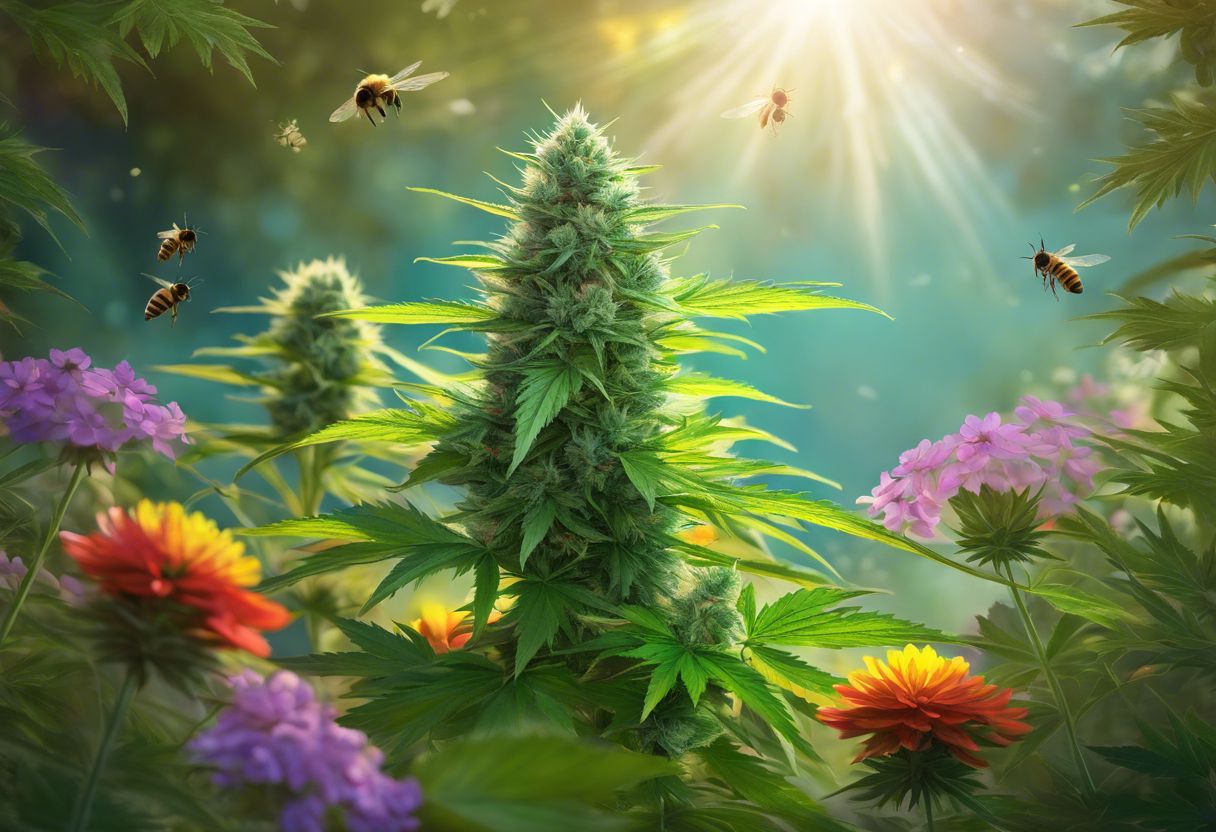
Using Beneficial Insects in Medical Cannabis Cultivation for Pest Control
Introduction
In the world of medical cannabis cultivation, sustainability and ecological balance are essential. The use of chemical pesticides poses significant risks, not only to the cannabis plants but also to the patients consuming the products. Given that medical cannabis is often used by patients with compromised immune systems, the purity and safety of the plant are paramount. This is why organic cultivation methods, particularly integrated pest management (IPM) using beneficial insects, are gaining traction. These insects help maintain a balanced ecosystem within the cultivation environment, offering a natural, effective way to control harmful pests.
This article will explore how beneficial insects can be utilized for pest control in medical cannabis cultivation. We’ll discuss specific insect species, their roles, benefits, and best practices for integrating them into your medical cannabis growing system. The focus will remain strictly on medical cannabis cultivation and its application in a controlled environment, excluding recreational use and consumption methods.
The Importance of Organic Pest Control in Medical Cannabis

When growing medical cannabis, maintaining a clean and natural environment is crucial to ensuring that the final product is free from harmful chemicals. Many patients using cannabis for therapeutic purposes rely on its purity, as chemical residues from synthetic pesticides can have harmful effects on health, particularly for those with weakened immune systems.
Organic pest control not only minimizes the need for chemical interventions but also promotes healthier, more robust plants. Beneficial insects can be a key part of a sustainable cultivation ecosystem, reducing or even eliminating the need for synthetic pesticides. They help maintain balance by targeting specific pests that threaten cannabis crops, such as aphids, spider mites, and whiteflies.
Beneficial Insects for Medical Cannabis Cultivation
Let’s explore some of the most effective beneficial insects used in medical cannabis cultivation, emphasizing their roles in pest management and ecosystem balance.
- Ladybugs (Hippodamia convergens)
Being ferocious eaters of mealybugs, aphids, and other soft-bodied insects, ladybugs are among the most well-known helpful insects. In medical cannabis cultivation, ladybugs can be a frontline defense against pests that often infest indoor or outdoor grows. These insects are particularly useful in early stages of pest infestations due to their high reproductive rate and appetite for aphids.
How to Use:
Ladybugs should be introduced in the early evening when temperatures are cooler. Ensure that they have access to a food source like aphids, and release them in small batches across the grow area. For best results, maintain moderate humidity levels (around 60%) and ensure they have moisture through gentle misting of the plants.
Benefits:
Aphid populations can be effectively managed by ladybugs. They are gentle on cannabis plants and pose no threat to the grow environment. Additionally, they are easy to obtain and integrate into most cultivation setups. - Predatory Mites (Phytoseiulus persimilis and Amblyseius cucumeris)
Spider mites are one of the most common pests in cannabis cultivation, especially in indoor grow rooms where the climate is controlled. Predatory mites such as Phytoseiulus persimilis are highly effective in combating spider mite infestations, while Amblyseius cucumeris targets thrips and fungus gnats. These beneficial mites are small but incredibly effective in pest control.
How to Use:
Predatory mites can be introduced directly onto plants or into the growing medium. Make sure to monitor environmental conditions, as predatory mites thrive in moderate humidity and temperatures between 60°F and 80°F. Regularly check for the presence of harmful mites to determine the ongoing need for predatory mite introductions.
Benefits:
Predatory mites work quickly, making them ideal for fast-growing medical cannabis crops. They also help to maintain long-term pest control, as their reproductive cycles can align with the pest populations, ensuring continued suppression. - Green Lacewings (Chrysoperla rufilabris)
Green lacewing larvae are commonly referred to as “aphid lions” due to their aggressive predation on aphids, whiteflies, thrips, and other soft-bodied pests. They are effective in both indoor and outdoor medical cannabis growing environments and can cover a large area due to their mobility.
How to Use:
Green lacewings are best introduced as eggs or larvae directly onto the infested plants. Since they are mobile, they will seek out pest populations throughout the grow space. Maintain a moderate climate, as extreme temperatures can affect their efficacy.
Benefits:
Green lacewings are highly adaptable and can control a wide range of pests. Their mobility and ability to cover large areas make them a versatile choice for pest control, particularly in outdoor settings or large-scale medical cannabis operations. - Parasitic Wasps (Encarsia formosa and Aphidius colemani)
Parasitic wasps target specific pests, laying their eggs inside the bodies of aphids or whiteflies. Once the eggs hatch, the larvae consume the host from the inside out, effectively controlling pest populations. While they may sound extreme, parasitic wasps are safe for use in medical cannabis cultivation and pose no threat to humans.
How to Use:
Introduce parasitic wasps when aphid or whitefly infestations are detected. These wasps work best when released in enclosed spaces like greenhouses or indoor grow rooms. They require a stable environment, with moderate temperatures and consistent pest populations to thrive.
Benefits:
Parasitic wasps are particularly effective in preventing large-scale outbreaks of pests. They work silently and efficiently, and their life cycle ensures a continued presence in the grow environment as long as pests are available. - Nematodes (Steinernema feltiae)
The microscopic roundworms known as beneficial nematodes hunt out soil-dwelling pests including fungus gnat larvae, root aphids, and other damaging insects that damage the root systems of cannabis plants. Through naturally occurring apertures, these nematodes penetrate the bodies of pests and release germs that rapidly kill the host.
How to Use:
Mix nematodes with water and apply them to the soil around cannabis plants. They work best in moist environments, so ensure the growing medium remains consistently damp. Reapply every few weeks for ongoing pest control.
Benefits:
Nematodes provide a natural, chemical-free solution to controlling soil-borne pests. They are ideal for indoor medical cannabis grows where maintaining healthy root systems is critical to plant health and productivity.
The Integration of Beneficial Insects in Medical Cannabis Cultivation
Integrating beneficial insects into a medical cannabis cultivation setup requires careful planning and monitoring. The following steps outline best practices to ensure success.
- Monitor and Identify Pests Early
Early detection of pests is crucial. By regularly inspecting cannabis plants, growers can identify pest infestations before they become overwhelming. Beneficial insects are most effective when pest populations are relatively small, allowing the insects to control the outbreak quickly. - Create a Balanced Environment
The environment in which cannabis is grown directly impacts the effectiveness of beneficial insects. Humidity, temperature, and plant health all play a role in the success of biological control agents. Ensure that the grow room or greenhouse is maintained at optimal conditions for both the cannabis plants and the beneficial insects. This often means maintaining moderate humidity levels (40-60%), temperatures between 60°F and 80°F, and proper ventilation. - Introduce Insects Gradually
It’s essential to introduce beneficial insects gradually, allowing them to acclimate to the grow environment. Overloading the grow space with too many beneficial insects can lead to competition for food and an imbalance in the ecosystem. Introduce small batches at regular intervals to allow the insects to establish themselves naturally. - Provide Sustenance for Beneficial Insects
Some beneficial insects, such as ladybugs, require a steady food source to thrive. In cases where pest populations are too low to sustain the introduced insects, consider using supplemental food sources like pollen or nectar to keep beneficial insect populations healthy and active. - Rotate Species Based on Pest Presence
Certain pests may be more prevalent during specific growth stages or seasons. Rotating beneficial insect species based on the pest threats can ensure continuous protection. For example, predatory mites may be introduced early in the vegetative stage to control spider mites, while parasitic wasps may be more effective later in the flowering stage when whiteflies are more common. - Avoid Chemical Pesticides
The use of chemical pesticides can kill beneficial insects, negating the advantages of biological pest control. In medical cannabis cultivation, it’s essential to avoid using synthetic chemicals that can harm both the plants and the introduced beneficial insects. If pest populations become unmanageable, opt for organic or natural pesticide alternatives that are safe for beneficial insects. - Use Pest-Specific Insects
Beneficial insects often target specific pests, so it’s essential to choose the right insect for the job. For example, while ladybugs are effective against aphids, they may not be as effective against thrips or spider mites. Using pest-specific insects ensures that the introduced species will efficiently control the target pest population.
The Advantages of Using Beneficial Insects

There are several advantages to using beneficial insects for pest control in medical cannabis cultivation, including:
- Reduced Chemical Usage: Beneficial insects offer a natural alternative to chemical pesticides, ensuring the safety of the cannabis plants and the end product for medical patients. This is crucial for patients who require cannabis free from chemical residues.
- Sustainability: The use of beneficial insects promotes a more sustainable cultivation environment. By maintaining a natural balance, growers can reduce their impact on the environment while producing healthier plants.
- Improved Plant Health: Plants that are free from pests tend to be more robust and yield higher-quality products. Beneficial insects help maintain plant health by targeting pests that could otherwise damage leaves, stems, and roots, leading to reduced crop yields.
- Long-Term Pest Control: Beneficial insects can establish themselves within the grow environment, providing long-term pest control. Once a population of beneficial insects is introduced, they can continue to reproduce and protect the crop throughout its growth cycle.
- Cost-Effectiveness: While there may be an upfront cost to purchasing beneficial insects, they can reduce the need for repeated pesticide applications, leading to cost savings in the long run. Additionally, healthier plants often translate to higher yields and better-quality products.
Challenges and Considerations
While beneficial insects offer numerous benefits, there are challenges and considerations to be aware of:
- Environmental Requirements: Beneficial insects have specific environmental requirements. If the temperature, humidity, or other environmental factors are not ideal, the insects may not thrive, reducing their effectiveness.
- Timing: Introducing beneficial insects too late in a pest outbreak may not yield the desired results. Early intervention is key to ensuring that the beneficial insects can control the pest population before it becomes overwhelming.
- Limited Control of Certain Pests: While beneficial insects are effective against many common pests, they may not be able to control all types of pests. In some cases, additional pest control methods may be necessary.
- Ongoing Monitoring: Using beneficial insects requires ongoing monitoring of the grow environment. Growers must regularly check for pest populations and the health of the beneficial insects to ensure that the system remains balanced.
Restrictions on Growing and Using Cannabis in the Medical Field as a Last Resort
In many nations, there are stringent laws and restrictions governing the use of cannabis in medicine. These restrictions ensure that cannabis is utilized safely, effectively, and ethically for therapeutic purposes, particularly when it is considered a last-resort treatment. Medical cannabis is typically prescribed only after conventional therapies have proven ineffective, making it an option reserved for patients with specific needs. This practice helps balance the potential benefits of cannabis with the concerns about its psychoactive effects, which are primarily associated with the compound tetrahydrocannabinol (THC).
Legal and Regulatory Restrictions on Medical Cannabis
- Prescribing Guidelines:
Many countries and regions have developed specific guidelines that medical professionals must follow when prescribing cannabis. For example, in the United States, the FDA has only approved a few cannabis-derived and synthetic cannabis-related products for medical use, such as Epidiolex for epilepsy and Marinol for chemotherapy-related nausea. In Europe and Canada, medical cannabis is more broadly accessible but still strictly controlled. Doctors must assess whether cannabis is appropriate for a patient and must document that other therapies have been ineffective before recommending cannabis treatment. - Limitations on Growing Cannabis:
Medical marijuana cultivation is strictly restricted. Only licensed producers are typically allowed to cultivate cannabis in most countries, guaranteeing that production is strictly supervised to satisfy medical-grade requirements. Cultivation practices are often required to meet specific criteria for purity, safety, and consistency. In regions like Canada and parts of the U.S., patients with a valid prescription can grow a limited number of plants for personal medical use, but they must follow strict guidelines, such as plant count limits and security measures to prevent misuse. - Cannabis as a Last Resort:
Medical cannabis is often categorized as a treatment of last resort, meaning it is considered when other conventional treatments have failed. This is especially true for diseases like multiple sclerosis, epilepsy, persistent pain, and symptoms associated with cancer. Healthcare providers are required to explore all other available treatments before recommending cannabis, ensuring it is used responsibly and only when medically necessary. In many cases, the patient must demonstrate a documented history of failed treatments to qualify for medical cannabis use.
Monitoring THC Levels in Medications to Prevent Psychoactive Effects
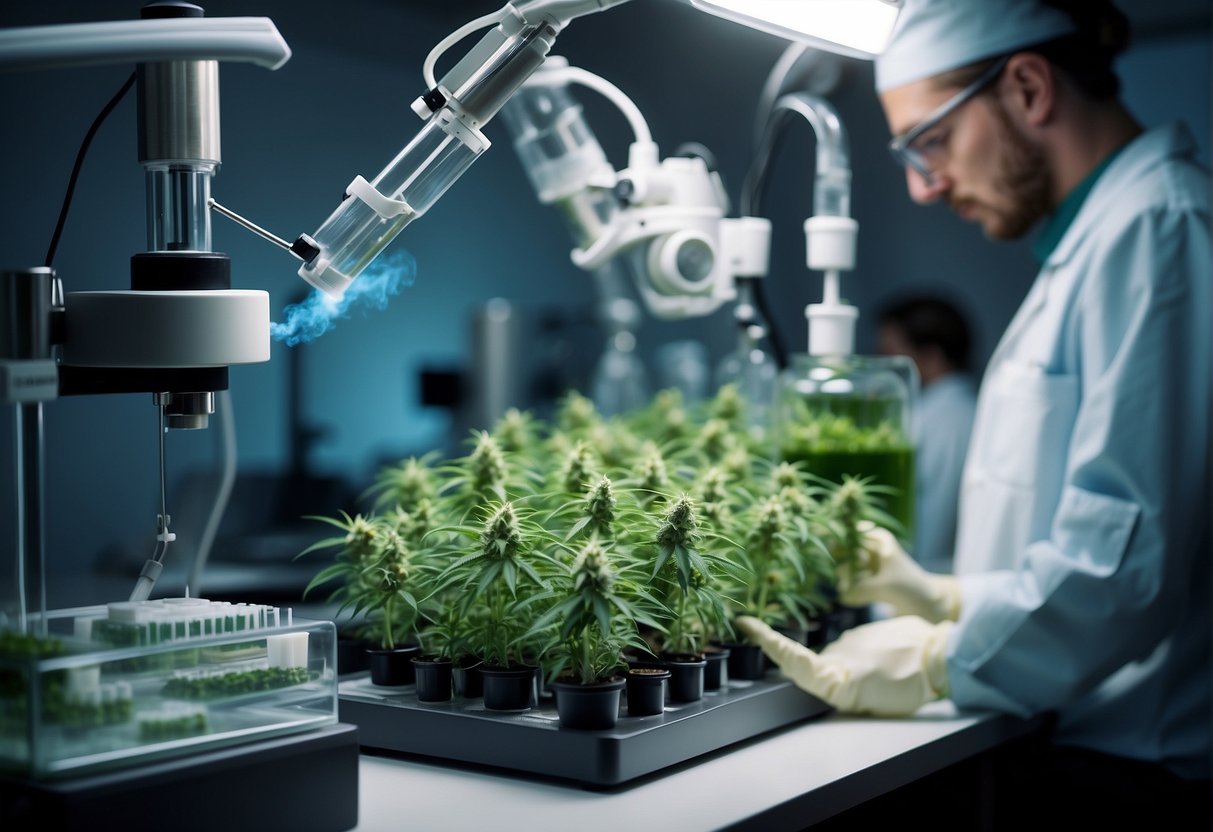
THC, the primary psychoactive compound in cannabis, can have mind-altering effects that may not be suitable for all patients, particularly those with medical conditions requiring long-term or high-dose treatments. To prevent unwanted psychoactive effects, the following precautions are enforced:
- THC and CBD Ratios:
Medical cannabis products are typically formulated with precise ratios of THC and cannabidiol (CBD), the non-psychoactive compound that has therapeutic benefits without the high. High-CBD, low-THC formulations are preferred for many medical conditions to minimize psychoactive side effects while providing relief from symptoms like pain, inflammation, and seizures. - THC Monitoring and Testing:
Cannabis-based medications undergo rigorous testing to monitor THC levels and ensure they are within the prescribed limits. Regulatory bodies often mandate that medical cannabis products adhere to specific potency standards, ensuring consistency and safety across batches. Additionally, healthcare providers monitor patients closely to adjust dosages if any psychoactive effects are detected. - Patient Education and Monitoring:
Patients are educated on the potential effects of THC and are monitored throughout their treatment to ensure that any psychoactive effects are minimal and manageable. In cases where patients experience unwanted effects, doctors can adjust the formulation or dose to reduce THC exposure.
Conclusion
The integration of beneficial insects into medical cannabis cultivation is an essential aspect of maintaining a healthy and sustainable growing environment. By using natural predators to manage pest populations, growers can reduce the reliance on harmful chemical pesticides, ensuring that the final product remains safe for patients. This method of pest control not only promotes a balanced ecosystem but also enhances the quality of cannabis crops, which is crucial for medical use where product purity is paramount. The benefits of using beneficial insects, such as reduced chemical exposure, improved plant health, and long-term sustainability, make it an ideal solution for medical cannabis cultivation.
However, the cultivation and use of medical cannabis come with significant legal and regulatory restrictions. Cannabis is strictly regulated when grown for medical purposes; growers must obtain licenses, and production methods must adhere to tight guidelines. In order to ensure its proper usage in the medical field, medical cannabis is frequently prescribed as a last resort, only after traditional medicines have failed. Furthermore, monitoring THC levels in cannabis-based medications is critical to prevent psychoactive effects in patients, particularly those with conditions requiring long-term use.
By combining environmentally friendly pest control methods with a stringent regulatory framework, medical cannabis cultivation can thrive while ensuring patient safety and product integrity. Beneficial insects and legal restrictions work hand-in-hand to foster a responsible, sustainable approach to growing and using medical cannabis, safeguarding both the environment and patient health.
