Unlocking the Therapeutic Potential of Medical Cannabis Seeds
Introduction
The therapeutic potential of medical cannabis seeds is increasingly recognized by the medical community and patients alike. Research and clinical data supporting the use of cannabis for a variety of medical illnesses are mounting, and this trend is contributing to the decline of the stigma associated with the drug. Medical cannabis seeds are a natural and practical option for individuals looking to improve their quality of life and manage their symptoms. These seeds are particularly designed for therapeutic usage. This comprehensive guide delves into the history, pharmacology, therapeutic applications, cultivation, and mindful use of medical cannabis, excluding any recreational considerations.
Historical Background

For thousands of years, people have utilized cannabis for medical purposes. Greek, Egyptian, and Chinese ancient cultures all recorded using it to treat a variety of illnesses. Cannabis was used to treat digestive problems, pain, and inflammation in traditional Chinese medicine. The ancient Egyptians utilized it for glaucoma and inflammation, while the Greeks employed it for earaches and wounds.
The modern medical cannabis movement began in the late 20th century, with the discovery of the endocannabinoid system (ECS) in the human body. An essential component of preserving homeostasis is the intricate cell-signaling mechanism known as the ECS. This discovery provided a scientific basis for the therapeutic effects of cannabis, leading to increased interest and research in its medical applications.
Pharmacology of Medical Cannabis
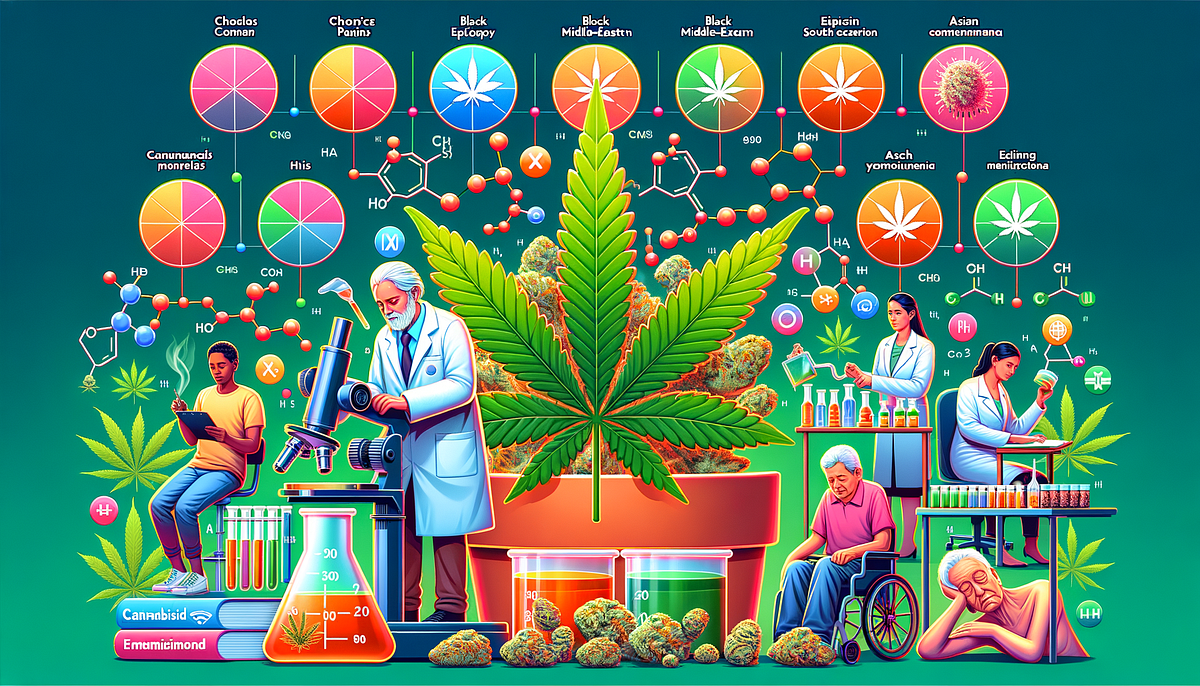
There are more than 100 cannabinoids in medical cannabis, the most well-known and researched of which being tetrahydrocannabinol (THC) and cannabidiol (CBD). The ECS, which is made up of endogenous cannabinoids (endocannabinoids), cannabinoid receptors (CB1 and CB2), and the enzymes that synthesise and degrade them, is impacted by these cannabinoids.
- THC (Tetrahydrocannabinol): The main psychoactive ingredient in cannabis is THC. It attaches to the brain’s CB1 receptors, causing the “high” that comes with cannabis consumption. However, THC also has significant therapeutic benefits, including pain relief, anti-nausea effects, and appetite stimulation.
- CBD (Cannabidiol): The numerous medical advantages of CBD have made it popular despite its non-psychoactive nature. It interacts with both CB1 and CB2 receptors, though not as directly as THC. The anti-inflammatory, analgesic, anxiety-reducing, and seizure-preventing qualities of CBD are well established.
Tetrahydrocannabivarin (THCV), cannabigerol (CBG), and cannabinol (CBN) are other well-known cannabinoids with distinct medicinal advantages. The “entourage effect” refers to the synergistic interaction of these cannabinoids, along with terpenes and flavonoids, enhancing the overall therapeutic potential of medical cannabis.
Therapeutic Applications of Medical Cannabis
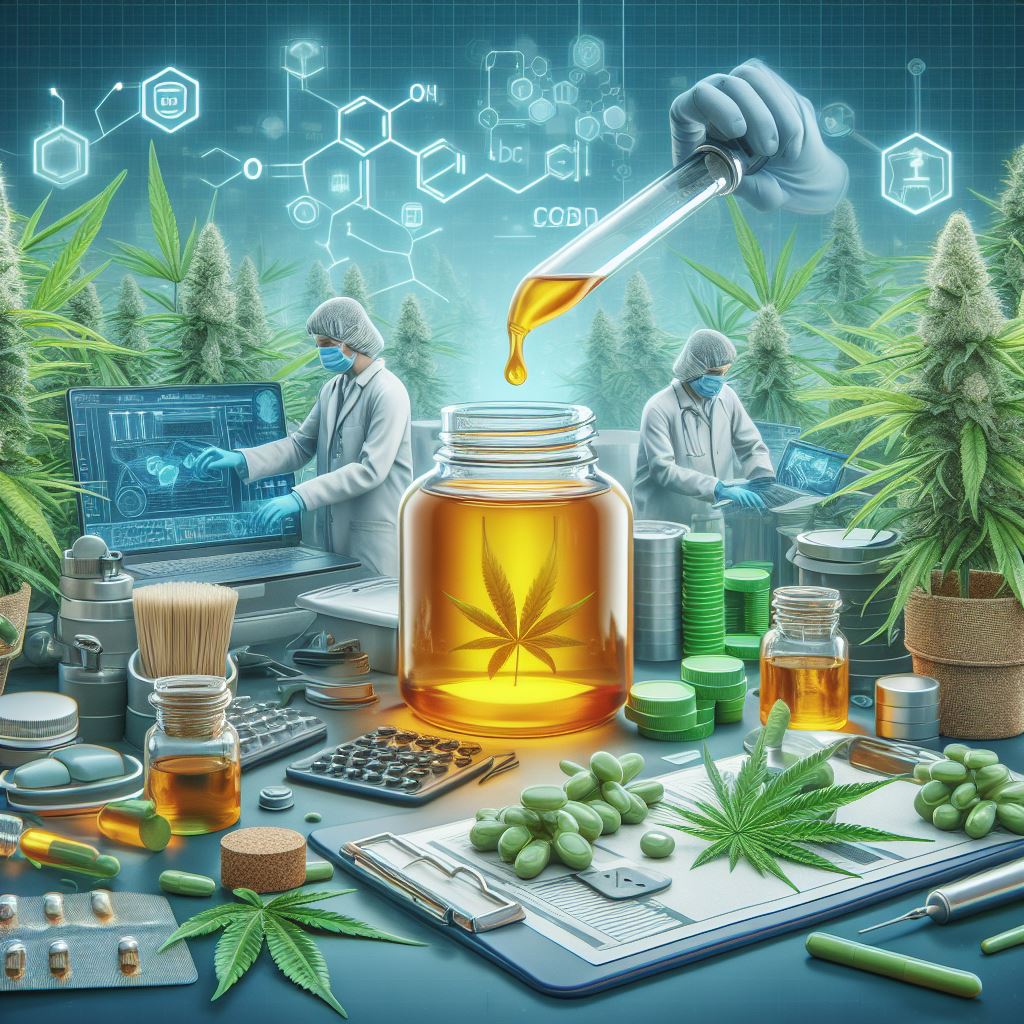
Medical cannabis is used to manage a variety of medical conditions, often providing relief where conventional treatments have failed. Here, we explore some of the most common and well-researched therapeutic applications:
1. Chronic Pain
One of the main reasons people look to medical cannabis is chronic pain. Back pain, fibromyalgia, neuropathy, and arthritis are a few severe conditions. Numerous patients’ quality of life has been demonstrated to improve and pain has been reduced by cannabis, especially strains strong in THC and CBD. THC acts on CB1 receptors to alter pain perception, while CBD’s anti-inflammatory properties help address the underlying causes of pain.
2. Epilepsy and Seizure Disorders
CBD has garnered significant attention for its effectiveness in treating epilepsy and seizure disorders, especially in treatment-resistant forms such as Dravet syndrome and Lennox-Gastaut syndrome. The FDA has approved the CBD-based drug Epidiolex for these illnesses, providing patients who don’t react to conventional anticonvulsants with a much-needed alternative.
3. Multiple Sclerosis (MS)
Weariness, discomfort, and muscular rigidity are some of the symptoms of multiple sclerosis, a chronic autoimmune illness that affects the central nervous system. Patients with MS have reported increased mobility and general quality of life as a result of medical cannabis, especially strains high in CBD, which has been demonstrated to lessen pain and ease muscular spasticity.
4. Cancer-Related Symptoms
Cancer and its treatments often cause a range of debilitating symptoms, including pain, nausea, vomiting, and appetite loss. Medical cannabis can help manage these symptoms, allowing patients to better tolerate their treatments and maintain a higher quality of life. THC is particularly effective in stimulating appetite and reducing nausea, while both THC and CBD can provide pain relief.
5. Anxiety and Depression
Anxiety and depression are common mental health issues that can have a big influence on day-to-day living. CBD, with its anxiolytic and antidepressant properties, offers a promising alternative to conventional medications, which often come with undesirable side effects. Low doses of THC may also help alleviate anxiety, though high doses can sometimes exacerbate symptoms.
6. Post-Traumatic Stress Disorder (PTSD)
PTSD is a complex condition that can result from traumatic experiences. Fear, anxiety, hypervigilance, and flashbacks are some of the symptoms. Medical cannabis, particularly strains high in CBD, can help manage these symptoms by reducing anxiety, improving sleep, and modulating the stress response.
7. Neurodegenerative Disorders
Progressive nerve cell degeneration is a feature of conditions including Alzheimer’s, Parkinson’s, and Huntington’s diseases. Medical cannabis, particularly CBD, has shown neuroprotective properties, potentially slowing disease progression and alleviating symptoms such as tremors, rigidity, and cognitive decline.
Cultivation of Medical Cannabis
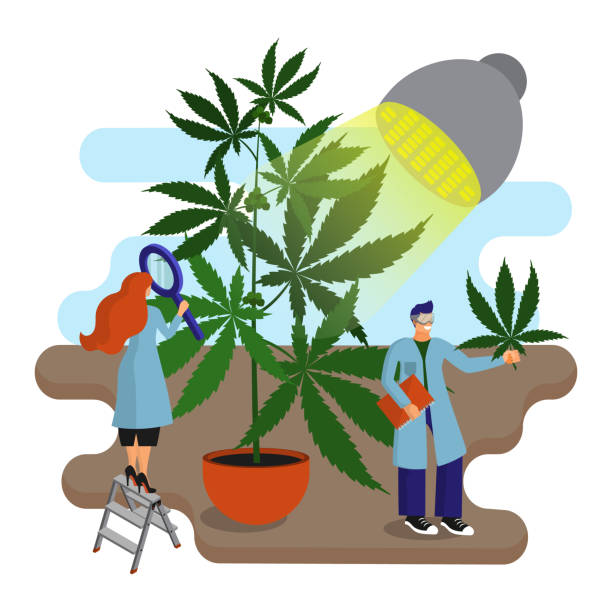
The cultivation of medical cannabis is a meticulous process that requires knowledge, precision, and adherence to legal and regulatory standards. This section covers the essential aspects of cultivating medical cannabis from seed selection to harvesting, focusing on producing high-quality, therapeutic-grade products.
1. Strain Selection
Selecting the right strain is crucial for achieving desired therapeutic effects. Medical cannabis strains vary in their cannabinoid and terpene profiles, which influence their medicinal properties. When choosing a strain, keep the following things in mind:
- Cannabinoid Content: Strains high in CBD are often preferred for their non-psychoactive therapeutic benefits, while strains with a balanced THC
ratio may be chosen for conditions requiring both cannabinoids. - Terpene Profile: Terpenes enhance the entourage effect, which increases the potential medical benefits of cannabis. Different terpenes have unique properties, such as anti-inflammatory or sedative effects.
- Medical Condition: The specific ailment being treated will influence strain selection. For example, high-CBD strains like Charlotte’s Web are preferred for epilepsy, while strains like Harlequin, with a balanced THC
ratio, are effective for pain and anxiety.
2. Cultivation Techniques
Cultivating medical cannabis involves several stages: germination, vegetative growth, flowering, and harvesting. To guarantee the best possible plant health and cannabinoid production, each stage needs its own set of circumstances and attention.
- Germination: Seeds are placed in a warm, moist environment to sprout. This stage typically lasts 3-10 days. Common methods include using moist paper towels, planting directly in soil, or using starter cubes.
- Vegetative Growth: Once sprouted, plants are placed under intense light to encourage leaf growth. Several weeks to months may pass during this phase, depending on the final size of the plant. Important elements at this point include:
- Light: 18-24 hours of light per day to promote growth.
- Nutrients: A balanced nutrient mix rich in nitrogen to support foliage development.
- Watering: Consistent moisture without waterlogging to prevent root rot.
- Flowering: Triggered by a change in light cycles (typically 12 hours of light and 12 hours of darkness), this stage lasts 8-12 weeks. The plants produce buds rich in cannabinoids and terpenes. Important considerations include:
- Light: 12 hours of uninterrupted darkness to induce flowering.
- Nutrients: Increased phosphorus and potassium to support bud development.
- Temperature and Humidity: Controlled environment to prevent mold and pest issues.
- Harvesting: Buds are harvested when the trichomes (resin glands) reach peak cannabinoid production. This is followed by drying and curing to enhance flavor and potency. Steps include:
- Harvest Timing: Monitoring trichomes for optimal ripeness, typically when they turn milky white or amber.
- Drying: Hanging buds in a controlled environment (60-70°F and 50-60% humidity) for 7-14 days.
- Curing: Storing dried buds in airtight containers to allow chlorophyll breakdown and enhance flavor over several weeks.
3. Indoor vs. Outdoor Cultivation
- Indoor Cultivation:
- Advantages: Greater control over environmental conditions (light, temperature, humidity), year-round cultivation, and reduced risk of pests and diseases.
- Disadvantages: Higher setup and operational costs due to equipment and energy consumption.
- Outdoor Cultivation:
- Advantages: Natural light and larger growing spaces, lower operational costs, and sustainable practices.
- Disadvantages: Exposure to environmental variables (weather, pests, and diseases), limited growing season depending on location.
4. Organic and Sustainable Practices
Organic cultivation methods ensure that medical cannabis is free from harmful pesticides and chemicals, promoting patient safety and environmental sustainability. Practices include:
- Natural Fertilizers: Using compost, manure, and organic nutrient solutions to enrich soil without synthetic chemicals.
- Pest Control: Employing biological controls (beneficial insects), natural repellents (neem oil), and integrated pest management (IPM) strategies.
- Sustainable Practices: Implementing water conservation techniques (drip irrigation), using renewable energy sources, and recycling organic waste through composting.
5. Quality Control and Compliance
Ensuring the quality and safety of medical cannabis requires adherence to stringent regulatory standards and thorough quality control measures. This includes:
- Testing for Cannabinoid Content: Verifying the potency of THC, CBD, and other cannabinoids to ensure accurate labeling and dosing.
- Contaminant Testing: Screening for pesticides, heavy metals, mold, and other contaminants to ensure patient safety.
- Compliance with Regulations: following the regulations set forth by state and federal governments for the production, handling, and sale of medicinal cannabis. This includes obtaining necessary licenses, maintaining detailed records, and undergoing regular inspections.
Mindful Use of Medical Cannabis
Mindful use of medical cannabis involves understanding the appropriate dosages, delivery methods, and potential side effects to maximize therapeutic benefits while minimizing risks. This section provides guidelines for patients and healthcare providers to ensure safe and effective use of medical cannabis.
1. Dosage
To get therapeutic outcomes without experiencing negative side effects, figuring out the appropriate dosage is essential. The patient’s condition, tolerance, and the strain’s cannabinoid profile all influence dosage. Generally speaking, it is advised to begin with a modest dosage and raise it gradually until the intended benefits are obtained. Taken in little doses throughout the day, microdosing has been shown to be beneficial for ailments like anxiety and chronic pain.
2. Potential Side Effects
Despite being generally well tolerated, medical cannabis can have negative effects, especially when taken in larger dosages. Changes in appetite, exhaustion, dry mouth, and lightheadedness are typical adverse effects. THC can cause psychoactive effects such as euphoria, paranoia, and impaired cognitive function, which may be undesirable for some patients. CBD is well-tolerated with few side effects, though it can interact with certain medications.
Restrictions on Using Cannabis in the Medical Field as a Last Resort
1. Medical Guidelines and Standards
The use of medical cannabis is often governed by stringent guidelines to ensure it is used responsibly and effectively. Many medical institutions and regulatory bodies recommend using cannabis as a last resort, only after conventional treatments have proven ineffective. These guidelines are designed to minimize the risk of potential abuse and ensure that patients receive the most appropriate and effective care for their conditions.
2. Clinical Indications
Medical cannabis is typically reserved for conditions where other treatments have failed or are contraindicated. This includes chronic pain, treatment-resistant epilepsy, multiple sclerosis, and certain mental health disorders. By limiting cannabis use to these specific scenarios, healthcare providers can ensure that patients receive cannabis only when absolutely necessary.
3. Patient Evaluation and Monitoring
Before prescribing medical cannabis, healthcare providers conduct thorough evaluations to determine the appropriateness of cannabis for the patient’s condition. This includes reviewing medical history, current medications, and previous treatment responses. Ongoing monitoring is crucial to assess the effectiveness of cannabis therapy and to adjust dosages as needed.
4. Informed Consent
Patients must provide informed consent before starting medical cannabis treatment. This involves educating patients about the potential benefits and risks of cannabis use, alternative treatment options, and the importance of adhering to prescribed dosages. Informed consent ensures that patients make well-informed decisions about their healthcare.
5. Regulatory Compliance
Medical cannabis use is subject to various legal and regulatory restrictions, which vary by region. Healthcare providers must comply with these regulations, including obtaining necessary certifications, maintaining detailed patient records, and adhering to prescribed dosages. Regulatory compliance helps prevent misuse and ensures that cannabis is used safely and effectively.
Monitoring THC Levels in Medications to Prevent Psychoactive Effects
1. Understanding THC and Its Effects
THC (tetrahydrocannabinol) is the primary psychoactive compound in cannabis, responsible for the “high” associated with its use. While THC has therapeutic benefits, its psychoactive effects can be undesirable, especially for medical patients who need to maintain daily functioning without impairment. To lessen these effects, THC levels in medicinal cannabis products must be closely monitored and managed.
2. Low-THC, High-CBD Strains
One strategy to minimize psychoactive effects is to use cannabis strains that are low in THC and high in CBD (cannabidiol). CBD can counteract some of the psychoactive effects of THC while providing therapeutic benefits such as anti-inflammatory, analgesic, and anti-anxiety effects. By selecting strains with a favorable THC
ratio, patients can achieve symptom relief without significant psychoactive effects.
3. Standardized Dosing
Standardized dosing of medical cannabis products ensures that patients receive consistent and precise amounts of THC and CBD. This is achieved through rigorous testing and quality control measures, which verify the cannabinoid content of each product batch. Standardized dosing helps healthcare providers prescribe the appropriate amount of THC to minimize psychoactive effects while maximizing therapeutic benefits.
4. Microdosing
Microdosing involves taking very small amounts of cannabis throughout the day, rather than consuming a larger dose at once. This approach can help patients achieve symptom relief without experiencing significant psychoactive effects. Microdosing allows for better control over THC intake and can be particularly beneficial for managing conditions like chronic pain and anxiety.
5. Non-psychoactive Delivery Methods
Certain delivery methods can reduce the risk of psychoactive effects. For example, topical applications such as creams and balms allow cannabinoids to be absorbed through the skin, providing localized relief without affecting the central nervous system. Similarly, sublingual tinctures and oils offer rapid absorption and onset of effects, allowing for precise control over THC intake.
6. Patient Education and Monitoring
It’s critical to inform patients about the significance of following recommended dosage guidelines and the effects of THC. The possible psychotropic effects should be explained to patients, along with management strategies. Regular monitoring by healthcare providers ensures that patients are using medical cannabis safely and effectively, and allows for adjustments to dosages as needed.
Conclusion
The therapeutic potential of medical cannabis seeds is vast and continually expanding, offering promising alternatives for patients suffering from a variety of medical conditions. From its historical use to modern scientific understanding, medical cannabis has shown efficacy in treating chronic pain, epilepsy, multiple sclerosis, cancer-related symptoms, anxiety, depression, PTSD, and neurodegenerative disorders, among others.
Understanding the pharmacology of cannabinoids such as THC and CBD, and their interactions with the endocannabinoid system, is crucial for maximizing the therapeutic benefits of medical cannabis. The selection of appropriate strains, informed by cannabinoid and terpene profiles, plays a vital role in tailoring treatments to specific medical conditions.
Cultivating medical cannabis requires careful attention to detail, from strain selection and germination to flowering and harvesting. Employing sustainable and organic practices not only ensures the production of safe and high-quality cannabis but also aligns with environmental and patient safety standards.
Legal and regulatory considerations are fundamental in navigating the complexities of medical cannabis use. Ensuring compliance with local and national regulations, maintaining rigorous quality control, and engaging healthcare providers in the treatment process are essential for the responsible use of medical cannabis. Additionally, using medical cannabis as a last resort, adhering to informed consent protocols, and monitoring THC levels to prevent psychoactive effects are critical measures for patient safety and therapeutic efficacy.
Future research and innovation will continue to uncover new applications and improve cultivation and processing methods, further integrating medical cannabis into modern medicine. As the stigma around cannabis diminishes and scientific evidence grows, medical cannabis seeds are poised to become an increasingly important tool in the therapeutic arsenal, enhancing the quality of life for patients worldwide.
In conclusion, unlocking the therapeutic potential of medical cannabis seeds requires a multidisciplinary approach, combining scientific research, medical expertise, regulatory compliance, and sustainable cultivation practices. By continuing to advance our understanding and application of medical cannabis, we can ensure that patients receive safe, effective, and compassionate care, harnessing the full spectrum of benefits that this remarkable plant has to offer.
