Table of Contents
Understanding Cannabis Seed Genetics – A Beginner’s Guide
Cannabis cultivation begins with a seed and understanding the genetic principles behind that seed is essential for any grower, especially beginners. Cannabis seed genetics determine everything from plant size and shape to potency, terpene profile, yield, and resistance to pests or diseases. This guide explores the basics of cannabis genetics, demystifies key terminology, and offers practical insights to help new growers make informed decisions.
1. What Are Cannabis Genetics?
Cannabis genetics refer to the hereditary traits passed from parent plants to their offspring. These traits are encoded in the DNA and define every characteristic of a cannabis plant its cannabinoid profile (THC, CBD), aroma, taste, flowering time, resistance to stressors, and even its visual appearance.

Genetics determine whether a strain is an indica, sativa, ruderalis, or hybrid. They also play a pivotal role in whether a plant produces high THC content (psychoactive) or high CBD (therapeutic and non-intoxicating).
2. The Three Main Cannabis Species
Although modern taxonomy is debated, cannabis is typically divided into three species or subspecies, each with distinct traits:
- Cannabis sativa: Tall, slender plants with long, narrow leaves. Known for uplifting, energetic effects and longer flowering times (10–16 weeks).
- Cannabis indica: Shorter, bushier plants with broader leaves. Produces sedative, body-heavy effects. Faster flowering (6–9 weeks).
- Cannabis ruderalis: A hardy species with lower THC content and the unique ability to flower automatically based on age, not light (autoflowering).
Most modern strains are hybrids genetically blended to produce desired effects and growth characteristics.
3. Types of Cannabis Seeds
When purchasing cannabis seeds, it’s essential to understand the categories based on genetics and breeding:

a. Regular Seeds
- Produced via natural pollination between male and female plants.
- 50% male, 50% female offspring.
- Ideal for breeders who want genetic diversity and potential new phenotypes.
- Growers must identify and remove males early unless breeding is intended.
b. Feminized Seeds
- Altered genetically so that only female plants are produced.
- Created by stressing a female plant to produce pollen (reversing its sex) and pollinating another female.
- Preferred by most growers aiming for flower production without male interference.
c. Autoflowering Seeds
- Contain ruderalis genetics, allowing them to flower based on age (2–4 weeks) rather than light cycles.
- Faster harvest (8–12 weeks total).
- Less potent traditionally, but modern genetics have improved strength and yield.
- Great for beginners due to simplicity and short lifecycle.
d. Photoperiod Seeds
- Require light schedule changes to initiate flowering (e.g., 12/12 light/dark cycle).
- Offer greater control over plant size and yield.
- Standard for experienced growers aiming for larger harvests.
4. Genotype vs Phenotype
A crucial aspect of cannabis genetics is understanding the difference between genotype and phenotype:
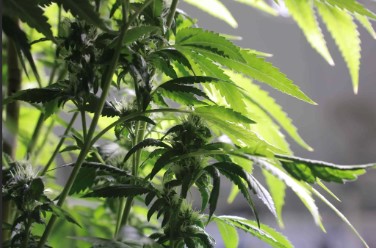
- Genotype: The complete set of genetic instructions a plant carries. It’s the potential of the plant what traits it can express.
- Phenotype: The actual expression of those traits in a given environment (climate, nutrients, training). For example, two seeds from the same strain may look or smell different due to phenotypic variation.
Selecting stable genetics ensures more predictable phenotypes across plants.
5. Stabilized vs Unstable Genetics
Genetic stability is key for consistent quality:
- Stabilized genetics are bred over multiple generations to consistently express desired traits (e.g., high THC, short flowering).
- Unstable genetics may result in plants with inconsistent traits unpredictable potency, yields, or even hermaphroditism (plants with both male and female organs, which can ruin a crop).
Reliable seed banks typically offer stabilized, tested strains with low genetic drift.
6. Hybrid Strains and Genetic Lineages
Most modern strains are hybrids, created by crossbreeding two or more distinct cannabis strains. Hybrids may be:

- Indica-dominant (e.g., OG Kush)
- Sativa-dominant (e.g., Jack Herer)
- Balanced (e.g., Blue Dream)
Breeders often cross elite strains to combine desirable traits: higher resin production, mold resistance, or terpene complexity.
Lineage tracking (e.g., “Blueberry × Haze”) helps growers understand what to expect. A basic example:
- Parent A: Afghan indica
- Parent B: Thai sativa
- Result: A hybrid with a calming body effect and citrus aroma
7. The Role of Breeders
Breeders are the architects of cannabis genetics. Through selective breeding, they stabilize strains by repeatedly crossing individuals with the most favorable traits. This process may take several generations (F1, F2, F3…) until desired results are reliably reproduced.
Key breeding goals include:
- Higher THC/CBD levels
- Disease and pest resistance
- Improved flavor/aroma (terpenes)
- Shorter flowering times
- Stability across multiple grows
Reputable breeders invest heavily in phenotypic selection and testing.
8. Understanding Genetic Labels
When browsing seed catalogs, you’ll encounter genetic labels such as:
- F1 (First Filial Generation): First cross between two distinct parent lines. Usually vigorous and uniform.
- BX (Backcross): Crossing a hybrid back to one of its parents to reinforce specific traits.
- IBL (Inbred Line): Highly stable, pure line bred through repeated selection. Produces uniform offspring.
Example:
Strain X (F1) = Parent A × Parent B
Strain X BX1 = Strain X × Parent A
Strain X IBL = Strain X bred repeatedly with itself over generations
9. Genetic Traits to Watch For
When selecting seeds, examine the advertised genetic traits. Commonly valued characteristics include:
- THC/CBD Ratio: Determines psychoactive and therapeutic effects.
- Flowering Time: Impacts how long it takes from germination to harvest.
- Yield: Measured in grams per square meter (indoor) or grams per plant (outdoor).
- Terpene Profile: Affects aroma, flavor, and entourage effect.
- Resistance: Includes mold, mildew, pests, and temperature stress.
- Height and Structure: Important for grow space planning and training methods.
10. Genetic Considerations for Beginners
Beginners should prioritize the following:
- Feminized Seeds: To avoid dealing with male plants.
- Autoflowers or Fast Photoperiods: For quicker harvests and reduced grow complexity.
- Stable Strains from Reputable Breeders: To minimize surprises.
- Documented Lineage and Reviews: Strains with well-documented performance and user feedback are safer choices.
- Balanced Hybrids: Offer moderate effects suitable for most new users and growers.
11. Common Pitfalls and Misconceptions
- Assuming a strain name guarantees performance: Names can be misleading. Two different breeders may use the same name with entirely different genetics.
- Neglecting environment: Even the best genetics can underperform in poor conditions. Genetics and environment work together.
- Expecting clones from seeds: Seeds carry variation; even stabilized ones may show slight differences.
- Ignoring seed source: Low-quality or poorly stored seeds may have poor germination and weak genetics.
Conclusion
Understanding cannabis seed genetics is fundamental for cultivating high-quality plants. For beginners, learning the basic types of seeds, how genetics influence traits, and the importance of stable breeding lays the groundwork for successful growing. Choosing the right genetics helps ensure a smoother experience, healthier plants, and the desired final product.
By starting with reputable seeds and informed expectations, novice growers can enjoy not just better yields, but a deeper appreciation for the science and artistry behind cannabis cultivation.
