Understanding Cannabis Nodes and Internodes
Cannabis cultivation is a science, and understanding its anatomy is fundamental to growing healthy plants and optimizing yields. Among the critical aspects of cannabis plant anatomy are the nodes and internodes. These structures play a vital role in plant growth, development, and productivity. In this detailed exploration, we will delve into what nodes and internodes are, their importance, how they affect plant training, and practical tips for growers to manage them effectively.
What are Cannabis Nodes and Internodes?
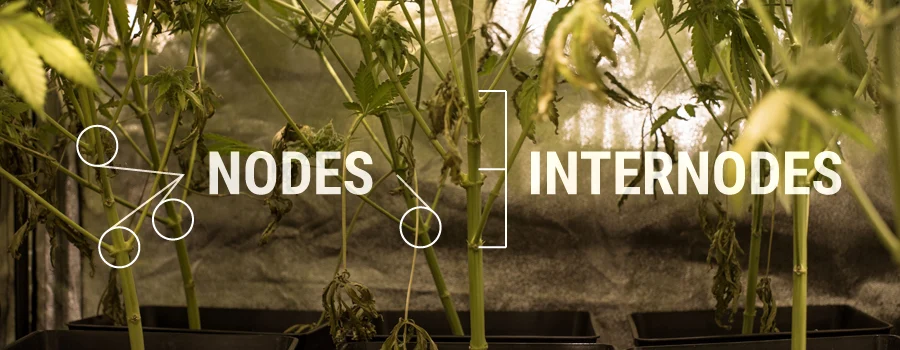
Cannabis nodes and internodes are fundamental parts of the plant’s structure, each playing a crucial role in its growth and development.
Nodes
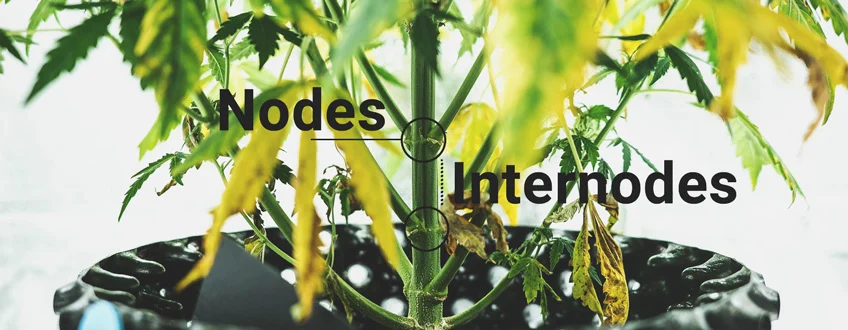
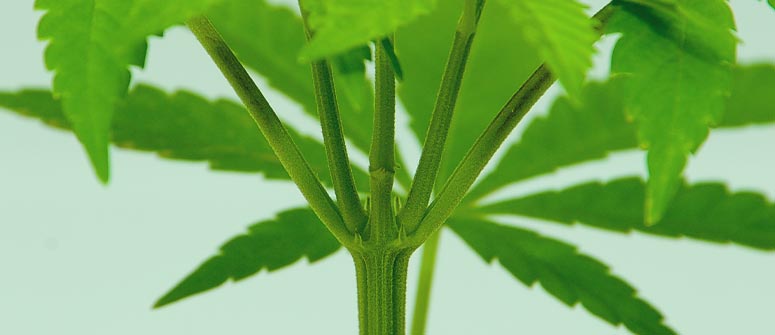
Nodes are the points along the stem of a cannabis plant where leaves, branches, and buds originate. They are identifiable as slight bulges or bumps on the stem where these various parts of the plant emerge.
Key Characteristics:
- Branching and Leaf Production: Nodes are sites where new branches and leaves grow, contributing to the plant’s overall structure and canopy.
- Bud Sites: During the flowering phase, nodes become the locations where buds form, making them critical for determining yield.
- Sex Determination: Nodes are where pre-flowers appear, allowing growers to identify the plant’s sex. Male plants develop pollen sacs at nodes, while female plants produce pistils.
Importance:
- Growth and Structure: Nodes are essential for the branching pattern of the plant, impacting its overall shape and size.
- Yield Potential: Since buds develop at the nodes, the number and health of nodes directly influence the plant’s potential yield.
- Identification: Nodes are used to identify the plant’s sex and monitor its growth stages.
Internodes
The parts of the stem that are between two nodes are called internodes. The length of internodes can vary significantly depending on factors such as genetics, light conditions, and overall plant health.
Key Characteristics:
- Stem Segments: Internodes are the spaces on the stem between nodes. Their length can be influenced by environmental factors.
- Vascular System: Internodes contain the vascular tissues (xylem and phloem) that transport water, nutrients, and sugars throughout the plant.
Importance:
- Plant Height and Structure: Shorter internodes lead to bushier plants, while longer internodes result in taller, more stretched plants.
- Light Penetration: The spacing of internodes affects how well light can penetrate the canopy, which is vital for photosynthesis and bud development.
- Stress Indicators: Abnormal internode lengths can indicate environmental stress or other growth issues that need to be addressed.
Factors Affecting Internode Length:
- Light Intensity: Higher light intensity generally leads to shorter internodes, while lower light causes stretching.
- Temperature: High temperatures can cause internodes to stretch, while cooler temperatures often result in shorter internodes.
- Nutrient Availability: Adequate nutrition supports normal internode development, whereas deficiencies can lead to abnormalities.
- Watering Practices: Consistent watering helps maintain healthy internode development.
The Importance of Nodes and Internodes in Cannabis Cultivation
Nodes and internodes are integral components of the cannabis plant’s anatomy, and their proper understanding and management are crucial for successful cultivation. Here’s why they are so important:
Maximizing Yield
Nodes as Bud Sites
Nodes are where buds form during the flowering stage. Each node can potentially produce a bud, so more nodes often mean more buds. Proper management ensures that the plant has enough nodes to maximize bud production, directly impacting the overall yield.
Light Penetration and Distribution
Internode length affects how well light penetrates the plant canopy. Shorter internodes result in a bushier plant, with more nodes and leaves receiving adequate light, which is essential for photosynthesis. Good light distribution enhances bud development across the entire plant, rather than just the top.
Plant Training
Techniques Involving Nodes and Internodes
Training techniques such as topping, fimming, and low-stress training (LST) manipulate nodes and internodes to shape the plant, optimize light exposure, and improve airflow.
- Topping: A bushier plant with many bud sites results from cutting off the main stem above a node, which promotes the formation of multiple branches from that node.
- Fimming: Similar to topping but less precise, it results in even more branching.
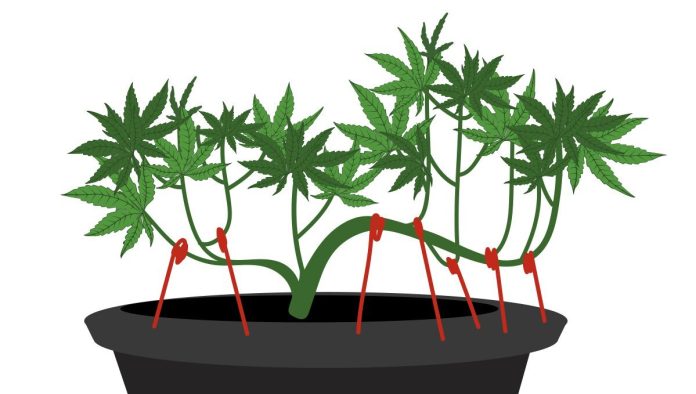
- LST: Creating an even canopy by bending and tying down branches, which will expose more nodes to light and enhance the general health of the plant.
Super Cropping
This technique involves gently crushing the stem between nodes to create stronger branches and promote more bud sites. Properly managed nodes and internodes can make super cropping more effective, leading to higher yields.
Health Monitoring
Stress Indicators
The appearance and spacing of nodes and internodes can indicate the plant’s health and growing conditions. Abnormally long internodes may signal insufficient light or excessive heat, while very short internodes might indicate too much light or nutrient imbalances. Regular inspection helps growers identify and address issues early.
Growth Patterns
Healthy nodes and internodes suggest that the plant is receiving the right balance of nutrients, water, and light. Monitoring these structures helps in making timely adjustments to cultivation practices.
Genetic Expression
Strain-Specific Characteristics
Different cannabis strains have unique node and internode characteristics. Indica strains typically have shorter internodes, leading to bushier plants, while sativa strains usually have longer internodes, resulting in taller plants. Understanding these differences helps growers choose the right strain for their growing conditions and desired outcomes.
Breeding and Selection
Breeders often select for specific node and internode traits to develop strains that perform well under certain conditions or have particular growth patterns. For example, strains with short internodes and dense bud sites are favored for indoor growing where space is limited.
Detailed Anatomy and Physiology of Cannabis Nodes and Internodes
Understanding the detailed anatomy and physiology of cannabis nodes and internodes is crucial for optimizing growth and maximizing yields. Let’s explore these structures more comprehensively.
Node Anatomy
Nodes are multifunctional and complex parts of the cannabis plant, containing several important structures:
- Axillary Buds:
- These are undeveloped or dormant shoots located at the junction between the stem and a leaf petiole.
- Axillary buds may open into new branches or blooms, contingent on the stage of growth and surroundings of the plant.
- Leaf Petiole:
- The stalk at the node that joins the leaf blade to the stem is called the petiole.
- It plays a critical role in transporting nutrients and water from the stem to the leaf.
- Pre-flowers:
- Early indicators of a plant’s sex appear at the nodes.
- Male plants develop pollen sacs, while female plants develop pistils at these sites.
Node Functions
Nodes facilitate several crucial functions:
- Branching and Leaf Production: Nodes are where new branches and leaves originate, contributing to the plant’s structural complexity and photosynthetic capacity.
- Bud Formation: During flowering, nodes become the primary sites for bud development, directly impacting yield.
- Sex Determination: Nodes provide the earliest visible signs of a plant’s sex, essential for growers to identify and manage male and female plants appropriately.
Internode Anatomy
Internodes are the stem segments that connect nodes. They consist of various tissues and structures:
- Stem Tissue:
- The stem tissue includes the vascular system (xylem and phloem) responsible for transporting water, nutrients, and sugars throughout the plant.
- Cortex and Epidermis:
- The cortex is the layer of cells between the vascular tissues and the outer epidermis.
- The epidermis is the outermost layer, which protects the stem and supports its structure.
Internode Functions
Internodes play several vital roles:
- Transport: In addition to distributing the sugars made during photosynthesis, the vascular system in internodes carries vital nutrients and water from the roots to the rest of the plant.
- Support: Internodes provide structural support, helping the plant withstand environmental stresses such as wind.
- Growth Regulation: Hormones such as auxins and gibberellins, which regulate growth and development, are concentrated in internodes.
Physiological Processes
Nodes and internodes are involved in several physiological processes essential for plant growth and health:
- Photosynthesis:
- Leaves attached at the nodes are the primary sites for photosynthesis, the process by which plants convert light energy into chemical energy.
- The products of photosynthesis (sugars) are transported through the phloem in internodes to other parts of the plant.
- Transpiration:
- Water absorbed by the roots is transported through the xylem in the internodes to the leaves, where it evaporates into the atmosphere.
- This process helps in nutrient uptake and temperature regulation.
- Nutrient Transport:
- Nodes and internodes play a critical role in the movement of nutrients from the roots to the growing parts of the plant.
- Efficient nutrient transport ensures healthy growth and development.
Factors Affecting Node and Internode Development
Understanding the factors that affect the development of nodes and internodes in cannabis plants is essential for optimizing growth and achieving high yields. Here are the key factors:
1. Genetics
Strain-Specific Characteristics
- Indica vs. Sativa: Indica strains typically have shorter internodes and are bushier, while sativa strains have longer internodes and are taller. Hybrid strains can exhibit a mix of these characteristics.
- Breeding: Specific traits are bred into strains to achieve desired node and internode patterns. Breeders select for characteristics like internode length and node density to optimize plant performance in different growing environments.
2. Light Intensity and Quality
Light Intensity
- High Light Intensity: Leads to shorter internodes, resulting in a more compact, bushy plant. Plants grown under intense light (e.g., from high-intensity discharge (HID) lamps or strong LEDs) tend to develop closely spaced nodes.
- Low Light Intensity: Causes plants to stretch as they seek more light, resulting in longer internodes. This phenomenon is known as etiolation and is commonly seen in plants grown under insufficient light or shaded conditions.
Light Spectrum
- Blue Light: Promotes shorter internode length and denser growth. Blue light is particularly influential during the vegetative stage.
- Red Light: Encourages elongation and stretching, which can be beneficial during the flowering stage to accommodate bud development.
3. Temperature
Ideal Temperature Range
- Optimal Temperatures: Cannabis plants thrive in temperatures between 70-85°F (21-29°C) during the day and slightly cooler temperatures at night. Maintaining these temperatures supports healthy node and internode development.
Temperature Extremes
- High Temperatures: Excessive heat can cause plants to stretch, resulting in longer internodes. Heat stress can also affect overall plant health and productivity.
- Low Temperatures: Cooler temperatures can lead to shorter internodes, but extreme cold can slow growth and negatively impact plant development.
4. Nutrient Availability
Balanced Nutrition
- Nitrogen: Adequate nitrogen levels are essential for vegetative growth. However, excessive nitrogen can cause plants to stretch, leading to longer internodes.
- Phosphorus and Potassium: These nutrients support root development and overall plant health, contributing to balanced growth and node formation.
Nutrient Deficiencies
- Nitrogen Deficiency: Can lead to stunted growth and shorter internodes. The plant may also exhibit yellowing leaves.
- Micronutrient Deficiencies: Lack of essential micronutrients like calcium, magnesium, and iron can affect overall plant health, leading to abnormal node and internode development.
5. Watering Practices
Consistent Watering
- Adequate Hydration: Ensures healthy plant development. Consistent watering practices help maintain optimal growth conditions.
- Overwatering: Can lead to root rot and other issues, causing stress that affects node and internode development. Overwatered plants may exhibit elongated internodes as they struggle to find oxygen.
- Underwatering: Causes stress and can lead to stunted growth and shorter internodes.
6. Humidity
Optimal Humidity Levels
- Vegetative Stage: Higher humidity levels (40-70%) are beneficial for vegetative growth, promoting healthy node development.
- Flowering Stage: Lower humidity levels (40-50%) help prevent mold and mildew on developing buds and support optimal internode spacing.
Humidity Extremes
- High Humidity: Can lead to mold and mildew issues, affecting overall plant health and node development.
- Low Humidity: Can cause plants to transpire more, leading to potential dehydration and stress, impacting internode length.
7. Plant Training Techniques
Topping and Fimming
- Topping: Cutting off the main stem above a node encourages the growth of multiple branches from that node, resulting in a bushier plant with more bud sites.
- Fimming: Similar to topping but involves cutting off about 75% of the new growth at the top, promoting even more branching.
Low-Stress Training (LST)
- Bending and Tying Down Branches: Creates an even canopy and exposes more nodes to light, improving light penetration and airflow.
Super Cropping
- Crushing the Stem: Gently crushing the stem between nodes promotes stronger growth and increases bud sites.
8. Environmental Control
Air Circulation
- Good Airflow: Prevents the formation of microclimates within the grow area, which can affect node and internode development. Sufficient ventilation contributes to stable humidity and temperature.
CO2 Enrichment
- Enhanced Growth: Supplementing with CO2 can accelerate growth, potentially affecting node and internode spacing. Plants grown in CO2-enriched environments may develop more robustly with balanced internode lengths.
Practical Tips for Managing Nodes and Internodes
Effective management of nodes and internodes can enhance plant health and yield. Here are some practical tips for growers:
Controlling Internode Length
- Light Management: Ensure optimal light intensity and quality. Use appropriate grow lights and adjust their height to prevent excessive stretching or crowding.
- Temperature Control: Maintain stable temperatures to avoid stress-induced stretching or stunting.
- Nutrient Balance: Provide balanced nutrients to support healthy growth. Pay attention to nitrogen levels, as excessive nitrogen can cause stretching.
- Watering: To avoid stress, continue to water your plants consistently. Steer clear of entirely drying out the soil or overwatering it.
Node Manipulation Techniques
- Topping: This involves cutting off the main stem above a node to encourage the growth of multiple branches from the node, resulting in a bushier plant with more bud sites.
- Fimming: Similar to topping but involves cutting off about 75% of the new growth at the top. This technique can result in even more branching than topping.
- Low-Stress Training (LST): bending and fastening branches to make a uniform canopy that lets light reach more nodes. Airflow and light penetration are enhanced by this technique.
- Super Cropping: Gently crushing the stem between nodes to promote stronger growth and increase bud sites. Handling this procedure carefully is necessary to prevent damage to the plant.
Monitoring and Adjusting
- Regular Inspection: Frequently check nodes and internodes for signs of stress or abnormalities. Timely intervention is made possible by early detection.
- Environmental Control: Use tools such as fans, dehumidifiers, and heaters to maintain optimal growing conditions.
- Adaptability: Be prepared to adjust techniques and conditions based on the specific needs of your strain and growing environment.
Advanced Concepts
Node and Internode Role in Plant Training
Plant training techniques rely heavily on the manipulation of nodes and internodes. Advanced growers often use a combination of methods to achieve the best results.
- Screen of Green (ScrOG): This method involves placing a screen above the plants and weaving branches through the screen as they grow. It helps create an even canopy and maximizes light exposure to all nodes.
- Sea of Green (SOG): This technique involves growing many small plants close together with minimal vegetative time. Each plant focuses its energy on a single main cola, maximizing yield per square foot.
- Defoliation: Removing some leaves around nodes can improve light penetration and airflow, benefiting bud development at lower nodes.
Genetic Manipulation and Breeding
Breeders often select for specific node and internode characteristics to create strains that suit particular growing conditions or preferences. For example, strains with short internodes and dense bud sites are often favored for indoor growing, while those with longer internodes may be preferred for outdoor cultivation where space is less constrained.
Conclusion
Nodes and internodes are fundamental components of cannabis plant anatomy, playing a critical role in its growth, development, and yield potential. Nodes, the points along the stem where leaves, branches, and buds originate, are essential for determining the plant’s structure and productivity. Internodes, the stem segments between nodes, influence the plant’s height, light penetration, and overall health.
Understanding and effectively managing nodes and internodes are crucial for successful cannabis cultivation. Several factors impact their development, including genetics, light intensity and spectrum, temperature, nutrient availability, watering practices, humidity, and plant training techniques. Each of these factors can be adjusted to optimize the growth environment, promoting healthy node and internode development.
Key Takeaways:
- Genetics: Different cannabis strains exhibit unique node and internode characteristics. Indica strains tend to have shorter internodes and bushier growth, while sativa strains have longer internodes and taller growth. Hybrid strains combine these traits in various ways.
- Light Intensity and Quality: Proper light management is crucial. High light intensity promotes shorter internodes and denser growth, while low light causes stretching. The light spectrum also plays a role, with blue light encouraging shorter internodes and red light promoting elongation.
- Temperature: Maintaining optimal temperatures (70-85°F during the day) supports healthy node and internode development. Temperature extremes can cause stretching or stunted growth.
- Nutrient Availability: Balanced nutrition, especially adequate nitrogen, phosphorus, and potassium, is essential for healthy growth. Nutrient deficiencies or imbalances can lead to abnormal node and internode development.
- Watering Practices: Consistent and appropriate watering helps maintain plant health. Overwatering or underwatering can stress the plant, affecting node and internode development.
- Humidity: Optimal humidity levels vary between the vegetative and flowering stages. High humidity during vegetative growth promotes healthy nodes, while lower humidity during flowering prevents mold and mildew.
- Plant Training Techniques: Techniques like topping, fimming, low-stress training (LST), and super cropping manipulate nodes and internodes to shape the plant, optimize light exposure, and improve airflow.
- Environmental Control: Good air circulation and CO2 enrichment support robust growth and balanced node and internode development.
By understanding and managing these factors, growers can optimize their cannabis plants’ health and yield. Effective node and internode management involves a combination of environmental control, careful monitoring, and strategic training techniques. This comprehensive approach ensures that cannabis plants develop in the most productive way possible, leading to higher yields and better-quality harvests.
In conclusion, the detailed anatomy and physiology of cannabis nodes and internodes reveal their critical roles in plant growth, health, and productivity. Mastering the factors that influence their development is key to successful cannabis cultivation. Growers who pay close attention to these aspects can achieve healthier plants, maximize their yields, and produce superior cannabis products.
