Table of Contents
Tyson, also known as “Mike Tyson” or “Tyson OG,” is an Indica-dominant cannabis strain that has earned a reputation for its heavy-hitting effects and strong sedative qualities. Named after the famous boxer Mike Tyson, this strain is a knockout in both potency and therapeutic benefits. This guide delves into Tyson’s medical and recreational uses, as well as its scientific background, cultivation characteristics, and more.
Overview of Tyson Strain
- Genetics: Tyson’s exact lineage remains somewhat mysterious, although it is generally accepted to be a derivative of OG Kush or a closely related strain. Some cultivators and researchers believe it to be a phenotype of the Kush family.
- Type: Indica-dominant hybrid
- THC Content: Typically ranges between 20% and 30%, making it a highly potent strain.
- CBD Content: Generally low, often under 1%, although some phenotypes may exhibit slightly higher CBD levels.
- Aroma and Flavor: Tyson is known for its earthy, woody, and diesel-like aroma with subtle spicy undertones. Its flavor profile mirrors its scent, with added notes of herbal sweetness.
Recreational Uses
Tyson is a powerhouse strain that caters to seasoned cannabis users seeking a deeply relaxing and euphoric experience. Below are its primary recreational benefits:
1. Intense Relaxation
The heavy Indica dominance of Tyson makes it a go-to strain for unwinding after a long day. The strain’s effects typically begin with a wave of physical relaxation that spreads throughout the body. This characteristic makes Tyson ideal for evening or nighttime use.
2. Euphoria and Mood Enhancement
Despite its sedative nature, Tyson delivers a cerebral uplift that can elevate mood. Users often report a sense of happiness and mental calm, making it a good choice for social settings or introspective moments.
3. Couch-Lock and Sedation
One of Tyson’s most notable effects is its ability to induce couch-lock. Recreational users often consume this strain when they want to binge-watch a series, enjoy music, or simply relax without distractions.
4. Heightened Sensory Perception
For those seeking an enhanced sensory experience, Tyson can amplify perceptions of sound, touch, and taste, adding depth to activities like listening to music or eating.
5. Creativity in Controlled Doses
While Tyson is primarily known for its sedative effects, smaller doses can encourage creative thinking before the heavier effects set in. Artists and writers may find it beneficial for brief bursts of inspiration.
Medical Uses
The Tyson strain has gained significant traction in the medical cannabis community for its wide range of therapeutic applications. Some of the most popular medical applications are listed below:

1. Chronic Pain Relief
Tyson’s potent THC levels provide effective relief from various forms of chronic pain, including:
- Arthritis
- Fibromyalgia
- Migraines
- Neuropathic pain
The strain’s analgesic properties help to dull pain sensations, allowing patients to experience improved quality of life.
2. Insomnia Management
As a heavily sedative strain, Tyson is particularly effective for individuals struggling with insomnia. Its ability to induce deep relaxation and drowsiness makes it a reliable choice for achieving restful sleep.
3. Anxiety and Stress Reduction
The calming effects of Tyson are highly beneficial for managing anxiety disorders and chronic stress. The strain’s ability to promote mental clarity and relaxation helps users achieve a state of tranquility.
4. Appetite Stimulation
Tyson is known to trigger the “munchies,” making it helpful for individuals dealing with appetite loss brought on by illnesses like eating disorders, HIV/AIDS, or cancer.
5. Muscle Spasms and Tension
The strain’s ability to relax muscles makes it effective for alleviating symptoms of muscle spasms, cramps, and general tension.
6. Nausea Relief
For patients undergoing treatments like chemotherapy, Tyson can provide relief from nausea and vomiting, improving overall comfort and well-being.
7. PTSD and Depression
The uplifting and euphoric effects of Tyson can aid in managing symptoms of PTSD and depression by promoting a sense of well-being and reducing intrusive thoughts.
Scientific Background and Cannabinoid Profile
Cannabinoids
- THC: The primary psychoactive compound in Tyson, THC interacts with the CB1 receptors in the brain and central nervous system, leading to its euphoric and analgesic effects.
- CBD: Although present in minimal quantities, CBD’s role in modulating the psychoactive effects of THC may contribute to Tyson’s calming properties.
- Other Cannabinoids: Trace amounts of CBG (Cannabigerol) and CBN (Cannabinol) may also contribute to the strain’s overall sedative and therapeutic effects.
Terpenes
Terpenes are aromatic compounds that contribute to Tyson’s distinct smell and enhance its effects through the entourage effect. Key terpenes in Tyson include:
- Myrcene: Responsible for its earthy aroma and sedative effects. In many Indica strains, myrcene is the predominant terpene.
- Caryophyllene: Adds a spicy, peppery note and contributes to anti-inflammatory properties.
- Limonene: Offers subtle citrus undertones and may enhance mood and stress relief.
- Pinene: A minor terpene that provides a hint of pine and may counteract memory impairment caused by THC.
Entourage Effect
The combination of cannabinoids and terpenes in Tyson creates a synergistic effect, enhancing the strain’s overall potency and therapeutic benefits. This phenomenon, known as the entourage effect, explains why whole-plant cannabis products often outperform isolated compounds like pure THC or CBD.
Methods of Ingestion
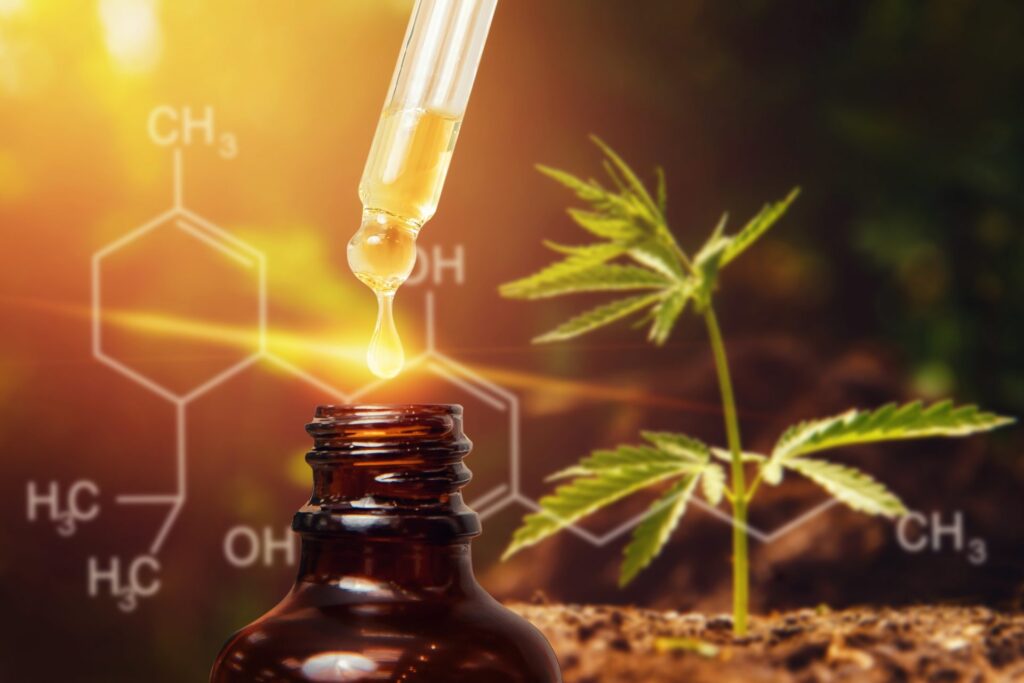
- Smoking
- Process: Tyson can be consumed via joints, pipes, or bongs. Combustion releases the cannabinoids and terpenes into inhalable smoke.
- Advantages: Immediate onset, ease of control over dosage.
- Disadvantages: Can irritate the respiratory system due to combustion byproducts.
- Bioavailability: Approximately 25%-30% of THC reaches the bloodstream.
- Vaporization
- Process: Tyson flower or concentrates are heated to release cannabinoids and terpenes as vapor without combustion.
- Advantages: Lower respiratory irritation, more efficient cannabinoid activation, better preservation of terpenes.
- Disadvantages: Requires specialized equipment like vaporizers.
- Bioavailability: Higher than smoking, often 35%-40%.
- Edibles
- Process: Tyson is infused into food or drinks, with cannabinoids metabolized through the digestive system.
- Advantages: Long-lasting effects, discrete consumption, no impact on the respiratory system.
- Disadvantages: Delayed onset, challenging to gauge dosage accurately.
- Bioavailability: Lower than inhalation, around 4%-20%, due to first-pass metabolism in the liver.
- Tinctures and Sublingual Administration
- Process: Cannabinoid extracts from Tyson are placed under the tongue for absorption through the mucous membranes.
- Advantages: Rapid onset (faster than edibles), precise dosing, no respiratory irritation.
- Disadvantages: Limited flavor options, some users dislike the sublingual method.
- Bioavailability: Higher than edibles, approximately 15%-35%.
- Topicals
- Process: Creams or balms infused with Tyson are applied directly to the skin for localized relief.
- Advantages: No psychoactive effects, effective for targeted pain relief and inflammation.
- Disadvantages: Ineffective for systemic effects, THC does not enter the bloodstream.
- Bioavailability: Minimal systemic absorption; effects remain localized.
- Dabbing
- Process: Tyson concentrates (e.g., wax, shatter) are heated on a hot surface and inhaled as vapor.
- Advantages: Extremely potent, rapid onset, high bioavailability.
- Disadvantages: Requires experience, specialized equipment, and careful dosing.
- Bioavailability: Approximately 50%-75%, making it one of the most efficient methods.
Onset of Effects
The onset time for Tyson depends on the method of ingestion:
- Smoking/Vaping: Effects are typically felt within 2-10 minutes. The cannabinoids quickly enter the bloodstream via the lungs, providing rapid relief and psychoactive effects.
- Edibles: Onset can take 30-90 minutes, as cannabinoids must pass through the digestive system and be metabolized by the liver.
- Sublingual: Effects usually start within 15-30 minutes, as the cannabinoids bypass the digestive system and enter the bloodstream directly.
- Topicals: Effects begin within 15-30 minutes for localized relief but do not produce psychoactive effects.
- Dabbing: Onset is almost immediate (1-3 minutes), similar to smoking and vaping, but with heightened intensity.
Duration of Effects
- Smoking/Vaping: Effects typically last 2-4 hours, with the peak occurring within the first hour.
- Edibles: Effects can last 6-8 hours, with the peak occurring 2-4 hours after ingestion.
- Sublingual: Effects last approximately 3-6 hours, depending on the dose and individual metabolism.
- Topicals: Effects last 2-6 hours, depending on the severity of the condition and the product used.
- Dabbing: Effects are intense but relatively short-lived, typically lasting 1-3 hours.
Effects of Tyson Cannabis Strain
1. Immediate Effects
- Physical Relaxation: Tyson delivers a powerful body high, often described as heavy and sedative, starting in the extremities and extending all over the body.
- Euphoria: Users frequently report a sense of mental uplift and happiness.
- Couch-Lock: In higher doses, Tyson often induces deep sedation and couch-lock, making it unsuitable for active tasks.
2. Psychoactive Effects
- Calm and Tranquility: The strain\u2019s Indica dominance promotes a sense of inner peace and mental clarity.
- Enhanced Sensory Perception: Tyson can heighten perceptions of sound, touch, and taste, making music and food more enjoyable.
- Drowsiness: It is especially effective for inducing sleep and combating insomnia.
3. Therapeutic Effects
- Pain Relief: The strain potent THC levels target CB1 receptors in the central nervous system, dulling pain sensations.
- Anti-Anxiety: Tyson helps reduce feelings of stress and anxiety through its calming effects on the amygdala.
- Appetite Stimulation: THC activates the CB1 receptor in the hypothalamus, increasing appetite and reducing nausea.
- Muscle Relaxation: The strains effects on GABA neurotransmitters contribute to reduced muscle tension and spasms.
4. Adverse Effects
- Dry Mouth and Eyes: These are common side effects of THC-rich strains like Tyson. Hydration and eye drops can mitigate discomfort.
- Dizziness: Novice users or those sensitive to high THC levels may experience lightheadedness.
- Paranoia: In rare cases, especially with excessive consumption, Tyson high THC content can trigger anxiety or paranoia.
Scientific Basis for Effects
- THC Interaction with the Endocannabinoid System:
- THC binds to CB1 receptors in the brain and central nervous system, triggering psychoactive and analgesic effects.
- High THC levels in Tyson contribute to its sedative and pain-relieving properties.
- Role of Terpenes:
- Myrcene: Enhances sedative and muscle-relaxing effects.
- Caryophyllene: Provides anti-inflammatory and anxiolytic effects.
- Limonene: Uplifts mood and reduces stress.
- Entourage Effect:
- The synergistic interaction between THC, CBD, and terpenes enhances the therapeutic benefits of Tyson, making it more effective for pain relief, stress reduction, and sleep induction.
Cultivation Practices for Tyson Cannabis Strain
1. Environmental Control
Proper environmental control is crucial for Tyson due to its susceptibility to mold and mildew, particularly during the flowering stage.
- Temperature Regulation: Use climate control systems to maintain optimal temperatures (70°F to 80°F during vegetative growth, slightly cooler during flowering).
- Humidity Management: Aim for relative humidity levels of 40%-50% during flowering to prevent mold and mildew. Use dehumidifiers if growing in a damp climate.
- Ventilation: Ensure good airflow with oscillating fans and exhaust systems. This prevents stagnant air and distributes CO₂ evenly for photosynthesis.
2. Lighting
Tyson benefits significantly from high-intensity lighting, which supports resin production and dense bud growth.
- Vegetative Stage: Use full-spectrum LED or MH (metal halide) lights to mimic natural sunlight. Provide light for 18–20 hours every day.
- Flowering Stage: Switch to HPS (high-pressure sodium) lights or warm-spectrum LEDs. Reduce the light cycle to 12 hours on, 12 hours off to trigger flowering.
- PPFD Levels: Maintain a Photosynthetic Photon Flux Density (PPFD) of 600-900 μmol/m²/s during flowering for optimal yields.
3. Nutrient Management
Tyson’s high resin production and dense buds require precise nutrient management:
- Vegetative Stage: Focus on nitrogen (N) for robust plant growth. Use a nutrient ratio of approximately 3:1:1 (N:P:K).
- Flowering Stage: Increase phosphorus (P) and potassium (K) levels to support bud development. A typical ratio might be 1:3:3.
- Micro-nutrients: Ensure adequate levels of magnesium (Mg), calcium (Ca), and sulfur (S) to prevent deficiencies that can affect terpene and cannabinoid profiles.
- pH Levels: Maintain soil or hydroponic solution pH between 6.0-6.5 for soil and 5.5-6.0 for hydroponics.
4. Growing Medium
The choice of growing medium influences the nutrient uptake and overall health of the plant.
- Soil: Use nutrient-rich organic soil with good drainage. Amend with compost, perlite, and coco coir for optimal aeration.
- Hydroponics: Tyson adapts well to hydroponic systems, which offer precise control over nutrients and water. Systems like DWC (Deep Water Culture) and drip irrigation are particularly effective.
- Coco Coir: Provides a balance between soil and hydroponics, offering better oxygenation for roots while retaining moisture.
5. Pruning and Training
Effective pruning and training techniques maximize yield and ensure healthy growth.
- Topping: Remove the main growth tip early in the vegetative stage to encourage bushier growth and multiple colas.
- Low-Stress Training (LST): Gently bend and tie branches to create an even canopy and improve light penetration.
- Defoliation: Remove excess fan leaves during the vegetative and flowering stages to improve airflow and light distribution.
6. Pest and Disease Management
Tyson, like all cannabis strains, is susceptible to pests and diseases. Implement preventive measures and treatments:
- Integrated Pest Management (IPM): Introduce beneficial insects like ladybugs and predatory mites to control pests such as spider mites and aphids.
- Organic Sprays: Use neem oil or insecticidal soap to manage infestations. Steer clear of chemical pesticides near harvest.
- Fungal Prevention: Monitor humidity levels closely and use natural fungicides like sulfur-based sprays or potassium bicarbonate.
7. Harvesting and Curing
The timing and method of harvest are critical for preserving Tyson’s potency and flavor.
- Harvest Timing: Monitor trichomes using a magnifying glass or microscope. Harvest when trichomes are mostly milky with a few amber heads for maximum potency.
- Drying: Hang trimmed buds in a dark, cool, and well-ventilated space. Maintain temperatures of 60°F-70°F and humidity levels around 50%.
- Curing: Store dried buds in airtight glass jars, opening daily (burping) for the first two weeks to release moisture. This process enhances flavor and potency.
8. Advanced Techniques
For growers looking to maximize resin production and THC content, advanced techniques can be employed:
- CO₂ Enrichment: Introduce supplemental CO₂ during the vegetative and flowering stages to boost growth and yield. Maintain levels at 1200-1500 ppm.
- Stress-Induced Resin Boosting: Apply controlled stress, such as reducing humidity or exposing plants to UV-B light, during the late flowering stage to enhance trichome production.
- Flushing: Two weeks before harvest, flush the growing medium with plain water to remove excess nutrients, improving the final taste and smoke quality.
Appearance
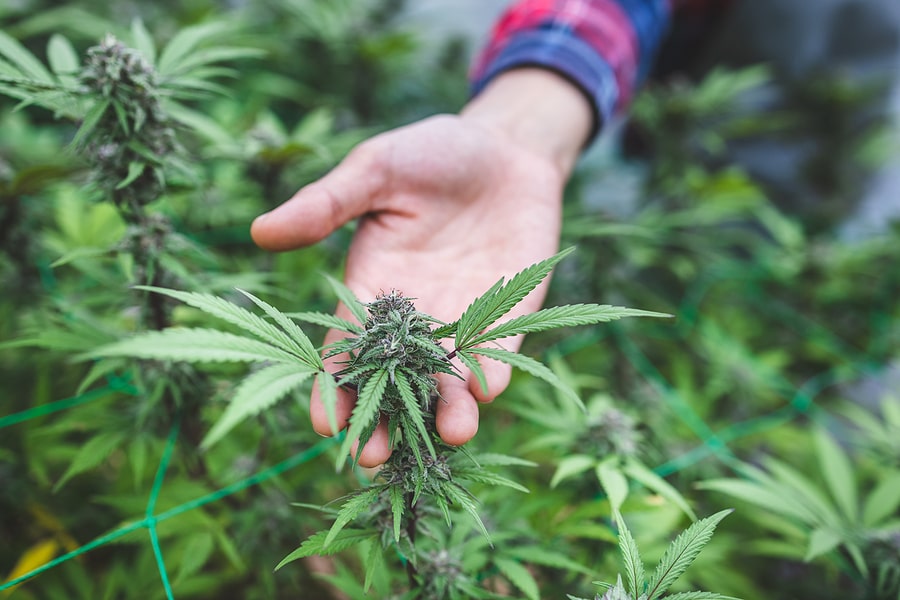
Tyson features dense, resin-coated buds with shades of deep green and hints of purple. The buds appear frosty due to the thick trichome covering.
Potential Side Effects
While Tyson offers numerous benefits, it’s essential to be mindful of potential side effects:
- Dry Mouth and Eyes: Common with most cannabis strains, these effects can be mitigated by utilizing lubricating eye drops and maintaining proper hydration.
- Dizziness: High THC levels may cause dizziness, especially for novice users or those with low tolerance.
- Paranoia and Anxiety: In rare cases, excessive consumption may lead to heightened anxiety or paranoia.
- Couch-Lock: While desirable for some, the sedative effects can be overwhelming for users seeking more balanced energy levels.
Scientific Studies and Research
Pain Management
A 2020 study published in the journal Pain highlighted the effectiveness of high-THC strains like Tyson in managing chronic pain. The study suggested that THC’s interaction with CB1 receptors plays a critical role in pain modulation.
Sleep Disorders
Research from the Journal of Cannabis Research (2021) indicated that Indica-dominant strains with high myrcene levels, such as Tyson, are effective in promoting sleep and reducing insomnia symptoms.
Mental Health Applications
A 2022 review in Frontiers in Psychiatry explored the role of THC-rich strains in managing PTSD and anxiety. The study emphasized the importance of dosing, as lower doses were found to be anxiolytic while higher doses could exacerbate anxiety in some individuals.
Conclusion
Tyson is a robust and versatile cannabis strain that offers profound benefits for both recreational and medical users. Its heavy sedative effects make it a favorite for managing chronic pain, insomnia, and stress, while its euphoric qualities cater to those seeking a mood boost or sensory enhancement. With its complex cannabinoid and terpene profile, Tyson stands out as a potent strain supported by user reviews and scientific studies.0
Whether you’re a patient seeking relief or a recreational user exploring new experiences, Tyson delivers a knockout punch of relaxation and therapeutic benefits. However, due to its high THC content, it’s recommended to start with small doses, especially for novice users. With proper cultivation and mindful consumption, Tyson remains a heavyweight contender in the world of cannabis.
For a complete directory of cultivars, visit our Cannabis Strain Reviews.
