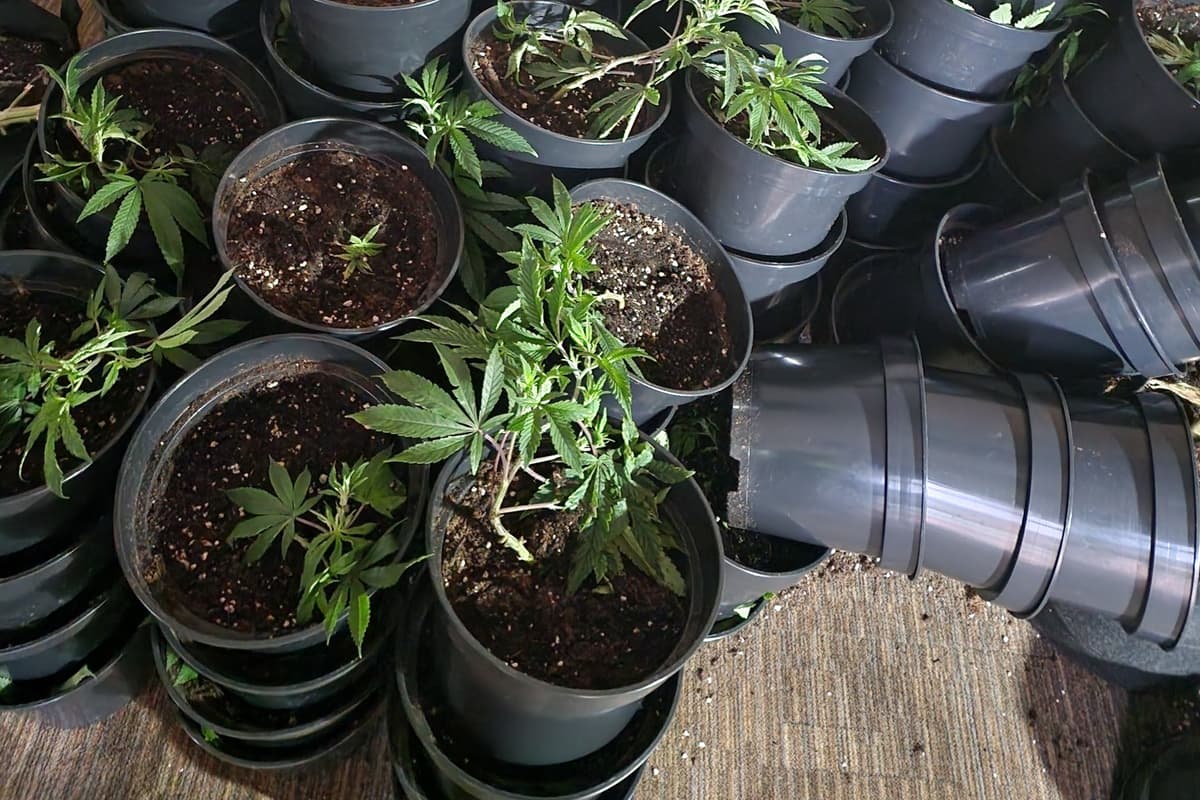
Types of Pots for Growing Medical Cannabis
Growing medical cannabis is a meticulous process that requires careful consideration of various factors, including the type of pot used. The pot, or container, plays a crucial role in the plant’s growth, affecting root development, water retention, drainage, and overall plant health. This guide provides an in-depth analysis of the different types of pots available for growing medical cannabis, highlighting their advantages, disadvantages, and suitability for various growing conditions.
1. Plastic Pots
- Pros: Lightweight, affordable, and readily available. They often have drainage holes and are easy to move.
- Cons: Can retain heat, which might not be suitable for hot climates.
2. Fabric Pots (Smart Pots)
- Pros: Promote air pruning of roots, enhance root structure, and provide excellent drainage and aeration. They are also reusable.
- Cons: Dry out faster than plastic pots, requiring more frequent watering.
3. Air Pots
- Pros: Have a unique design that increases air circulation and root pruning. They promote healthy root growth and prevent root circling.
- Cons: More expensive than other pots and may require more frequent watering.
4. Clay (Terracotta) Pots
- Pros: Provide good drainage and are breathable, which helps prevent overwatering.
- Cons: Heavy and can break easily. They also retain moisture, which may not be ideal in humid climates.
5. Ceramic Pots
- Pros: Aesthetic appeal and good for decoration. Provide insulation for root systems.
- Cons: Heavy, expensive, and may not have adequate drainage without modifications.
6. Grow Bags
- Pros: Affordable, lightweight, and easy to store when not in use. They offer good drainage and root aeration.
- Cons: Less durable than other pots and may require a tray or saucer to catch excess water.
7. Hemp Fiber Pots
- Pros: Environmentally friendly, biodegradable, and provide good drainage and aeration.
- Cons: Not as durable as plastic or fabric pots and may break down over time.
8. Self-Watering Pots
- Pros: Help maintain consistent moisture levels, reduce the frequency of watering, and are useful for growers who may not be able to water frequently.
- Cons: More expensive and may promote root rot if not properly managed.
9. DWC (Deep Water Culture) Systems
- Pros: Provide constant nutrient supply and oxygenation to the roots, leading to rapid growth.
- Cons: Require more maintenance and knowledge to manage nutrient and pH levels.
10. Aquaponic Systems
- Pros: Combine aquaculture and hydroponics, creating a sustainable ecosystem. Provide a natural nutrient supply from fish waste.
- Cons: Complex setup and maintenance, requiring knowledge of both fish care and plant cultivation.
Detailed Information on Each Type of Pot for Growing Medical Cannabis
Growing medical cannabis requires careful attention to the container used. Each type of pot has unique properties that can influence the growth and health of the plants. Here’s a detailed breakdown of each type of pot, covering their construction, benefits, drawbacks, and specific considerations for growing medical cannabis.
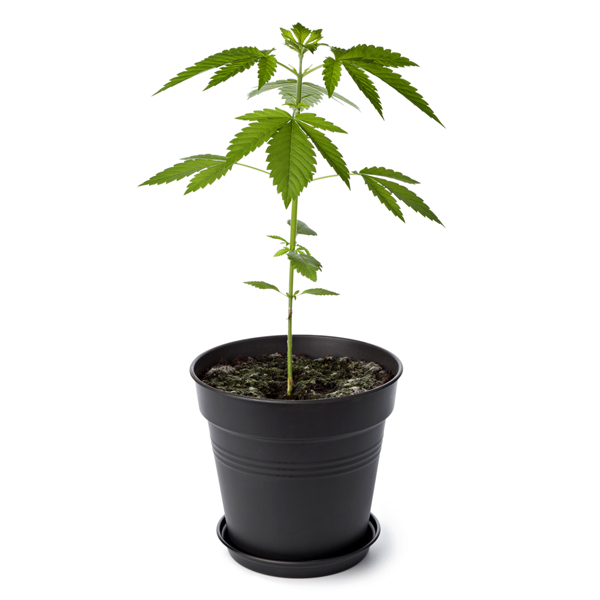
1. Plastic Pots
Construction:
- Made from various types of plastic, typically polypropylene or polyethylene.
- Available in various shapes and sizes, from small starter pots to large containers for mature plants.
- Usually feature drainage holes at the bottom to prevent waterlogging.
Benefits:
- Cost-Effective: Plastic pots are generally inexpensive, making them accessible for all growers.
- Lightweight: Easy to handle and move, which is advantageous for indoor grows or when needing to relocate plants.
- Durable: Resistant to breaking, can last several growing seasons with proper care.
Drawbacks:
- Poor Drainage: If drainage holes are insufficient, can lead to waterlogging and root rot.
- Heat Retention: Plastic can retain heat, which may be harmful to roots in hot climates.
- Environmental Impact: Non-biodegradable, contributing to plastic waste unless recycled.
Considerations:
- Size Selection: Choose appropriately sized pots for the plant’s stage of growth.
- Drainage: Ensure adequate drainage by adding more holes if necessary.
- Temperature Management: In hot climates, consider shading the pots to protect roots from overheating.
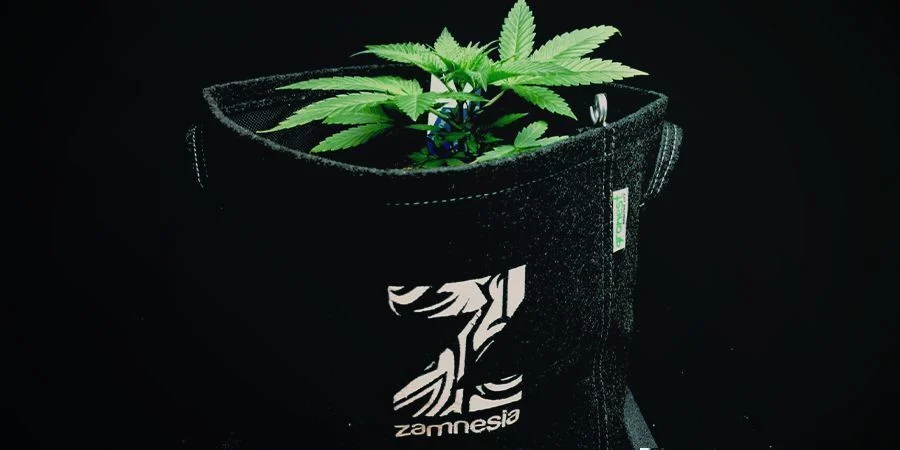
2. Fabric Pots (Smart Pots)
Construction:
- Made from breathable fabric materials, often a blend of polypropylene.
- Typically come in cylindrical shapes with varying diameters and heights.
Benefits:
- Improved Aeration: Fabric allows for superior airflow to roots, reducing the risk of root diseases.
- Air Pruning: Roots naturally prune themselves when they reach the pot’s edge, promoting a denser root system.
- Temperature Regulation: Fabric pots do not retain as much heat, keeping roots cooler.
Drawbacks:
- Frequent Watering: The breathable nature causes them to dry out faster, necessitating more frequent watering.
- Structural Integrity: Fabric can degrade over time, especially when exposed to the elements.
- Cost: Generally more expensive than plastic pots.
Considerations:
- Water Management: Prepare for more frequent watering or use automated systems.
- Durability: Inspect regularly for wear and tear, especially around the base and seams.
- Placement: Suitable for both indoor and outdoor grows; for outdoor, ensure they are placed on well-draining surfaces.
3. Clay (Terracotta) Pots
Construction:
- Made from natural clay, fired at high temperatures to harden.
- Typically unglazed, providing a porous structure.
Benefits:
- Porous Nature: Allows for excellent air and water exchange, reducing the risk of overwatering.
- Aesthetic Appeal: Natural look that blends well with various growing environments.
- Weight: Heavy enough to provide stability for larger plants.
Drawbacks:
- Water Retention: Clay pots dry out quickly, requiring frequent watering.
- Fragility: Prone to cracking and breaking, especially if dropped or exposed to freezing temperatures.
- Weight: Can be cumbersome to move, especially when filled with soil and plants.
Considerations:
- Watering Schedule: Monitor soil moisture levels closely and water frequently.
- Handling: Handle with care to avoid breakage, and consider placing on stable, level surfaces.
- Climate Suitability: Ideal for environments where rapid drying is not a concern.
4. Ceramic Pots
Construction:
- Made from fired clay, often glazed for a smooth, decorative finish.
- Accessible in an array of hues, forms, and dimensions.
Benefits:
- Aesthetic Variety: Wide range of colors and designs to suit personal tastes.
- Water Retention: Glazed ceramic retains moisture better than unglazed clay.
- Durability: More resistant to weathering compared to unglazed clay.
Drawbacks:
- Weight: Heavy, making them difficult to move once filled with soil and plants.
- Cost: Usually more costly because of the artistry and materials used.
- Drainage: Can have poor drainage if not properly designed, potentially leading to waterlogged soil.
Considerations:
- Drainage Management: Ensure adequate drainage by checking for holes or adding a layer of rocks at the bottom.
- Placement: Best used in stable locations where frequent movement is not required.
- Aesthetic Integration: Choose designs that complement the growing space.
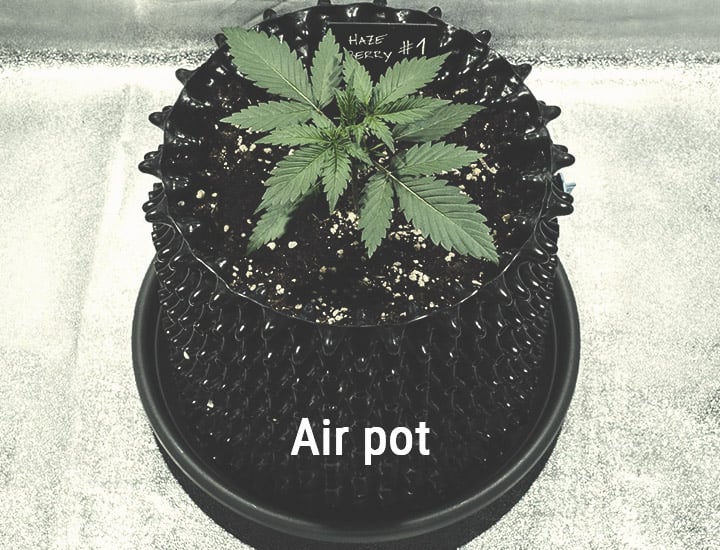
5. Air Pots
Construction:
- Made from rigid plastic with perforated sides that allow for superior air circulation.
- Typically cylindrical with a grid-like structure to maximize root exposure to air.
Benefits:
- Enhanced Aeration: Perforated sides promote excellent airflow to roots.
- Air Pruning: Prevents root circling and promotes a dense, healthy root system.
- Growth Stimulation: Encourages rapid and robust root development, improving plant health and yield.
Drawbacks:
- Cost: More expensive than standard plastic or fabric pots.
- Watering Frequency: Requires more frequent watering due to increased air exposure.
- Learning Curve: New users might need to acclimate for a while.
Considerations:
- Watering Adjustments: Prepare for increased watering needs or consider an automated watering system.
- Root Health: Regularly inspect roots to ensure healthy development.
- Setup: Best used in environments where root health and plant yield are top priorities.
6. Self-Watering Pots
Construction:
- Designed with an integrated reservoir that supplies water to the roots as needed.
- Often includes a wick or capillary system to transfer water from the reservoir to the soil.
Benefits:
- Water Efficiency: Reduces the frequency of watering by providing a steady supply of moisture.
- Consistent Moisture: Ensures consistent moisture levels, beneficial for plants that prefer steady hydration.
- Convenience: Reduces the risk of overwatering and underwatering.
Drawbacks:
- Cost: Generally more expensive than traditional pots.
- Maintenance: Reservoir needs regular monitoring and refilling.
- Complexity: Can be more complicated to set up and maintain.
Considerations:
- Reservoir Monitoring: Check the water level in the reservoir regularly to ensure it does not run dry.
- Soil Compatibility: Use well-draining soil to prevent waterlogging.
- Plant Selection: Ideal for plants that thrive with consistent moisture levels.
7. Hemp Fiber Pots
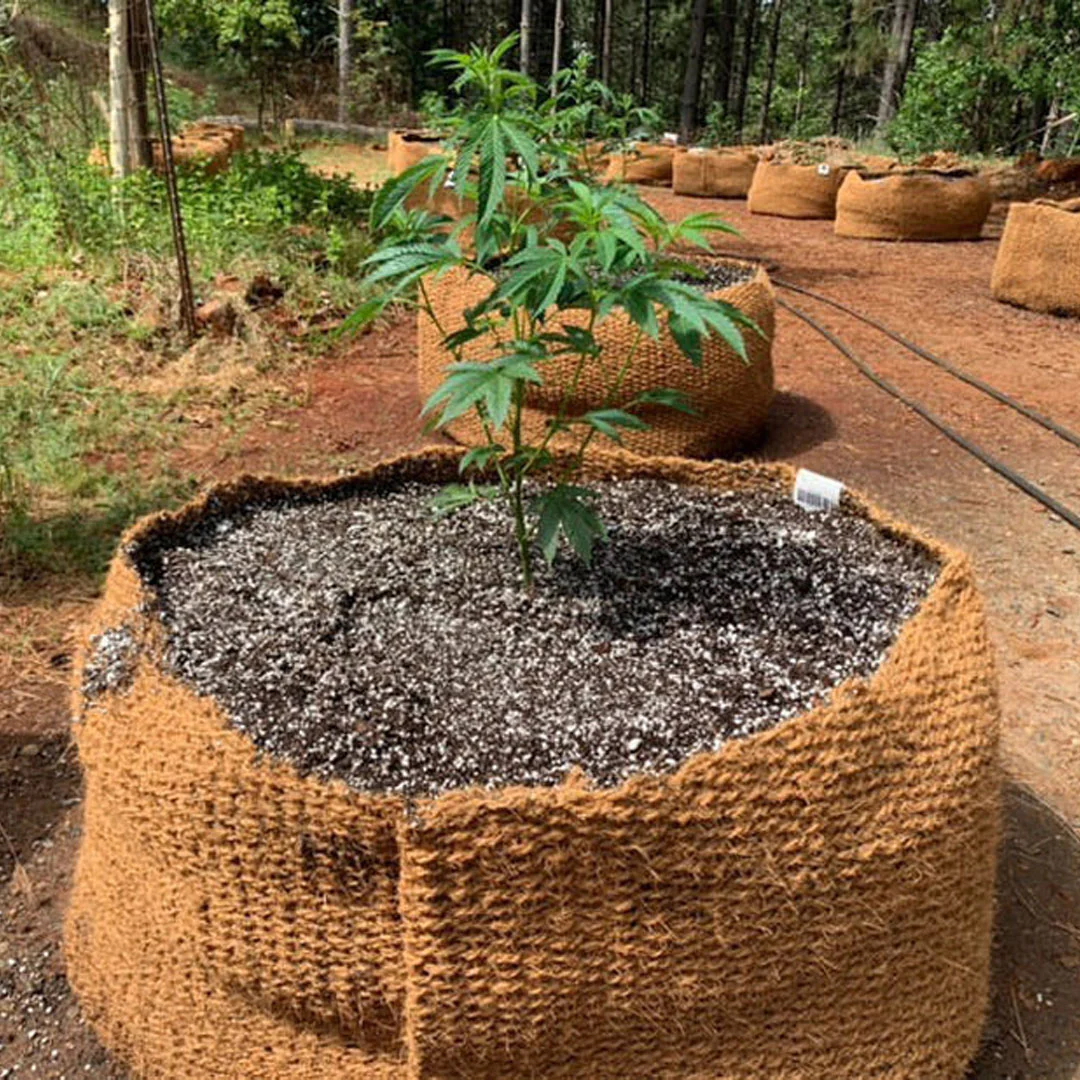
Construction:
- Made from renewable hemp fibers, creating a biodegradable pot.
- Typically resemble fabric pots but are composed of natural fibers.
Benefits:
- Sustainability: Made from renewable resources, environmentally friendly, and biodegradable.
- Root Health: Promote good aeration and prevent root circling through air pruning.
- Natural Materials: Free from synthetic chemicals, suitable for organic growing.
Drawbacks:
- Durability: Can break down over time, especially with prolonged exposure to moisture.
- Cost: May be more expensive than traditional plastic or fabric pots.
- Water Retention: Similar to fabric pots, they may require more frequent watering.
Considerations:
- Biodegradability: Plan for replacement as they decompose over time.
- Environmental Impact: Great for eco-conscious growers aiming for sustainability.
- Watering Needs: Monitor soil moisture and adjust watering frequency accordingly.
8. Metal Pots
Construction:
- Made from various metals such as galvanized steel, aluminum, or copper.
- Often feature a sleek, industrial design with optional drainage holes.
Benefits:
- Durability: Extremely robust and resistant to cracking or breaking.
- Heat Retention: In cooler climates, metal pots can help keep the root zone warmer.
- Aesthetic Appeal: Offer a modern, industrial look that can enhance the visual appeal of a growing space.
Drawbacks:
- Heat Conductivity: Can become too hot in direct sunlight, potentially damaging roots.
- Weight: Heavy and difficult to move, especially when filled with soil and plants.
- Cost: Generally more expensive than plastic or fabric pots.
Considerations:
- Temperature Management: Avoid placing in direct sunlight in hot climates.
- Mobility: Plan the placement carefully to avoid frequent movement.
- Aesthetic Integration: Suitable for modern, industrial-themed growing spaces.
9. Wooden Pots
Construction:
- Made from natural wood, often treated to resist moisture and pests.
- Available in various sizes and shapes, often custom-built for specific needs.
Benefits:
- Natural Aesthetic: Provides a rustic, natural look that enhances the growing environment.
- Insulation: Offers good insulation properties, protecting roots from extreme temperatures.
- Durability: When treated properly, wooden pots can be long-lasting and resistant to weathering.
Drawbacks:
- Maintenance: Requires regular treatment to prevent rot and pest infestations.
- Weight: Can be heavy, making them difficult to move.
- Cost: Generally more expensive due to the materials and craftsmanship involved.
Considerations:
- Maintenance Routine: Regularly treat with appropriate sealants to prolong lifespan.
- Placement: Best used in stable, permanent locations.
- Environmental Suitability: Ideal for outdoor use where natural aesthetics and insulation are beneficial.
10. Grow Bags
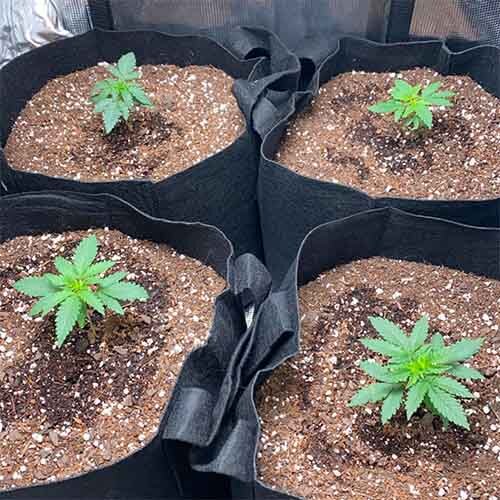
Construction:
- Made from lightweight, breathable fabric, similar to fabric pots but typically more flexible.
- Often feature handles for easier transportation.
Benefits:
- Portability: Even with dirt and plants inside, it remains lightweight and portable.
- Root Health: Promote air pruning and good aeration, similar to fabric pots.
- Storage: Can be folded and stored compactly when not in use.
Drawbacks:
- Water Retention: May dry out quickly, requiring more frequent watering.
- Durability: Can wear out over time, especially with exposure to the elements.
- Support: May need additional support structures for taller or heavier plants.
Considerations:
- Watering Schedule: Monitor soil moisture and adjust watering frequency as needed.
- Durability Checks: Regularly inspect for wear and tear, especially at the handles and seams.
- Support Systems: Use stakes or cages to support larger plants.
11. Hydroponic Containers
Construction:
- Specialized containers designed for hydroponic growing systems, often made from plastic or other durable materials.
- Includes components such as reservoirs, net pots, and aeration systems.
Benefits:
- Water Efficiency: Uses a nutrient-rich water solution, reducing the need for soil and conserving water.
- Growth Rate: Can accelerate plant growth and increase yields due to optimized nutrient delivery.
- Space Efficiency: Allows for denser planting and can be adapted to vertical growing systems.
Drawbacks:
- Complexity: Requires more technical knowledge and equipment compared to traditional soil growing.
- Cost: Initial setup can be expensive due to the need for pumps, timers, and other hydroponic equipment.
- Maintenance: Needs regular monitoring and maintenance to prevent issues like algae growth and nutrient imbalances.
Considerations:
- Technical Knowledge: Familiarize yourself with hydroponic systems and maintenance requirements.
- Equipment Investment: Be prepared for higher upfront costs for setup.
- Space Utilization: Maximize space with vertical setups or compact systems.
Conclusion
The choice of pot for growing medical cannabis is not just a matter of preference but a crucial decision that can significantly influence the health, growth, and yield of the plants. There are many different kinds of pots available, and each has its own advantages and disadvantages.This detailed conclusion summarizes the key points for each type of pot, emphasizing their specific advantages and disadvantages, and providing guidance on their ideal use scenarios.
Plastic Pots
Summary: Plastic pots are widely used due to their affordability, durability, and lightweight nature. They are ideal for growers on a budget and those who need to move their plants frequently.
Key Points:
- Advantages: Cost-effective, lightweight, durable.
- Disadvantages: Potential for poor drainage, heat retention, environmental concerns.
Ideal Use: Best for indoor growing setups where temperature and watering can be closely controlled. Suitable for growers who require a large number of pots and need an economical option.
Fabric Pots (Smart Pots)
Summary: Fabric pots are excellent for promoting root health through superior aeration and air pruning. They are particularly beneficial for growers who prioritize a robust root system and are willing to water more frequently.
Key Points:
- Advantages: Improved aeration, air pruning, temperature regulation.
- Disadvantages: Requires more frequent watering, less durable, higher cost.
Ideal Use: Ideal for both indoor and outdoor growing. Suitable for growers focused on maximizing root health and plant yield.
Clay (Terracotta) Pots
Summary: Clay pots offer a natural, porous option that provides good aeration but requires frequent watering. Although they have a beautiful appearance, they can be delicate and hefty.
Key Points:
- Advantages: Porous, good aeration, natural look.
- Disadvantages: Frequent watering needed, fragile, heavy.
Ideal Use: Suitable for outdoor growing or indoor setups with a natural aesthetic. Best for growers who can manage frequent watering and handle the weight of the pots.
Ceramic Pots
Summary: Ceramic pots provide a stylish and moisture-retentive option but can be heavy and expensive. They are ideal for growers who prioritize aesthetics and less frequent watering.
Key Points:
- Advantages: Aesthetic variety, good water retention, durability.
- Disadvantages: Heavy, costly, potential for poor drainage.
Ideal Use: Best for indoor growing environments where aesthetics are important. Suitable for growers who prefer less frequent watering but can manage the weight and cost.
Air Pots
Summary: Air pots promote excellent root health through enhanced aeration and air pruning. They are more expensive but are ideal for experienced growers looking to maximize plant health and yield.
Key Points:
- Advantages: Enhanced aeration, air pruning, growth stimulation.
- Disadvantages: High cost, frequent watering needed, learning curve.
Ideal Use: Excellent for both indoor and outdoor growing. Ideal for experienced growers focused on optimizing root health and plant yield.
Self-Watering Pots
Summary: Self-watering pots are convenient and water-efficient, making them ideal for growers who cannot water frequently. They ensure consistent moisture levels, beneficial for steady plant hydration.
Key Points:
- Advantages: Water-efficient, consistent moisture, convenient.
- Disadvantages: High cost, regular maintenance needed, complexity.
Ideal Use: Ideal for indoor growing and for growers who may not have the time for frequent watering. Suitable for those who want to ensure consistent moisture levels for their plants.
Hemp Fiber Pots
Summary: Hemp fiber pots are sustainable and promote good root health. They are biodegradable and suitable for eco-conscious growers but may require more frequent replacement.
Key Points:
- Advantages: Sustainable, good aeration, organic.
- Disadvantages: Less durable, frequent watering needed, higher cost.
Ideal Use: Best for environmentally conscious growers and those practicing organic cultivation. Suitable for both indoor and outdoor growing with frequent watering.
Metal Pots
Summary: Metal pots are durable and provide good insulation in cooler climates. However, they can overheat in direct sunlight and are heavy, making them less versatile.
Key Points:
- Advantages: Durable, insulating, aesthetic appeal.
- Disadvantages: Heat retention in sunlight, heavy, expensive.
Ideal Use: Best for indoor growing environments where temperature can be controlled. Suitable for outdoor growing in cooler climates or shaded areas to avoid excessive heat.
Wooden Pots
Summary: Wooden pots offer a rustic, natural aesthetic and good insulation. They can be a strong and appealing alternative, but they need to be maintained frequently to avoid decay and pests.
Key Points:
- Advantages: Natural look, good insulation, durable.
- Disadvantages: Maintenance needed, heavy, costly.
Ideal Use: Suitable for outdoor growing and for growers who prefer a natural look. Best for environments where the added insulation can benefit the plants.
Grow Bags
Summary: Grow bags are portable, easy to store, and promote good root health. They may require support for larger plants and frequent watering but are convenient for many growing situations.
Key Points:
- Advantages: Portable, good aeration, easy to store.
- Disadvantages: Frequent watering needed, durability concerns, support needed.
Ideal Use: Ideal for both indoor and outdoor growing. Suitable for growers who prioritize portability and storage convenience.
Hydroponic Containers
Summary: Hydroponic containers are designed for water-efficient, soil-less growing systems that can accelerate plant growth and increase yields. They require technical knowledge and a higher initial investment.
Key Points:
- Advantages: Water-efficient, faster growth, space-efficient.
- Disadvantages: Complex, costly, maintenance-intensive.
Ideal Use: Best for experienced growers looking to maximize yields and efficiency. Ideal for small-space indoor growth situations.
Final Considerations
When selecting a pot for growing medical cannabis, it is essential to consider the following factors:
- Grow Environment: Indoor or outdoor, climate conditions, and available space.
- Plant Needs: Specific requirements for root health, water retention, and temperature regulation.
- Grower Preferences: Budget, aesthetic preferences, and willingness to manage watering and maintenance routines.
- Sustainability: Consider the environmental impact and sustainability of the materials used.
By carefully evaluating these factors and understanding the specific benefits and challenges of each pot type, growers can make an informed decision that aligns with their goals and ensures the optimal growth and health of their medical cannabis plants.
