Table of Contents
Tuna Kush is an intriguing cannabis strain that has captured the attention of both recreational users and medical patients. Known for its potent effects and unique aroma, Tuna Kush is often described as a connoisseur’s strain. This document provides an in-depth exploration of Tuna Kush, including its origins, properties, scientific profile, and its specific medical and recreational applications.
Origin and Genetics
Tuna Kush is an indica-dominant hybrid with a mysterious lineage. While its exact genetic background is unclear, it is believed to be a phenotype of the legendary Hindu Kush strain, which originates from the mountainous region between Afghanistan and Pakistan. Hindu Kush is renowned for its resilience, potency, and strong indica effects, traits that Tuna Kush inherits and enhances.
The name “Tuna Kush” may stem from its distinctive, pungent aroma, which some liken to canned tuna. This peculiar scent is a hallmark of the strain and often divides opinion among users, but it is also indicative of the strain’s high terpene content.
Appearance
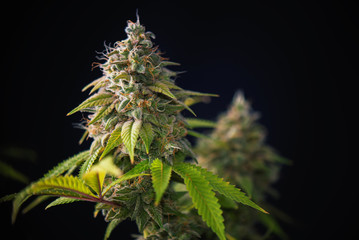
Tuna Kush is visually striking. The buds are dense, medium-sized, and coated with a generous layer of trichomes, giving them a frosty appearance. The color palette is a mix of deep greens with hints of purple and orange pistils, adding to its aesthetic appeal. The resinous nature of the buds makes them sticky to the touch, a testament to the strain’s high THC content.
Aroma and Flavor
One of Tuna Kush’s most distinctive qualities is its scent. It emits a strong, skunky smell with a pronounced earthy and fishy undertone, reminiscent of tuna. For some, this aroma is off-putting, while others find it uniquely appealing. When smoked or vaporized, the flavor profile includes notes of earthiness, spice, and a subtle sweetness that balances the pungent aroma.
Cannabinoid Profile
Tuna Kush is renowned for its high THC levels, which typically range between 18% and 25%, depending on cultivation practices. This potency makes it a powerful strain suited for experienced users. The CBD content is generally low, usually less than 1%, which means the effects are predominantly driven by THC and terpenes.
Key Cannabinoids:
- THC: 18% – 25%
- CBD: <1%
- CBG: Trace amounts (usually <1%)
Terpene Profile
Terpenes are the aromatic compounds in cannabis that contribute to its scent, flavor, and effects. Tuna Kush has a complex terpene profile dominated by:
- Myrcene: Known for its sedative properties, myrcene contributes to the strain’s relaxing effects and earthy aroma.
- Caryophyllene: This spicy terpene has anti-inflammatory and pain-relieving properties.
- Limonene: Adds a hint of citrus and contributes to mood elevation and stress relief.
- Humulene: Known for its earthy and woody aroma, humulene has appetite-suppressing properties.
- Linalool: Provides a floral scent and is associated with calming and anti-anxiety effects.
Effects and Potency
Tuna Kush is a highly potent indica-dominant strain that delivers a range of effects. Due to its high THC content, the effects are fast-acting and long-lasting, making it ideal for evening or nighttime use.
Immediate Effects:
- Euphoria: Users often report an initial wave of happiness and mental upliftment.
- Relaxation: The strain’s indica dominance becomes evident as a deep sense of relaxation washes over the body.
Later Effects:
- Sedation: With continued use, the strain’s effects intensify, leading to couch-lock and eventual sleepiness.
- Hunger: A strong case of the munchies is common, making Tuna Kush suitable for appetite stimulation.
Medical Uses
Tuna Kush is highly regarded in the medical cannabis community for its therapeutic properties. Its combination of high THC levels and specific terpenes makes it effective for managing a variety of conditions.
Pain Management:
The potent analgesic properties of Tuna Kush make it a popular choice for individuals dealing with chronic pain conditions such as:
- Arthritis
- Fibromyalgia
- Migraines
- Muscle spasms
Insomnia:
Due to its sedative effects, Tuna Kush is often used as a natural remedy for insomnia. The strain’s ability to relax both the mind and body helps users achieve restful sleep.
Stress and Anxiety:
The euphoric and calming effects of Tuna Kush are beneficial for reducing stress and anxiety. However, due to its high THC content, it may not be suitable for individuals with a low THC tolerance or those prone to anxiety from cannabis use.
Appetite Stimulation:
Tuna Kush is effective in combating appetite loss, a common side effect of various medical treatments such as chemotherapy. It stimulates hunger and can help individuals maintain proper nutrition.
Nausea:
The antiemetic properties of Tuna Kush make it helpful for individuals suffering from nausea, whether from medical treatments or gastrointestinal issues.
Recreational Uses
Tuna Kush is equally popular among recreational users. Its potent effects and unique aroma make it a sought-after strain for those seeking relaxation and stress relief.
Relaxation and Unwinding:
After a long day, Tuna Kush is the perfect way to relax. Its deeply relaxing effects help users disconnect from stress and tension, making it perfect for recreational pursuits like listening to music or viewing films.
Social Settings:
While primarily relaxing, the initial euphoric effects of Tuna Kush can make it a good choice for small social gatherings. Users often report feeling more at ease and conversational before the sedative effects fully set in.
Creative Pursuits:
Some users find that the mental upliftment provided by Tuna Kush sparks creativity, making it suitable for artistic activities like painting or writing.

Cultivation of Tuna Kush
Cultivating Tuna Kush requires a balance of knowledge, precision, and attention to detail. Its unique traits, including its pungent aroma and indica-dominant genetics, demand specific growing conditions for optimal yields and potency. Below is a detailed breakdown of Tuna Kush’s cultivation methods and the scientific principles behind them.
1. Genetics and Growth Characteristics
Tuna Kush is an indica-dominant hybrid, which influences its growth pattern:
- Plant Height: Short to medium stature with a bushy structure typical of indica strains.
- Flowering Time: 7-9 weeks, depending on environmental conditions.
- Yield: Moderate to high, with resin-dense buds.
- Resilience: Strong resistance to pests and diseases, inherited from its Hindu Kush lineage, though sensitive to humidity due to its dense flowers.
2. Optimal Growing Conditions
Climate
- Tuna Kush thrives in a controlled climate with consistent temperature and humidity levels:
- Temperature: 70-80°F (21-27°C) during the day and 10°F (6°C) cooler at night.
- Humidity: 40-50% during vegetative growth and 30-40% during flowering to prevent mold and mildew.
- Lighting: Requires high-intensity lighting (e.g., HPS or LED lights) during indoor cultivation. Outdoor cultivation is ideal in sunny, Mediterranean-like climates.
Soil vs. Hydroponics
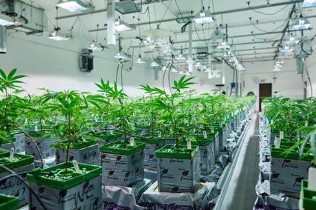
- Soil Cultivation:
- Preferred for its simplicity and natural flavor enhancement.
- Use nutrient-rich, well-draining soil with added perlite or coco coir for aeration.
- Optimal pH: 6.0-6.5.
- Hydroponics:
- Provides precise nutrient delivery and faster growth.
- Recommended pH: 5.5-6.0.
- Requires constant monitoring of nutrient solutions and pH levels.
3. Growth Phases
Germination
- Temperature: 70-75°F (21-24°C).
- Humidity: High (70-80%) to encourage sprouting.
- Light: Minimal light exposure during germination.
- Use damp paper towels or seedling trays with starter plugs for optimal germination rates.
Vegetative Stage
- Tuna Kush exhibits vigorous vegetative growth:
- Light Cycle: 18-24 hours of light daily.
- Nutrients: High nitrogen content to support foliage development.
- Humidity: 50-70%.
- Training: Low-Stress Training (LST) or topping helps maximize yield and light penetration by controlling the bushy growth pattern.
Flowering Stage
- Tuna Kush transitions into flowering when exposed to a 12/12 light cycle (12 hours of light and 12 hours of darkness).
- Key Requirements:
- Temperature: 65-75°F (18-24°C) to enhance trichome production.
- Humidity: 30-40% to prevent mold.
- Nutrients: High phosphorus and potassium levels to support bud formation.
- Odor Control: The strain pungent aroma necessitates carbon filters or proper ventilation during this stage.
4. Nutrient Management
Macronutrients
- Nitrogen (N): Critical during the vegetative stage for chlorophyll production and foliage growth.
- Phosphorus (P): Essential during flowering for root development and bud formation.
- Potassium (K): Vital for overall plant health, water regulation, and terpene production.
Micronutrients
- Zinc, manganese, and magnesium are required in trace amounts to support enzymatic functions and chlorophyll synthesis.
Organic vs. Synthetic Nutrients
- Organic Nutrients: Enhance flavor and terpene profiles. Examples include compost tea, bone meal, and fish emulsion.
- Synthetic Nutrients: Provide precise control over nutrient delivery and faster absorption.
5. Terpene Preservation
The cultivation environment significantly impacts Tuna Kush terpene profile:
- Temperature Control: Avoid excessive heat (>80°F/27°C) during flowering to prevent terpene degradation.
- Drying and Curing:
- Drying temperature: 60-70°F (15-21°C) with 50-60% humidity for 7-10 days.
- Curing: Store buds in airtight containers at 60-65% humidity for 2-4 weeks to enhance flavor and potency.
6. Integrated Pest Management (IPM)
While Tuna Kush is resilient, it can still attract pests and diseases. Implementing IPM strategies ensures healthy plants:
- Preventative Measures:
- Maintain cleanliness in grow spaces.
- Use neem oil or insecticidal soap as natural repellents.
- Common Pests: Aphids, whiteflies, and spider mites.
- Disease Prevention: Proper air circulation and humidity control prevent mold and mildew.
7. Yield Optimization
Pruning and Training
- Remove lower leaves and small buds (lollipopping) to focus energy on primary colas.
- Apply Screen of Green (ScrOG) or Sea of Green (SOG) methods to maximize light exposure and space efficiency.
Environmental Monitoring
- Invest in environmental control systems to automate temperature, humidity, and light cycles.
- Regularly monitor soil or nutrient solution pH and electrical conductivity (EC) to maintain optimal growing conditions.
Harvest Timing
- Harvest Tuna Kush when trichomes transition from clear to cloudy with some amber hues, indicating peak THC content.
- Late harvesting enhances sedative effects, while early harvesting preserves uplifting properties.
8. Scientific Insights on Resin Production
- The dense, resinous buds of Tuna Kush are attributed to its high THC content and indica genetics.
- Environmental stressors, such as slightly cooler temperatures during late flowering, can enhance resin and terpene production.
- UV-B light supplementation has been shown in studies to boost trichome density and cannabinoid levels, a technique some advanced growers use.
9. Post-Harvest Processing
- Drying: Ensures proper moisture removal to prevent mold while preserving cannabinoids and terpenes.
- Curing: Gradual moisture release and oxygen exposure during curing enhances flavor, aroma, and smoothness.
- Storage: Use airtight, UV-protected containers to maintain potency and freshness over time.
Methods of Ingestion for Tuna Kush
Tuna Kush, like other cannabis strains, can be consumed using various methods. Each method has unique onset times, durations, and intensity of effects.
1. Smoking
- Description: The most traditional method, involving combustion of dried flower in joints, pipes, or bongs.
- Onset: 1-5 minutes.
- Duration: 1.5-3 hours.
- Effects: Immediate, strong effects that taper off gradually. Smoking delivers the full terpene and cannabinoid profile, offering the classic euphoric and relaxing sensations associated with Tuna Kush.
- Advantages: Easy to dose incrementally.
- Disadvantages: May irritate lungs due to combustion byproducts.
2. Vaporization
- Description: Heating cannabis to a temperature where cannabinoids and terpenes vaporize, avoiding combustion.
- Onset: 1-5 minutes.
- Duration: 1.5-3 hours.
- Effects: Clean, clear, and potent. Users report better flavor profiles and less irritation compared to smoking.
- Advantages: Less harmful than smoking; preserves terpene profiles.
- Disadvantages: Requires a vaporizer device.
3. Edibles
- Description: Cannabis-infused foods or beverages containing extracted cannabinoids.
- Onset: 30-90 minutes.
- Duration: 4–8 hours, and some aftereffects may linger for up to 12 hours.
- Effects: Strong body-centric effects, including intense relaxation and sedation. The delayed onset can make dosing challenging for inexperienced users.
- Advantages: Discreet, long-lasting, and no respiratory irritation.
- Disadvantages: Difficult to dose; effects can be overwhelming if overconsumed.
4. Tinctures and Sublinguals
- Description: Liquid cannabis extracts applied under the tongue or mixed with beverages.
- Onset: 15-30 minutes (sublingual); 30-90 minutes (oral ingestion).
- Duration: 4-6 hours.
- Effects: Balanced, with a faster onset compared to edibles but longer-lasting than smoking or vaping. The effects lean toward relaxation and mild euphoria.
- Advantages: Precise dosing, discreet, and less harmful to the lungs.
- Disadvantages: Slower onset compared to inhalation methods.
5. Topicals
- Description: Cannabis-infused creams, balms, or oils applied to the skin.
- Onset: 15-30 minutes.
- Duration: 2-6 hours (localized effects).
- Effects: Non-psychoactive. Tuna Kush topicals are used for localized pain relief, inflammation reduction, and muscle relaxation.
- Advantages: Safe for non-psychoactive use.
- Disadvantages: Limited to localized effects; no systemic psychoactive experience.
Onset, Duration, and Intensity of Effects
Inhalation (Smoking and Vaporization):
- Onset: Almost immediate due to rapid absorption of THC and terpenes through the lungs into the bloodstream.
- Peak: 15-30 minutes.
- Duration: 1.5-3 hours.
- Intensity: High potency with rapid delivery; the effects are often sharper and more pronounced compared to other methods.
Ingestion (Edibles and Tinctures):
- Onset: Slower onset due to metabolization in the liver, where THC converts into 11-hydroxy-THC, a more potent metabolite.
- Peak: 2-4 hours after consumption.
- Duration: 4-8 hours, with effects sometimes persisting up to 12 hours.
- Intensity: More profound, especially in body effects like relaxation and sedation.
Topicals:
- Onset: Effects are localized and generally non-psychoactive, with no systemic THC absorption.
- Duration: Varies based on product potency and use, typically lasting 2-6 hours.
- Intensity: Mild and specific to the application area, focused on anti-inflammatory and pain-relieving properties.
Effects: Detailed Breakdown
Psychoactive Effects
- Euphoria: Rapid uplift in mood during the onset phase, attributed to THC’s interaction with CB1 receptors in the brain.
- Relaxation: Indica-dominant effects lead to muscle relaxation and stress relief.
- Sedation: Ideal for evening use; the cumulative effects result in drowsiness and eventual sleep.
Physical Effects
- Pain Relief: Tuna Kush’s potent THC content and caryophyllene terpene provide significant analgesic properties.
- Anti-Inflammatory: The terpenes (like myrcene and caryophyllene) contribute to reduced inflammation.
- Hunger Stimulation: Commonly known as “the munchies,” triggered by THC activation of ghrelin, a hunger hormone.
Medical Effects
- Stress and Anxiety Reduction: Tuna Kush= euphoric and relaxing effects help alleviate mental tension, although high doses might induce anxiety in sensitive users.
- Sleep Induction: Its sedative qualities make it one of the most effective strains for combating insomnia.
- Muscle Relaxation: Helps with conditions like spasms or tension disorders.
Potential Risks
- Dry Mouth and Eyes: Common with high-THC strains due to reduced salivary secretion.
- Dizziness: Possible in users with low THC tolerance or dehydration.
- Anxiety or Paranoia: May occur in sensitive individuals or with overconsumption, especially via edibles.
Scientific Explanation of Onset and Duration
- Smoking and Vaping: THC and terpenes are rapidly absorbed via the alveoli in the lungs and transported directly to the bloodstream. This bypasses the liver, resulting in faster onset but shorter duration.
- Edibles: THC is metabolized by the liver into 11-hydroxy-THC, which is more potent and has a longer half-life, explaining the delayed onset and prolonged effects.
- Sublinguals: THC absorbs directly into the bloodstream through sublingual glands, bypassing first-pass metabolism, leading to a faster onset than edibles but a shorter duration.
- Topicals: The cannabinoids bind to CB2 receptors in the skin but do not enter the bloodstream in significant amounts, explaining the localized, non-psychoactive effects.
Scientific Insights
THC’s Role:
The high THC content in Tuna Kush interacts with the endocannabinoid system, particularly the CB1 receptors in the brain. This interaction leads to the psychoactive effects and contributes to pain relief, mood elevation, and appetite stimulation.
Terpenes and the Entourage Effect:
The combination of terpenes in Tuna Kush enhances its effects through the entourage effect. For instance, myrcene’s sedative properties complement THC’s relaxing effects, while caryophyllene’s anti-inflammatory benefits add therapeutic value.
Potential Risks:
While Tuna Kush offers numerous benefits, its high THC levels may cause side effects such as:
- Dry mouth and eyes
- Dizziness
- Anxiety or paranoia in sensitive users
Conclusion
Tuna Kush is a remarkable cannabis strain that stands out for its unique aroma, potent effects, and versatile applications. Whether used for medical relief or recreational enjoyment, it offers a deeply relaxing experiencethat a broad spectrum of users will find appealing. It is best suited for seasoned users or those looking for potent therapeutic effects, though, because of its potency.
For growers, Tuna Kush provides a rewarding challenge, yielding resinous, potent buds when cultivated under optimal conditions. Its rich terpene profile and high THC content make it a valuable addition to any cannabis collection.
In summary, Tuna Kush embodies the best traits of an indica-dominant strain: relaxation, pain relief, and a touch of euphoria, all wrapped in a uniquely pungent package.
For a complete directory of cultivars, visit our Cannabis Strain Reviews.
