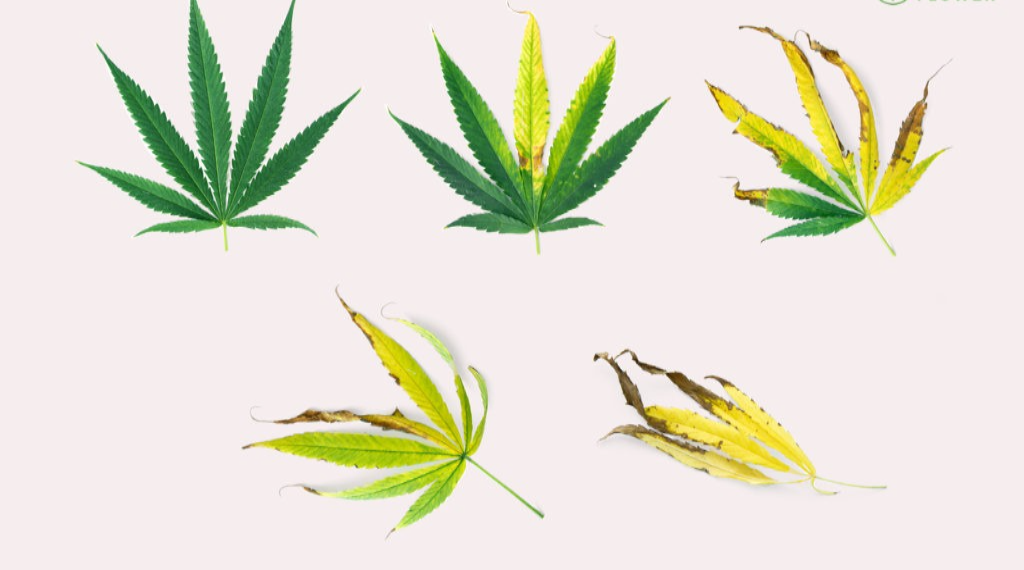
Troubleshooting Common Medical Cannabis Plant Problems
Growing medical cannabis can be a rewarding endeavor, but it comes with its own set of challenges. To ensure a successful harvest, it’s crucial to identify and address problems promptly. Here, we’ll cover some of the most common issues faced by cannabis growers and how to troubleshoot them effectively.
1. Nutrient Deficiencies and Toxicities
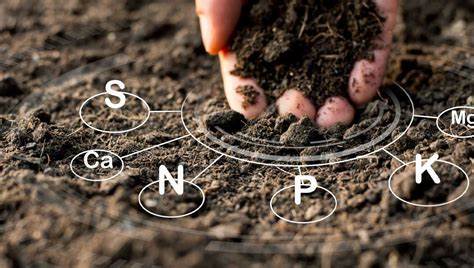
Cannabis plants need a well-balanced diet of nutrients in order to flourish. The main nutrients are nitrogen (N), phosphorus (P), and potassium (K), although trace elements like iron (Fe), manganese (Mn), zinc (Zn), and copper (Cu) are also important. Secondary nutrients include calcium (Ca), magnesium (Mg), and sulfur (S). Deficiencies or excesses in these nutrients can cause various symptoms.
Nitrogen (N) Deficiency
- Symptoms: Yellowing of lower leaves, stunted growth.
- Solution: Use a nitrogen-rich fertilizer and ensure the soil pH is between 6.0 and 7.0 for soil grows or 5.5 to 6.5 for hydroponics.
Phosphorus (P) Deficiency
- Symptoms: Dark, dull green leaves, purple or red stems, slow growth.
- Solution: Add a phosphorus-rich fertilizer and ensure the soil pH is within the optimal range.
Potassium (K) Deficiency
- Symptoms: Sluggish growth, weakened stems, and yellowing and browning of the leaf margins.
- Solution: Apply a potassium-rich fertilizer and maintain proper pH levels.
Calcium (Ca) Deficiency
- Symptoms: New growth is distorted or developing spots, slow growth.
- Solution: Use a calcium supplement and check soil pH.
Magnesium (Mg) Deficiency
- Symptoms: Yellowing between veins of older leaves, leaf curling.
- Solution: Add a magnesium supplement like Epsom salts and ensure correct pH.
Sulfur (S) Deficiency
- Symptoms: Yellowing of new growth, overall pale color.
- Solution: Incorporate sulfur-containing fertilizers and adjust pH as necessary.
Micronutrient Deficiencies
- Symptoms: Various symptoms including chlorosis (yellowing), necrosis (dead spots), and poor growth.
- Solution: Use a micronutrient supplement and maintain proper soil pH.
2. Watering Issues
Both overwatering and underwatering can stress cannabis plants, leading to a host of problems.
Overwatering
- Symptoms: Drooping leaves, root rot, yellowing leaves.
- Solution: Make sure pots have enough drainage holes, enhance drainage, and let the soil dry out in between waterings.
Underwatering
- Symptoms: Wilting leaves, dry soil, slow growth.
- Solution: Water the plants thoroughly and consistently, ensuring the soil stays moist but not waterlogged.
3. pH Imbalance
The pH level of your growing medium affects nutrient uptake. Cannabis prefers slightly acidic conditions.
Incorrect pH Levels
- Symptoms: Nutrient deficiencies, stunted growth, leaf discoloration.
- Solution: Regularly check and adjust the pH of your soil or hydroponic solution. For soil, aim for a pH of 6.0 to 7.0. For hydroponics, aim for 5.5 to 6.5.
4. Pests
Aphids, fungus gnats, spider mites, and whiteflies are among the common pests that harm cannabis plants.
Spider Mites
- Description: Tiny arachnids that are difficult to see with the naked eye. They do well in warm, dry climates.
- Symptoms: Fine webbing under leaves, tiny yellow or white speckles on leaves, and general leaf discoloration.
- Prevention and Management:
- Increase humidity and lower temperatures to create an unfavorable environment for spider mites.
- Use predatory insects like ladybugs and predatory mites.
- Apply insecticidal soaps or neem oil.
Aphids
- Description: Insects, small and soft-bodied, with colors ranging from pink to black to green. They cluster on the underside of leaves and stems.
- Symptoms: Curling or yellowing leaves, sticky honeydew secretion, and sooty mold growth.
- Prevention and Management:
- Introduce helpful insects like lacewings and ladybugs.
- Use neem oil, insecticidal soap, or a strong stream of water to dislodge aphids.
- Apply horticultural oils to smother aphids.
Whiteflies
- Description: Small, white, moth-like insects that fly away when the plant is disturbed.
- Symptoms: Yellowing leaves, sticky honeydew on leaves, and sooty mold.
- Prevention and Management:
- Adolescent whiteflies can be caught using yellow sticky traps.
- Bring in natural predators such as the parasitic wasp Encarsia formosa.
- Apply neem oil or insecticidal soap on plants.
Fungus Gnats
- Description: Small, dark flies that lay eggs in moist soil. Their larvae consume plant roots and organic materials as food.
- Symptoms: Wilting plants, yellowing leaves, and stunted growth due to root damage.
- Prevention and Management:
- To discourage the hatching of eggs, let the top layer of soil dry out in between waterings.
- Adolescent gnats can be caught with sticky traps.
- Apply beneficial nematodes or Bacillus thuringiensis (Bt) to the soil to target larvae.
Thrips
- Description: Adolescent gnats can be caught with sticky traps. They feed on plant sap.
- Symptoms: Silvery or bronze streaks on leaves, distorted growth, and black fecal spots.
- Prevention and Management:
- To keep an eye out for and catch thrips, use blue sticky traps.
- Introduce natural predators like predatory mites and pirate bugs.
- Apply insecticidal soap or spinosad-based products.
Caterpillars
- Description: Larvae of moths and butterflies that feed on cannabis leaves and buds.
- Symptoms: Chewed leaves, holes in leaves, and frass (caterpillar droppings).
- Prevention and Management:
- Inspect plants regularly for eggs and larvae.
- Remove caterpillars from plants by hand-picking them.
- Use Bacillus thuringiensis (Bt) or spinosad-based products as biological control agents.
Broad Mites
- Description: Microscopic mites that are challenging to see without magnification. They prefer warm, humid conditions.
- Symptoms: Distorted, blistered, or curled leaves, stunted growth, and russet-colored damage on leaves.
- Prevention and Management:
- Reduce humidity and increase air circulation.
- Apply sulfur-based sprays or miticides specifically labeled for broad mites.
- Introduce predatory mites like Amblyseius swirskii.
Root Aphids
- Description: Small aphids that feed on plant roots. They are often mistaken for fungus gnats.
- Symptoms: Wilting plants, yellowing leaves, poor nutrient uptake, and root damage.
- Prevention and Management:
- Use sticky traps to monitor for flying root aphids.
- Apply beneficial nematodes or predatory beetles to the soil.
- Treat soil with insecticidal soap or neem oil drench.
5. Diseases
Common Cannabis Plant Diseases
- Powdery Mildew
- Description: The fungus known as powdery mildew causes a white, powdery substance to develop on cannabis plants’ leaves, stems, and buds.
- Symptoms: White, powdery spots on the upper surface of leaves and stems, which can spread to buds.
- Prevention and Management:
- Make sure there is enough airflow, and keep the humidity low.
- Avoid overcrowding plants to reduce the risk of infection.
- Apply sulfur-based fungicides or potassium bicarbonate sprays.
- Infected plant portions should be removed and destroyed to stop the disease from spreading.
- Botrytis (Bud Rot)
- Description: Botrytis cinerea, commonly known as bud rot, is a fungal disease that primarily affects cannabis buds.
- Symptoms: Grayish-brown mold on buds, browning and wilting of flowers, and a musty smell.
- Prevention and Management:
- Maintain low humidity and good air circulation around plants.
- Avoid wetting the buds when watering.
- Remove and destroy affected buds immediately.
- Use fungicides approved for botrytis control, such as copper-based fungicides or biological controls like Trichoderma species.
- Root Rot
- Description: Root rot is caused by various pathogens, including Pythium, Fusarium, and Rhizoctonia, leading to the decay of roots.
- Symptoms: Brown, slimy roots, yellowing and wilting leaves, and stunted growth.
- Prevention and Management:
- Ensure proper drainage and avoid overwatering.
- Use well-aerated soil and consider adding beneficial mycorrhizae to the soil.
- Apply biological fungicides like Bacillus subtilis or Trichoderma harzianum.
- Maintain clean growing conditions and sterilize tools and equipment.
- Leaf Septoria (Yellow Leaf Spot)
- Description: Leaf septoria, caused by the fungus Septoria lycopersici, affects the foliage of cannabis plants.
- Symptoms: Yellow or brown spots on lower leaves, which can lead to premature leaf drop.
- Prevention and Management:
- Avoid overhead watering to keep foliage dry.
- To stop the disease from spreading, remove and destroy any affected leaves.
- Apply fungicides containing copper or neem oil.
- Maintain proper plant spacing and air circulation.
- Fusarium Wilt
- Description: Fusarium wilt is a soil-borne fungal disease caused by Fusarium oxysporum, leading to wilting and yellowing of cannabis plants.
- Symptoms: Yellowing and wilting of lower leaves, brown streaks on stems, and stunted growth.
- Prevention and Management:
- Use resistant cannabis strains if available.
- Plant cannabis in different soil each year; instead, rotate your crops.
- Improve soil drainage and avoid overwatering.
- Apply beneficial soil microbes and fungicides containing Trichoderma.
- Downy Mildew
- Description: Downy mildew is a fungal disease caused by Peronospora species, which appears as downy growth on the underside of leaves.
- Symptoms: Yellow or pale green spots on upper leaf surfaces, with white or grayish downy growth on the underside of leaves.
- Prevention and Management:
- Maintain low humidity and ensure good air circulation.
- Avoid overhead watering and keep foliage dry.
- Apply fungicides containing copper or potassium bicarbonate.
- Remove and destroy infected plant parts.
- Anthracnose
- Description: Anthracnose is a fungal disease caused by Colletotrichum species, affecting leaves, stems, and buds.
- Symptoms: Dark, sunken lesions on leaves, stems, and buds, leading to dieback and defoliation.
- Prevention and Management:
- Make sure there is adequate airflow, and keep plants from becoming crowded.
- Apply fungicides containing copper or neem oil.
- Remove and destroy infected plant parts.
- Steer clear of moist plants if you want to stop spores from spreading.
- Verticillium Wilt
- Description: Verticillium wilt is caused by the soil-borne fungus Verticillium dahliae, leading to wilting and yellowing of plants.
- Symptoms: stunted growth, vascular discolouration, and leaf yellowing and withering.
- Prevention and Management:
- Use resistant cannabis strains if available.
- Plant cannabis in different soil each year; instead, rotate your crops.
- Improve soil drainage and avoid overwatering.
- Apply beneficial soil microbes and fungicides containing Trichoderma.
6. Environmental Stress
Cannabis plants are sensitive to their environment. Temperature, humidity, and light are critical factors.
Temperature Stress
- Symptoms: Heat stress causes leaf curling and yellowing; cold stress causes purple stems and slow growth.
- Solution: Keep the temperature throughout the day between 70–85°F (20–30°C), and at night a little bit lower.
Humidity Stress
- Symptoms: Low humidity causes leaf curling and brown edges; high humidity causes mold and mildew.
- Solution: Maintain humidity levels between 40-60% during the vegetative stage and 40-50% during flowering.
Light Stress
- Symptoms: Light burn causes bleaching of leaves; light deficiency causes stretching and weak stems.
- Solution: Maintain proper light intensity and duration. Make sure lights and plants are the proper distance apart.
7. Genetic Issues
Sometimes, problems can be traced back to the plant’s genetics.
Hermaphroditism
- Symptoms: Plants develop both male and female flowers.
- Solution: Remove hermaphroditic plants to prevent pollination.
Poor Growth
- Symptoms: Slow growth, poor yield.
- Solution: Choose high-quality, stable genetics from reputable breeders.
8. Physical Damage
Physical damage to plants can occur from mishandling or environmental factors.
Broken Branches
- Symptoms: Broken or bent stems.
- Solution: Use plant tape or splints to support broken branches and avoid unnecessary handling.
Wind Damage
- Symptoms: Bent or broken stems.
- Solution: Use plant stakes or support systems, and provide wind protection.
9. Other Issues
Nutrient Lockout
- Symptoms: Nutrient deficiencies despite adequate feeding.
- Solution: Flush the soil with pH-balanced water to remove excess salts and adjust pH.
Toxicity (Overfeeding)
- Symptoms: Leaf burn, nutrient burn (brown leaf tips).
- Solution: Reduce nutrient concentration, flush the soil with water, and monitor plant response.
Restrictions on Using Cannabis in the Medical Field as a Last Resort

The use of cannabis in the medical field, particularly when it is considered as a last resort, is subject to various restrictions and regulations across different countries and regions. These regulations are designed to ensure patient safety, prevent misuse, and address the concerns surrounding the psychoactive effects of THC (tetrahydrocannabinol), which is the primary compound responsible for the “high” associated with cannabis use. Here’s a detailed overview of these restrictions and considerations:
1. Regulatory Frameworks
United States
- Federal Law: Cannabis remains a Schedule I controlled substance under federal law, meaning it is considered to have a high potential for abuse and no accepted medical use. However, the 2018 Farm Bill legalized hemp (cannabis with less than 0.3% THC).
- State Laws: Many states have legalized medical cannabis, each with its own regulations regarding its use as a last resort. Doctors often need to certify that a patient has a qualifying condition and has not responded to other treatments.
Canada
- Federal Law: Under the Cannabis Act, medical cannabis is legal and regulated. Patients must obtain a prescription from a healthcare provider and can access cannabis through licensed producers.
- THC Limits: Medical cannabis products can vary in THC content, and healthcare providers may recommend products with low THC and high CBD (cannabidiol) for patients needing symptom relief without psychoactive effects.
European Union
- Varying Laws: EU member states have different laws regarding medical cannabis. Countries like Germany and the Netherlands have established medical cannabis programs, while others may have more restrictive policies.
- THC Content: Some countries limit the THC content in medical cannabis to minimize psychoactive effects.
2. Prescription and Access
Medical Prescription
- Criteria for Prescription: Physicians typically need to determine that all conventional treatments have been exhausted or are unsuitable before prescribing medical cannabis. This criterion is commonly known as the “last resort” standard.
- Certification and Monitoring: Doctors must be certified to prescribe medical cannabis in many regions. It is crucial to keep a close eye on how the patient is responding to the treatment.
Access to Low-THC Cannabis
- Product Availability: Patients may have access to specific cannabis strains or products designed to have very low THC content (usually less than 1%) and higher CBD levels to avoid the “high” effect.
- Formulations: These can include oils, tinctures, capsules, or topical applications. The focus is on therapeutic benefits without significant psychoactive effects.
3. Safety and Efficacy
Clinical Evidence
- Efficacy Studies: Before cannabis can be prescribed, there must be evidence supporting its efficacy for the specific condition. Studies often focus on chronic pain, epilepsy, and multiple sclerosis.
- Safety Profile: Low-THC products are considered to have a better safety profile, particularly for patients who may be sensitive to THC’s psychoactive effects.
Side Effects and Contraindications
- Monitoring Side Effects: Even low-THC cannabis can have side effects, including dizziness, dry mouth, and potential interactions with other medications. Regular follow-up is necessary.
- Contraindications: Patients with a history of psychiatric disorders, heart conditions, or those who are pregnant or breastfeeding may be advised against using cannabis, even as a last resort.
4. Ethical and Legal Considerations
Ethical Issues
- Informed Consent: Patients need to be completely aware of the advantages and disadvantages of using medical marijuana. Informed consent is crucial.
- Equity in Access: Ensuring that all patients who could benefit from medical cannabis have access to it, regardless of socioeconomic status, is an ethical concern.
Legal Restrictions
- Regulatory Approval: Medical cannabis products must often undergo rigorous testing and approval processes to ensure they meet safety and efficacy standards.
- Possession Limits: There are often strict limits on the amount of medical cannabis a patient can possess at any given time.
Case Studies and Examples
Germany
- Medical Program: Patients must have a prescription from a certified physician and can obtain medical cannabis from pharmacies. The law requires that cannabis be used only when other treatments have failed.
- THC Regulation: Specific low-THC, high-CBD products are available for patients who need therapeutic benefits without psychoactive effects.
Australia
- Regulation: The Therapeutic Goods Administration (TGA) regulates medical cannabis. Doctors must demonstrate that patients have not responded to other treatments.
- Product Approval: Only products approved by the TGA can be prescribed, ensuring they meet safety and efficacy standards.
United Kingdom
- NHS Prescriptions: Medical cannabis can be prescribed through the National Health Service (NHS) for specific conditions when other treatments have failed.
- Low-THC Products: There is an emphasis on prescribing products with low THC to minimize psychoactive effects while providing therapeutic benefits.
Conclusion: Ensuring Healthy Medical Cannabis Cultivation
Cultivating medical cannabis involves meticulous attention to various factors, including nutrient management, pest and disease control, and environmental conditions. A successful harvest hinges on the grower’s ability to recognize and respond to issues promptly, ensuring the plants remain healthy and productive.
Nutrient Management
Nutrient deficiencies and toxicities can significantly impact cannabis plant health. Understanding the specific nutrient requirements and maintaining optimal pH levels are crucial. Regular monitoring and adjusting the nutrient regimen based on plant responses can prevent many common issues.
Watering Practices
Both overwatering and underwatering can lead to severe problems, including root rot and nutrient lockout. Proper watering practices, combined with ensuring good soil drainage, are fundamental to healthy plant growth.
pH Balance
For nutrients to be absorbed, the growing medium’s pH must be kept at the proper level. Regularly checking and adjusting the pH ensures that plants can absorb the nutrients they need efficiently.
Pest Management
Common pests like spider mites, aphids, whiteflies, and fungus gnats can devastate cannabis crops. Integrated Pest Management (IPM) strategies, which include cultural, physical, biological, and chemical controls, provide a sustainable approach to managing pest populations.
Disease Control
Diseases such as powdery mildew, bud rot, root rot, and various fungal infections pose significant threats to cannabis plants. Integrated Disease Management (IDM) combines prevention, early detection, and appropriate control measures to minimize disease impact. Ensuring good air circulation, maintaining clean growing conditions, and using resistant strains are key components of IDM.
Environmental Control
Temperature, humidity, and light play crucial roles in cannabis cultivation. Maintaining optimal environmental conditions tailored to the specific growth stage of the plants can prevent many stress-related issues and promote vigorous growth.
Genetic Selection
Choosing high-quality, disease-resistant cannabis strains from reputable breeders can prevent many potential problems. Understanding the genetic predisposition of your plants can help in anticipating and managing issues more effectively.
Legal and Ethical Considerations
Adhering to local regulations and ensuring ethical practices in cannabis cultivation are essential. This entails securing the appropriate permits, adhering to security procedures, and guaranteeing fair access to medical cannabis.
Integrated Approach for Optimal Health
The key to successful medical cannabis cultivation lies in an integrated approach that combines nutrient management, pest and disease control, environmental management, and genetic selection. Regular monitoring, timely interventions, and adopting best practices can lead to a bountiful and high-quality harvest.
By staying informed about the latest developments in cannabis cultivation and continuously refining their techniques, growers can ensure the production of safe and effective medical cannabis, providing essential relief to patients who rely on this powerful plant for their health and well-being.
