Table of Contents
Triple Cheese is an indica-dominant hybrid cannabis strain celebrated for its rich flavor, potent effects, and unique lineage. A creation of Barney’s Farm, this strain is a cross between Blue Cheese and Old Cheese, resulting in a potent combination that has gained popularity among both recreational and medical cannabis users. With its unique profile, Triple Cheese has carved a niche for itself in the cannabis world.
Genetics and Cultivation
Lineage
Triple Cheese boasts a prestigious lineage that blends two iconic strains:
- Blue Cheese: Known for its fruity and pungent aroma, Blue Cheese is a hybrid of Blueberry and UK Cheese. It delivers a calming, euphoric high with a sweet and creamy flavor profile.
- Old Cheese: An indica-dominant strain recognized for its musky, cheese-like aroma and sedative effects.
This genetic combination gives Triple Cheese a remarkable flavor and aroma profile while amplifying its potency.
Cultivation Information
1. Optimal Growing Environment

Temperature and Humidity
- Temperature Range: Triple Cheese thrives best in temperatures between 70-80°F (21-27°C) during the daytime and slightly cooler temperatures at night. Extreme fluctuations can stress the plants and reduce yields.
- Humidity Levels: During the vegetative stage, maintain humidity levels between 50-70%, and during the flowering stage, lower it to 40-50% to prevent mold growth on dense buds.
Light Requirements
- Indoors: Use high-intensity discharge (HID) lights or full-spectrum LEDs, ensuring a light schedule of 18-20 ,12 hours of light during flowering and 12 hours during the vegetative stage.
- Outdoors: Triple Cheese flourishes in climates with long sunny days, ideally Mediterranean or temperate zones.
2. Soil and Growing Mediums
Soil
- A slightly acidic pH of 6.0-6.5 is ideal for nutrient absorption.
- Use a soil mix rich in organic matter, such as compost, worm castings, and bat guano, to enhance microbial activity and nutrient availability.
Hydroponics
- For faster growth and larger yields, Triple Cheese can be grown hydroponically using methods such as:
- Deep Water Culture (DWC): Offers high oxygenation to roots.
- Nutrient Film Technique (NFT): Ensures efficient nutrient delivery.
3. Nutrient Management
Macronutrients
- Nitrogen (N): Crucial during the vegetative stage for leaf and stem development.
- Phosphorus (P): Essential during flowering for bud growth and resin production.
- Potassium (K): Aids in overall plant health, flower density, and stress resistance.
Micronutrients
- Incorporate calcium, magnesium, and sulfur to avoid deficiencies that can stunt growth or discolor leaves.
Feeding Schedule
- Adjust nutrient concentration based on the plant’s stage:
- Vegetative Stage: High nitrogen, moderate phosphorus, and potassium.
- Flowering Stage: Low nitrogen, high phosphorus and potassium.
4. Training Techniques
Low-Stress Training (LST)
- Bend and tie branches gently to maximize light exposure to all parts of the plant, increasing overall yield.
Screen of Green (ScrOG)
- Use a screen or net to spread out branches horizontally, optimizing light penetration and encouraging uniform bud development.
Topping and Pruning
- Topping: Cutting the main stem early in the vegetative stage encourages bushier growth.
- Pruning: Remove yellowing leaves and lower branches to direct energy towards the canopy’s top buds.
5. Flowering and Harvesting
Flowering Phase
- Duration: Triple Cheese has a relatively short flowering period of 7-9 weeks.
- Monitor trichome development for harvest readiness:
- Clear trichomes: Immature.
- Milky trichomes: Peak THC levels.
- Amber trichomes: More sedative effects due to higher CBN levels.
Harvesting
- Harvest buds during the early morning or dark phase to preserve terpene content.
- Use sharp, sterilized tools to prevent damage and contamination.
6. Post-Harvest Processes
Drying
- Hang buds upside down in a controlled environment:
- Temperature: 60-70°F (15-21°C).
- Humidity: 50-60%.
- Duration: 7-10 days or until stems snap instead of bend.
Curing
- Place dried buds in airtight glass jars, opening them daily for the first two weeks to release moisture and gases.
- Maintain a stable humidity of 58-62% using humidity packs if needed.
7. Disease and Pest Management
Common Pests
- Spider Mites: Prevent with neem oil or insecticidal soaps.
- Aphids and Thrips: Introduce beneficial insects like ladybugs or predatory mites.
- Fungus Gnats: Use sticky traps and refrain from overwatering.
Diseases
- Powdery Mildew: Ensure proper air circulation and apply organic fungicides if necessary.
- Bud Rot (Botrytis): Reduce humidity and avoid water contact with buds.
8. Enhancing Terpene Production
Light Spectrum
- Use UV-B lighting during the flowering stage to stimulate resin and terpene production.
Stress Techniques
Avoid excessive stress, as it may reduce yield and quality and proper air circulation, as the dense buds can be susceptible to mold in overly moist conditions.
Controlled light deprivation or strategic defoliation can enhance terpene synthesis.
Appearance, Aroma, and Flavor
Appearance
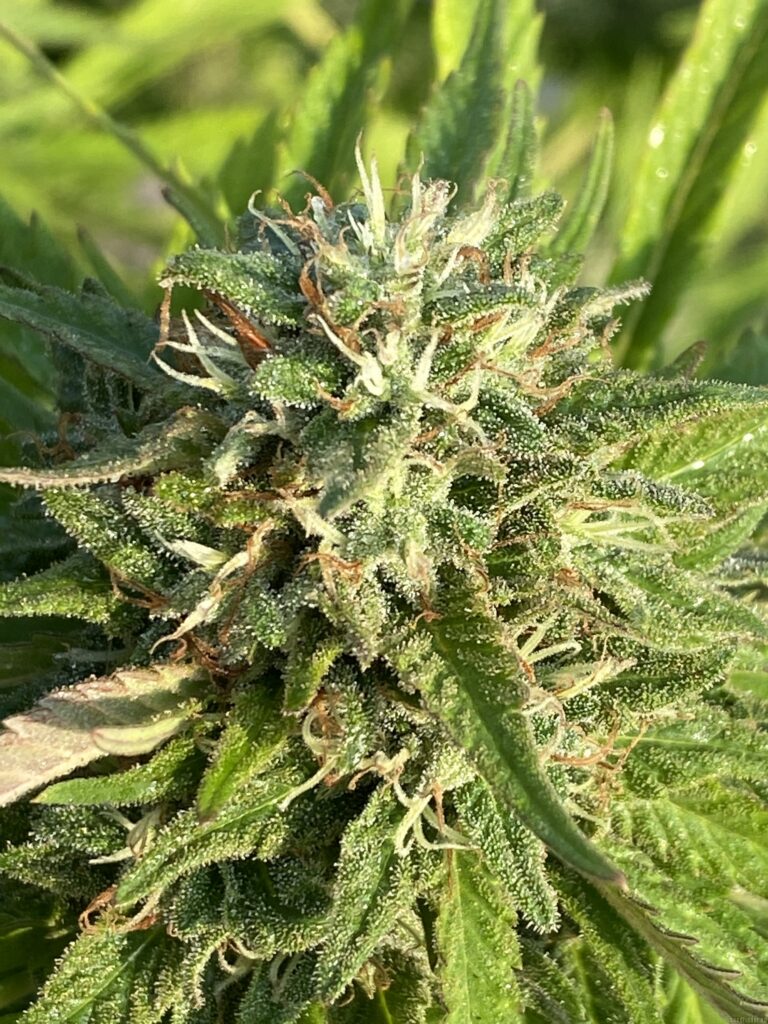
Triple Cheese produces dense, resin-coated buds with a vibrant green hue. The buds are often accented with purple tones, a feature inherited from its Blue Cheese parent. Bright orange pistils and a thick layer of trichomes further enhance its visual appeal, making it a favorite among connoisseurs.
Aroma
The aroma of Triple Cheese is both intense and unmistakable. It combines the musky, earthy scent of aged cheese with sweet undertones of blueberry and fruit. The strong scent is a testament to its terpene profile, which prominently features:
- Myrcene: Adds to its musky and earthy scent.
- Caryophyllene: Adds a spicy, peppery note.
- Limonene: Provides subtle citrus undertones.
Flavor
The flavor profile of Triple Cheese mirrors its aroma. Users can expect a creamy, cheesy taste with hints of sweetness and a fruity aftertaste. The smooth smoke makes it an enjoyable strain for both seasoned users and newcomers.
Recreational Uses
Triple Cheese is prized for its potent effects, which cater to a variety of recreational scenarios. As an indica-dominant hybrid, its effects are deeply relaxing yet euphoric, making it versatile for different activities.
Key Effects
- Euphoria: The initial onset is characterized by a wave of happiness and mental upliftment, helping users unwind and feel at ease.
- Relaxation: As the high progresses, the indica dominance takes over, inducing full-body relaxation and relieving physical tension.
- Sedation: In higher doses, it can lead to a couch-lock effect, ideal for those seeking deep relaxation or a restful sleep.
Best Recreational Uses
- Social Gatherings: The euphoric effects make it suitable for low-key social events, enhancing mood and reducing social anxiety.
- Creative Activities: The initial mental clarity and upliftment can stimulate creative thinking and artistic pursuits.
- Evening Wind-Down: Perfect for unwinding after a long day, Triple Cheese helps users transition into a calm and restful state.
- Solo Relaxation: Ideal for watching movies, listening to music, or simply enjoying a quiet evening at home.
Medical Uses
Triple Cheese is highly regarded for its therapeutic potential, addressing a range of physical and mental health issues. Its balanced cannabinoid and terpene profile contributes to its efficacy in managing symptoms.

Physical Benefits
- Chronic Pain Relief: The strain’s potent analgesic properties, largely attributed to its high myrcene and caryophyllene content, make it effective for alleviating chronic pain conditions such as arthritis, migraines, and muscle spasms.
- Appetite Stimulation: Like many indica-dominant strains, Triple Cheese can stimulate appetite, making it helpful for people who are experiencing appetite loss as a result of medical procedures or illnesses like HIV/AIDS and cancer.
- Muscle Relaxation: Its sedative effects are ideal for reducing muscle tension and spasms, offering relief to individuals with conditions such as multiple sclerosis or fibromyalgia.
- Insomnia Treatment: The deeply relaxing and sedative properties make Triple Cheese a go-to strain for those who experience irregular sleep patterns or insomnia.
Mental Health Benefits
- Stress Reduction: The euphoric and calming effects help reduce stress, making it suitable for individuals feeling a great deal of tension or anxiety.
- Anxiety Management: The strain’s moderate THC levels and relaxing properties can help mitigate anxiety without causing overwhelming psychoactive effects.
- Mood Disorders: Its uplifting effects can provide temporary relief for individuals dealing with depression or mood swings.
Methods of Ingestion and Pharmacokinetics of Triple Cheese Cannabis Strain
The method of ingestion significantly affects the onset, duration, and overall effects of the Triple Cheese cannabis strain. Below is a detailed breakdown:
1. Common Methods of Ingestion
A. Smoking
- Description: The most traditional method, involving the combustion of dried flower material in a joint, pipe, or bong.
- Onset: Effects begin within 1-3 minutes due to rapid absorption through the lungs.
- Duration: Effects last 2-3 hours on average.
- Advantages:
- Immediate relief for medical users.
- Easy dose titration based on user experience.
- Disadvantages:
- Combustion produces harmful byproducts.
- Strong aroma, which may not be discreet.
B. Vaping
- Description: Involves heating the cannabis flower or concentrate to a temperature that vaporizes cannabinoids and terpenes without combustion.
- Onset: Similar to smoking, effects appear within 1-3 minutes.
- Duration: Lasts 2-3 hours.
- Advantages:
- Reduced exposure to harmful toxins compared to smoking.
- Enhanced flavor profile due to preserved terpenes.
- Disadvantages:
- Requires specialized equipment.
- Higher initial cost.
C. Edibles
- Description: Cannabis-infused food or drink products, such as gummies, baked goods, or beverages.
- Onset: Delayed onset, typically 30-90 minutes, as cannabinoids are metabolized by the liver (first-pass metabolism).
- Duration: Long-lasting effects, ranging from 4-8 hours or more.
- Advantages:
- Discreet consumption.
- Long-lasting relief for medical conditions.
- Disadvantages:
- Difficult to dose accurately.
- Delayed onset may lead to overconsumption.
D. Tinctures and Sublinguals
- Description: Liquid cannabis extracts administered under the tongue or added to drinks.
- Onset: Effects begin within 15-45 minutes when absorbed sublingually; longer if swallowed.
- Duration: Effects last 3-6 hours.
- Advantages:
- Precise dosing.
- Suitable for users who avoid smoking.
- Disadvantages:
- Slower onset compared to inhalation methods.
- Bitter taste in some tinctures.
E. Topicals
- Description: Cannabis-infused creams, balms, or oils applied to the skin.
- Onset: Localized effects within 15-30 minutes.
- Duration: Effects last 2-4 hours.
- Advantages:
- Non-psychoactive when applied topically.
- Effective for localized pain or inflammation.
- Disadvantages:
- Limited to external applications.
- No systemic effects unless paired with transdermal technology.
2. Onset and Duration of Effects
Factors Affecting Onset and Duration
- Ingestion Method: Inhalation (smoking/vaping) leads to faster onset but shorter duration, while edibles take longer to kick in and last longer.
- Metabolism: Individuals with faster metabolism may experience shorter duration, especially with edibles.
- Body Fat Content: THC is fat-soluble and may linger longer in individuals with higher body fat.
- Dosage: Higher doses prolong effects but may increase the risk of side effects.
Typical Onset and Duration by Method
| Method | Onset | Peak Effects | Total Duration |
|---|---|---|---|
| Smoking/Vaping | 1-3 minutes | 20-30 minutes | 2-3 hours |
| Edibles | 30-90 minutes | 1-3 hours | 4-8+ hours |
| Sublingual | 15-45 minutes | 1-2 hours | 3-6 hours |
| Topical | 15-30 minutes | N/A | 2-4 hours |
3. Effects
Immediate Effects
- Euphoria: Uplifted mood and feelings of happiness due to THC binding with CB1 receptors in the brain’s reward centers.
- Relaxation: A calming, full-body effect as the indica dominance soothes physical tension.
- Mental Clarity: Initial stages may include clear-headedness and mild creative stimulation.
- Sedation: At higher doses or as effects progress, Triple Cheese induces deep relaxation and may lead to couch-lock.
Therapeutic Effects
- Analgesic: Reduces chronic pain through interactions with CB1 and CB2 receptors.
- Anxiolytic: Relieves anxiety and stress through the modulation of serotonin pathways.
- Appetite Stimulation: Increases hunger, making it effective for appetite loss.
- Sleep Induction: Promotes deep sleep by enhancing GABAergic activity.
4. Pharmacodynamics
THC and the Endocannabinoid System
- CB1 Receptor Activation: THC primarily binds to CB1 receptors in the brain and central nervous system, inducing psychoactive effects and pain relief.
- CB2 Receptor Modulation: Caryophyllene in Triple Cheese binds to CB2 receptors, contributing to anti-inflammatory properties.
Terpene Interactions
- Myrcene: Synergizes with THC to enhance sedative and relaxing effects.
- Caryophyllene: Provides anti-inflammatory and analgesic benefits through non-psychoactive CB2 receptor binding.
- Limonene: Reduces stress and anxiety by boosting serotonin and dopamine levels.
5. Safety and Responsible Use
Tolerance and Sensitivity
- Frequent use can lead to THC tolerance, requiring higher doses for the same effect. To avoid this, practice moderation and take tolerance breaks as needed.
Combining Methods
- Combining methods (e.g., smoking and edibles) may amplify effects but requires careful dosing to avoid overconsumption.
Potential Side Effects
- Dry Mouth: Result of decreased saliva production due to THC’s interaction with the autonomic nervous system.
- Dry Eyes: Caused by reduced tear production.
- Paranoia/Anxiety: May occur at high doses or in sensitive individuals.
- Drowsiness: Particularly common with indica-dominant strains like Triple Cheese.
Cannabinoid and Terpene Profile
Cannabinoids
- THC: Typically ranges from 20-22%, providing a potent psychoactive effect without being overly intense.
- CBD: Minimal levels (<1%), meaning its therapeutic effects are primarily driven by THC and terpenes.
- CBG: Trace amounts may be present, contributing to its anti-inflammatory and analgesic properties.
Terpenes
The terpene profile of Triple Cheese enhances its therapeutic and recreational value:
- Myrcene: Known for its sedative and anti-inflammatory effects, it contributes to the strain’s relaxing properties.
- Caryophyllene: A unique terpene that interacts with CB2 receptors, offering anti-inflammatory and analgesic benefits.
- Limonene: Provides mood-enhancing and anti-anxiety effects.
- Humulene: Adds subtle earthy and woody notes while contributing appetite-suppressant properties.
Potential Side Effects
While Triple Cheese is well-tolerated by most users, it’s not without potential side effects:
- Dry Mouth: A common issue with cannabis use; staying hydrated can help alleviate this discomfort.
- Dry Eyes: Users may experience redness or dryness in the eyes, which can be relieved with over-the-counter eye drops.
- Dizziness: In rare cases, particularly with higher doses, some users may feel lightheaded.
- Paranoia or Anxiety: Although uncommon, these effects can occur in individuals sensitive to THC or prone to anxiety.
Scientific Insights and Research
Therapeutic Research
Emerging studies highlight the potential of indica-dominant strains like Triple Cheese in addressing various medical conditions. For instance:
- Pain Management: A 2020 study published in Cannabis and Cannabinoid Research underscores the role of THC and caryophyllene in reducing chronic pain and inflammation.
- Anxiety and Depression: Research indicates that the synergistic effects of THC and limonene can improve mood and reduce anxiety symptoms.
- Sleep Disorders: Studies confirm the efficacy of myrcene-rich strains in promoting sleep and managing insomnia.
Future Potential
As cannabis research progresses, strains like Triple Cheese may play a role in personalized medicine. By tailoring strains to individual cannabinoid and terpene needs, patients can achieve optimal therapeutic outcomes.
Final Thoughts
Triple Cheese is a versatile cannabis strain that combines robust genetics, a delectable flavor profile, and potent effects. Its unique characteristics make it an appealing choice for both recreational and medical users. Whether you’re seeking relaxation, pain relief, or a flavorful smoking experience, Triple Cheese delivers on all fronts. However, as with any cannabis product, responsible use and proper dosing are key to minimizing any possible negative effects and optimizing its positive effects.
For a complete directory of cultivars, visit our Cannabis Strain Reviews.
