Table of Contents
Trichomes
Introduction to Trichomes: Nature and Function
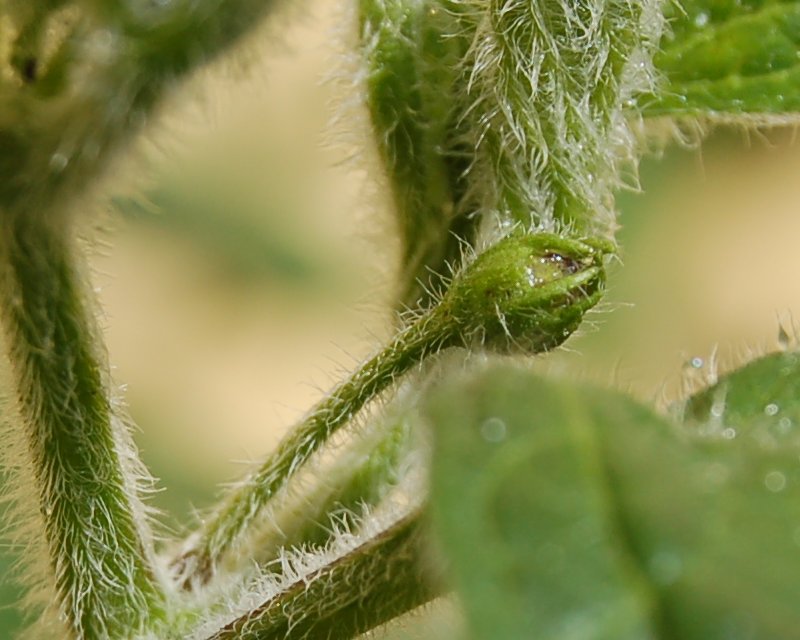
In the botanical world, trichomes play a critical role, especially within the cannabis plant, where they are vital for both protection and the production of cannabinoids. This document provides a formal introduction to the nature and function of trichomes, offering insights into their biological significance and utility.
1. Definition and Morphology
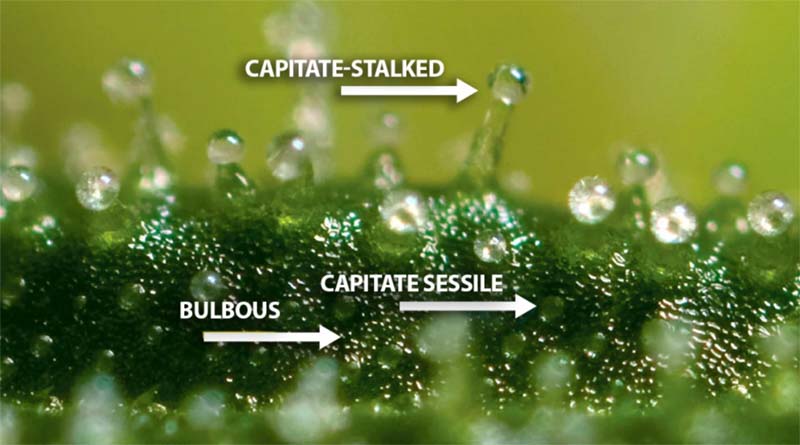
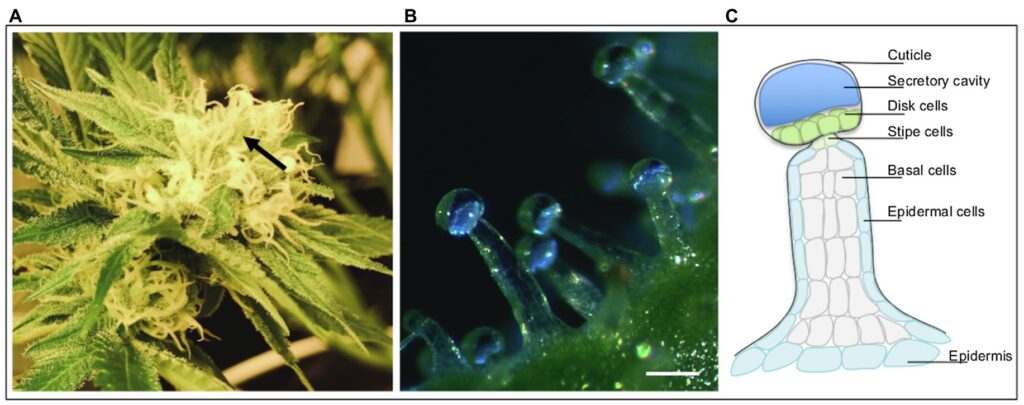
Trichomes are tiny, hair-like protrusions found on the outer layer of plants, including cannabis. They can be seen with the naked eye as a frosty coating on the surface of leaves and buds. Trichomes are not uniform; they vary widely in size, shape, and function depending on the species. In cannabis, they are commonly classified into three types: bulbous, capitate-sessile, and capitate-stalked trichomes.
- Bulbous Trichomes: These are the smallest type, nearly invisible to the naked eye, and appear across the surface of the whole plant.
- Capitate-Sessile Trichomes: These are somewhat larger and feature both a head and a stalk, typically being more prevalent than bulbous trichomes.
- Capitate-Stalked Trichomes: These are the largest and most visible type, characterized by their long stalk that elevates the trichome head, which is responsible for the majority of cannabinoid and terpene synthesis.
2. Biological Functions
Trichomes serve several key functions in the cannabis plant:
- Protection: Trichomes protect the plant from UV radiation and reduce the risk of fungal and bacterial infections. They also deter herbivores and insects by producing bitter, potent chemicals.
- Cannabinoid Production: In cannabis, trichomes are essential for producing the plant’s cannabinoids—such as THC (tetrahydrocannabinol) and CBD (cannabidiol)—and terpenes, which are responsible for the plant’s potent effects and aromatic diversity.
3. Harvesting Implications
The state of trichomes is often used by cannabis cultivators as an indicator of optimal harvest time:
- Trichome Color and Harvesting: Clear trichomes indicate that the plant is not yet fully mature. Milky white trichomes suggest peak THC production, and amber trichomes indicate a high CBN content, which is often associated with more sedative effects.
4. Applications in Cannabis Consumption and Industry
Trichomes are not only crucial for plant survival and development but also for the quality and potency of cannabis products:
- Extraction: Various extraction methods focus on trichomes to produce concentrates like hashish, oils, and waxes, which are widely used in both medicinal and recreational cannabis markets.
- Quality Assessment: The density and appearance of trichomes on a cannabis flower are key indicators of product quality and potency, used by both consumers and professionals to assess and select products.
5. Conclusion
Trichomes are integral to the cannabis plant’s anatomy and functionality, serving as both protectors and producers of key compounds. Their study and understanding are crucial for anyone involved in the cultivation, consumption, or regulation of cannabis, providing essential insights into plant health, product quality, and optimal harvesting practices. As the cannabis industry evolves, the significance of trichomes remains at the forefront of scientific and commercial interest, underpinning innovations in cultivation and product development.
Types of Trichomes: Capitate, Bulbous, and Sessile
Trichomes play an indispensable role in the biology and pharmacology of the cannabis plant, serving multiple functions from protection against environmental threats to the synthesis of cannabinoids and terpenes. This document provides a detailed exposition of the three primary types of trichomes found on cannabis plants: capitate, bulbous, and sessile. Comprehending the structure and function of each type of trichome is essential for botanists, cultivators, and consumers in the cannabis industry.
1. Bulbous Trichomes
Bulbous trichomes are the smallest type of trichome found on the cannabis plant. These tiny structures can be as small as 10 to 30 micrometers and are dispersed ubiquitously across the surface of the plant. Despite their small size, bulbous trichomes play a fundamental role in creating a protective layer over the plant. They secrete a resinous substance that helps shield the plant from harmful UV rays and prevents the growth of some fungal pathogens.
2. Sessile Capitate Trichomes
Slightly larger than bulbous trichomes, sessile capitate trichomes possess both a head and a stalk. These trichomes are typically found in greater abundance than bulbous trichomes and are crucial for the production of the plant’s secondary metabolites. Sessile capitate trichomes measure approximately 25 to 100 micrometers in size. Their structure allows for a larger capacity to produce and store the resin that contains essential oils, cannabinoids, and terpenes, albeit to a lesser extent than the more complex capitate-stalked trichomes.
3. Capitate-Stalked Trichomes
Capitate-stalked trichomes are the largest and most complex type of trichomes found on the cannabis plant. They are easily visible to the naked eye, particularly as the plant approaches maturity. These trichomes can range from 50 to 500 micrometers in size and are characterized by their large glandular head sitting atop a multicellular stalk. This structure is particularly efficient at synthesizing and storing cannabinoids and terpenes, the chemicals responsible for the plant’s psychoactive and therapeutic effects. Capitate-stalked trichomes are the primary focus for cultivators seeking to maximize the potency and aromatic profile of cannabis.
4. Functional Importance
The diversity of trichomes on the cannabis plant underscores their evolutionary importance. Each type contributes uniquely to the plant’s survival and effectiveness as a botanical species. In cultivation, the density and condition of capitate-stalked trichomes are often indicators of optimal harvest time, as they reflect the peak production of active chemical compounds.
5. Conclusion
The study of capitate, bulbous, and sessile trichomes provides valuable insights into the complex interactions between cannabis plants and their environment, as well as the mechanisms through which they produce their pharmacologically active compounds. For those engaged in the cultivation, study, or use of cannabis, a deeper understanding of trichome types and their functions can enhance both agricultural practices and product development, leading to improved quality and efficacy of cannabis-derived products.
The Role of Trichomes in Cannabis Potency and Aroma
Trichomes are pivotal in determining the potency and aroma of cannabis, playing a central role in the plant’s appeal and therapeutic properties. This document elucidates the intricate relationship between trichomes and the primary attributes of cannabis its potency and aromatic profile. By understanding trichomes’ function and contributions, stakeholders in the cannabis industry can better appreciate how these microscopic structures influence the overall quality and effectiveness of cannabis products.
1. Trichomes: A Primer
Trichomes are tiny, glandular hair-like structures on the surfaces of cannabis plants. They are primarily found on the flowers and leaves, especially near the plant’s reproductive organs. Trichomes serve as the main production sites for cannabinoids, terpenes, and other volatile compounds that confer the distinctive effects and smells of different cannabis strains.
2. Cannabinoid Synthesis
Cannabinoids such as tetrahydrocannabinol (THC) and cannabidiol (CBD) are synthesized in the trichomes of the cannabis plant. These compounds are central to the plant’s potency as they interact with the human body’s endocannabinoid system to produce various physiological and psychoactive effects.
- Capitate-Stalked Trichomes: These trichomes are most abundant in cannabinoids and are key to the plant’s potency. The density and size of these trichomes can often indicate a strain’s potential strength, making them a focal point in cultivation and harvesting.
- Cannabinoid Pathways: Within trichomes, precursor chemicals are converted into cannabinoids through biosynthetic pathways. Environmental factors such as light exposure can influence these pathways, affecting the concentration and balance of cannabinoids produced.
3. Terpene Production
Terpenes are aromatic compounds found in trichomes that contribute to the cannabis plant’s scent profile, which can range from citrusy and sweet to earthy and pungent. In addition to contributing to sensory experiences, terpenes also engage in synergistic interactions with cannabinoids, amplifying their therapeutic effects in what is referred to as the “entourage effect.”
- Environmental Influences: The production and composition of terpenes in trichomes can be significantly influenced by environmental conditions, including temperature, light levels, and soil type. These factors can be manipulated to enhance specific terpenes, tailoring the aroma and therapeutic properties of the cannabis.
- Extraction and Preservation: The extraction of terpenes during the processing of cannabis products must be carefully managed to preserve their delicate structures and potent aromas.
4. Harvesting and Storage Implications
Understanding the development and maturity of trichomes is crucial for optimizing the potency and aroma of harvested cannabis.
- Optimal Harvest Time: The hue and translucency of trichomes frequently serve as indicators of the ideal time for harvesting.
- Clear trichomes suggest immaturity, milky white indicates peak THC levels, and amber signifies a higher presence of CBN, which is less psychoactive.
- Storage Conditions: Post-harvest, maintaining the integrity of trichomes is essential. Improper handling and storage can lead to trichome degradation, diminishing the potency and aroma of cannabis.
5. Conclusion
Trichomes are integral to the cannabis plant’s ability to produce the potent and aromatic compounds that define its therapeutic and recreational value. By fostering a deep understanding of trichome function and development, cultivators, researchers, and consumers can significantly enhance the quality and specific characteristics of cannabis products. As the cannabis industry progresses, the examination of trichomes remains a pivotal focus of cannabis science, propelling advancements in cultivation techniques, processing methodologies, and product development.
Trichome Development: Lifecycle and Environmental Influences
Trichomes, the microscopic appendages on the surfaces of cannabis plants, play a critical role in the production of cannabinoids and terpenes, which are key to the plant’s therapeutic and aromatic properties. Understanding the lifecycle of trichomes and the environmental factors that influence their development is essential for cultivators aiming to optimize the quality and potency of cannabis. This document provides an in-depth analysis of trichome development, detailing the stages of their lifecycle and the environmental variables that affect their growth and functionality.
1. Introduction to Trichomes
Trichomes are specialized glandular structures that appear primarily on the leaves and flowers of cannabis plants. Their primary function is to produce and store phytochemicals including cannabinoids like tetrahydrocannabinol (THC) and cannabidiol (CBD), as well as aromatic compounds known as terpenes.
2. Lifecycle of Trichomes
The development of trichomes can be categorized into several distinct stages, each critical to the plant’s chemical synthesis capabilities:
- Initiation Stage: The initiation of trichome growth commences as epidermal cells of the cannabis plant undergo differentiation into specialized trichome cells. This phase is vital in determining the potential density and distribution of trichomes across the plant’s surfaces.
- Growth Phase: During this phase, trichomes rapidly divide and expand. Capitate-stalked trichomes, the type most abundant in cannabinoids, develop a stalk and glandular head where the chemical synthesis occurs.
- Maturation Phase: As the cannabis plant approaches flowering, trichomes enter a maturation phase where the synthesis of cannabinoids and terpenes intensifies. The visibility of trichomes increases as they fill with resin containing the phytochemicals.
3. Environmental Influences on Trichome Development
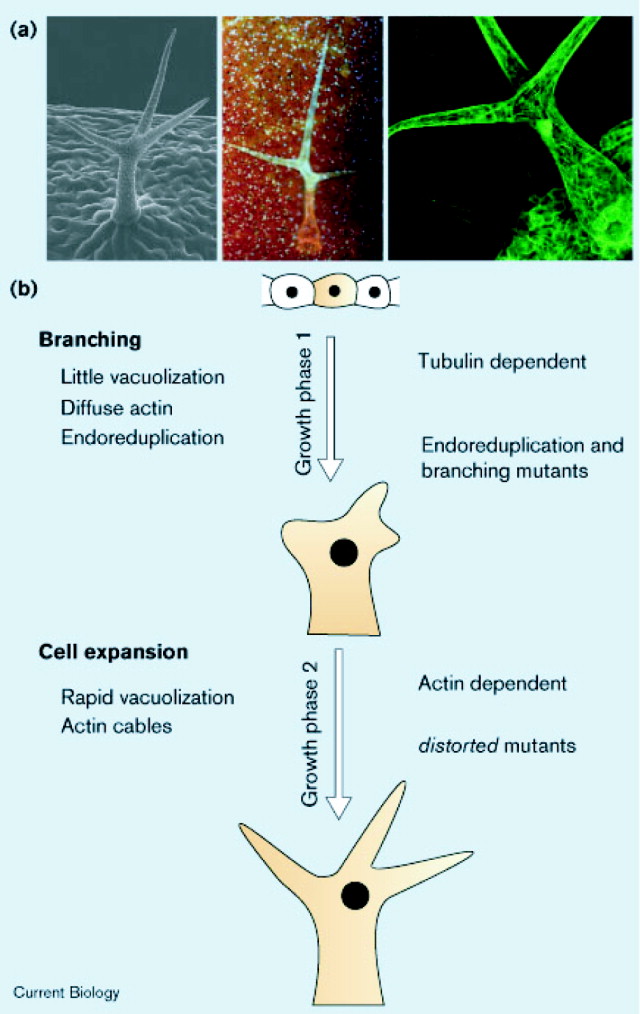
Various environmental factors impact the growth and productivity of trichomes, influencing the quality and quantity of the cannabis plant’s chemical compounds:
- Light Exposure: Light is perhaps the most significant environmental factor affecting trichome development. UV-B light, in particular, has been shown to enhance cannabinoid production within trichomes, acting as a natural stressor that stimulates chemical synthesis.
- Temperature and Humidity: Optimal temperatures and humidity levels are essential for healthy trichome development. Excessive heat can degrade the terpenes once they are produced, altering the flavor and aroma of the plant. Likewise, elevated humidity levels can impede the production of trichomes and elevate the likelihood of mold and mildew formation.
- Nutrient Availability: The availability of nutrients, particularly phosphorous, plays a critical role in the development of trichomes. Adequate nutrition supports robust growth and the biochemical pathways necessary for cannabinoid and terpene synthesis.
4. Implications for Cultivation
Understanding the lifecycle and environmental needs of trichomes can significantly impact cultivation strategies:
- Cultivation Techniques: Growers can manipulate environmental conditions, such as adjusting light wavelengths and intensity, to promote trichome density and activity. Techniques such as stress induction can also be used carefully to increase resin production without harming the plant.
- Harvest Timing: Assessing trichome maturity is key to determining the optimal harvest time. Clear trichomes indicate underdevelopment, milky trichomes suggest peak THC levels, and amber trichomes indicate the degradation of THC into CBN, which offers different effects.
5. Conclusion
The lifecycle of trichomes and their response to environmental conditions are fundamental aspects of cannabis cultivation that directly affect the plant’s chemical profile and, consequently, its market value. By mastering the factors that influence trichome development, cultivators can enhance both the yield and quality of cannabis, ensuring that the end products meet desired potency and aromatic standards. Continued research and innovation in trichome biology will remain vital as the cannabis industry advances and diversifies.
Harvesting Insights: Using Trichome Color to Determine Maturity
In cannabis cultivation, the timing of the harvest is critical to maximizing the plant’s potency, flavor, and overall yield. One of the most reliable indicators of cannabis maturity is the color of its trichomes—the resinous glands that produce cannabinoids and terpenes. This document explores the methodology and significance of using trichome color as a maturity indicator, providing cultivators with detailed insights on how to assess the optimal harvest time for cannabis plants.
1. Introduction to Trichomes
Trichomes are tiny, glandular structures found mainly on the flowers and leaves of cannabis plants. They serve as the primary production sites for cannabinoids such as tetrahydrocannabinol (THC) and cannabidiol (CBD), as well as for terpenes, the compounds responsible for the plant’s aroma. The developmental stages of trichomes are closely linked to the plant’s overall maturation and directly influence its chemical profile.
2. Trichome Color and Maturity
The color of trichomes changes as the cannabis plant matures, providing a visual cue for cultivators to assess the readiness of the plant for harvest:
- Clear Trichomes: Early in the flowering stage, trichomes appear clear and translucent. This indicates that the plant is still immature and the cannabinoid production is not yet at its peak. Harvesting at this stage will result in a lower potency product.
- Milky White Trichomes: As maturity progresses, trichomes transition from clear to a cloudy or milky white color. This change signifies peak levels of THC, making it the optimal time for harvest to maximize psychoactive potency. For medical cannabis, this stage is often the target as it ensures maximum efficacy for symptom relief.
- Amber Trichomes: When trichomes turn amber, it indicates that THC is breaking down into cannabinol (CBN), a cannabinoid with more sedative qualities but less psychoactivity. Harvesting during this stage can be preferable for those seeking a more relaxing effect.
3. Assessing Trichome Color
To accurately determine trichome color, cultivators use tools such as a jeweler’s loupe or a digital microscope, which allow for close examination of the trichomes against the backdrop of the plant’s flowering buds. This assessment should be conducted regularly as the harvest window approaches to monitor the transition of trichome color and determine the precise timing for harvest based on the desired cannabinoid profile.
4. Environmental Factors Affecting Trichome Development
Several environmental factors can influence trichome development and color change:
- Light Exposure: Adequate light is essential for optimal trichome production. However, too much UV light can accelerate THC degradation, hastening the color change from clear to amber.
- Temperature and Humidity: Ideal temperature and humidity levels are crucial for maintaining trichome integrity. High temperatures and excessive humidity can degrade trichomes, affecting both their function and coloration.
5. Harvesting Strategy
Understanding trichome color dynamics enables cultivators to refine their harvesting strategy. This involves selecting the right moment to harvest based on the specific strain’s characteristics and the intended use of the final product. Whether the goal is to achieve maximum potency for recreational use or to enhance medicinal properties for therapeutic applications, timing the harvest based on trichome color is a proven method to optimize the quality of the cannabis.
6. Conclusion
The analysis of trichome color is a vital tool for cannabis cultivators seeking to maximize the potential of their harvest. By closely monitoring trichome color changes, cultivators can make informed decisions that significantly impact the potency, therapeutic efficacy, and consumer satisfaction of their cannabis products. As such, mastering this aspect of cannabis cultivation is essential for achieving premium quality in both recreational and medicinal markets.
Microscopy and Trichomes: Tools for Detailed Examination
In the realm of cannabis cultivation and research, microscopy plays a pivotal role in the detailed examination of trichomes, the tiny glandular appendages on cannabis plants responsible for the production of cannabinoids and terpenes. This document explores the application of various microscopic techniques in studying trichome structure, development, and functionality, providing insights that are crucial for optimizing plant breeding, cultivation practices, and product quality.
1. Importance of Trichome Examination
Trichomes are critical to the chemical and economic value of cannabis plants, as they contain the resinous compounds coveted in medical and recreational markets. Detailed examination of trichomes is essential not only for determining optimal harvest times but also for advancing genetic research and improving strain development.
2. Types of Microscopy Used in Trichome Examination
Several types of microscopes are employed to study trichomes, each offering different insights and benefits:
- Stereoscopic Microscopes: Also known as dissecting microscopes, these are used for basic trichome observation. They provide a three-dimensional view of trichomes at lower magnifications, making them ideal for general assessments of trichome density and distribution on cannabis leaves and buds.
- Compound Microscopes: Offering higher magnifications, compound microscopes are used to view the detailed structure of trichomes. They can reveal the cellular details and are particularly useful in studying the glandular trichomes where cannabinoids and terpenes are synthesized.
- Digital Microscopes: These microscopes combine high-resolution imaging with the ability to easily document and share images electronically. Digital microscopes are invaluable in both research and quality control settings, allowing for precise monitoring of trichome maturity and degradation.
- Scanning Electron Microscopes (SEM): SEM provides detailed images of the trichome’s surface and architecture at a microscopic level. This tool is essential for advanced botanical research and for the breeding of cannabis strains with optimized trichome production.
3. Practical Applications in Cultivation
Microscopy is utilized in several practical applications within cannabis cultivation:
- Harvest Timing: Microscopic examination of trichome color and clarity helps cultivators determine the optimal time to harvest plants for maximum potency or desired cannabinoid profiles.
- Strain Development and Breeding: Microscopy aids breeders in selecting plants with desirable trichome characteristics, such as size, density, and resin production, which are indicative of a strain’s therapeutic and commercial potential.
- Quality Control: For cannabis producers, regular microscopic inspection of trichomes helps ensure consistent product quality, verifying that the trichomes are intact and abundant in cannabinoids and terpenes.
4. Challenges and Considerations
While microscopy is a powerful tool for trichome examination, there are several considerations to ensure accuracy and efficacy:
- Sample Preparation: Proper preparation of cannabis samples is crucial to avoid damaging the trichomes and to ensure representative imaging.
- Technical Expertise: Accurate interpretation of microscopic images requires specific training and expertise, particularly when using more sophisticated equipment like SEM.
- Integration with Other Data: Microscopic data should be integrated with genetic, biochemical, and cultivation data to provide a comprehensive understanding of trichome function and development.
5. Conclusion
Microscopy serves as a fundamental tool in the detailed examination of cannabis trichomes, providing essential insights that impact everything from cultivation and harvest to strain development and quality control. As the cannabis industry continues to evolve, the application of microscopic techniques will remain integral to advancing our understanding of trichome biology and enhancing the quality and efficacy of cannabis products.
Trichomes and Plant Defense: Natural Protection Mechanisms
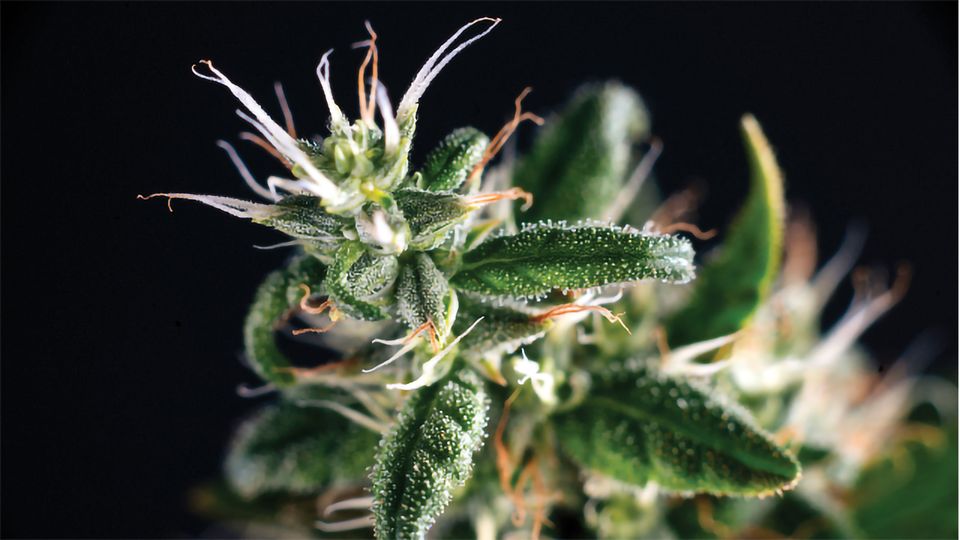
Trichomes, the microscopic, hair-like structures on the surfaces of plants, play a critical role in the defense against various environmental stresses and biological threats. This document explores the multifaceted defensive functions of trichomes in plant biology, emphasizing their importance in protecting plants from herbivores, pathogens, and environmental hazards. Understanding these natural protection mechanisms not only enhances our appreciation of plant ecology but also informs agricultural practices and breeding strategies for enhanced crop resilience.
1. Structural Defense Mechanisms
Trichomes contribute to plant defense in several structural ways:
- Physical Barrier: Trichomes form a physical barrier that protects plants by deterring herbivores and insects. The presence of these structures can make it difficult for pests to navigate the plant’s surface, access the epidermis, or lay eggs, effectively reducing the incidence of infestation and damage.
- Shade and Cooling: In regions with intense sunlight, trichomes can reflect solar radiation, reducing leaf temperature and preventing damage from UV rays. This shading effect helps in maintaining internal leaf temperatures within optimal ranges for photosynthesis.
2. Chemical Defense Mechanisms
Trichomes also play a role in producing and storing secondary metabolites, which act as chemical defenses.
- Production of Toxic Compounds: Many trichomes secrete substances that are toxic or repulsive to herbivores and insects. These chemicals include terpenes, phenolics, and alkaloids, which can deter feeding or prove lethal to small insects.
- Antimicrobial Properties: Trichomes can produce and secrete antimicrobial compounds that protect plants against fungal and bacterial pathogens. These substances help prevent infections that could be detrimental to plant health and survival.
3. Trichomes in Cannabis Plants
In cannabis, trichomes are especially prolific and significant:
- Cannabinoid Production: Cannabis trichomes are primarily known for synthesizing cannabinoids like THC and CBD, which have protective qualities against herbivory due to their psychoactive and deterrent effects.
- Terpene Synthesis: Cannabis trichomes also synthesize terpenes, which not only contribute to the plant’s aroma but also offer protection by repelling insects and attracting the predators of herbivores.
4. Applications in Agriculture
The understanding of trichome functions in natural plant defense has practical applications in agriculture:
- Breeding for Pest Resistance: Understanding the defense mechanisms facilitated by trichomes can inform breeding programs designed to boost innate pest resistance in crops, thereby diminishing reliance on chemical pesticides.
- Natural Pesticides: Extracts from trichome-rich plants can be used as natural pesticide alternatives, offering an environmentally friendly solution to pest management.
5. Challenges in Trichome Research
While the defensive role of trichomes is well recognized, research in this area faces several challenges:
- Variability: The effectiveness of trichomes in defense can vary widely among species, and even among different strains or cultivars of the same species, complicating the development of general strategies for crop protection.
- Trade-offs: Enhancing trichome density or activity may occasionally result in trade-offs with other plant functions, such as growth or reproduction, highlighting the need for balanced approaches in crop breeding.
6. Conclusion
Trichomes play a vital role in the defense of plants, offering both physical and chemical mechanisms of protection. Their study not only sheds light on fundamental aspects of plant biology but also has significant implications for agriculture, particularly in the development of sustainable pest management strategies and the breeding of more resilient crop varieties. As research progresses, the potential to harness trichome functions for enhancing crop protection continues to grow, promising new avenues for ecological and agricultural innovation.
Enhancing Trichome Production: Cultivation Techniques
Trichomes, the tiny resin glands of cannabis plants, are pivotal in the production of cannabinoids, terpenes, and flavonoids, substances critical to the plant’s aroma, flavor, and therapeutic properties. Optimizing trichome production through refined cultivation techniques can significantly enhance the quality and potency of cannabis. This document provides an in-depth exploration of advanced agricultural practices aimed at maximizing trichome production, offering valuable insights for cultivators seeking to improve their crop yields and product quality.
1. Understanding Trichomes
Before delving into cultivation techniques, it is crucial to understand the structure and function of trichomes. Trichomes are glandular hairs that appear primarily on the surfaces of the leaves and buds of cannabis plants. They serve as the main production sites for the plant’s essential oils and phytochemicals.
2. Genetic Selection
The foundation of high trichome production begins with genetic selection. Cultivators should choose strains known for their high trichome density and potency. Genetics not only determine the potential for trichome production but also influence the types of cannabinoids and terpenes the plant can produce.
3. Optimizing Light Exposure
Light is a critical factor in trichome development, influencing both the quantity and quality of the trichomes produced:
- Intensity and Spectrum: Utilizing a light spectrum that mimics the sun’s natural output can promote robust trichome development.
- LED lights, adjustable to precise wavelengths, prove highly efficient in augmenting exposure to ultraviolet (UV) light, a factor known to boost trichome density and cannabinoid synthesis.
- Light Cycles: Adjusting the light cycles to provide adequate light during the flowering stage encourages trichome production. Typically, a 12/12 light-dark cycle is used to initiate and maintain the flowering phase in photoperiod strains.
4. Controlled Stress Techniques
Applying controlled stress techniques can stimulate the plant’s natural defense mechanisms, leading to increased trichome production:
- Temperature Stress: Slightly lowering temperatures during the late flowering stage can induce stress that promotes trichome production without harming the plant.
- Water Stress: Moderate water stress, particularly during the final weeks of flowering, can encourage the plant to produce more trichomes as a protective response.
5. Nutrient Management
Proper nutrient management is essential for maximizing trichome production:
- Phosphorus and Potassium: High levels of phosphorus and potassium during the flowering stage can support trichome development and the synthesis of cannabinoids and terpenes.
- Avoid Excess Nitrogen: Reducing nitrogen levels in the late flowering stages can prevent excessive vegetative growth and promote the allocation of the plant’s resources towards trichome production.
6. Humidity and Airflow
Maintaining optimal humidity and airflow around the cannabis plants is crucial:
- Humidity Levels: Keeping relative humidity levels lower during the flowering stage (around 40-50%) can reduce the risk of mold and mildew while encouraging trichome production.
- Airflow: Good air circulation helps strengthen plant stems and can aid in the evaporation of excess moisture, which supports healthy trichome development.
7. Harvest Timing
Harvest timing is critical in preserving trichome integrity and ensuring maximum potency:
- Observation of Trichome Maturity: Monitoring trichome color and clarity (using a jeweler’s loupe or microscope) to determine the optimal time for harvest—typically when most trichomes have shifted from clear to milky white.
8. Conclusion
Enhancing trichome production involves a combination of genetic selection, precise environmental control, and strategic cultivation practices. By implementing these advanced techniques, cultivators can significantly improve the quality and therapeutic value of their cannabis harvests. As the industry continues to evolve, ongoing research and experimentation are key to refining these methods and achieving superior cultivation outcomes.
Trichomes in Other Plants: Beyond Cannabis
Trichomes are microscopic structures that appear on the surfaces of many plant species, not just cannabis. These glandular or non-glandular hairs play a variety of roles in plant defense, reproduction, and survival. This document explores the function and significance of trichomes in a wide range of plants, highlighting their ecological and commercial importance beyond the realm of cannabis cultivation.
1. Introduction to Trichomes
Trichomes are diverse in form and function, varying widely among plant species. They can be glandular, with secretory functions, or non-glandular, serving more physical roles. The morphology and density of trichomes are influenced by the plant’s genetics and environmental factors, which together determine their specific roles in plant physiology and interaction with the environment.
2. Defensive Functions of Trichomes
In many plants, trichomes serve primarily as a defense mechanism against various biotic and abiotic stresses:
- Herbivory Deterrence: Trichomes can physically deter herbivores by making leaves and stems less palatable or harder to digest. In some species, trichomes are sharp and can inflict physical discomfort on grazing animals and insects.
- Chemical Protection: Glandular trichomes often produce and secrete secondary metabolites that are toxic or repulsive to insects and herbivores. These chemicals include essential oils, terpenes, and toxic compounds that can also inhibit fungal growth and bacterial infection.
- UV Radiation Protection: Some trichomes reflect sunlight, providing a protective barrier against intense UV radiation that can damage plant tissues.
3. Role in Plant Physiology
Beyond defense, trichomes contribute to several physiological processes that enhance the plant’s ability to thrive in its environment:
- Moisture Retention: In arid environments, trichomes can reduce water loss by trapping moisture near the plant surface, helping to maintain leaf temperature and hydration.
- Pollinator Attraction: In flowering plants, certain trichomes produce volatile compounds that attract pollinators, aiding in the reproductive process. The sticky or oily substances produced can also trap pollen and facilitate pollination.
4. Commercial and Medicinal Applications
Trichomes are of significant commercial interest in various agricultural and pharmaceutical contexts:
- Essential Oil Production: Plants like lavender, mint, and hops produce economically valuable essential oils in their trichomes. These oils are used widely in perfumery, flavoring, and aromatherapy.
- Natural Pesticides: The bioactive compounds produced in trichomes are studied for their potential use as natural pesticides, offering an eco-friendly alternative to chemical pesticides.
- Pharmaceuticals: Several plants with medicinal properties have potent bioactive compounds in their trichomes, which are harvested for use in natural and traditional medicines.
5. Trichomes in Agricultural Research
Research into plant trichomes contributes to agricultural innovations:
- Genetic Engineering: Advances in genetic engineering allow for the modification of trichome density and functionality, improving plant resistance to pests and environmental stress.
- Crop Quality Improvement: Understanding trichome function helps in breeding programs aimed at enhancing the quality and yield of crop plants, particularly those used for food and herbal medicine.
6. Conclusion
Trichomes play essential roles across a broad spectrum of plants, contributing to their protection, physiology, and interaction with the environment. Their study offers insights into plant biology that are crucial for agricultural technology, ecological research, and commercial exploitation. As understanding deepens, the potential applications of trichomes in enhancing crop resilience, improving product quality, and developing new natural products continue to expand, underscoring their importance far beyond their well-known presence in cannabis.
