Table of Contents
The Tree of Life cannabis strain has garnered attention in the cannabis community for its well-balanced effects and therapeutic potential. This sativa-dominant hybrid is renowned for its uplifting qualities, making it a favorite among both recreational and medical users. This comprehensive guide will delve into its origins, characteristics, medical applications, recreational uses, and the underlying scientific mechanisms contributing to its effects.
Origins and Genetics
Tree of Life is a sativa-dominant hybrid strain that results from crossing two popular strains: Trainwreck and Jack Herer. These parent strains are celebrated for their potent effects and unique terpene profiles:
- Trainwreck: A sativa-dominant hybrid known for its cerebral stimulation and mood-enhancing properties. It provides a burst of creativity and energy, often accompanied by earthy, piney, and citrusy flavors.
- Jack Herer: Named after the legendary cannabis activist, this strain is a balanced hybrid with euphoric and energizing effects. Its flavor profile includes pine, spice, and citrus, and it’s widely used for its uplifting and clear-headed high.
The combination of these two powerhouse strains results in Tree of Life, which inherits the cerebral stimulation of Trainwreck and the uplifting clarity of Jack Herer. With a typical THC content ranging from 18% to 25%, Tree of Life offers a potent yet approachable experience for users with varying tolerance levels.
Terpene Profile and Flavor
The terpene profile of Tree of Life plays a significant role in its effects and aroma. Key terpenes include:
- Limonene: Found in citrus fruits, limonene contributes to the strain’s uplifting and stress-relieving effects. It provides a zesty lemon aroma and flavor.
- Pinene: Known for its piney scent, pinene offers anti-inflammatory and bronchodilatory properties, enhancing focus and respiratory function.
- Myrcene: Common in mangoes and hops, myrcene has a musky, earthy aroma and provides relaxing and sedative effects, balancing the strain’s energizing qualities.
- Terpinolene: This terpene adds a floral, herbal note and is known for its antioxidant and sedative properties.
- Caryophyllene: A spicy terpene with anti-inflammatory and analgesic benefits, caryophyllene interacts directly with CB2 receptors in the body’s endocannabinoid system.
The combined terpene profile gives Tree of Life a unique aroma and flavor that blends citrus, pine, and earthy undertones, making it a sensory delight for cannabis connoisseurs.
Appearance
Tree of Life is visually appealing, characterized by:
- Bud Structure: Dense, elongated buds typical of sativa-dominant strains.
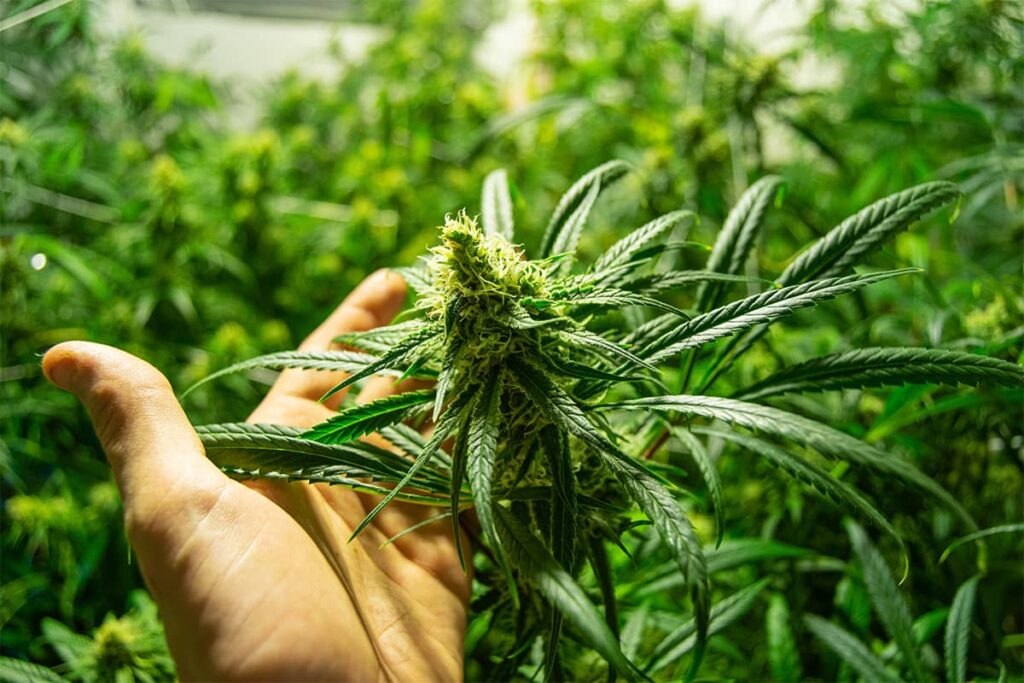
- Coloration: Vibrant green hues interspersed with orange pistils and a generous coating of trichomes, giving the buds a frosty appearance.
- Texture: Sticky and resinous, indicative of its high cannabinoid and terpene content.
Effects and Recreational Uses
Tree of Life is celebrated for its balanced effects that cater to a wide range of recreational users. Its sativa-dominant genetics ensure a cerebral high, while its hybrid nature provides a subtle body relaxation. Key recreational effects include:
- Euphoria and Happiness: The strain’s uplifting effects make it ideal for social gatherings and creative pursuits. A noticeable improvement in mood is frequently reported by users.
- Energy and Focus: Tree of Life enhances productivity and focus, making it suitable for daytime use. Artists, writers, and professionals often turn to this strain for inspiration and mental clarity.
- Sensory Enhancement: Colors, sounds, and flavors may become more vivid, making this strain ideal for such as exploring nature, creating art, and listening to music.
- Stress Relief: While energizing, Tree of Life also provides a calming undertone that helps alleviate stress without inducing sedation.
Medical Applications
Tree of Life’s balanced effects make it a versatile option for various medical conditions. Its combination of cannabinoids and terpenes provides both physical and mental relief. Key medical uses include:

- Mental Health
- Depression and Anxiety: The uplifting and mood-enhancing effects help combat symptoms of depression and anxiety. Limonene and pinene contribute to stress relief and mental clarity.
- ADHD: The strain’s focus-enhancing properties can assist individuals with ADHD in maintaining concentration and productivity.
- Pain Management
- Chronic Pain: The presence of caryophyllene and THC provides analgesic effects, making it suitable for controlling long-term pain syndromes like fibromyalgia and arthritis.
- Migraines: The anti-inflammatory and vasodilation effects of pinene and caryophyllene can alleviate migraine symptoms.
- Neurological Disorders
- PTSD: The strain’s calming yet uplifting effects help manage symptoms of post-traumatic stress disorder by reducing anxiety and promoting relaxation.
- Multiple Sclerosis: The anti-inflammatory properties may help alleviate muscle spasms and discomfort associated with MS.
- Appetite Stimulation: Tree of Life can help individuals experiencing appetite loss due to medical treatments or conditions like chemotherapy and HIV/AIDS.
- Fatigue: Its energizing effects combat fatigue, making it a valuable option for those with chronic fatigue syndrome or low energy levels.
Scientific Mechanisms of Action
The effects of Tree of Life are rooted in its interaction with the body’s endocannabinoid system (ECS). Enzymes, endogenous cannabinoids, and cannabinoid receptors (CB1 and CB2) make up the ECS. Here’s how Tree of Life works:
- THC and CB1 Receptors: THC binds to CB1 receptors in the brain, producing euphoria, mood enhancement, and pain relief. This interaction also stimulates dopamine release, contributing to the strain’s uplifting effects.
- Terpene-Cannabinoid Synergy: The “entourage effect” refers to the combined impact of cannabinoids and terpenes. For example, limonene enhances THC’s mood-lifting properties, while caryophyllene’s interaction with CB2 receptors provides anti-inflammatory benefits.
- Neurotransmitter Modulation: Terpenes like pinene and myrcene influence neurotransmitter activity, contributing to relaxation, focus, and improved mental clarity.
- Antioxidant Properties: Terpinolene and other terpenes offer antioxidant benefits, protecting cells from oxidative stress and reducing inflammation.
Potential Side Effects
While Tree of Life is generally well-tolerated, some users may experience side effects, especially with high doses:
- Dry Mouth and Eyes: Common with many cannabis strains, these effects are manageable with hydration and eye drops.
- Paranoia and Anxiety: High doses of THC can sometimes exacerbate anxiety or induce paranoia in sensitive individuals.
- Dizziness: Rare but possible, especially in novice users or those with low tolerance.
Cultivating Tree of Life Cannabis Strain
The cultivation of the Tree of Life cannabis strain involves a combination of horticultural techniques and an understanding of the plant’s genetic and environmental needs. Below is a detailed breakdown of the scientific aspects related to its growth:
1. Optimal Growing Conditions
- Temperature:
- Ideal daytime temperatures range from 70\u00b0F to 85\u00b0F (21\u00b0C to 29\u00b0C).
- Nighttime temperatures should not drop below 60\u00b0F (15\u00b0C), as this can stress the plant and slow growth.
- Humidity:
- During the vegetative phase, maintain humidity between 55% and 70%.
- To avoid mold and bud rot during flowering, lower the humidity to 40% to 50%.
2. Light Requirements
- Photoperiod:
- Tree of Life, being a sativa-dominant hybrid, requires a typical cannabis photoperiod:
- Vegetative Stage: 18-24 hours of light.
- Flowering Stage: Twelve hours of darkness and twelve hours of light.
- Tree of Life, being a sativa-dominant hybrid, requires a typical cannabis photoperiod:
- Light Intensity:
- For indoor grows, use LED grow lights or High-Pressure Sodium (HPS) lights with an intensity of 500-700 μmol/m²/s.
- Ensure even light distribution to maximize photosynthesis.
3. Nutrient Requirements
- Vegetative Stage:
- Emphasize nitrogen (N), which supports rapid leaf and stem development.
- Ideal N-P-K ratio: 3-1-2.
- Flowering Stage:
- Shift focus to phosphorus (P) and potassium (K) to encourage bud formation and resin production.
- Ideal N-P-K ratio: 1-3-3.
- Micronutrients: Supplement with calcium (Ca), magnesium (Mg), and sulfur (S) to prevent deficiencies that can inhibit growth.
- pH Levels:
- Maintain soil or hydroponic nutrient solutions at a pH of 6.0-6.5 (for soil) or 5.5-6.0 (for hydroponics).
4. Soil and Growing Medium
- Soil:
- Select a soil mixture that drains well and is high in organic matter. Compost, perlite, and coco coir are a good combination.
- Ensure the soil has a loose structure to allow proper root aeration.
- Hydroponics:
- Tree of Life thrives in hydroponic systems like deep water culture (DWC) or nutrient film technique (NFT). The delivery of nutrients can be precisely controlled with these systems.
- Aeroponics:
- For advanced cultivators, aeroponics can yield higher growth rates and cannabinoid profiles by maximizing root oxygenation.
5. Genetics and Cloning
- Seed Selection:
- Ensure seeds are sourced from reputable breeders to preserve the genetic integrity of Tree of Life.
- Cloning:
- Tree of Life is clonable, allowing growers to propagate genetically identical plants. Cuttings should be taken from healthy mother plants during the vegetative phase.
- Use rooting hormones to encourage root development in cuttings.
6. Pest and Disease Management
- Common Pests:
- Aphids, whiteflies, and spider mites are frequent dangers.
- Introduce biological controls such as predatory mites (e.g., Phytoseiulus persimilis) or ladybugs.
- Disease Prevention:
- Monitor for powdery mildew and root rot, especially during flowering.
- Use preventive measures like neem oil or biofungicides (e.g., Bacillus subtilis).
- Sanitation:
- Maintain a sterile grow environment, especially in indoor settings, to reduce pathogen risks.
7. Watering and Irrigation
- Frequency:
- Water when the top 1-2 inches of soil feel dry to avoid overwatering.
- Water Quality:
- Use filtered or reverse osmosis (RO) water to prevent mineral buildup. Ensure water has low Total Dissolved Solids (TDS) and is chlorine-free.
- Irrigation Systems:
- Drip irrigation is recommended for efficient water use and consistent delivery to the roots.
8. Flowering and Harvesting
- Flowering Period:
- Tree of Life flowers in 8-10 weeks. The sativa genetics may slightly prolong flowering compared to indica strains.
- Trichome Monitoring:
- To examine trichomes, use a microscope or magnifying glass. Harvest when the majority appear milky with a few turning amber for optimal potency.
- Drying and Curing:
- Dry the harvested buds at 60\u00b0F to 70\u00b0F (15\u00b0C to 21\u00b0C) with a relative humidity of 50%-60% for 7-14 days.
- Cure in airtight containers for 2-4 weeks, burping the jars daily to maintain freshness and improve flavor.
9. Advanced Techniques
Cultivating Tree of Life Cannabis Strain
The cultivation of the Tree of Life cannabis strain involves a combination of horticultural techniques and an understanding of the plant’s genetic and environmental needs. Below is a detailed breakdown of the scientific aspects related to its growth:
1. Optimal Growing Conditions
- Temperature:
- Ideal daytime temperatures range from 70\u00b0F to 85\u00b0F (21\u00b0C to 29\u00b0C).
- Nighttime temperatures should not drop below 60\u00b0F (15\u00b0C), as this can stress the plant and slow growth.
- Humidity:
- During the vegetative phase, maintain humidity between 55% and 70%.
- To avoid mold and bud rot during flowering, lower the humidity to 40% to 50%.
2. Light Requirements
- Photoperiod:
- Tree of Life, being a sativa-dominant hybrid, requires a typical cannabis photoperiod:
- Vegetative Stage: 18-24 hours of light.
- Flowering Stage: Twelve hours of darkness and twelve hours of light.
- Tree of Life, being a sativa-dominant hybrid, requires a typical cannabis photoperiod:
- Light Intensity:
- For indoor grows, use LED grow lights or High-Pressure Sodium (HPS) lights with an intensity of 500-700 μmol/m²/s.
- Ensure even light distribution to maximize photosynthesis.
3. Nutrient Requirements
- Vegetative Stage:
- Emphasize nitrogen (N), which supports rapid leaf and stem development.
- Ideal N-P-K ratio: 3-1-2.
- Flowering Stage:
- Shift focus to phosphorus (P) and potassium (K) to encourage bud formation and resin production.
- Ideal N-P-K ratio: 1-3-3.
- Micronutrients: Supplement with calcium (Ca), magnesium (Mg), and sulfur (S) to prevent deficiencies that can inhibit growth.
- pH Levels:
- Maintain soil or hydroponic nutrient solutions at a pH of 6.0-6.5 (for soil) or 5.5-6.0 (for hydroponics).
4. Soil and Growing Medium
- Soil:
- Select a soil mixture that drains well and is high in organic matter. Compost, perlite, and coco coir are a good combination.
- Ensure the soil has a loose structure to allow proper root aeration.
- Hydroponics:
- Tree of Life thrives in hydroponic systems like deep water culture (DWC) or nutrient film technique (NFT). The delivery of nutrients can be precisely controlled with these systems.
- Aeroponics:
- For advanced cultivators, aeroponics can yield higher growth rates and cannabinoid profiles by maximizing root oxygenation.
5. Genetics and Cloning
- Seed Selection:
- Ensure seeds are sourced from reputable breeders to preserve the genetic integrity of Tree of Life.
- Cloning:
- Tree of Life is clonable, allowing growers to propagate genetically identical plants. Cuttings should be taken from healthy mother plants during the vegetative phase.
- Use rooting hormones to encourage root development in cuttings.
6. Pest and Disease Management
- Common Pests:
- Aphids, whiteflies, and spider mites are frequent dangers.
- Introduce biological controls such as predatory mites (e.g., Phytoseiulus persimilis) or ladybugs.
- Disease Prevention:
- Monitor for powdery mildew and root rot, especially during flowering.
- Use preventive measures like neem oil or biofungicides (e.g., Bacillus subtilis).
- Sanitation:
- Maintain a sterile grow environment, especially in indoor settings, to reduce pathogen risks.
7. Watering and Irrigation
- Frequency:
- Water when the top 1-2 inches of soil feel dry to avoid overwatering.
- Water Quality:
- Use filtered or reverse osmosis (RO) water to prevent mineral buildup. Ensure water has low Total Dissolved Solids (TDS) and is chlorine-free.
- Irrigation Systems:
- Drip irrigation is recommended for efficient water use and consistent delivery to the roots.
8. Flowering and Harvesting
- Flowering Period:
- Tree of Life flowers in 8-10 weeks. The sativa genetics may slightly prolong flowering compared to indica strains.
- Trichome Monitoring:
- To examine trichomes, use a microscope or magnifying glass. Harvest when the majority appear milky with a few turning amber for optimal potency.
- Drying and Curing:
- Dry the harvested buds at 60\u00b0F to 70\u00b0F (15\u00b0C to 21\u00b0C) with a relative humidity of 50%-60% for 7-14 days.
- Cure in airtight containers for 2-4 weeks, burping the jars daily to maintain freshness and improve flavor.
9. Advanced Techniques
- Training Methods:
- Low-Stress Training (LST): Bend and tie branches to create an even canopy and improve light penetration.
- Topping and Fimming: Prune the plant top to encourage bushier growth and higher yields.
- Screen of Green (ScrOG): Use a screen to train the plant horizontally, maximizing canopy exposure to light.
- CO2 Enrichment:
- Indoor growers can enhance yields by maintaining CO2 levels at 1,200-1,500 ppm during the vegetative and early flowering stages.
Popular Consumption Methods
The method of ingestion significantly impacts the onset, duration, and intensity of the effects experienced with Tree of Life cannabis strain. Here, we break down each aspect based on scientific principles:
1. Methods of Ingestion
Tree of Life can be consumed in various forms, each offering distinct onset times, durations, and bioavailability.

A. Smoking
- Description: The traditional method involves combusting cannabis flower in a joint, pipe, or bong.
- Mechanism: THC and other cannabinoids are absorbed through the alveoli in the lungs, entering the bloodstream rapidly.
- Onset: 1-5 minutes.
- Duration: 1.5-3 hours.
- Pros:
- Immediate effects.
- Full flavor and terpene profile are experienced.
- Cons:
- Carbon monoxide and tar are two dangerous byproducts of combustion.
B. Vaping
- Description: Involves heating cannabis or its extracts (oils, distillates) below combustion temperatures (350-400°F) to release active compounds.
- Mechanism: Similar to smoking, cannabinoids are inhaled and absorbed via the lungs.
- Onset: 1-5 minutes.
- Duration: 1.5-3 hours.
- Pros:
- Reduced exposure to harmful combustion byproducts.
- Keeps more terpenes intact for a more savory experience.
- Cons:
- Requires specialized equipment (vaporizers).
C. Edibles
- Description: Ingesting cannabis-infused foods or beverages (e.g., gummies, baked goods).
- Mechanism: THC undergoes first-pass metabolism in the liver, converting to 11-hydroxy-THC, a more potent and long-lasting metabolite.
- Onset: 30-120 minutes.
- Duration: 6-12 hours.
- Pros:
- Long-lasting effects.
- Discreet and easy to consume.
- Cons:
- Delayed onset can lead to overconsumption.
- Effects are less predictable due to variable digestion rates.
D. Tinctures and Sublinguals
- Description: Cannabis extracts are placed under the tongue and absorbed directly into the bloodstream.
- Mechanism: Cannabinoids bypass the digestive system and liver metabolism, entering the bloodstream via the sublingual mucosa.
- Onset: 10-20 minutes.
- Duration: 4-6 hours.
- Pros:
- Precise dosing.
- Faster onset compared to edibles.
- Cons:
- Some users may find taste unappealing.
E. Topicals
- Description: Creams, balms, or patches infused with cannabinoids for localized application.
- Mechanism: Cannabinoids interact with CB2 receptors in the skin without entering the bloodstream (non-psychoactive).
- Onset: 10-30 minutes.
- Duration: 2-6 hours.
- Pros:
- Effective for localized pain or inflammation.
- Non-psychoactive.
- Cons:
- Not suitable for systemic effects or mood enhancement.
2. Onset of Effects
The onset of effects is influenced by the method of ingestion and the bioavailability of cannabinoids.
Inhalation (Smoking/Vaping):
- Fastest onset due to direct absorption into the bloodstream via the lungs.
- Peak plasma levels are reached within 3-10 minutes.
- Ideal for immediate symptom relief (e.g., acute pain or anxiety).
Ingestion (Edibles):
- Slowest onset because THC must be metabolized by the liver into 11-hydroxy-THC.
- Effects begin at 30-120 minutes but are stronger and longer-lasting.
- Suitable for prolonged symptom management (e.g., chronic pain or insomnia).
Sublingual:
- Slower than inhalation but faster than edibles.
- Effects begin within 10-20 minutes.
- Provides a balance between rapid onset and longer duration.
Topical:
- Onset depends on skin permeability and formulation.
- Effects begin within 10-30 minutes for localized relief.
3. Duration of Effects
The duration of Tree of Life’s effects varies widely depending on the ingestion method:
| Method | Duration |
|---|---|
| Smoking/Vaping | 1.5-3 hours |
| Edibles | 6-12 hours |
| Tinctures/Sublingual | 4-6 hours |
| Topicals | 2-6 hours |
4. Bioavailability and Efficiency
Bioavailability refers to the proportion of cannabinoids absorbed and available for use in the body.
- Smoking/Vaping: ~10-35% bioavailability. Immediate delivery but lower efficiency due to loss during combustion or vaporization.
- Edibles: ~4-20% bioavailability. Low efficiency because of liver metabolism, but 11-hydroxy-THC is more potent than THC.
- Sublingual: ~13-19% bioavailability. Higher efficiency than edibles due to bypassing the liver.
- Topical: Limited to local effects unless formulated as a transdermal patch, which delivers cannabinoids systemically.
5. Effects of Tree of Life
The effects of Tree of Life are shaped by its cannabinoid and terpene profile, with THC levels ranging from 18% to 25% and notable terpenes like limonene, pinene, and caryophyllene.
Cerebral Effects:
- Euphoria: Uplifting and mood-enhancing, driven by THC\u2019s activation of CB1 receptors and dopamine release.
- Mental Clarity and Focus: Pinene contributes to enhanced cognitive function and memory retention.
- Creativity: Many users report heightened creativity and idea generation.
Physical Effects:
- Relaxation: Myrcene and caryophyllene provide muscle relaxation and mild sedation without overpowering drowsiness.
- Pain Relief: THC and caryophyllene\u2019s interaction with CB2 receptors reduces inflammation and chronic pain.
Psychological Effects:
- Stress Reduction: Limonene\u2019s anxiolytic properties help alleviate stress and anxiety.
- Calmness: The strain balances stimulation with a grounding, calming effect, making it less likely to induce paranoia.
6. Safety and Side Effects
While Tree of Life is generally well-tolerated, users should be aware of potential side effects:
- Dry Mouth (Cottonmouth): Due to reduced saliva production from THC binding to salivary glands.
- Dry Eyes: Resulting from reduced tear production; alleviated with hydration or eye drops.
- Paranoia and Anxiety: Possible in high doses, especially in THC-sensitive individuals.
- Dizziness: Rare, more common in inexperienced users or with rapid onset methods like smoking.
Community and Cultural Impact
Tree of Life holds a special place in cannabis culture due to its balanced effects and therapeutic versatility. It is celebrated by:
- Medical Patients: The strain’s ability to address both physical and mental health conditions have made it a go-to option for patients seeking holistic relief.
- Recreational Users: Its uplifting and focus-enhancing effects make it a favorite for daytime use and creative endeavors.
- Cannabis Enthusiasts: The unique flavor profile and well-rounded effects appeal to connoisseurs who value both quality and complexity.
Conclusion
Tree of Life stands out as a versatile and well-rounded cannabis strain that bridges the gap between recreational enjoyment and medical efficacy. Its balanced effects, underpinned by a rich cannabinoid and terpene profile, make it a valuable option for a diverse range of users. Whether seeking relief from chronic pain, combating depression, or enhancing creativity, Tree of Life offers a pathway to well-being and inspiration. Its enduring popularity is a testament to its unique qualities and broad appeal, securing its place as a cherished member of the cannabis family.
For a complete directory of cultivars, visit our Cannabis Strain Reviews.
