Table of Contents
The “Trash” cannabis strain is an intriguing hybrid celebrated for its potent effects, unique terpene profile, and versatile applications. It’s a lesser-known strain compared to some iconic varieties, yet it has a dedicated following among recreational and medical users. This strain’s peculiar name belies its exceptional qualities, making it a hidden gem in the world of cannabis. In this comprehensive review, we will delve into the strain’s genetic lineage, chemical composition, effects, therapeutic uses, cultivation insights, and scientific basis for its benefits.
Genetic Lineage and Origins
The Trash cannabis strain is a balanced hybrid with a complex genetic background. It is believed to be a cross between two renowned parent strains: Purple Trainwreck and Afghani Hash Plant. These parent strains contribute to Trash’s distinct aroma, flavor profile, and effects:
- Purple Trainwreck: Known for its fruity aroma and calming effects, this strain imparts a sense of euphoria and creativity.
- Afghani Hash Plant: A classic indica strain, it brings earthy, hash-like flavors and deeply relaxing physical effects.
The resulting hybrid balances sativa-like cerebral stimulation with indica-dominant body relaxation, making it suitable for a variety of users.
Chemical Composition
1. Cannabinoid Profile: Trash is notable for its high THC levels, typically ranging between 18-25%, and trace amounts of CBD (<1%). Its cannabinoid composition accounts for its potent psychoactive and therapeutic properties:
- THC (Tetrahydrocannabinol): Responsible for the strain’s psychoactive effects, including euphoria and relaxation.
- CBD (Cannabidiol): Though minimal, it may contribute to balancing the psychoactive effects of THC and enhancing therapeutic benefits.
2. Terpene Profile: Trash has a robust terpene profile that contributes to its unique aroma, flavor, and therapeutic effects. Dominant terpenes include:
- Myrcene: Renowned for both its sedative qualities and earthy, musky scent.
- Limonene: Contributes citrusy notes and promotes mood elevation.
- Caryophyllene: Provides spicy, peppery undertones and has anti-inflammatory effects.
- Pinene: Adds a refreshing pine scent and supports focus and memory.
3. Other Cannabinoids and Compounds: Minor cannabinoids such as CBG (Cannabigerol) and CBC (Cannabichromene) may be present in trace amounts, offering additional therapeutic benefits like pain relief and anti-anxiety effects.
Aroma, Flavor, and Appearance
1. Aroma: Trash delivers a pungent and complex aroma, combining earthy, hash-like notes with hints of citrus and spices. The scent intensifies when the buds are broken apart, releasing a burst of skunky and herbal fragrances.
2. Flavor: The flavor profile mirrors its aroma, with dominant earthy and citrus notes complemented by subtle hints of pine and spice. On exhale, users often detect a sweet, hash-like aftertaste.
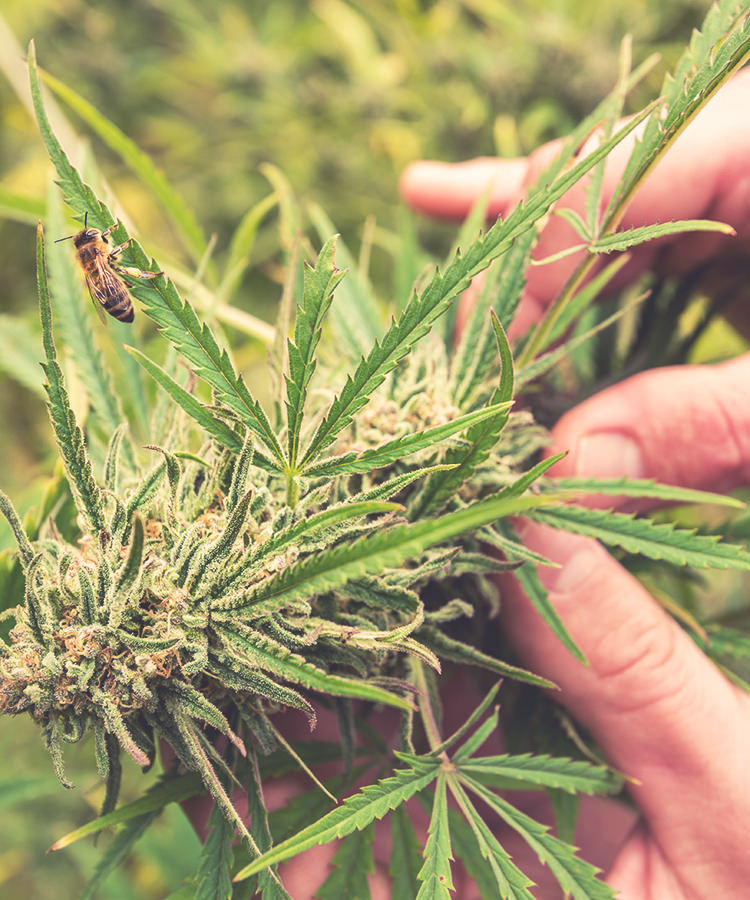
3. Appearance: The buds of Trash are typically dense and medium-sized, coated with a generous layer of trichomes that makes them look icy. They display a vibrant mix of green hues with purple undertones, accented by bright orange pistils.
Recreational Uses
Trash is highly versatile, appealing to a broad spectrum of recreational users. Its balanced hybrid nature offers both uplifting and relaxing effects, making it suitable for various scenarios:
1. Socializing: With its euphoric and mood-enhancing properties, Trash is ideal for social gatherings. It can reduce social anxiety and foster lively conversations.
2. Creative Activities: The cerebral stimulation provided by Trash is perfect for artistic pursuits, brainstorming, or exploring new ideas. Users report heightened creativity and focus during the initial phase of the high.
3. Relaxation: As the effects progress, Trash induces a deep sense of physical relaxation, making it a great option for relaxing after a long day.
4. Gaming or Movies: Trash’s balanced effects make it enjoyable for immersive activities such as video gaming or watching films, where users can feel both mentally engaged and physically comfortable.
Medical Applications

Trash’s unique chemical profile and balanced effects make it highly beneficial for a range of medical conditions. Some of the most popular therapeutic applications are listed below:
1. Pain Management: The combination of THC and caryophyllene provides potent analgesic properties. Trash is effective for chronic pain conditions such as:
- Arthritis
- Migraines
- Fibromyalgia
2. Stress and Anxiety Relief: The calming effects of myrcene and limonene, paired with THC’s mood-elevating properties, help alleviate stress, anxiety, and symptoms of PTSD. However, users prone to THC-induced anxiety should start with low doses.
3. Insomnia: The sedative effects of myrcene and the physical relaxation induced by the strain make it a suitable option for combating insomnia and improving sleep quality.
4. Appetite Stimulation: Like many high-THC strains, Trash can trigger the “munchies,” making it useful for people who have eating disorders or cancer that causes them to lose their appetite.
5. Nausea and Gastrointestinal Issues: Trash’s anti-nausea properties can benefit individuals undergoing chemotherapy or those with gastrointestinal disorders.
6. Mood Disorders: The uplifting effects make Trash an excellent choice for managing depression and low mood. Its balanced nature prevents users from feeling overly sedated or lethargic.
1. Methods of Ingestion
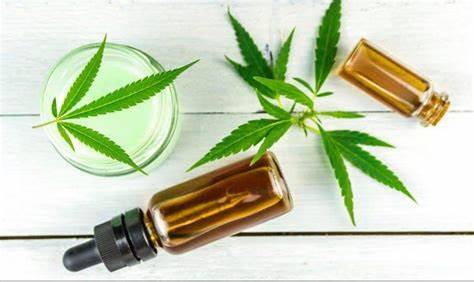
The effects of Trash cannabis can vary significantly based on the method of ingestion. Common methods include:
Smoking
The process involves the combustion of cannabis flower through joints, pipes, or bongs. The onset of effects is almost immediate, occurring within 1-5 minutes as THC enters the bloodstream through the lungs. The duration typically lasts 1-3 hours. Smoking provides immediate effects and precise dose control, but combustion releases harmful byproducts like tar and carcinogens.
Vaporization
This method heats cannabis flower or concentrate below combustion temperature (e.g., 350-400°F or 175-205°C). The onset is similar to smoking, with effects felt within 1-5 minutes, lasting 1-3 hours. Vaporization is less harmful than smoking since no combustion occurs and preserves terpenes for enhanced flavor and effects. However, it requires specific equipment.
Edibles
In this method, cannabis is infused into food or beverages, where THC is metabolized in the liver into 11-hydroxy-THC, a more potent metabolite. The onset is delayed, typically taking 30-90 minutes due to digestion and liver processing. The effects are prolonged, lasting 4-8 hours or more. Edibles are discreet and provide long-lasting effects, but dosing can be challenging due to the delayed onset, increasing the risk of overconsumption.
Sublingual Tinctures
Cannabis-infused liquid is placed under the tongue, allowing absorption through sublingual glands. The onset is rapid, typically within 15-30 minutes, with effects lasting 2-4 hours. Sublingual tinctures offer faster effects than edibles and more precise dosing but may have an unpleasant taste.
Topicals
These are cannabis-infused creams, lotions, or patches applied directly to the skin. Onset is localized and occurs within 15-30 minutes, with effects lasting several hours. Topicals are non-psychoactive (unless in transdermal form) and are ideal for localized pain relief or inflammation but are not effective for systemic issues.
Dabbing (Concentrates)
This involves inhaling vaporized cannabis concentrates such as wax, shatter, or live resin using a dab rig. The onset is almost immediate, occurring within 1-2 minutes, and effects last 1-3 hours. Dabbing is highly potent and fast-acting, though it can be overwhelming for novice users and requires specialized equipment.
2. Onset of Effects
The onset of effects for Trash cannabis depends on the ingestion method:
Smoking or vaping produces effects almost immediately, typically within 1-5 minutes, as THC enters the bloodstream directly through the lungs.
Edibles have a delayed onset of 30-90 minutes, as THC must first be metabolized in the liver into a stronger, longer-acting substance called 11-hydroxy-THC.
Sublingual tinctures have an intermediate onset of 15-30 minutes due to sublingual absorption.
Topicals provide localized relief within 15-30 minutes, with no psychoactive effects unless using a transdermal patch.
3. Duration of Effects
The duration of effects also varies based on the method of ingestion:
Smoking or vaping effects typically last 1-3 hours due to the rapid metabolism of THC.
Edibles produce prolonged effects, lasting 4-8 hours or more, depending on the dose and individual metabolism.
Sublingual tinctures provide moderate-duration effects, lasting 2-4 hours.
Topicals offer localized effects lasting several hours, with psychoactive effects occurring only with transdermal applications.
4. Effects of Trash Cannabis
The effects of Trash cannabis are influenced by its high THC content (18-25%) and terpene profile. Below is a breakdown of its typical effects:
Initial Effects (Onset): A cerebral, uplifting high is felt first, often described as euphoric and energizing. Users may experience heightened focus and creativity, making it suitable for artistic pursuits or brainstorming sessions. Social interactions may feel more enjoyable, as the strain reduces social anxiety and promotes conversation.
Intermediate Effects (Peak): As the high progresses, the indica traits of Trash become more prominent, inducing deep relaxation and soothing body aches. Users often feel a sustained sense of happiness and contentment. Enhanced sensory perception is common, making activities like gaming, music, or watching films particularly enjoyable.
Later Effects (Duration): Trash transitions into a sedative state, making it ideal for evening use or preparing for sleep. Users report significant alleviation of chronic pain, inflammation, and muscle tension. Like many high-THC strains, Trash triggers appetite stimulation, commonly referred to as the “munchies.”
5. Factors Influencing Effects
Several factors can modify the effects, onset, and duration of Trash cannabis:
The dose significantly affects the intensity of effects, with higher doses amplifying psychoactive effects but also increasing the risk of adverse reactions like paranoia or dizziness.
Individual tolerance varies, with experienced users requiring larger doses for similar effects, while beginners should start low and increase gradually.
Metabolism plays a role in processing cannabinoids, with faster metabolisms leading to quicker onset and shorter duration, and slower metabolisms resulting in prolonged effects.
The setting in which cannabis is consumed influences the overall experience. Comfortable, familiar environments reduce the likelihood of anxiety or paranoia.
Co-consumption with food or alcohol can alter the onset and intensity of effects, sometimes leading to unexpected results.
6. Adverse Effects
While the Trash strain offers numerous benefits, certain adverse effects may occur, particularly with excessive use:
Dry mouth and eyes are common side effects due to THC\u2019s interaction with salivary and tear glands. These can be mitigated by staying hydrated and using moisturizing eye drops.
Paranoia or anxiety may occur, especially in individuals sensitive to THC or those consuming high doses. Starting with a low dose is recommended to minimize this risk.
Dizziness may be experienced, especially when standing up quickly after use.
Sedation and lethargy can occur in high doses or towards the end of the high, which may be inconvenient during daytime use.
Scientific Context for Effects
The effects of Trash cannabis are rooted in its chemical composition. THC acts on CB1 receptors in the brain, producing psychoactive effects, euphoria, and pain relief.
Myrcene enhances sedation and relaxation, often associated with “couch-lock.”
Limonene promotes mood elevation and stress relief by influencing serotonin pathways.
Caryophyllene interacts with CB2 receptors, reducing inflammation and providing pain relief.
Pinene supports focus and memory retention and may counteract THC-induced short-term memory impairment.
By understanding these mechanisms and selecting the appropriate ingestion method, users can tailor their experience with Trash cannabis to suit their recreational or medicinal needs effectively.
Scientific Basis for Benefits
The therapeutic effects of Trash are backed by scientific studies on its primary cannabinoids and terpenes:
1. Cannabinoids:
- THC: Studies have shown THC’s efficacy in reducing pain, nausea, and spasticity associated with multiple sclerosis.
- CBD: Even in trace amounts, CBD’s interaction with the endocannabinoid system helps modulate THC’s psychoactivity and enhances its medicinal effects.
2. Terpenes:
- Myrcene: Research indicates its sedative effects and potential to enhance the permeability of cell membranes, improving cannabinoid absorption.
- Limonene: Studies suggest its role in reducing stress and anxiety while boosting serotonin levels.
- Caryophyllene: Unique among terpenes, it interacts directly with CB2 receptors, providing anti-inflammatory benefits.
- Pinene: Its neuroprotective properties may help mitigate memory impairment often associated with high-THC strains.
Cultivation Insights
1. Genetic Stability and Cloning
- Genetic Consistency: Since Trash is a hybrid, growers should source seeds from reputable breeders to ensure genetic stability. Variations can occur in hybrids, so cloning a stable phenotype is often preferred for consistent results.
- Cloning Advantages: Cloning ensures that the offspring retains the exact genetic profile of the parent plant, including its cannabinoid and terpene profile, growth traits, and yield potential.
2. Soil vs. Hydroponics
- Soil Cultivation: Trash cannabis thrives in nutrient-rich, well-aerated soil. Using organic soil with compost or worm castings can enhance terpene profiles by enriching the microbial ecosystem.
- Hydroponic Systems: Hydroponics provides direct control over nutrient delivery, enabling faster growth and higher yields. Methods like Deep Water Culture (DWC) or Drip Irrigation can be particularly effective for this strain, ensuring consistent hydration and nutrient absorption.
3. Nutrient Management
- Macronutrients: During the vegetative stage, Trash plants require higher levels of nitrogen (N) for robust growth. As the plants transition to flowering, phosphorus (P) and potassium (K) levels should increase to encourage the growth of buds and the production of resin.
- Micronutrients: Essential micronutrients like magnesium (Mg), calcium (Ca), and sulfur (S) are critical for preventing deficiencies and ensuring strong stems and leaves.
- pH Levels: The ideal pH range for soil is 6.0-6.5, while hydroponic systems should maintain a pH of 5.5-6.0 to optimize nutrient uptake.
4. Lighting Conditions
- Indoor Lighting: High-intensity lighting systems such as LEDs or HID (High-Intensity Discharge) lights are recommended. LEDs are particularly advantageous due to their energy efficiency and ability to provide full-spectrum light.
- Photoperiod: Trash cannabis follows a photoperiodic growth cycle. During the vegetative phase, a light schedule of 18 hours light / 6 hours dark is ideal, transitioning to 12 hours light / 12 hours dark to induce flowering.
- Light Intensity: A PPFD (Photosynthetic Photon Flux Density) of 400-600 µmol/m²/s is optimal during vegetative growth, increasing to 600-900 µmol/m²/s during flowering.
5. Environmental Control
- Temperature: The ideal temperature range for trash is 70–80°F (21-27°C) during the day and a little lower at night. Maintaining this range ensures optimal photosynthesis and growth.
- Humidity: \n – Vegetative Stage: 50-70% Relative Humidity (RH)
- Flowering Stage: 40-50% RH
- Late Flowering: 30-40% RH to prevent mold and enhance resin production.
- Air Circulation: Proper airflow prevents mold and pests while strengthening stems. Oscillating fans and ventilation systems help maintain consistent CO₂ levels and temperature.
6. CO₂ Enrichment
- Increasing CO₂ levels in indoor grow rooms can significantly boost growth rates and yields. Levels between 1,000-1,200 ppm are ideal during the vegetative and early flowering stages. This method works best in sealed environments with advanced climate control systems.
7. Training and Pruning Techniques
- Low-Stress Training (LST): Gently bending and tying down branches allows for even light distribution, promoting more bud sites.\n- Topping and Fimming: Cutting the top of the plant (topping) or pinching new growth (fimming) encourages bushier growth and higher yields.\n- Defoliation: Removing excess leaves improves light penetration and airflow, particularly during flowering.
8. Pest and Disease Management
- Integrated Pest Management (IPM): Employ biological controls, such as introducing beneficial insects (e.g., ladybugs or predatory mites) to manage pests like spider mites and aphids.
- Preventative Measures: Regularly inspect plants for indications of mold, pests, or dietary deficiencies. Use neem oil or sulfur-based sprays as organic preventative measures.
- Resistant Traits: Trash natural resilience to pests and mold can be enhanced with proper care and environmental control.
9. Harvest Timing and Techniques
- Trichome Observation: Use a magnifying glass or microscope to inspect trichomes. Harvest when the trichomes shift from clear to milky, with some turning amber for a balanced effect.\n- Flush Period: Flush the plants with pure water 1-2 weeks before harvest to remove residual nutrients, enhancing the strain\u2019s flavor and smoothness.\n- Drying and Curing: Dry buds in a dark, well-ventilated space at 60-70°F (15-21°C) with 50-60% RH. Cure buds in airtight jars for at least 2-4 weeks to enhance terpene profiles and potency.
10. Advanced Monitoring Tools
Sensors and Automation: Using tools like hygrometers, thermometers, and pH meters ensures precise control of environmental factors. Automated systems can streamline watering, feeding, and environmental adjustments.\n- Data Tracking: Monitor growth cycles, nutrient intake, and environmental changes using grow journals or apps. Analyzing this data helps refine techniques for future cultivation during the flowering stage, to support resin production and bud development.
4. Resistance: This strain shows good resistance to pests and mold but benefits from regular pruning to increase light penetration and airflow.
Potential Side Effects
While Trash offers numerous benefits, it may cause side effects, particularly in novice users or those sensitive to THC:
- Dry Mouth and Eyes: Common with most cannabis strains, these effects can be mitigated by staying hydrated.
- Paranoia or Anxiety: High doses of THC may exacerbate anxiety in susceptible individuals. Increase the dosage gradually after starting low.
- Dizziness: Dizziness may strike users, particularly when they stand up quickly.
Conclusion
The Trash cannabis strain stands out for its potent effects, versatile applications, and unique flavor profile. Its balanced hybrid nature makes it equally suitable for recreational enjoyment and medical relief. Whether you’re seeking relaxation, creative inspiration, or therapeutic benefits, Trash has much to offer.
Use of cannabis products must be done responsibly, just like any other product. Understanding its effects and starting with a low dose can ensure a positive and beneficial experience. For growers, Trash represents a rewarding challenge, producing high-quality buds that delight both connoisseurs and medical users alike.
For a complete directory of cultivars, visit our Cannabis Strain Reviews.
