Transitioning Medical Cannabis Plants Between Mediums: A Comprehensive Guide for Medical Use
Introduction
Cannabis has been utilized for its therapeutic potential for thousands of years. In recent decades, its medicinal use has seen a resurgence, driven by mounting scientific evidence and increasing patient demand. Numerous ailments, such as multiple sclerosis, epilepsy, and chronic pain, have been found to benefit from medical cannabis. However, growing cannabis for medicinal purposes requires specific techniques and knowledge, especially when transitioning plants between different growing mediums. This process, when done correctly, can optimize plant health, maximize yield, and ensure the quality of cannabinoids and terpenes, which are the primary medicinal compounds in cannabis.
This comprehensive guide explores the detailed process of transitioning medical cannabis plants between mediums, focusing on optimizing plant health for medicinal purposes. The primary goal is to provide a thorough understanding of how different growing mediums affect medical cannabis cultivation and offer strategies to successfully transition plants between them.
Importance of Growing Mediums in Medical Cannabis Cultivation
The general health of medical cannabis plants is greatly influenced by the growing media. It directly influences root development, nutrient uptake, water retention, and aeration, all of which are critical for producing potent and high-quality medicinal cannabis. Each medium offers unique benefits and challenges, and a grower’s choice depends on factors such as the available resources, desired outcomes, and specific plant strains being cultivated for medical purposes.
When growing medical cannabis, the quality of the plant’s yield is paramount. Patients rely on the consistency and purity of cannabinoids like THC (tetrahydrocannabinol), CBD (cannabidiol), and other terpenes. Ensuring these compounds are produced at optimal levels requires precise control over the plant’s environment, including its growing medium. Transitioning between mediums can be a useful tool for addressing challenges such as nutrient deficiencies, overwatering, or root-bound plants.
Types of Growing Mediums in Medical Cannabis Cultivation
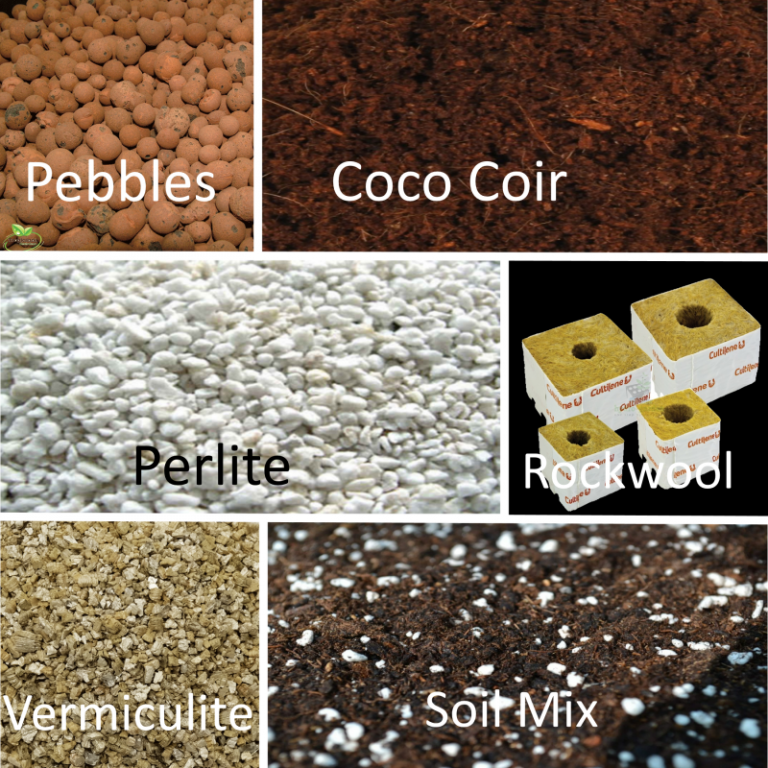
Before delving into the process of transitioning between mediums, it’s essential to understand the primary types of growing mediums used in medical cannabis cultivation.
- Soil: Soil is the most traditional growing medium, offering a natural environment for cannabis plants. High-quality, organic soil is rich in beneficial microbes, nutrients, and organic matter, supporting plant health and improving cannabinoid production. Medical cannabis plants grown in soil tend to produce robust flavors and aromas, as soil supports complex terpene development.
- Coco Coir: Coco coir is a growing medium derived from the fibrous husk of coconut shells. It is known for its excellent water retention and aeration properties, making it a popular choice for hydroponic and soilless growing systems. Coco coir is often enriched with nutrients to support healthy plant growth and is valued for its ability to provide more control over nutrient delivery compared to soil.
- Hydroponics: Cannabis plants are cultivated in a nutrient-rich water solution using the soilless hydroponics technique. This technique provides exact control over pH levels and nutrient delivery, which frequently leads to quicker growth and larger yields. Common hydroponic substrates include rock wool, clay pellets, and perlite, which provide physical support to the plants.
- Aeroponics: Aeroponics is an advanced soilless cultivation technique in which cannabis plants are suspended in air, and their roots are misted with a nutrient solution. This method offers maximum aeration and nutrient absorption, leading to rapid growth. However, aeroponics requires precise control and monitoring to prevent nutrient imbalances or root damage.
- Soilless Mixes: Soilless mixes often combine various components like peat moss, vermiculite, and perlite. These growing media give some of the advantages of conventional soil, along with superior drainage and aeration. Soilless mixes are particularly useful in indoor cultivation, where control over environmental factors is critical.
Reasons for Transitioning Between Growing Mediums
Transitioning medical cannabis plants between growing mediums may be necessary for several reasons, including:
- Addressing Root Health Issues: Poor root health can lead to nutrient deficiencies, stunted growth, and lower cannabinoid production. Transitioning to a new medium may help resolve issues like root rot or nutrient lockout by providing better drainage or more oxygen to the roots.
- Optimizing Nutrient Uptake: Some growing mediums, like coco coir and hydroponics, allow for more precise control over nutrient delivery compared to soil. Transitioning to a new medium may be necessary to improve nutrient absorption, especially if the plant shows signs of deficiency.
- Managing Water Retention and Drainage: Overwatering or poor drainage can lead to root damage and fungal infections. Switching to a medium with better aeration, such as coco coir or perlite, can help prevent these issues.
- Improving Yield and Potency: Different growing mediums can impact the size of the cannabis yield and the concentration of medicinal compounds like THC and CBD. Transitioning to a more controlled medium, such as hydroponics, may enhance cannabinoid production and overall yield.
- Accommodating Plant Growth Stages: Cannabis plants have different needs at various growth stages. For example, seedlings may thrive in a medium like rock wool or coco coir, while mature plants may benefit from the additional nutrients found in soil. Transitioning between mediums allows growers to tailor the environment to the plant’s developmental stage.
Transitioning Medical Cannabis Plants Between Mediums
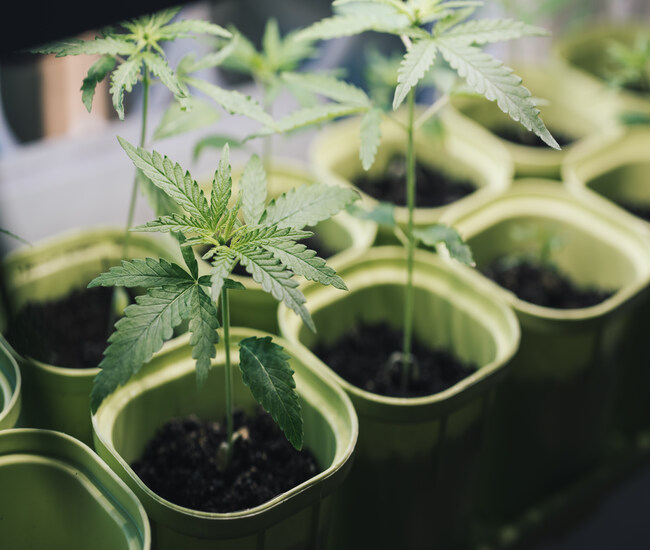
The process of transitioning medical cannabis plants between mediums requires careful planning and execution. The plant may be shocked by sudden changes, which could result in nutrient deficits, stunted growth, or even death. Below is a step-by-step guide to transitioning medical cannabis plants between growing mediums, with a focus on maintaining optimal plant health for medical use.
- Assess the Plant’s Condition
Before transitioning a plant to a new medium, it’s essential to assess its current health. The stress of a mild transition is more likely to be tolerated by healthy plants. Signs of poor root health, such as wilting, yellowing leaves, or stunted growth, should be addressed before attempting a transition. In some cases, it may be necessary to prune damaged roots or provide supplemental nutrients to strengthen the plant before transitioning. - Prepare the New Medium
Preparing the new growing medium is crucial to ensure a smooth transition. Depending on the medium, this may involve adjusting its pH, adding nutrients, or ensuring proper drainage. For example:- Soil: Ensure the soil is well-aerated and nutrient-rich. Organic soil with added compost or worm castings can enhance nutrient availability and microbial activity.
- Coco Coir: Coco coir should be flushed and pre-buffered with calcium and magnesium to prevent nutrient lockout.
- Hydroponics: Ensure that the nutrient solution is properly mixed and the pH is balanced. The optimal pH for hydroponic cannabis is typically between 5.5 and 6.5.
- Remove the Plant from the Old Medium
When removing the plant from its current medium, care must be taken to avoid damaging the roots. For plants in soil, gently loosen the soil around the root ball and carefully lift the plant. For hydroponic or soilless systems, gently rinse the roots to remove any residual medium without causing physical trauma to the root structure. - Inspect the Roots
Once the plant is removed from its old medium, inspect the roots for signs of damage, rot, or disease. White or light-tan roots that feel firm to the touch are indicative of good health. Dark, mushy, or foul-smelling roots indicate root rot, which must be addressed before transitioning to a new medium. Prune any damaged or diseased roots with sterile scissors or pruning shears. - Transplant to the New Medium
Transplant the cannabis plant into the prepared new medium. If transitioning to soil, ensure that the root ball is positioned securely and covered with soil, leaving the top of the root crown slightly exposed. For hydroponic systems, gently place the roots into the substrate, ensuring they are not overcrowded or bent. If transitioning to coco coir, ensure the roots are evenly distributed throughout the medium for optimal nutrient absorption. - Water and Nutrient Delivery
After transplanting, water the plant thoroughly with pH-balanced water to help it settle into the new medium. Depending on the medium, it may be necessary to adjust nutrient concentrations to avoid over-fertilization. For example:- Soil: The nutrients in organic soil are frequently sufficient to keep the plant alive for the first few weeks following transplanting. Avoid adding additional nutrients until the plant shows signs of needing them.
- Coco Coir: Coco coir retains water well but lacks natural nutrients. Begin feeding with a diluted nutrient solution immediately after transplanting.
- Hydroponics: The plant should be placed directly into the hydroponic system, where it will receive nutrients through the water solution. Monitor the pH and nutrient levels closely to avoid nutrient lockout.
- Monitor for Transplant Shock
After transitioning between mediums, monitor the plant for signs of transplant shock, which can occur when the plant is stressed by changes in its environment. Slow growth, withering, and yellowing leaves are signs of transplant shock. To minimize transplant shock:- Keep the plant in a stable, controlled environment with consistent temperature, humidity, and light levels.
- Avoid overwatering or overfeeding immediately after the transition.
- Use a root stimulator or mycorrhizal inoculant to encourage root development and improve nutrient uptake.
- Adjust the Growing Environment
Different growing mediums require different environmental conditions. For example, plants grown in hydroponics or coco coir often require lower humidity levels than those grown in soil. To meet the requirements of the new media, keep an eye on and modify environmental elements like temperature, humidity, and light intensity.- Soil: Soil-grown plants typically prefer slightly higher humidity levels during the vegetative stage (60-70%) and lower humidity during flowering (40-50%).
- Coco Coir: Coco coir retains moisture well, so humidity levels should be slightly lower (50-60%) to prevent overhydration.
- Hydroponics: Hydroponic systems require precise control over humidity and temperature. Aim for a relative humidity of 50-60% and maintain consistent temperatures to prevent nutrient imbalances.
Challenges and Solutions in Medium Transitions
While transitioning medical cannabis plants between mediums offers many benefits, it also presents challenges that growers must address to ensure plant health and optimal cannabinoid production.
- Root Damage: One of the most common issues during medium transitions is root damage. Rough handling during transplanting can cause the roots to break or become stressed, leading to transplant shock. Handle the plant with caution to prevent harm to the roots, and think about applying a root stimulant to encourage healing.
- Nutrient Imbalances: Different growing mediums have varying nutrient requirements. For example, coco coir often requires additional calcium and magnesium supplementation, while soil may already contain sufficient nutrients. It’s essential to adjust the nutrient regimen based on the new medium to avoid deficiencies or toxicities.
- Transplant Shock: Transplant shock can slow down plant growth and reduce yields. To prevent transplant shock, acclimate the plant gradually to its new environment. Use techniques such as misting the leaves with water or reducing light intensity for a few days after transplanting to ease the transition.
- pH Fluctuations: pH control is critical when transitioning between growing mediums, especially in hydroponic systems where pH fluctuations can lead to nutrient lockout. Regularly monitor the pH levels of both the water and growing medium to ensure they remain within the optimal range for cannabis plants (5.5-6.5 for hydroponics and coco coir, and 6.0-7.0 for soil).
- Environmental Stress: Changes in humidity, temperature, and light intensity can exacerbate transplant shock and slow down recovery. Maintain stable environmental conditions during and after the transition, and make adjustments gradually to avoid further stress on the plant.
Benefits of Successful Medium Transitions for Medical Cannabis
Successfully transitioning medical cannabis plants between growing mediums offers several benefits for both growers and patients who rely on cannabis for medicinal purposes.
- Improved Yield and Potency: Transitioning to a medium that offers better nutrient control, such as hydroponics or coco coir, can lead to increased yields and higher concentrations of cannabinoids like THC and CBD. This is particularly crucial for individuals who need reliable and effective medications.
- Healthier Plants: By transitioning to a medium that better suits the plant’s needs, growers can improve root health, nutrient uptake, and overall plant vigor. Healthier plants are more resistant to diseases and pests, reducing the need for chemical interventions and ensuring a cleaner end product.
- Enhanced Terpene Profile: The terpene profile of medical cannabis plays a significant role in its therapeutic effects. Different growing mediums can influence terpene production, with soil-grown plants often producing more complex and flavorful terpene profiles. Transitioning between mediums allows growers to experiment with different growing environments to optimize terpene development.
- Customization for Specific Strains: Different cannabis strains have unique growing requirements. Some strains may thrive in soil, while others perform better in hydroponics. Transitioning between mediums allows growers to customize the growing environment to meet the specific needs of the strain, ensuring optimal cannabinoid and terpene production.
- Sustainability: Some growing mediums, such as coco coir and hydroponics, are more sustainable than traditional soil-based methods. Transitioning to these mediums can reduce water usage and minimize environmental impact, making medical cannabis cultivation more environmentally friendly.
Restrictions on Growing and Using Cannabis in the Medical Field (for Medical Use Only)

Growing Restrictions:
- Licensing & Regulation: Only licensed cultivators are allowed to grow medical cannabis. Cultivation must meet strict standards for hygiene, security, and quality control, and be regularly inspected by regulatory agencies.
- Controlled Environment: Cannabis for medical purposes must be grown in controlled environments (indoors or greenhouses) to ensure consistency in cannabinoid levels, including THC and CBD, and to protect plants from contaminants.
- Strain Selection: Only specific strains with proven medical efficacy are permitted for cultivation. These strains are selected for their therapeutic benefits and controlled THC content to minimize psychoactive effects.
- Testing for Purity: All medical cannabis must undergo rigorous testing to ensure the absence of pesticides, heavy metals, mold, and other contaminants before being made available to patients.
Use Restrictions:
- Medical Prescription Only: Cannabis can only be prescribed by a licensed medical professional for specific conditions, often when other treatments have failed (as a “last resort” option).
- Patient Eligibility: Patients must be diagnosed with a condition that qualifies for medical cannabis use under local laws, such as chronic pain, epilepsy, or multiple sclerosis.
- Limited THC Levels: To prevent psychoactive effects, strict limits on THC levels are imposed in medical cannabis products. These levels are monitored through mandatory testing, and in some cases, products are predominantly CBD-based with minimal THC.
- Monitoring & Follow-up: Patients using medical cannabis are regularly monitored by their healthcare providers to assess the efficacy of the treatment, manage dosage, and prevent adverse effects. Long-term use is often discouraged unless absolutely necessary.
- Last Resort: Medical cannabis is often considered a last-line therapy, prescribed only after other conventional treatments (medications, therapies) have been exhausted or proven ineffective.
Conclusion
The cultivation and use of medical cannabis involve a complex interplay of science, regulation, and patient care. Transitioning cannabis plants between different growing mediums requires careful planning and expertise to optimize plant health, yield, and the therapeutic value of cannabinoids. By understanding the unique properties of each medium and the appropriate techniques for transitioning, medical cannabis cultivators can ensure consistent quality and potency, which are essential for patient care.
The restrictions on growing and using medical cannabis are stringent, emphasizing patient safety and product purity. Medical cannabis can only be grown by licensed cultivators under controlled conditions and must undergo rigorous testing to ensure it meets the necessary quality standards. Usage is restricted to patients with qualifying medical conditions, and cannabis is often prescribed as a last resort when other treatments have failed. Monitoring THC levels is critical to prevent unwanted psychoactive effects, with regulations ensuring that only appropriate strains and formulations are used for medical purposes.
Together, these practices ensure that medical cannabis remains a safe, effective, and controlled option for patients in need, contributing to its growing recognition in the medical field. Through careful cultivation techniques and stringent regulatory frameworks, the medical cannabis industry continues to evolve, offering patients new hope while minimizing risks.
