Table of Contents
Training Day is a well-known hybrid cannabis strain that has gained recognition among both medical and recreational users for its potent effects and distinct lineage. This strain is a cross between two powerful and celebrated strains: Trainwreck and LA Confidential. Known for its robust terpene profile and high THC levels, Training Day is often sought after for its diverse range of effects and therapeutic benefits. In this document, we will explore the strain’s origins, genetics, chemical composition, effects, and specific uses in detail, with a focus on both medical and recreational contexts.
Origins and Genetics
Training Day is the result of a genetic cross between:
- Trainwreck: A sativa-dominant hybrid known for its cerebral stimulation and energetic effects. Trainwreck is famous for its piney aroma, uplifting qualities, and a history of use in combating stress and depression.
- LA Confidential: An indica-dominant strain renowned for its sedative effects and earthy, sweet flavors. LA Confidential is often used for pain relief, relaxation, and insomnia.
This combination results in a balanced hybrid that inherits the best characteristics of both parent strains. The indica dominance of LA Confidential (about 70%) complements the sativa traits of Trainwreck, creating a strain with a unique blend of relaxation and mental clarity.
Chemical Composition
The chemical profile of Training Day makes it stand out. Below is a summary of its main elements:
Cannabinoids
- THC: Training Day typically boasts THC levels ranging between 18% and 24%, making it a potent strain. High THC content contributes to its strong psychoactive effects and potential therapeutic benefits.
- CBD: This strain generally has low CBD levels, often below 1%. While CBD content is minimal, the presence of other cannabinoids enhances its overall effects through the entourage effect.
- Other Cannabinoids: Training Day contains trace amounts of other cannabinoids such as CBG and CBN, which may contribute to its anti-inflammatory and sedative properties.
Terpenes
- Myrcene: Responsible for the strain’s earthy, musky aroma, myrcene is known for its relaxing and sedative effects.
- Pinene: This terpene adds a piney scent and has anti-inflammatory and bronchodilatory properties, potentially aiding respiratory conditions.
- Caryophyllene: Known for its spicy and peppery notes, caryophyllene contributes to the strain’s potential for pain relief and anti-inflammatory effects.
- Limonene: Adds a citrusy hint and promotes an uplifting mood while reducing stress and anxiety.
Appearance, Aroma, and Flavor
Appearance
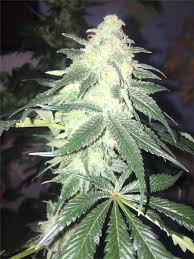
Training Day’s buds are dense and compact, with a vivid green coloration. The flowers are often adorned with deep purple hues and bright orange pistils, giving it a visually striking appearance. A thick layer of frosty trichomes covers the buds, indicative of its high THC content.
Aroma
The strain’s aroma is a blend of earthy, piney, and herbal scents, complemented by a subtle sweetness. When the buds are broken apart, you may notice hints of citrus and spice, attributed to its rich terpene profile.
Flavor
The flavor profile mirrors its aroma, offering a smooth and robust smoking experience. Users describe tastes of earth, pine, and herbal undertones, with a slightly sweet and spicy finish on the exhale.
Effects and Recreational Uses
Training Day offers a well-rounded experience, balancing indica relaxation with sativa-driven cerebral stimulation. The effects often vary depending on the dosage and individual tolerance.
Onset and Duration
- Onset: Effects are typically felt within minutes of consumption, starting with a cerebral high that gradually transitions into full-body relaxation.
- Duration: Effects can last between 2 to 4 hours, making it a relatively long-lasting strain.
Recreational Uses
- Euphoria and Mood Enhancement: The uplifting effects make Training Day ideal for social gatherings or creative pursuits. Users often report a sense of happiness and mental clarity.
- Relaxation: The strain’s indica dominance provides deep physical relaxation, making it perfect for unwinding after a long day.
- Focus and Creativity: At lower doses, the sativa traits can enhance focus and inspire creativity, making it a good choice for artistic activities or problem-solving.
- Evening Use: Due to its relaxing properties, Training Day is commonly used in the evening or at night to wind down.
Medical Applications
Training Day’s balanced effects and potent chemical composition make it a versatile strain for medical use. Here are some specific conditions it may help alleviate:
Chronic Pain
The high THC content, combined with caryophyllene’s anti-inflammatory properties, makes Training Day effective for managing chronic pain disorders like neuropathy, migraines, and arthritis.
Insomnia
Thanks to its sedative effects, this strain is commonly used by individuals struggling with insomnia. The myrcene content enhances its ability to promote restful sleep.
Stress and Anxiety
The uplifting and calming effects of Training Day can help reduce symptoms of stress and anxiety. Limonene plays a significant role in mood elevation and stress relief.
Appetite Stimulation
This strain’s ability to induce hunger makes it suitable for patients dealing with appetite loss because of eating disorders, chemotherapy, or other illnesses.
Muscle Spasms and Cramps
The relaxing properties of Training Day are beneficial for alleviating muscle spasms, cramps, and other conditions that involve muscle tension.
Depression
The euphoric and mood-enhancing effects can provide temporary relief for individuals experiencing symptoms of depression, helping to improve overall mental well-being.
Dosage Recommendations
Recreational Use
- Low Dose: Ideal for beginners or those seeking mild effects. Provides subtle euphoria and relaxation.
- Moderate Dose: Suitable for experienced users looking for a balanced high with both mental and physical effects.
- High Dose: Reserved for seasoned users. High doses may result in intense relaxation, couch-lock, and sleepiness.
Medical Use
- Start with a low dose to assess tolerance, especially for managing anxiety, stress, or pain.
- Gradually increase dosage as needed, under the guidance of a medical professional.
Methods of Ingestion, Duration, Onset, and Effects of Training Day Cannabis Strain
Methods of Ingestion
Training Day cannabis can be consumed in various ways, each method influencing the onset, duration, and overall effects. Below is a breakdown of the common methods of ingestion:
- Smoking:
- Form: Joints, blunts, or pipes.
- Onset: Effects are typically felt within 2-10 minutes.
- Duration: Lasts about 2-4 hours.
- Details: Smoking delivers cannabinoids directly to the bloodstream through the lungs, offering rapid onset and potent effects. This method is ideal for users seeking immediate relief from pain or stress.
- Vaporizing:
- Form: Dry herb or cannabis concentrates.
- Onset: Felt within 5-10 minutes.
- Duration: Lasts approximately 2-4 hours.
- Details: Vaporizers heat the material without combustion, preserving more terpenes and cannabinoids. It offers a cleaner and potentially healthier alternative to smoking while providing similar effects.
- Edibles:
- Form: Cannabis-infused foods or drinks.
- Onset: Delayed, usually 30 minutes to 2 hours.
- Duration: Effects last 4-8 hours, sometimes longer.
- Details: Ingested cannabinoids are metabolized in the liver, converting THC into 11-hydroxy-THC, a more potent compound. This results in a stronger and longer-lasting high but requires careful dosing to avoid overconsumption.
- Tinctures and Sublinguals:
- Form: Alcohol or oil-based cannabis extracts.
- Onset: Effects are noticeable within 15-45 minutes.
- Duration: Typically lasts 4-6 hours.
- Details: Placed under the tongue for quick absorption, this method allows for precise dosing and faster effects compared to edibles.
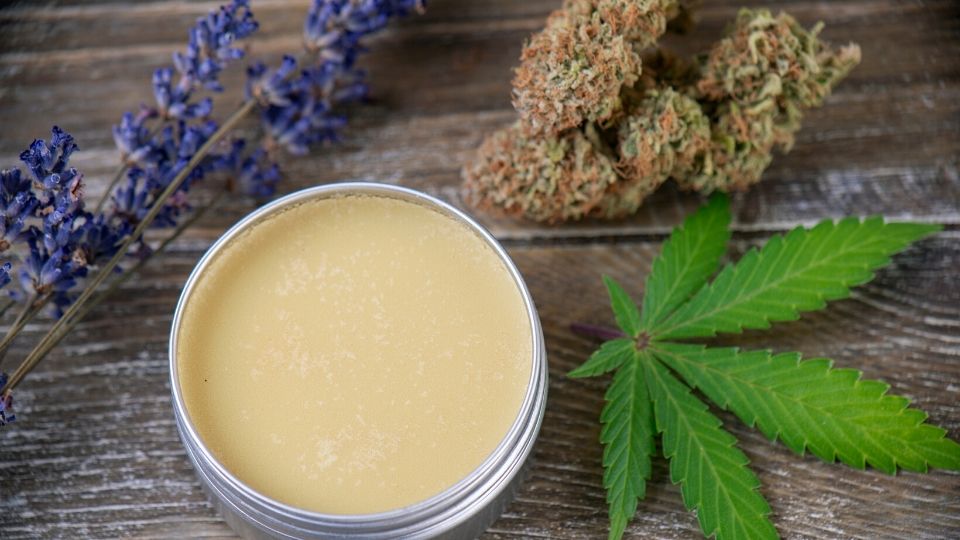
- Topicals:
- Form: Lotions, balms, or patches.
- Onset: Varies; localized effects felt within 15-30 minutes.
- Duration: Lasts several hours, depending on the product.
- Details: Topicals are non-psychoactive and used primarily for localized pain, inflammation, or skin conditions. THC is not absorbed into the bloodstream in significant amounts via this method.
- Dabbing:
- Form: Concentrates like wax, shatter, or live resin.
- Onset: Immediate, within seconds.
- Duration: Lasts 2-4 hours.
- Details: Dabbing involves inhaling vaporized concentrates and is favored by experienced users due to its potency. This method delivers high THC content and robust effects quickly.
Onset and Duration by Method
| Method | Onset Time | Duration |
|---|---|---|
| Smoking | 2-10 minutes | 2-4 hours |
| Vaporizing | 5-10 minutes | 2-4 hours |
| Edibles | 30 minutes – 2 hours | 4-8+ hours |
| Tinctures/Sublingual | 15-45 minutes | 4-6 hours |
| Topicals | 15-30 minutes (localized) | Up to several hours |
| Dabbing | Seconds | 2-4 hours |
Effects Based on Onset and Dosage
- Smoking/Vaporizing:
- Initial Effects: Rapid cerebral euphoria, uplifted mood, and a mild tingling sensation.
- Peak Effects: Within 30-60 minutes, relaxation sets in with potential couch-lock at higher doses.
- Recommended For: Immediate stress relief, pain management, and recreational relaxation.
- Edibles:
- Initial Effects: Gradual onset with subtle mood elevation.
- Peak Effects: Intensified relaxation and euphoria; can lead to deep sedation if overdosed.
- Recommended For: Long-lasting relief from chronic pain, insomnia, and appetite stimulation.
- Tinctures/Sublinguals:
- Initial Effects: Moderate cerebral stimulation and calming physical effects.
- Peak Effects: Balanced high, suitable for maintaining productivity and relaxation.
- Recommended For: Users seeking a controlled and moderate experience.
- Dabbing:
- Initial Effects: Intense and immediate euphoria, often overwhelming for beginners.
- Peak Effects: Strong relaxation with heightened sensory perception.
- Recommended For: Experienced users or those needing potent relief from severe pain or nausea.
Scientific Explanation of Effects
The interaction between Training Day’s cannabinoids and terpenes influences its onset and duration. Key scientific insights include:
- THC and Onset:
- When inhaled, THC directly binds to CB1 receptors in the brain, triggering a rapid release of dopamine. This accounts for the immediate euphoria experienced in smoking or vaporizing.
- In edibles, THC undergoes first-pass metabolism, converting to 11-hydroxy-THC, which is more potent and slower to metabolize, leading to a delayed but prolonged effect.
- Entourage Effect:
- Terpenes like myrcene enhance THC absorption, contributing to quicker onset and deeper relaxation.
- Caryophyllene, a unique terpene that interacts with CB2 receptors, adds anti-inflammatory effects without altering the psychoactive profile.
- Lipid Solubility:
- Cannabinoids are fat-soluble, which is why edibles or tinctures paired with fatty substances enhance bioavailability and prolong effects.
- Neurological Impacts:
- The strain\u2019s limonene content modulates serotonin and dopamine pathways, reducing anxiety and improving mood.
- Pinene counteracts THC-induced memory impairment, potentially enhancing focus during the cerebral high.
Final Notes on Methods of Ingestion
- Individual Variability: Onset and effects vary based on factors such as metabolism, body fat percentage, and prior cannabis use.
- Combining Methods: Some users mix methods (e.g., smoking and edibles) to balance rapid onset with prolonged effects.
- Tolerance Considerations: High THC content in Training Day can lead to tolerance build-up; rotating strains or taking tolerance breaks is recommended.
Potential Side Effects
Like any cannabis strain, Training Day may cause side effects, particularly if consumed in high doses. Common side effects include:
- Dry Mouth: Staying hydrated can mitigate this effect.
- Dry Eyes: Applying lubricating eye drops could be beneficial.
- Dizziness: May occur in sensitive users or with high doses.
- Paranoia or Anxiety: More likely at higher doses or in individuals prone to anxiety.
- Couch-Lock: The sedative effects can be overwhelming for some, leading to inactivity.
Cultivation Methods for Training Day Cannabis Strain
Cultivating the Training Day strain involves understanding its genetic lineage and optimizing environmental conditions to maximize yield, potency, and terpene profile. Below is a comprehensive scientific analysis of the factors influencing its cultivation.
Genetic Characteristics
Training Day is a hybrid with approximately 70% indica and 30% sativa traits. Its genetic structure influences its growth patterns and cultivation requirements:
- Indica Dominance: Results in bushy growth with dense, compact buds.
- Sativa Traits: Contribute to moderate height and a slight stretch during the flowering phase.
Understanding these traits helps growers make informed decisions about training techniques, pruning, and nutrient requirements.
Environmental Factors for Cultivation
1. Light Requirements
- Indoor Cultivation: Training Day responds well to high-intensity lighting (e.g., LED or HPS lights) to maximize photosynthesis during both vegetative and flowering stages. A light schedule of 18/6 (light/dark) is optimal for vegetative growth, transitioning to 12/12 for flowering.
- Outdoor Cultivation: This strain thrives in regions with long sunny days, as it benefits from abundant natural light. A Mediterranean-like climate is ideal.
Scientific Note: Cannabis plants use blue light (400–500 nm) during the vegetative stage for robust leaf growth and red light (620–750 nm) in flowering to enhance bud development.
2. Temperature and Humidity
- Optimal Temperature:
- Vegetative stage: 70–85°F (21–29°C).
- Flowering stage: 65–80°F (18–27°C) to prevent heat stress and terpene degradation.
- Humidity Levels:
- Vegetative stage: 50–70% relative humidity (RH).
- Flowering stage: 40–50% RH to reduce the risk of mold and mildew, especially given the strain’s dense bud structure.
Scientific Insight: Lowering humidity in late flowering induces mild stress, which can enhance trichome production as the plant defends against environmental challenges.
3. Nutrient Requirements
- Macronutrients:
- Nitrogen (N): Crucial during the vegetative phase for leaf and stem development.
- Phosphorus (P) and Potassium (K): Essential during the flowering phase to promote bud growth and resin production.
- Micronutrients: Calcium, magnesium, and sulfur are vital for Training Day, particularly to prevent deficiencies that may compromise bud quality.
Scientific Tip: Use a nutrient solution with a pH of 5.5–6.5 (hydroponics) or 6.0–7.0 (soil) to ensure optimal nutrient absorption.
4. Growing Medium
- Soil: Rich, organic soil with added amendments like compost or worm castings provides a nutrient-dense environment.
- Hydroponics: Encourages faster growth and higher yields by delivering nutrients directly to the root zone. However, it requires careful pH and nutrient monitoring.
- Coco Coir: A balanced option offering excellent water retention and aeration.
Scientific Note: Soil-grown cannabis often exhibits a richer terpene profile due to the interaction of microbial life with the plant’s root system.
Cultivation Techniques
1. Training Methods
- Low-Stress Training (LST): Gently bending branches to create an even canopy enhances light penetration and maximizes bud sites.
- Topping and Fimming: Pruning the main stem encourages lateral growth, which is beneficial for Training Day’s bushy structure.
- Screen of Green (ScrOG): Using a screen to spread branches horizontally optimizes light exposure for indoor grows.
Scientific Insight: Training methods reduce apical dominance, promoting uniform growth and increasing overall yield.
2. Flowering and Harvesting
- Flowering Time: Training Day has a flowering period of 8–10 weeks.
- Signs of Maturity:
- Pistils: Shift from white to orange/brown and begin to curl.
- Trichomes: Transition from clear to cloudy/milky, with some amber hues indicating peak THC content.
Scientific Tip: Harvesting slightly earlier (milky trichomes) may enhance the strain’s cerebral effects, while a later harvest (amber trichomes) increases sedative properties.
3. Pest and Disease Management
- Common Pests: Spider mites, aphids, and whiteflies are potential threats.
- Diseases: Powdery mildew and botrytis (bud rot) are concerns due to the strain’s dense buds.
- Preventative Measures:
- For organic pest control, use insecticidal soap or neem oil.
- To avoid mold and mildew, keep the humidity and airflow at the right levels.
- Introduce beneficial insects such as predatory mites or ladybugs.
Scientific Insight: Companion planting with species like marigolds or basil can naturally repel pests and enhance soil health.
Advanced Techniques
1. Carbon Dioxide (CO₂) Enrichment
- Adding CO₂ during the vegetative and early flowering stages can increase photosynthesis and boost yields.
- Optimal CO₂ levels: 1000–1500 ppm.
Scientific Evidence: Studies indicate that CO₂ enrichment can increase cannabis yields by up to 20%, provided light and nutrient levels are adequate.
2. Terpene Maximization
- Lower nighttime temperatures during the flowering phase (by 10–15°F) can enhance anthocyanin production, leading to the strain’s characteristic purple hues.
- Stress techniques like moderate defoliation and strategic drought stress can increase terpene concentration.
Scientific Insight: Terpenes are volatile; minimizing heat and light exposure during post-harvest curing is essential to maintain the flavor and scent of the strain.
Yield Expectations
- Indoor Yield: Twelve to sixteen ounces per square meter.
- Outdoor Yield: Exceeds 16 ounces per plant in optimal conditions.
- Factors Affecting Yield: Genetics, growing medium, environmental conditions, and cultivation practices.
Comprehensive Scientific Insights
Pharmacological Properties
The interplay of cannabinoids and terpenes in Training Day contributes to its pharmacological effects. Here’s a closer look:
- Entourage Effect: The combination of THC, CBD, and terpenes enhances the strain’s therapeutic potential. For example, caryophyllene’s interaction with CB2 receptors adds anti-inflammatory benefits.
- Neuroprotective Properties: Research suggests that THC and certain terpenes like pinene may have neuroprotective effects, potentially aiding conditions like Alzheimer’s and Parkinson’s disease.
- Anti-Anxiety Effects: Limonene has been shown to reduce stress by modulating serotonin and dopamine levels, contributing to the strain’s calming properties.
Clinical Applications
Preliminary studies on cannabinoids and terpenes support the medical uses of Training Day. For instance:
- Pain Management: THC’s ability to bind to CB1 receptors in the brain and spinal cord helps modulate pain perception.
- Mood Disorders: The uplifting effects of limonene and the mood-stabilizing properties of THC may benefit individuals with depression and anxiety.
- Sleep Disorders: Myrcene’s sedative effects, combined with the relaxing properties of THC, promote deeper sleep.
Conclusion
Training Day is a versatile cannabis strain that appeals to a wide range of users, from recreational enthusiasts seeking relaxation and euphoria to medical patients needing relief from chronic conditions. Its balanced effects, high THC levels, and rich terpene profile make it a standout choice for various applications. However, as with any cannabis product, responsible use and proper dosage are essential to minimize possible negative effects and optimize positive effects.
Whether you are a recreational user looking for a strain to enhance creativity and relaxation or a medical patient seeking natural relief, Training Day offers a unique and potent experience that lives up to its name.
For a complete directory of cultivars, visit our Cannabis Strain Reviews.
