Top-Dressing Soil with Organic Fertilizers for Medical Cannabis: A Comprehensive Guide
Introduction
As medicinal cannabis gains acceptance for therapeutic uses, the demand for high-quality, consistent, and pure cannabis products is more crucial than ever. The method of top-dressing with organic fertilizers offers a practical, sustainable way to nourish medical cannabis plants, meeting the distinct needs of each growth stage while preserving soil health. In particular, organic fertilizers promote a healthy soil microbiome, which plays a key role in maximizing the plant’s medicinal properties. This guide explores the principles, practices, and advantages of using organic top-dressing methods for cultivating medicinal cannabis, a practice aimed solely at therapeutic applications without regard to recreational use.
Section 1: Understanding Top-Dressing and Organic Fertilization
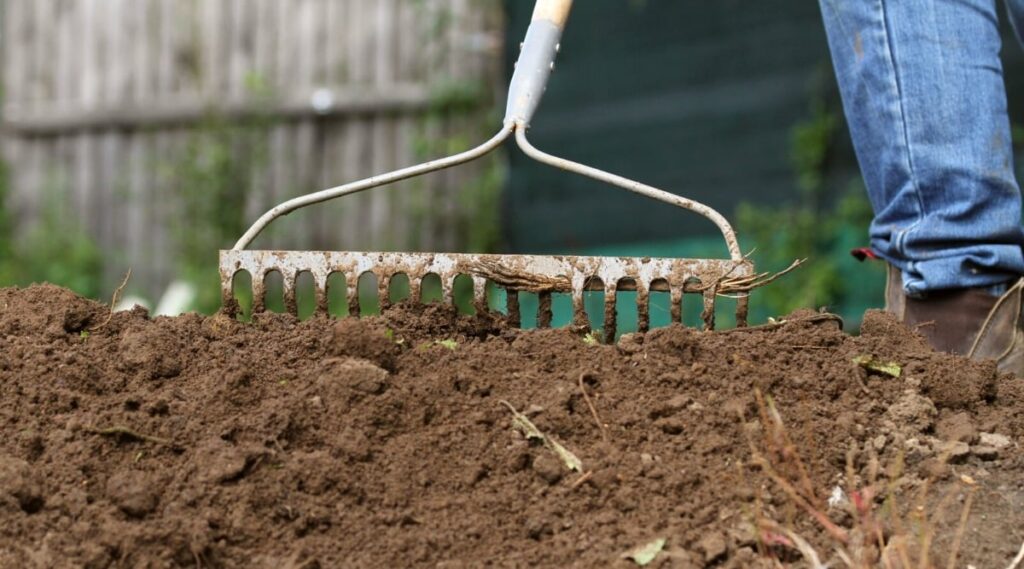
1.1 Defining Top-Dressing in Cannabis Cultivation
Top-dressing is the process of adding organic nutrients to the soil surface, allowing them to gradually integrate into the soil with watering. Unlike other fertilization methods that mix nutrients deeply into the soil or feed directly to roots, top-dressing allows for a slower release of nutrients, which is ideal for the complex and prolonged growth cycle of cannabis. This technique aligns with the nutrient absorption needs of the plant, especially in organic soil systems, and minimizes risks associated with nutrient burns that can occur with quick-release synthetic fertilizers.
1.2 The Organic vs. Synthetic Fertilizer Debate
Natural resources including plant waste, animal dung, and minerals are the sources of organic fertilizers. Unlike synthetic fertilizers that offer an immediate nutrient release, organic fertilizers break down slowly and work in harmony with the soil’s microbial environment. This is particularly advantageous for medical cannabis, where maintaining purity is essential. Synthetic fertilizers, while effective, pose a risk of chemical residues in the soil and plants, which could affect the plant’s quality and safety. In a medical context, purity is paramount, making organic top-dressing an optimal choice.
1.3 Why Top-Dressing is Ideal for Medical Cannabis Cultivation
For medical-grade cannabis, achieving a balanced nutrient profile across different growth stages is essential for developing cannabinoids and terpenes with therapeutic benefits. Organic top-dressing ensures a steady nutrient flow that mirrors the plant’s uptake rate, thus supporting consistent growth, minimizing risks of nutrient imbalances, and enhancing the overall therapeutic profile of the plant.
Section 2: The Role of Organic Fertilizers in Medical Cannabis Cultivation
2.1 Nutrient Needs of Medical Cannabis Plants
Medical cannabis plants, like most flowering plants, require key nutrients for growth: nitrogen (N) for leaf and stem development, phosphorus (P) for root and flower formation, and potassium (K) for overall plant health and resilience. Additionally, secondary nutrients like calcium, magnesium, and sulfur, as well as trace elements like zinc, copper, and manganese, are vital for enzymatic functions and hormone production. Each growth phase, from germination to flowering, has specific nutrient requirements:
- Vegetative Stage: This phase demands nitrogen for robust vegetative growth, ensuring the plant develops a sturdy structure to support later flower development.
- Flowering Stage: As the plant transitions to flowering, phosphorus and potassium become essential to support the formation of buds, cannabinoid synthesis, and terpene production.
2.2 Advantages of Organic Fertilizers in Medical Cannabis
Organic fertilizers offer several key benefits that align with the goals of medical cannabis cultivation:
- Microbial Health: Organic fertilizers introduce beneficial microbes that break down nutrients into forms the plant can absorb easily. This microbial interaction promotes healthier plants, improved nutrient uptake, and enhanced soil structure.
- Enhanced Terpene and Cannabinoid Profile: Plants grown in organically rich soil often have a more complex terpene profile, enhancing the therapeutic qualities of the final product. The natural breakdown of organic matter encourages microbial life that contributes to the development of cannabinoids and terpenes.
- Sustainability and Reduced Environmental Impact: Organic methods are typically eco-friendlier, avoiding the risk of soil contamination and water pollution often associated with synthetic fertilizers.
2.3 Common Organic Fertilizers for Medical Cannabis Top-Dressing
- Composted Manure: An all-purpose fertilizer rich in nutrients and beneficial bacteria. Its slow-release properties make it ideal for gradual nutrient provision, and it helps improve soil structure.
- Worm Castings: Known for high microbial content, worm castings enrich soil health, improve moisture retention, and provide a steady nutrient release, especially beneficial during the vegetative stage.
- Bone Meal and Blood Meal: Bone meal provides phosphorus, essential for flower production, while blood meal is rich in nitrogen, supporting vegetative growth. Both are highly effective in medical cannabis top-dressing when used sparingly.
- Kelp Meal: Derived from seaweed, kelp meal is a powerful source of trace elements and natural growth hormones that promote resilience against stressors and support flowering.
- Rock Phosphate: Offers slow-releasing phosphorus, essential for root health and flowering. It’s best used during the flowering stage to support bud formation.
Section 3: Top-Dressing Techniques and Best Practices
3.1 Matching Fertilizers to Growth Stages
Selecting the right organic fertilizer at each growth stage maximizes the plant’s therapeutic yield:
- During the Vegetative Stage: Choose nitrogen-rich sources like blood meal, worm castings, and alfalfa meal. These promote healthy green growth, giving the plant a robust structure that will support heavy buds later.
- During the Flowering Stage: Shift to phosphorus and potassium-rich fertilizers, like bone meal and kelp meal. These support bud development, enhancing cannabinoid and terpene production.
3.2 Application Techniques
Top-dressing is a straightforward method, but there are techniques to enhance nutrient uptake and plant response:
- Application Depth and Coverage: Apply the organic material evenly across the soil surface, generally at a thickness of ¼ to ½ inch. This layer should cover the entire soil surface to promote even nutrient distribution.
- Watering Post-Application: Water lightly after applying the top dressing layer to aid in the nutrients’ penetration into the root zone.
- Reapplication Frequency: Depending on the plant’s needs and growth stage, top-dressing should be reapplied every 2-4 weeks. The frequency may also vary based on environmental conditions, soil type, and plant response.
3.3 Monitoring and Adjusting Top-Dressing
Keeping a close eye on plant health is essential:
- Signs of Deficiency or Excess: Regularly inspect for yellowing leaves, which may indicate nitrogen deficiency, or slow bud development, which could signal phosphorus needs. Adjust top-dressing amounts or types accordingly.
- Adjusting Based on Environmental Conditions: Factors like humidity, temperature, and light can influence nutrient needs. During hotter or more intense growth periods, adjust top-dressing frequency to match increased plant demands.
Section 4: Building a Sustainable Soil Ecosystem for Medical-Grade Cannabis
4.1 Importance of Soil Health and Microbial Diversity
Healthy soil is central to effective top-dressing. By fostering microbial diversity, organic fertilizers contribute to soil health, as beneficial microbes decompose organic matter and make nutrients available for absorption. This symbiotic relationship between microbes and the plant supports robust growth, optimal flowering, and disease resistance.
4.2 Integrating Companion Plants and Cover Crops
Planting companions like clover or alfalfa can naturally boost nitrogen levels, protect the soil from erosion, and attract beneficial insects. These cover crops enhance soil structure and improve nutrient availability, contributing to the overall quality of medical cannabis.
4.3 Benefits of Mulching in Top-Dressing
You can cover the soil with a layer of organic mulch, such straw or chopped leaves. Mulching conserves moisture, reduces weeds, and adds organic matter to the soil as it decomposes, complementing the top-dressing layer and further enhancing microbial health.
Section 5: Specific Organic Fertilizers for Medical Cannabis Top-Dressing
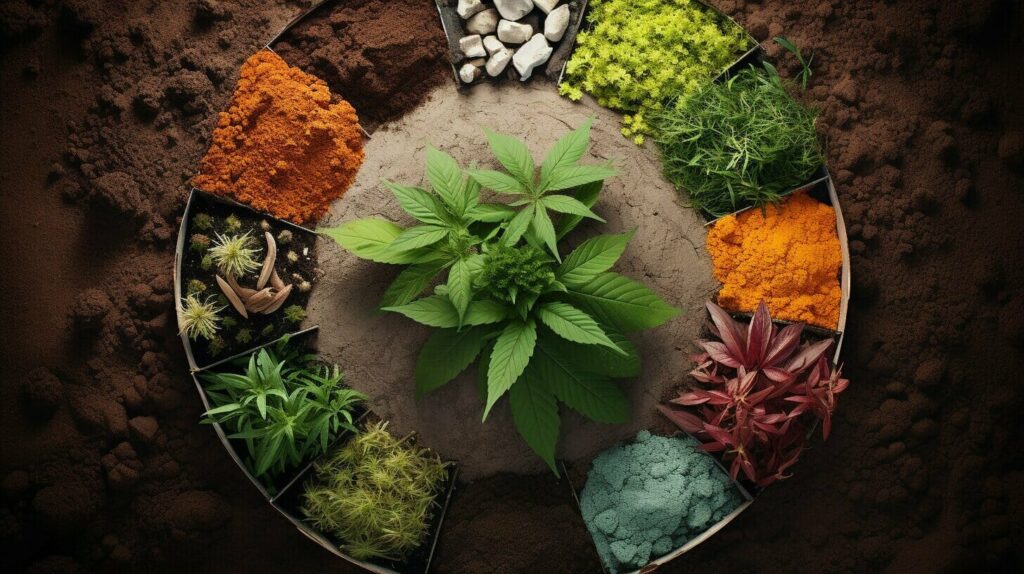
5.1 Worm Castings
Worm castings are nutrient-dense and promote soil health with beneficial bacteria and enzymes, which support root development and plant resilience. They also help retain moisture and aerate the soil.
- Application Tips: Apply a thin layer of worm castings as a top-dressing and water it in. It can be used throughout the cannabis growth cycle for steady nutrient release.
5.2 Composted Manure
Composted manure, especially from cows or horses, is a balanced source of nutrients and organic matter. It fosters a rich soil structure and introduces beneficial microbes to the environment.
- Application Tips: Use only well-composted manure to avoid the risk of ammonia burns. A thin layer can be applied every 3-4 weeks as a general top-dressing option.
5.3 Kelp Meal
Kelp meal provides trace elements and natural growth hormones that enhance stress resilience, support root and flower development, and promote healthy flowering.
- Application Tips: Mix a small amount into the soil surface every few weeks or as needed, depending on plant health and growth phase.
5.4 Bone Meal and Fish Meal
Bone meal is high in phosphorus, beneficial for flowering stages, while fish meal offers a good source of nitrogen. Both are ideal for enriching soil organically without the risk of nutrient burn.
- Application Tips: Apply sparingly during the flowering phase to avoid over-saturation with phosphorus.
Section 6: Monitoring and Adjusting Nutrient Levels in Organic Top-Dressing
6.1 Identifying and Correcting Deficiencies
Learn to recognize symptoms of deficiencies or excesses, such as chlorosis (yellowing) for nitrogen deficiency or purpling stems for phosphorus shortage. Adjust your top-dressing regimen accordingly to address these signs effectively.
6.2 Managing Soil pH for Optimal Nutrient Absorption
Cannabis thrives best in slightly acidic soil (pH 6.0-7.0). Regular soil testing ensures nutrient bioavailability, as soil pH affects nutrient absorption. Consider amending soil pH as necessary to maintain optimal levels for medical cannabis.
6.3 Regular Soil Testing
Regular soil tests, available in many garden centers or through testing services, can measure nutrient levels, microbial activity, and pH. Test results help refine the top-dressing frequency and type of nutrients applied, helping you avoid nutrient lockout or toxicity.
Section 7: Advantages of Organic Top-Dressing for Medical Cannabis Patients
7.1 Enhanced Safety and Purity
Medical cannabis patients benefit from the clean, chemical-free qualities of organically grown cannabis. By avoiding synthetic chemicals, organic top-dressing reduces the risk of contamination, offering a safer product for patients.
7.2 Improved Terpene and Cannabinoid Profile
The diverse terpene profiles and cannabinoid concentrations in organic-grown cannabis provide superior therapeutic benefits. The natural interaction between soil microbes and plant roots enhances this development, ensuring a rich, potent yield.
7.3 Sustainable Cultivation Practices
Organic top-dressing contributes to long-term soil health, allowing for multiple growth cycles in the same soil with minimal nutrient depletion. This sustainability aligns with the goals of high-quality, eco-friendly medical cannabis cultivation.
Restrictions on Growing and Using Cannabis in the Medical Field: Emphasis on Last-Resort Use and THC Monitoring
The use of cannabis in the medical field is subject to stringent regulations to ensure that it serves therapeutic purposes without compromising patient safety. As cannabis gains recognition for its medicinal benefits, many jurisdictions have established frameworks that limit cultivation, distribution, and prescription to prevent misuse and control psychoactive effects. In medical contexts, cannabis is often regarded as a last-resort option for patients with treatment-resistant conditions, requiring precise monitoring of THC levels to minimize any potential psychoactive effects.
Medical Cannabis as a Last-Resort Treatment Option
Cannabis is generally considered a last-line treatment in medical protocols. Physicians are encouraged to exhaust conventional treatment options before prescribing cannabis to ensure that it is used only for patients who have not responded to other medications. This approach is due to concerns over the psychoactive effects of THC (tetrahydrocannabinol), the primary compound responsible for the “high” associated with cannabis. By reserving cannabis for specific cases, medical professionals can better monitor patient reactions and outcomes, assessing if the therapeutic benefits outweigh potential risks.
In practice, cannabis is primarily prescribed for severe chronic pain, spasticity in multiple sclerosis, epilepsy, and certain types of cancer-related symptoms, all cases where traditional therapies have often proven inadequate. Medical guidelines in various regions require documentation of previous treatment attempts, highlighting cannabis as a measure taken out of necessity rather than preference. This restriction aligns with a commitment to patient safety, allowing medical cannabis use only when no other alternative provides adequate relief.
Monitoring THC Levels in Medical Cannabis Products
One of the major restrictions in medical cannabis use is the careful monitoring of THC levels to avoid the psychoactive effects that can accompany its therapeutic properties. THC, while useful for certain medicinal purposes such as pain relief, can also cause cognitive and motor impairment, anxiety, and paranoia, especially in higher doses. For medical cannabis to be effective and safe, it must deliver therapeutic benefits without affecting the patient’s cognitive function or quality of life. To achieve this, medical cannabis formulations are typically limited in THC content and often include higher ratios of CBD (cannabidiol), a non-psychoactive cannabinoid that counteracts THC’s effects.
Many countries and states have set maximum allowable THC levels for medical cannabis products, particularly for products intended for conditions where psychoactivity would be counterproductive. For instance, in some regions, cannabis medications must contain less than 1% THC to prevent any noticeable psychoactive impact, while in others, ratios of 1:1 or higher in CBD to THC are mandated to reduce THC’s effect. Such restrictions are enforced to ensure that cannabis medications remain therapeutic and do not produce unintended side effects.
Regulatory Compliance and Quality Control in Medical Cannabis Production
The cultivation and production of medical cannabis are subject to strict regulatory oversight to maintain quality, potency, and safety standards. Licensed growers must adhere to guidelines that control everything from seed sourcing to harvesting, processing, and labeling. These regulations often include rigorous testing to verify cannabinoid content, ensuring that the product’s THC levels are within legal limits. In addition, cultivation practices for medical cannabis emphasize controlled environments to prevent contamination and maintain consistent cannabinoid profiles, critical for patients who depend on specific ratios for effective symptom relief.
In some countries, medical cannabis programs are also monitored by health authorities who oversee prescriptions and usage, limiting access to qualified patients and certified healthcare providers. This system helps to prevent misuse and encourages proper documentation of treatment efficacy and patient outcomes. By enforcing these controls, regulators can ensure that medical cannabis remains a legitimate, well-monitored treatment option.
The Role of CBD in Reducing Psychoactive Risks
To mitigate the risks associated with THC, medical cannabis formulations often contain higher concentrations of CBD. CBD has shown promise in modulating the effects of THC, reducing its psychoactive impact while providing anti-inflammatory, analgesic, and anti-anxiety benefits. The inclusion of CBD is therefore encouraged in medical settings, allowing patients to experience the therapeutic benefits of cannabis without significant cognitive impairment.
Conclusion
The cultivation and use of medical cannabis, particularly with a focus on organic growing practices like top-dressing, and strict regulatory oversight, have become vital components in the therapeutic cannabis landscape. For medical cannabis cultivators, organic top-dressing with natural fertilizers fosters healthier plants and maximizes the therapeutic profile of cannabinoids and terpenes, enhancing quality while maintaining sustainability and soil health. This approach aligns with the purity standards necessary for medical applications, ensuring that the final product is safe, consistent, and free from contaminants.
Regulatory frameworks for medical cannabis enforce strict limitations to guarantee its safe, targeted use as a last-resort option. By restricting cannabis use to patients with treatment-resistant conditions and maintaining tight controls on THC levels, regulators safeguard against the psychoactive side effects that could otherwise hinder the quality of life and therapeutic benefits for patients. The careful monitoring of THC, balanced with non-psychoactive cannabinoids like CBD, provides a balanced treatment profile that prioritizes patient safety and efficacy.
Medical cannabis production is held to high standards of quality and safety, from seed selection and cultivation practices to product testing and cannabinoid profiling. Regulations across jurisdictions guide cultivators to consistently deliver medical-grade cannabis that adheres to potency, purity, and therapeutic efficacy, with CBD-dominant or low-THC options to mitigate psychoactivity risks.
In essence, combining sustainable, organic cultivation practices with regulated use protocols and THC level monitoring allows for the development of medical cannabis that meets the complex needs of patients with chronic and debilitating conditions. This integrative approach underscores a commitment to patient-centered care and positions medical cannabis as a safe, effective, and responsible therapeutic option in modern healthcare.
