Table of Contents
Top Cannabis Seeds for Arizona Desert Conditions
Growing cannabis in Arizona’s desert climate presents a unique set of challenges that include high heat, low humidity, intense UV exposure, and erratic precipitation. To thrive under these conditions, cannabis growers must select robust genetics capable of enduring environmental stress while still delivering high-quality yields and desirable cannabinoid and terpene profiles.
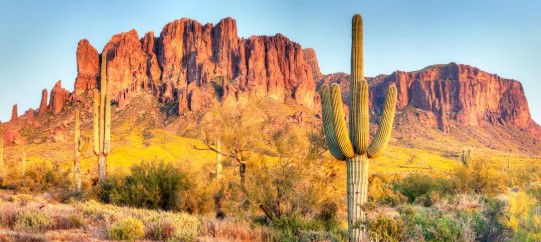
Key Considerations for Arizona Desert Cultivation
Before diving into the strains, it’s critical to understand what makes cannabis successful in the desert:
- Heat Tolerance: Temperatures often exceed 100°F in Arizona, especially in the summer. Strains need to maintain metabolic function in extreme heat without wilting or becoming hermaphroditic.
- Drought Resistance: With minimal rainfall and low humidity, strains should have adaptations such as deep root structures or waxy leaves to retain moisture.
- UV Resilience: Arizona’s high UV index can lead to excessive transpiration and potential light stress. Plants that develop dense trichome coverage are more resistant.
- Shorter Flowering Time: Arizona has a narrow window between peak summer heat and early fall frost in some areas. Strains with quicker flowering periods are ideal.
- Pest and Mold Resistance: Though dry air deters mold, intense irrigation and soil moisture can still cause root rot or powdery mildew if the genetics are susceptible.
Top Cannabis Seeds for Arizona Desert Conditions
1. Durban Poison
- Genetics: Pure Sativa (South African origin)
- Flowering Time: 8-9 weeks
- Heat/Drought Resistance: Very High
- Yield: High (outdoors)
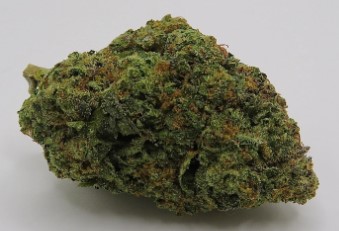
Why it Works: Durban Poison hails from a hot and semi-arid climate, making it naturally adapted to thrive under high UV and elevated temperatures. It develops a robust root system, narrow leaves (helpful in reducing transpiration), and a hardy structure. It resists pests and doesn’t wilt easily, even with limited water.
Effects: Energetic, uplifting, and clear-headed excellent for daytime use. High in THCV and moderate THC (~15-22%), making it popular for appetite suppression and focus.
2. Afghan Kush
- Genetics: Indica (Landrace from the Hindu Kush)
- Flowering Time: 7-8 weeks
- Heat/Drought Resistance: High
- Yield: Moderate to high
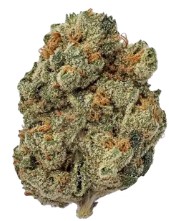
Why it Works: Afghan Kush is from a rugged, mountainous region with extreme conditions, including heat and low rainfall. It forms thick, resinous buds with high trichome density that protect it from UV radiation.
Effects: Deep relaxation, pain relief, and sleep aid due to high THC (~17-21%) and often notable CBN and myrcene content. Perfect for medical users seeking relief from insomnia and chronic pain.
3. Acapulco Gold
- Genetics: Sativa-dominant hybrid
- Flowering Time: 9-10 weeks
- Heat/Drought Resistance: Very High
- Yield: Moderate to high
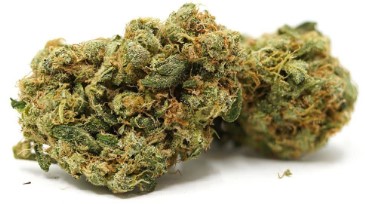
Why it Works: Bred in hot, tropical Mexico, Acapulco Gold thrives in arid, sunny environments like southern Arizona. Its resistance to heat stress and mold makes it ideal for outdoor desert cultivation.
Effects: Euphoric and cerebral, with THC levels around 20-24%. Its rich terpene profile includes caryophyllene and limonene, offering mood enhancement and mild analgesia.
4. Super Silver Haze
- Genetics: Haze x Skunk x Northern Lights (Sativa-dominant)
- Flowering Time: 9-11 weeks
- Heat/Drought Resistance: High
- Yield: High
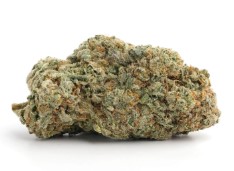
Why it Works: Super Silver Haze performs well in hot, dry climates due to its Haze ancestry. While it needs moderate feeding, its resilience to high UV and light stress is notable. Excellent airflow between its lanky branches reduces moisture retention, minimizing mold risk.
Effects: Energizing and slightly psychedelic, this strain is high in THC (18-23%) and popular among creative users and those treating depression or fatigue.
5. Blue Dream
- Genetics: Blueberry x Haze (Hybrid)
- Flowering Time: 9-10 weeks
- Heat/Drought Resistance: Moderate to High
- Yield: Very High
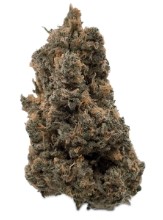
Why it Works: A balanced hybrid, Blue Dream has become a staple in southwestern grows. It adapts well to different climates and exhibits strong lateral growth. Blue Dream can tolerate dry heat but performs best when slightly shaded or grown in light-deprivation greenhouses in mid-summer.
Effects: Balanced euphoria and body relaxation. THC ~17-22%, with a sweet berry terpene profile (myrcene, pinene), aiding in pain, anxiety, and nausea relief.
6. Sour Diesel
- Genetics: Chemdawg 91 x Super Skunk (Sativa-dominant)
- Flowering Time: 9–10 weeks
- Heat/Drought Resistance: High
- Yield: High
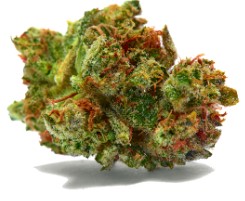
Why it Works: Sour Diesel’s open structure and tough leaves make it capable of withstanding Arizona’s intense solar exposure. It’s less susceptible to powdery mildew and pests, especially when grown in sandy, well-draining soils with smart irrigation.
Effects: Cerebral, invigorating, and fast-acting. THC content averages 19-25%. Best suited for users seeking motivation and relief from fatigue or PTSD.
7. Critical Mass
- Genetics: Afghani x Skunk #1 (Indica-dominant)
- Flowering Time: 6-8 weeks
- Heat/Drought Resistance: Moderate
- Yield: Extremely High
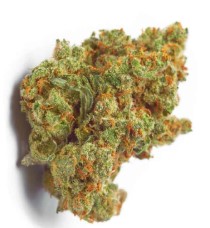
Why it Works: Critical Mass is best for experienced growers who can manage its dense bud structure to avoid mold from irrigation. When managed with airflow and dry soil cycles, its short flowering time makes it ideal for Arizona’s transitional months (late spring or early fall).
Effects: Potent body stone, great for chronic pain and muscle spasms. THC 18-22%, with earthy, fruity notes.
8. Strawberry Cough
- Genetics: Unknown Haze lineage (Sativa-leaning)
- Flowering Time: 9 weeks
- Heat/Drought Resistance: High
- Yield: Moderate
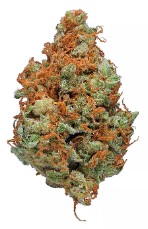
Why it Works: This strain tolerates direct sun and dry conditions well. It performs exceptionally in pots or raised beds with controlled watering and responds favorably to training methods like LST (low-stress training), essential in hot climates.
Effects: Uplifting and social. THC around 18–22%, with high levels of pinene and terpinolene, useful for anxiety without sedation.
Growing Tips for Arizona Desert Conditions
- Choose the Right Medium: Use sandy or loamy soils amended with organic compost to enhance drainage and nutrient retention. Raised beds help prevent root rot during irrigation cycles.
- Watering Strategy: Opt for drip irrigation or deep watering early in the morning or late evening. Avoid watering in peak heat to prevent leaf burn.
- Mulching: Organic mulch or straw helps retain moisture and regulate soil temperature.
- Shade Management: Use 30-50% shade cloth during peak summer months, especially for young or heat-sensitive strains.
- Wind Protection: Install windbreaks if growing in open desert terrain to prevent desiccation.
- UV Protection: Strains with heavy trichome production and darker leaf pigmentation offer better UV tolerance. Supplemental silica can improve cell wall strength under UV stress.
- Harvest Timing: Finish flowering by early-to-mid October to avoid early frost and maximize trichome production under strong September sun.
Conclusion
Growing cannabis in Arizona’s desert conditions requires smart strain selection and adaptive cultivation techniques. Landrace varieties and hybrids with origins in hot, arid, or mountainous climates dominate the list of top performers. Strains like Durban Poison, Afghan Kush, and Acapulco Gold shine due to their natural resilience, while cultivars such as Blue Dream and Sour Diesel offer versatility and robust yield profiles with proper management. For medical and recreational growers alike, the key to success lies in combining heat-hardy genetics with attentive water, soil, and light management tailored to Arizona’s harsh yet rewarding environment.
