Top 5 Medical Cannabis Strains to Grow in Spain
The Mediterranean climate of Spain, with its hot, dry summers and moderate winters, provides the perfect conditions for cannabis cultivation. As interest in medical cannabis continues to rise, selecting the best strains tailored to Spain’s unique climate is crucial for maximizing therapeutic benefits. This detailed guide will explore the top five medical cannabis strains suitable for cultivation in Spain, focusing on their origins, chemical profiles, medical benefits, and optimal growing conditions. The emphasis will be on their medical use, excluding any recreational use or consumption methods.
1. CBD Critical Mass
-
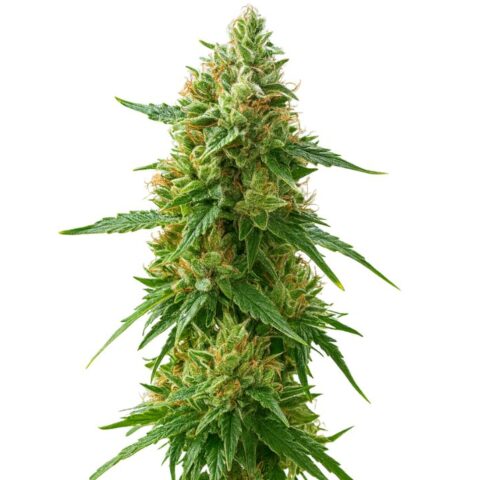 CBD Critical Mass Cannabis SeedsFrom: $24.99
Origins: CBD Critical Mass is a balanced hybrid strain developed by crossing the original Critical Mass with a CBD-rich variety. Critical Mass, known for its heavy yields and powerful effects, is itself a cross between Afghani and Skunk #1. The introduction of a CBD-rich strain has made CBD Critical Mass a favorite among medical users who seek the therapeutic benefits of cannabis without strong psychoactive effects.
Chemical Profile:
- THC: 5-10%
- CBD: 10-15%
- Terpenes: Myrcene, Pinene, Caryophyllene
The high CBD content in CBD Critical Mass makes it an excellent choice for medical users. The balanced THC and CBD levels ensure that users can experience relief from symptoms without the intense psychoactive effects typically associated with high-THC strains.
Medical Benefits: CBD Critical Mass is primarily valued for its anti-inflammatory and analgesic properties. It is particularly effective in treating chronic pain conditions such as arthritis, fibromyalgia, and multiple sclerosis. The strain’s high CBD content also provides anxiolytic effects, making it suitable for patients dealing with anxiety, depression, or PTSD. Additionally, the myrcene and pinene terpenes contribute to muscle relaxation and respiratory benefits, respectively.
Growing Conditions in Spain: CBD Critical Mass thrives in Spain’s Mediterranean climate. It is a resilient strain that performs well both indoors and outdoors, but outdoor cultivation can take full advantage of Spain’s long, sunny days. The plant is known for its heavy buds, so growers should ensure adequate support to prevent branches from breaking under the weight. Harvest typically occurs in late September to early October, before the onset of the wetter autumn months, which helps avoid mold issues.
- Preferred Climate: Warm, dry Mediterranean
- Flowering Time: 8-9 weeks
- Yield: High (up to 600g/m² indoors, 700g/plant outdoors)
- Resistance: Moderate resistance to pests and mold
2. OG Kush CBD
-
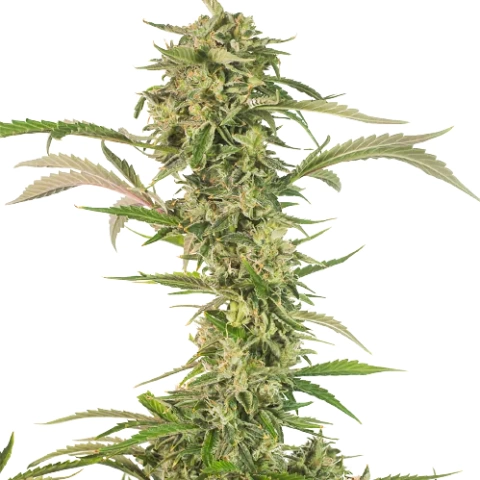 CBD OG Kush Cannabis SeedsFrom: $24.99
Origins: OG Kush CBD is a medicinal adaptation of the classic OG Kush strain, known for its legendary status in the cannabis community. By crossing OG Kush with a CBD-rich strain, breeders have created a version that retains the therapeutic benefits of OG Kush while reducing its psychoactive potency, making it more suitable for medical use.
Chemical Profile:
- THC: 5-10%
- CBD: 10-15%
- Terpenes: Limonene, Linalool, Myrcene
The balanced ratio of THC to CBD in OG Kush CBD offers a mild psychoactive experience coupled with strong medicinal properties. The terpene profile is rich in limonene, which provides mood-enhancing effects, and linalool, which offers additional anti-anxiety and analgesic benefits.
Medical Benefits: OG Kush CBD is a versatile medical strain, effective in treating a wide range of conditions. Its analgesic properties make it ideal for pain management, particularly for conditions like migraines, chronic pain, and neuropathy. The strain is also noted for its anti-inflammatory and anti-nausea effects, making it suitable for patients undergoing chemotherapy or those with digestive disorders. Linalool and myrcene further contribute to its calming effects, helping with anxiety and insomnia.
Growing Conditions in Spain: OG Kush CBD is well-suited to the warm, sunny climate of Spain. It is a hardy strain that can be grown both indoors and outdoors, though it prefers a stable environment with controlled humidity levels to prevent mold. Outdoor growers can benefit from the strain’s natural resilience to pests, though it’s essential to monitor for powdery mildew, which can be a concern in more humid regions.
- Preferred Climate: Warm and sunny, with controlled humidity
- Flowering Time: 8-9 weeks
- Yield: Medium to High (450-500g/m² indoors, 500-550g/plant outdoors)
- Resistance: Good resistance to pests, moderate resistance to mold
3. Sour Tsunami
-
 Sour Tsunami CBD Cannabis SeedsFrom: $24.99
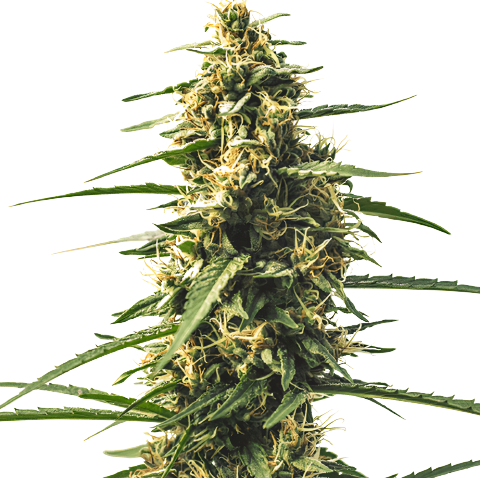
Origins: Sour Tsunami is one of the first strains specifically bred for high CBD content. Developed by crossing Sour Diesel with NYC Diesel, this strain was created by a cannabis breeder named Lawrence Ringo. Sour Tsunami is known for its therapeutic properties, especially for those seeking relief from pain without a strong psychoactive effect.
Chemical Profile:
- THC: 1-4%
- CBD: 10-11%
- Terpenes: Myrcene, Pinene, Terpinolene
Sour Tsunami is characterized by its low THC content and high CBD levels, making it an ideal strain for medical use. Myrcene, which heightens the sedative effects of the strain, and pinene, which promotes focus and alertness, are components of the terpene profile.
Medical Benefits: Sour Tsunami is highly regarded for its pain-relieving and anti-inflammatory properties. Patients with ailments like multiple sclerosis, arthritis, and persistent pain frequently utilize it. The strain’s high CBD content also makes it effective in managing anxiety, epilepsy, and muscle spasms. Additionally, the presence of terpinolene contributes to its anti-cancer and antioxidant properties.
Growing Conditions in Spain: Sour Tsunami thrives in Spain’s outdoor growing conditions, especially in regions with plenty of sunlight and a dry climate. The strain prefers well-drained soil and can benefit from organic nutrients to enhance its terpene profile. Given its sativa-dominant genetics, Sour Tsunami may grow tall, so topping and training techniques are recommended to manage its height and encourage bushier growth.
- Preferred Climate: Warm, dry, with plenty of sunlight
- Flowering Time: 9 weeks
- Yield: Medium (400-500g/m² indoors, 500-600g/plant outdoors)
- Resistance: High resistance to pests, moderate resistance to mold
4. Charlotte’s Web
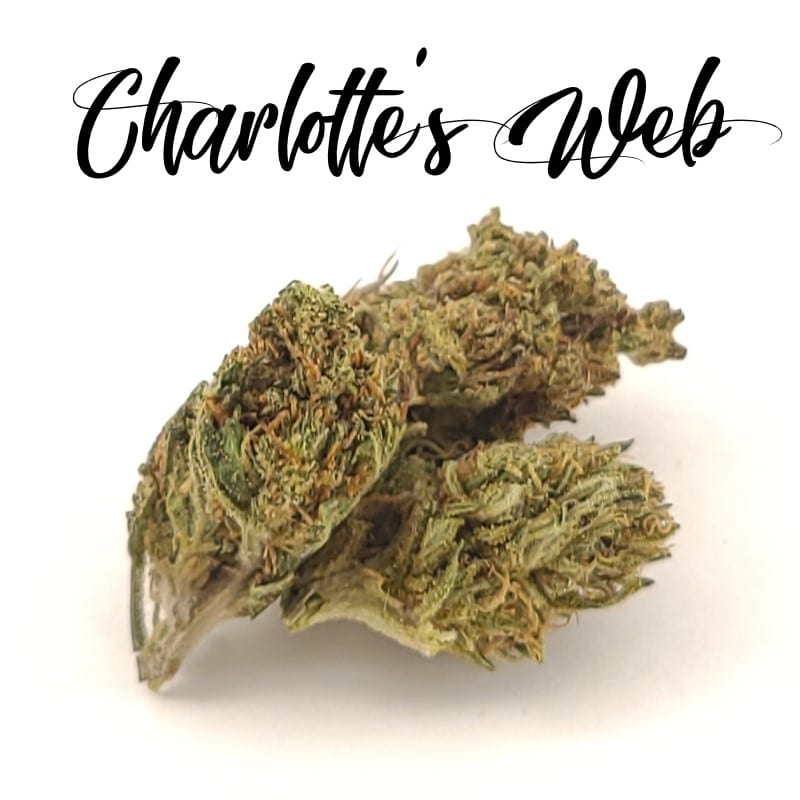
Origins: Charlotte’s Web is a renowned CBD strain developed by the Stanley Brothers in Colorado. Dravet syndrome is a severe kind of epilepsy that the little child Charlotte Figi suffered from, hence it was specifically bred for her. This strain is one of the most famous CBD-rich strains in the world and is often used for its powerful therapeutic effects without the high associated with THC.
Chemical Profile:
- THC: Less than 0.3%
- CBD: 15-20%
- Terpenes: Pinene, Humulene, Caryophyllene
Charlotte’s Web is recognized for its extremely low THC content and high CBD levels. The strain’s terpene profile includes pinene, which supports respiratory health, and humulene, known for its anti-inflammatory properties.
Medical Benefits: Charlotte’s Web is primarily used to treat epilepsy and seizure disorders, particularly in children. Its high CBD content provides neuroprotective effects, making it suitable for patients with neurological conditions such as multiple sclerosis, Parkinson’s disease, and traumatic brain injuries. Because of its analgesic and anti-inflammatory qualities, the strain is also useful in treating PTSD, anxiety, and chronic pain.
Growing Conditions in Spain: Charlotte’s Web is a versatile strain that can be grown indoors or outdoors. In Spain’s climate, outdoor cultivation is ideal due to the abundant sunlight, which helps enhance the plant’s CBD production. The strain prefers well-drained soil and benefits from organic fertilizers. Since Charlotte’s Web grows tall, similar to other sativa-dominant strains, growers should consider topping and training techniques to manage its height.
- Preferred Climate: Warm and sunny, with well-drained soil
- Flowering Time: 8-9 weeks
- Yield: Medium (400-500g/m² indoors, 500-600g/plant outdoors)
- Resistance: Good resistance to pests, moderate resistance to mold
5. Harlequin
-
 Harlequin CBD Cannabis SeedsFrom: $24.99
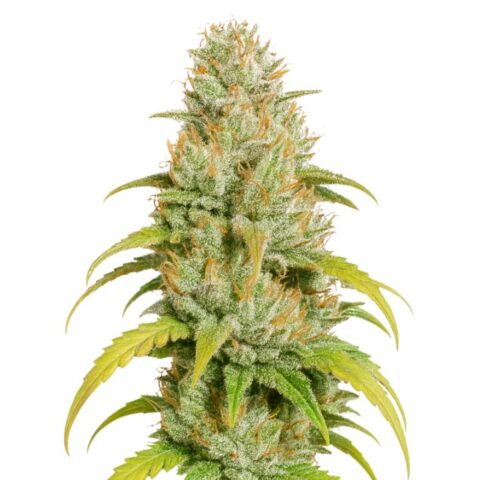
Origins: Harlequin is a sativa-dominant strain known for its consistently high CBD content. It is a cross between Colombian Gold, Thai, and a Nepali indica. Harlequin’s unique genetic makeup gives it a balanced cannabinoid profile, making it one of the most reliable strains for medical use.
Chemical Profile:
- THC: 5-10%
- CBD: 10-15%
- Terpenes: Myrcene, Humulene, Linalool
Harlequin’s balanced THC and CBD levels make it a top choice for patients who require both the analgesic effects of THC and the anti-inflammatory benefits of CBD. The strain’s terpene profile is rich in myrcene, which enhances its sedative effects, and linalool, which provides additional calming and anxiolytic properties.
Medical Benefits: Harlequin is widely used for its pain-relieving properties, particularly for conditions such as arthritis, fibromyalgia, and migraines. Its high CBD content also makes it effective in treating anxiety, PTSD, and muscle spasms. The strain is appropriate for daytime use because of its balanced profile, which permits patients to feel relief without experiencing strong euphoric effects.
Growing Conditions in Spain: Harlequin thrives in Spain’s Mediterranean climate, where the warm, dry conditions support healthy growth and resin production. The strain can be grown both indoors and outdoors, though outdoor cultivation will allow it to reach its full potential. Harlequin prefers well-drained soil and benefits from regular pruning to enhance airflow and light penetration. Due to its sativa-dominant nature, the plant may grow tall, so height management techniques such as topping are recommended.
- Preferred Climate: Warm, dry, with plenty of sunlight
- Flowering Time: 8-9 weeks
- Yield: Medium (400-500g/m² indoors, 500-600g/plant outdoors)
- Resistance: Good resistance to pests, moderate resistance to mold
Restrictions on Using Cannabis in Spain in the Medical Field as a Last Resort

Legal Framework and Medical Use of Cannabis in Spain
In Spain, the legal framework for the use of cannabis in the medical field is complex and has been evolving in recent years. While the recreational use of cannabis remains illegal, certain medical uses have been allowed under specific conditions. The Spanish Agency of Medicines and Medical Devices (AEMPS) regulates the use of cannabis-based medicines, ensuring that these products meet safety, efficacy, and quality standards.
As of 2024, the use of cannabis in the medical field in Spain is generally considered a “last resort” treatment, meaning it is only recommended when conventional treatments have failed or are not suitable. This approach aligns with a cautious regulatory stance, reflecting concerns about the potential risks associated with cannabis use, particularly its psychoactive effects.
Conditions for Prescribing Cannabis as a Last Resort
- Specific Medical Conditions: Cannabis-based medications are typically prescribed for a limited number of conditions where there is strong evidence supporting their efficacy. These conditions include chronic pain (especially in cases related to cancer), multiple sclerosis, epilepsy, and certain psychiatric disorders. Cannabis is only taken into consideration for the majority of other conditions after all other therapeutic options have been used up.
- Evaluation by Specialists: Only medical specialists, such as neurologists, oncologists, or pain management experts, are authorized to prescribe cannabis-based treatments. These specialists must thoroughly evaluate the patient’s medical history, current treatments, and overall health before considering cannabis as a treatment option.
- Documentation and Justification: The decision to use cannabis as a last resort must be thoroughly documented, with a clear justification for why conventional treatments were deemed inadequate. Monitoring the usage of cannabis-based medicines is aided by this paperwork, which is essential for regulatory compliance.
- Patient Consent: Patients must be fully informed about the potential risks and benefits of using cannabis-based medications. Informed consent is a legal requirement, ensuring that patients are aware of the treatment’s experimental nature and the possibility of psychoactive effects, especially if the medication contains THC.
- Continuous Monitoring: Once cannabis-based treatment is initiated, patients must be closely monitored for efficacy and side effects. Frequent follow-up visits are required to evaluate the effects of the treatment and, if necessary, modify dosages. Monitoring also helps in identifying any potential misuse or adverse effects, particularly concerning THC’s psychoactive properties.
Monitoring THC Levels in Medications to Prevent Psychoactive Effects

The main psychoactive ingredient in cannabis, tetrahydrocannabinol (THC), is what gives users of the plant their “high”. In medical treatments, the presence of THC must be carefully managed to prevent psychoactive effects, which can be undesirable or harmful, particularly in vulnerable patient populations such as those with mental health disorders or children.
Strategies for Monitoring and Controlling THC Levels
- CBD-Dominant Strains and Medications: In the medical field, CBD (cannabidiol)-dominant strains are often preferred because they provide therapeutic benefits without the psychoactive effects of THC. Medications derived from CBD-rich strains, like Epidiolex (used for epilepsy), have been approved for medical use due to their minimal THC content.
- THC Limit Regulations: Spanish regulations mandate strict limits on the THC content in cannabis-based medications. Typically, the THC concentration in these medications is kept below a certain threshold (e.g., less than 0.2% THC by weight) to minimize psychoactive effects while still allowing the therapeutic benefits of other cannabinoids like CBD.
- Standardized Products: Cannabis-based medications used in Spain are required to be standardized to ensure consistent THC levels. This standardization is achieved through rigorous testing during the production process. Only products that meet these stringent standards are approved for medical use.
- Pharmacovigilance: Pharmacovigilance programs are essential for monitoring the safety of cannabis-based medications in real-time. Healthcare providers are required to report any adverse effects related to these treatments, including any unintended psychoactive effects. This data is used to continuously assess and regulate the use of cannabis in the medical field.
- Personalized Dosing: Due to the variability in individual responses to THC, personalized dosing is crucial. Medical professionals may start patients on very low doses and gradually increase them while monitoring for psychoactive effects. To make sure the THC level stays within safe bounds, adjustments are done in accordance with the patient’s tolerance and the efficacy of the treatment.
- Patient Education: Educating patients about the importance of adhering to prescribed dosages and not self-medicating is critical. Patients must understand that even slight deviations from the prescribed dose can lead to psychoactive effects, which may impair cognitive function or exacerbate underlying conditions.
- Regular Testing: In some cases, regular blood or urine tests may be used to monitor THC levels in patients undergoing long-term cannabis-based treatments. This testing helps ensure that THC levels remain within the therapeutic range and do not pose a risk of psychoactive effects.
Regulatory Oversight and Future Directions
The Spanish government continues to review and refine regulations surrounding the medical use of cannabis. As research progresses, there may be further developments in how cannabis is prescribed and monitored, with a focus on maximizing therapeutic benefits while minimizing risks.
In the future, Spain may see an expansion in the conditions for which cannabis can be prescribed, as well as more sophisticated methods for monitoring THC levels. Advances in cannabis breeding may also lead to the development of new strains with optimal cannabinoid profiles for medical use, further reducing the potential for psychoactive effects.
Conclusion
In Spain, the cultivation and use of medical cannabis are shaped by the country’s unique climate and regulatory framework. The top five medical cannabis strains—CBD Critical Mass, OG Kush CBD, Sour Tsunami, Charlotte’s Web, and Harlequin—are particularly well-suited for Spain’s Mediterranean environment, offering robust therapeutic benefits while being manageable for both indoor and outdoor cultivation.
Each of these strains has been selected for its specific chemical profile, balancing THC and CBD levels to provide maximum medical efficacy with minimal psychoactive effects. Whether it’s pain management, anxiety relief, or treatment for neurological conditions, these strains offer a spectrum of benefits tailored to the needs of medical patients in Spain.
The legal framework in Spain underscores the careful, responsible use of cannabis in the medical field, emphasizing its role as a last resort when conventional treatments fail. This approach reflects the ongoing concern about the potential psychoactive effects of THC, necessitating strict monitoring and regulation of THC levels in medical cannabis products. Through the implementation of strategies like using CBD-dominant strains, setting THC limits, and personalizing dosing, Spain ensures that patients can access the benefits of medical cannabis while minimizing the risks.
As medical cannabis continues to be a valuable therapeutic option, Spain’s careful approach serves as a model for balancing innovation in medical treatments with patient safety. By adhering to these guidelines and monitoring systems, the cultivation and use of medical cannabis in Spain will continue to evolve, providing patients with effective and safe treatment options.
