Here are the top 5 cannabis strains well-suited for hot climates:
- Durban Poison:
- Origin: South Africa
- Type: Pure Sativa
- Characteristics: Known for its resistance to heat and mold, Durban Poison grows tall with long, slender leaves. It produces a sweet, earthy aroma with uplifting and energetic effects.
- Characteristics: Known for its resistance to heat and mold, Durban Poison grows tall with long, slender leaves. It produces a sweet, earthy aroma with uplifting and energetic effects.
-
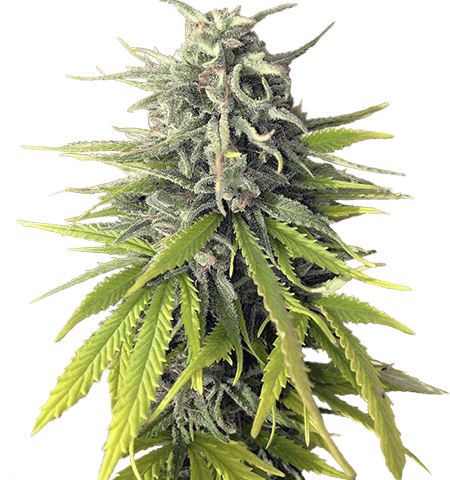 Durban Poison Cannabis SeedsFrom: $24.99
- Acapulco Gold:
- Origin: Mexico
- Type: Sativa-dominant
- Characteristics: This strain thrives in hot climates and is famous for its resinous buds and distinct gold coloration. It offers a sweet, fruity flavor with a balanced, euphoric high.
-
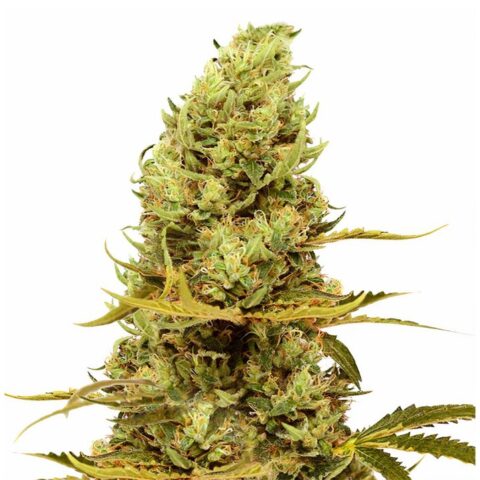 Acapulco Gold Cannabis SeedsFrom: $24.99
- Super Silver Haze:
- Origin: Hybrid of Skunk, Northern Lights, and Haze
- Type: Sativa-dominant
- Characteristics: Super Silver Haze performs well in hot climates, producing high yields and strong resistance to mold. It has a spicy, citrus flavor and delivers a long-lasting, energetic high.
-
 Super Silver Haze Cannabis SeedsFrom: $24.99
- Sour Diesel:
- Origin: Hybrid of Chemdawg, Northern Lights, and Skunk No. 1
- Type: Sativa-dominant
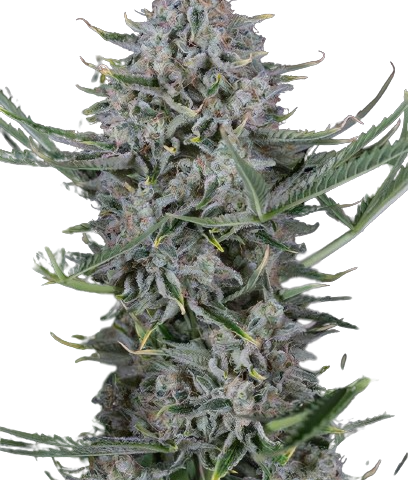
- Characteristics: Sour Diesel is known for its ability to withstand high temperatures and its pungent, diesel-like aroma. It provides an invigorating, cerebral high with stress-relieving effects.
-
 Sour Diesel Cannabis SeedsFrom: $24.99
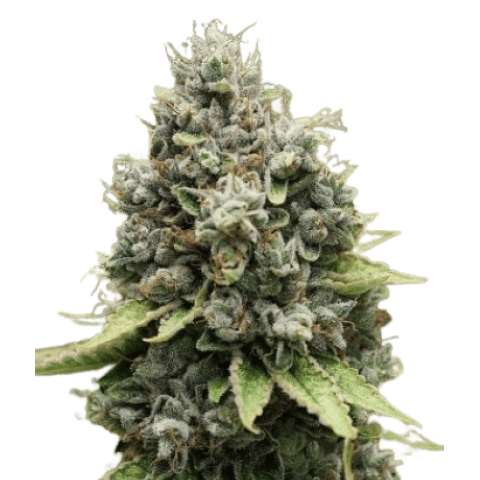
- Blue Dream:
- Origin: Hybrid of Blueberry and Haze
- Type: Hybrid (Sativa-dominant)
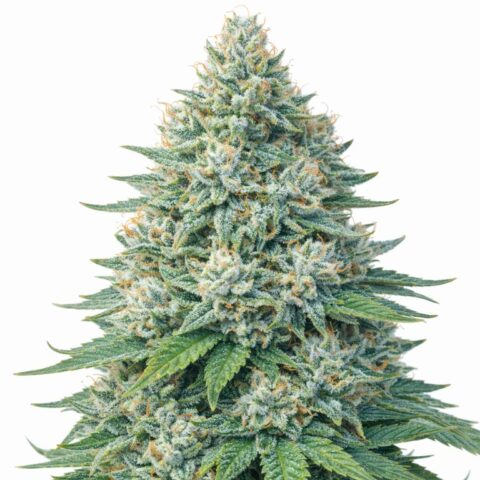
- Characteristics: Blue Dream adapts well to hot climates and offers large yields. It has a sweet, berry aroma with balanced effects that provide full-body relaxation and gentle cerebral invigoration.
-
Blue Dream Cannabis SeedsFrom: $24.99
Pure Sativa strains are particularly well-suited for hot climates for several reasons:
- Geographical Origin: Sativas originate from regions near the equator, such as Central America, Southeast Asia, and parts of Africa, where the climate is typically hot and humid. These strains have naturally adapted to thrive in these conditions.
- Growth Structure: Sativas tend to grow tall and have thin, narrow leaves. This growth structure allows for better air circulation around the plant, reducing the risk of mold and mildew, which can be problematic in hot and humid environments.
- Light and Heat Tolerance: Sativas are accustomed to long days of intense sunlight. They can handle higher temperatures and more direct light compared to Indicas, which generally come from cooler, mountainous regions.
- Flowering Time: Sativas usually have a longer flowering period, which means they can take advantage of extended warm seasons. This allows them to develop fully and produce high-quality buds without being rushed by the onset of colder weather.
- Resilience: Sativas have developed resilience to various environmental stressors, including high temperatures. Their genetic makeup allows them to continue growing and producing even in less-than-ideal conditions, making them a reliable choice for hot climates.
Sativa-dominant strains are well-suited for growth in hot climates for several reasons:
- Genetic Heritage: Sativa-dominant strains inherit many of the favorable traits from their pure Sativa lineage, which originated in equatorial regions with hot climates. This genetic background makes them naturally more adapted to thrive in high temperatures and intense sunlight.
- Plant Structure: Sativa-dominant plants generally have a tall, lanky structure with long, thin leaves. This morphology allows for better airflow and light penetration, which helps to reduce the risk of mold and other fungal issues that can be exacerbated by heat and humidity.
- Heat Tolerance: Sativa-dominant strains can better withstand higher temperatures compared to Indica-dominant strains. Their ability to tolerate heat without experiencing stress makes them ideal for regions where temperatures can soar.
- Extended Flowering Period: Like pure Sativas, Sativa-dominant strains often have a longer flowering period. This trait allows them to take full advantage of extended warm seasons, ensuring they can mature fully and produce high yields without being rushed by cooler weather.
- High Light Demand: Sativa-dominant strains typically require more light to achieve their full potential. Hot climates with abundant sunshine provide the optimal conditions for these plants to grow vigorously and produce high-quality buds.
- Resilience: Sativa-dominant strains tend to be more resilient to environmental stressors such as high temperatures, pests, and diseases. This robustness makes them a reliable choice for outdoor cultivation in hot climates where conditions can be challenging.
Overall, the combination of genetic adaptation, structural advantages, and resilience to heat makes Sativa-dominant strains a good choice for growers in hot climates.
Sativa-dominant hybrids that originate from a mix of Skunk, Northern Lights, and Haze strains are particularly well-suited for hot climates due to a combination of their genetic traits and inherited characteristics from their parent strains:
- Genetic Diversity and Robustness:
- Skunk: Known for its robust and hardy nature, Skunk contributes to the resilience of the hybrid, allowing it to withstand various environmental stressors, including high temperatures.
- Northern Lights: While primarily an Indica, Northern Lights contributes to the hybrid’s stability and robustness, providing a balanced growth pattern and enhancing its ability to thrive in diverse conditions.
- Haze: A classic Sativa, Haze brings its high heat and light tolerance to the mix. It thrives in warm climates and can handle extended periods of intense sunlight.
- Plant Structure and Growth:
- These hybrids often inherit the tall, lanky structure and thin leaves typical of Sativas from Haze, which promotes better air circulation and light penetration. This structure helps prevent mold and mildew in hot and humid environments.
- The Skunk and Northern Lights genetics can contribute to a more manageable plant size and improved bud structure, combining the best traits of Sativa and Indica growth patterns.
- Heat and Light Tolerance:
- Sativa-dominant hybrids, especially those with Haze genetics, are well-adapted to high temperatures and intense sunlight. They can thrive in regions with prolonged periods of heat and light without experiencing stress.
- The hybrid vigor resulting from the combination of Skunk, Northern Lights, and Haze makes these plants particularly resilient to heat stress.
- Flowering Time and Yield:
- While pure Sativas have long flowering periods, hybrids often have a slightly shorter flowering time, thanks to the influence of Northern Lights and Skunk. This balance allows the plants to fully mature within the warm season, ensuring high yields and quality buds.
- These hybrids typically produce abundant and potent yields, making them an attractive choice for growers in hot climates.
- Resilience to Pests and Diseases:
- The genetic diversity from combining Skunk, Northern Lights, and Haze results in plants that are more resistant to pests and diseases, which can be more prevalent in hot climates. This resilience helps ensure a successful harvest even in challenging conditions.
Overall, the combination of genetic traits from Skunk, Northern Lights, and Haze creates Sativa-dominant hybrids that are well-equipped to handle the challenges of hot climates, making them an excellent choice for growers in such regions.
Sativa-dominant hybrids originating from a mix of Chemdawg, Northern Lights, and Skunk are well-suited for hot climates due to their combined genetic traits and the specific advantages each parent strain contributes. Here’s why these hybrids are a good choice:
- Genetic Robustness and Resilience:
- Chemdawg: Known for its potent effects and robust growth, Chemdawg brings a strong resistance to environmental stressors, including heat. It can handle intense sunlight and higher temperatures well.
- Northern Lights: Primarily an Indica, Northern Lights contributes stability, hardiness, and resilience to pests and diseases, enhancing the overall robustness of the hybrid.
- Skunk: Skunk strains are renowned for their vigor and resilience. They thrive in various conditions, including hot climates, and provide the hybrid with a strong growth foundation.
- Plant Structure and Growth Characteristics:
- These hybrids often inherit the best traits from both Sativa and Indica parents. The Sativa influence from Chemdawg and Skunk results in taller plants with thinner leaves, which promote better air circulation and light penetration, reducing the risk of mold and mildew in hot and humid conditions.
- Northern Lights contributes to a more compact and manageable plant structure while maintaining robustness, making the plants easier to grow and care for.
- Heat and Light Tolerance:
- Sativa-dominant hybrids with Chemdawg genetics are particularly good at tolerating high temperatures and intense light. These plants can handle the prolonged periods of heat and sunlight typical of hot climates without experiencing significant stress.
- The hybrid vigor from combining these strains enhances their overall ability to thrive in hot climates, ensuring healthy growth and high yields.
- Flowering Time and Yield:
- While pure Sativas have long flowering periods, these hybrids often have a more balanced flowering time due to the influence of Northern Lights and Skunk. This allows them to fully mature within the warm season, providing high yields and quality buds.
- These hybrids typically produce abundant and potent yields, making them an attractive choice for growers in hot climates.
- Resistance to Pests and Diseases:
- The genetic diversity from combining Chemdawg, Northern Lights, and Skunk results in plants that are more resistant to pests and diseases, which can be more prevalent in hot climates. This resilience helps ensure a successful harvest even in challenging conditions.
- Aroma and Flavor:
- These hybrids often inherit a rich and complex terpene profile from their parent strains, resulting in unique and desirable aromas and flavors. Chemdawg brings a pungent, diesel-like aroma, Skunk adds a sweet and earthy scent, and Northern Lights contributes a smooth, sweet, and spicy flavor.
Overall, the combination of genetic traits from Chemdawg, Northern Lights, and Skunk creates Sativa-dominant hybrids that are well-equipped to handle the challenges of hot climates, making them an excellent choice for growers in such regions.
Sativa-dominant hybrids originating from a mix of Blueberry and Haze, such as the popular strain Blue Dream, are well-suited for hot climates due to the complementary traits they inherit from both parent strains. Here’s why these hybrids are a good choice for hot climates:
- Genetic Robustness and Adaptability:
- Blueberry: While primarily an Indica, Blueberry brings robust genetics and a strong resistance to pests and diseases. It also contributes to the overall hardiness of the hybrid, allowing it to handle various environmental stressors.
- Haze: A classic Sativa strain, Haze is known for its excellent performance in hot climates, high heat tolerance, and ability to thrive under intense sunlight. This makes Haze-dominant hybrids particularly well-suited for warm conditions.
- Plant Structure and Growth Characteristics:
- The hybrid inherits the tall, lanky structure and thin leaves typical of Sativas from Haze. This plant morphology promotes better air circulation and light penetration, reducing the risk of mold and mildew in hot and humid environments.
- Blueberry adds to the structural stability of the plants, making them more manageable and sturdy, which is beneficial for outdoor cultivation in hot climates.
- Heat and Light Tolerance:
- Sativa-dominant hybrids with Haze genetics are particularly good at tolerating high temperatures and intense light. These plants can handle prolonged periods of heat and sunlight typical of hot climates without experiencing significant stress.
- The genetic combination enhances the plant’s overall ability to thrive in hot climates, ensuring healthy growth and high yields.
- Flowering Time and Yield:
- While pure Sativas have long flowering periods, these hybrids often have a more balanced flowering time due to the influence of Blueberry. This balance allows the plants to fully mature within the warm season, providing high yields and quality buds.
- These hybrids typically produce abundant and potent yields, making them an attractive choice for growers in hot climates.
- Resistance to Pests and Diseases:
- The genetic diversity from combining Blueberry and Haze results in plants that are more resistant to pests and diseases, which can be more prevalent in hot climates. This resilience helps ensure a successful harvest even in challenging conditions.
- Aroma and Flavor:
- These hybrids often inherit a rich and complex terpene profile from their parent strains, resulting in unique and desirable aromas and flavors. Blueberry contributes a sweet, berry-like aroma, while Haze adds spicy and citrusy notes, making the overall sensory experience appealing.
Overall, the combination of genetic traits from Blueberry and Haze creates Sativa-dominant hybrids that are well-equipped to handle the challenges of hot climates, making them an excellent choice for growers in such regions.
