
Top 5 Medical Cannabis Strains in Europe
Cannabis has a long history of use in Europe, both for medicinal and therapeutic purposes. As medical cannabis programs have expanded across the continent, certain strains have gained prominence for their therapeutic efficacy. This comprehensive guide examines the top five medical cannabis strains in Europe, exploring their origins, chemical profiles, medical benefits, and optimal growing conditions. The focus is strictly on their medical use, with no discussion of recreational use or consumption methods.
1. Bedrocan
Origins
Bedrocan is a proprietary cannabis strain developed by the Dutch company Bedrocan BV. It was specifically bred for medical use and has been available to patients in the Netherlands since 2003. Bedrocan BV is one of the few companies in Europe licensed to produce standardized medicinal cannabis, and their strains, including Bedrocan, have become staples in the medical cannabis landscape across Europe.
Chemical Profile
Bedrocan is a high-THC strain, typically containing around 22% THC with negligible amounts of CBD (less than 1%). The strain is known for its consistency, providing a standardized and reliable chemical profile that is crucial for medical applications.
- THC: 22%
- CBD: <1%
- Terpenes: Myrcene, Pinene, Limonene
Medical Benefits
Bedrocan’s high THC content makes it particularly effective for managing chronic pain, muscle spasms, and nausea. Patients with ailments like multiple sclerosis, arthritis, and some forms of cancer are frequently prescribed this medication. The strain’s predictable effects and the absence of significant CBD make it suitable for patients who require potent THC for symptom relief without the moderating effects of CBD.
- Pain Management: Bedrocan is often prescribed for chronic pain conditions, providing relief for patients suffering from severe discomfort due to conditions like fibromyalgia or neuropathy.
- Muscle Spasms: Its muscle relaxant properties are beneficial for patients with multiple sclerosis or other neurological disorders that cause spasticity.
- Nausea: Particularly in people receiving chemotherapy or with illnesses affecting appetite and digestion, bedrocan is useful in reducing nausea.
Growing Conditions
Bedrocan is cultivated under highly controlled indoor conditions to ensure consistency in cannabinoid and terpene profiles. The strain requires a stable environment with optimal light, temperature, and humidity levels.
- Light: 18 hours of light during the vegetative stage and 12 hours during the flowering stage.
- Temperature: 22-26°C (72-78°F)
- Humidity: 40-50% during the flowering stage to prevent mold.
- Flowering Time: 8-9 weeks
Bedrocan is not typically grown by individuals due to its proprietary nature and the need for stringent cultivation standards. However, for commercial production, maintaining consistent environmental conditions is key to producing high-quality medical cannabis.
2. Charlotte’s Web

Origins
Charlotte’s Web is a high-CBD strain that gained international fame for its role in treating a young girl named Charlotte Figi, who suffered from Dravet syndrome, a severe form of epilepsy. The strain was developed by the Stanley Brothers in Colorado but has since become a cornerstone in the medical cannabis community across Europe, particularly in countries where medical cannabis is legal and accessible.
Chemical Profile
Charlotte’s Web is well known for having a high CBD concentration (usually between 15 and 20%) and a very low THC content (less than 0.3%). Because of this, it is a non-psychoactive strain that is perfect for people who require the medicinal advantages of cannabis without any of the side effects.
- THC: <0.3%
- CBD: 15-20%
- Terpenes: Linalool, Caryophyllene, Myrcene
Medical Benefits
The high CBD content of Charlotte’s Web makes it effective for treating a wide range of conditions without the psychoactive effects associated with THC. It is particularly beneficial for patients with epilepsy, anxiety, and inflammatory conditions.
- Epilepsy: Charlotte’s Web has been extensively studied for its anti-seizure properties, making it a preferred choice for patients with epilepsy, especially pediatric cases.
- Anxiety: The strain’s calming effects help manage anxiety and stress without the risk of intoxication.
- Inflammation: Because of its anti-inflammatory qualities, it is helpful for treating inflammatory disorders such as Crohn’s disease and arthritis.
Growing Conditions
Charlotte’s Web can be grown both indoors and outdoors, although outdoor cultivation is preferred in regions with a warm, temperate climate. The strain can be grown by a variety of cultivators because to its relative ease of cultivation.
- Light: Prefers full sunlight when grown outdoors.
- Temperature: 21-26°C (70-80°F)
- Humidity: 50-60% during vegetative growth, reduced to 40-50% during flowering.
- Flowering Time: 8-9 weeks
Charlotte’s Web thrives in well-drained, nutrient-rich soil. When grown outdoors, it benefits from a long growing season, allowing the plant to fully mature and develop its characteristic high-CBD profile.
3. CBD Therapy
-
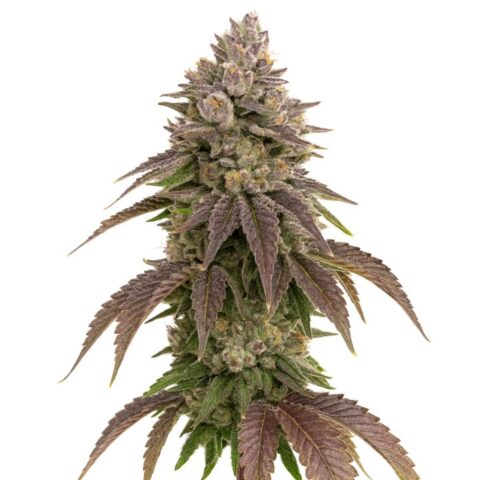 CBD Therapy Cannabis SeedsFrom: $24.99
Origins
CBD Therapy is a groundbreaking strain developed by the breeders at the CBD Crew, a collaboration between Mr. Nice Seedbank and Resin Seeds. This strain was one of the first to offer a low THC and high CBD ratio, specifically bred for medical use. It has gained significant popularity in Europe, particularly in countries with well-established medical cannabis programs.
Chemical Profile
CBD Therapy offers a unique cannabinoid profile, with CBD levels ranging from 8-10% and THC levels consistently below 0.5%. This makes it an ideal strain for patients seeking the medicinal benefits of CBD without the psychoactive effects of THC.
- THC: <0.5%
- CBD: 8-10%
- Terpenes: Myrcene, Pinene, Limonene
Medical Benefits
CBD Therapy is suitable for a variety of medical conditions due to its balanced cannabinoid profile. The strain is particularly effective for managing anxiety, chronic pain, and inflammation.
- Anxiety and Stress Relief: The high CBD content in CBD Therapy provides significant anxiolytic effects, making it a popular choice for patients with anxiety disorders.
- Chronic Pain: Patients with conditions like arthritis or fibromyalgia often use CBD Therapy for its pain-relieving properties without the side effects associated with THC.
- Anti-Inflammatory: CBD Therapy’s anti-inflammatory properties are beneficial for managing autoimmune diseases and chronic inflammatory conditions.
Growing Conditions
CBD Therapy can be grown both indoors and outdoors, although it performs best in a controlled indoor environment where conditions can be closely monitored.
- Light: Requires strong light sources for optimal growth; 18 hours of light during vegetative and 12 hours during flowering.
- Temperature: 20-26°C (68-78°F)
- Humidity: Maintain at 40-50% during flowering to prevent mold and mildew.
- Flowering Time: 8-9 weeks
When grown outdoors, CBD Therapy prefers a warm, Mediterranean climate. It is a resilient strain, making it suitable for beginner growers and those looking to cultivate a reliable medical cannabis crop.
4. Cannatonic
-
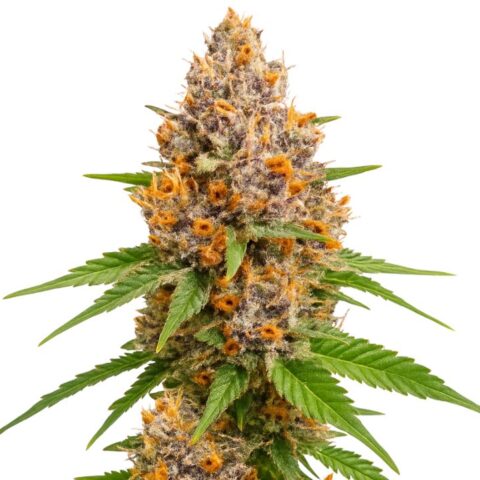
 Cannatonic CBD Cannabis SeedsFrom: $24.99
Origins
Cannatonic is a hybrid strain developed by Resin Seeds, a Spanish seed bank renowned for producing high-CBD strains. Cannatonic was one of the first strains specifically bred to have a 1:1 ratio of THC to CBD, offering balanced therapeutic effects without the overwhelming psychoactivity of high-THC strains. This strain of medical cannabis has grown to be highly sought after in Europe.
Chemical Profile
Cannatonic typically contains between 6-9% THC and 6-9% CBD, although some phenotypes may lean more towards one cannabinoid. This balanced ratio makes it versatile for a wide range of medical conditions.
- THC: 6-9%
- CBD: 6-9%
- Terpenes: Myrcene, Caryophyllene, Pinene
Medical Benefits
Cannatonic’s balanced cannabinoid profile provides broad-spectrum relief for various medical conditions. It is particularly effective for pain management, muscle spasms, and anxiety.
- Pain Management: The equal levels of THC and CBD offer potent analgesic effects, making it a go-to strain for patients with chronic pain conditions.
- Muscle Spasms: Cannatonic is often prescribed to patients with multiple sclerosis and other conditions that cause muscle spasms, providing relief without significant intoxication.
- Anxiety: The calming effects of Cannatonic are beneficial for managing anxiety and stress, with the CBD counteracting the potential anxiety-inducing effects of THC.
Growing Conditions
Cannatonic can be grown indoors or outdoors, although it is generally recommended for indoor cultivation where environmental factors can be controlled.
- Light: Requires intense light, with 18 hours of light during vegetative growth and 12 hours during flowering.
- Temperature: 20-26°C (68-78°F)
- Humidity: Maintain at 40-50% during flowering.
- Flowering Time: 9-10 weeks
Cannatonic is a moderately difficult strain to grow, requiring careful attention to nutrient levels and environmental conditions. It thrives in a stable climate with consistent temperatures and humidity.
5. Bedrolite
Origins
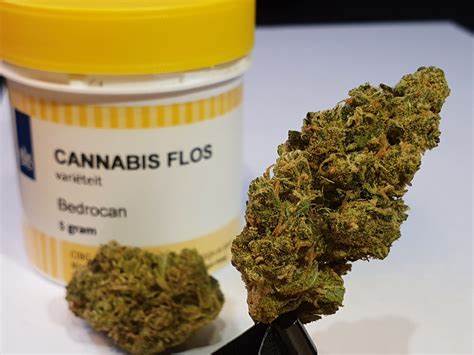
Bedrolite is another strain developed by Bedrocan BV in the Netherlands, specifically for patients who require high CBD content with minimal THC. Bedrolite is widely prescribed across Europe, especially for patients who need the therapeutic benefits of cannabis without the psychoactive effects.
Chemical Profile
Bedrolite typically contains 9% CBD and less than 1% THC, making it one of the preferred strains for patients who require high-CBD, low-THC cannabis for medical treatment.
- THC: <1%
- CBD: 9%
- Terpenes: Myrcene, Limonene, Humulene
Medical Benefits
Bedrolite is particularly effective for treating epilepsy, anxiety, and inflammatory conditions. Its high CBD content and minimal THC make it suitable for pediatric and elderly patients, as well as those who are sensitive to THC.
- Epilepsy: Bedrolite is prescribed for patients with epilepsy, providing significant seizure reduction without the psychoactive effects of THC.
- Anxiety: Its calming effects help manage anxiety and stress, making it suitable for long-term use without concerns about intoxication.
- Inflammation: Because of its anti-inflammatory qualities, bedrolite is helpful for treating chronic inflammatory diseases such as rheumatoid arthritis and Crohn’s disease.
Growing Conditions
Bedrolite, like other Bedrocan strains, is typically grown under controlled indoor conditions to ensure consistency in cannabinoid and terpene profiles.
- Light: needs constant light levels; for vegetative growth, 18 hours and for flowering, 12 hours are needed.
- Temperature: 22-26°C (72-78°F)
- Humidity: 40-50% during flowering to prevent mold and mildew.
- Flowering Time: 9-10 weeks
Bedrolite is not commonly grown by individuals due to its proprietary nature and the need for strict quality control. However, in a commercial setting, maintaining stable environmental conditions is crucial for producing high-quality medical cannabis.
Restrictions on Using Cannabis in Europe in the Medical Field as a Last Resort

The use of cannabis in the medical field across Europe is subject to a complex and varied regulatory landscape. While several countries have legalized or decriminalized medical cannabis, the restrictions and conditions under which it can be used vary significantly. One commonality, however, is that cannabis is often considered a treatment of last resort. This means that it is typically prescribed only when conventional treatments have failed or are deemed unsuitable. Below are key aspects of these restrictions and the rationale behind them:
1. Legal Frameworks and Regulations
- National Health Regulations: In many European countries, medical cannabis can only be prescribed within a tightly controlled framework. Countries like Germany, Italy, and the Netherlands have formalized the use of medical cannabis through national health regulations, requiring that it be prescribed by a licensed healthcare provider. These regulations often stipulate that cannabis should be considered only after other treatment options have been exhausted.
- Prescribing Guidelines: In countries where medical cannabis is legal, such as Germany and the United Kingdom, there are specific guidelines for its prescription. These guidelines often dictate that cannabis should be used as a last resort, particularly in treating chronic pain, epilepsy, multiple sclerosis, and nausea associated with chemotherapy. Physicians must demonstrate that other treatments have failed or are not suitable before prescribing cannabis.
- Access and Reimbursement: Access to medical cannabis can be limited by strict conditions for reimbursement under national health insurance systems. For example, in Germany, patients can only be reimbursed for medical cannabis if it is prescribed for severe conditions where other therapies have proven ineffective. This creates an additional barrier, reinforcing its use as a last resort.
2. Clinical Evidence and Medical Necessity
- Evidence-Based Medicine: One of the main reasons cannabis is often used as a last resort is the relative lack of extensive clinical evidence compared to conventional treatments. Although there is growing research supporting the efficacy of cannabis in treating certain conditions, it is still considered less proven than many pharmaceutical options. Health authorities across Europe tend to require robust evidence of cannabis’s efficacy and safety before allowing it to be used as a first-line treatment.
- Medical Necessity: In many jurisdictions, medical cannabis is prescribed based on the principle of medical necessity. This principle requires that cannabis is only prescribed when it is medically necessary and no other treatment options are viable. This is particularly true for severe or treatment-resistant conditions, where cannabis may offer relief when other therapies fail.
3. Ethical Considerations
- Patient Safety: The ethical obligation to protect patient safety is a significant factor in the restrictions surrounding medical cannabis. Because of the potential for psychoactive effects, especially in high-THC strains, there is a cautious approach to prescribing cannabis. This is particularly true in vulnerable populations, such as children, the elderly, and those with mental health conditions, where the risks of psychoactive effects are considered higher.
- Informed Consent: Physicians are required to obtain informed consent from patients when prescribing cannabis, which includes discussing the potential risks and benefits. Given that cannabis is often seen as a last resort, patients must be fully aware of the reasons for choosing cannabis over other treatments, the expected outcomes, and the potential side effects.
4. Monitoring and Reporting
- Prescription Monitoring: In countries with legal medical cannabis, there are often stringent monitoring systems in place to track prescriptions. For instance, in the Netherlands, every prescription of medical cannabis is recorded, allowing for close monitoring of its use and effectiveness. This also ensures that cannabis is prescribed in accordance with national guidelines, particularly as a last resort.
- Adverse Event Reporting: Healthcare providers are typically required to report any adverse effects associated with medical cannabis use. This is crucial for ongoing assessment of its safety profile, particularly when used as a last resort. Such monitoring helps to refine prescribing practices and guidelines, ensuring that cannabis is used safely and effectively.
Monitoring THC Levels in Medications to Prevent Psychoactive Effects
Monitoring THC levels in medical cannabis products is crucial to minimizing the risk of psychoactive effects, particularly for patients who are sensitive to THC or who require consistent and predictable therapeutic outcomes. Here’s an overview of the methods and practices used across Europe to monitor and control THC levels in medical cannabis:
1. Standardization and Quality Control
- Product Standardization: European regulations often require that medical cannabis products be standardized to ensure consistent cannabinoid content. For instance, the Netherlands and Germany have stringent quality control standards that mandate the precise labeling of THC and CBD levels in all medical cannabis products. This standardization is critical for preventing unwanted psychoactive effects by ensuring patients receive consistent dosages.
- Batch Testing: Medical cannabis products are subject to batch testing to verify their cannabinoid content, including THC levels. In countries like Italy and Denmark, medical cannabis producers must submit their products for testing before they can be distributed. This testing verifies that the THC content is within the specified range, preventing unintentional psychoactive effects.
2. Prescription Guidelines and Dosage Control
- Low-THC Formulations: In many European countries, low-THC cannabis products are preferred for medical use, especially for patients who are new to cannabis treatment or who are at risk of experiencing adverse effects from THC. These formulations often have a high CBD content to counteract the psychoactive effects of THC. For example, strains like Bedrolite, which has less than 1% THC, are widely used.
- Titration and Monitoring: Physicians are advised to start with the lowest effective dose and titrate slowly to monitor patient response. This approach helps in managing the psychoactive effects by ensuring that patients are not exposed to high levels of THC too quickly. Continuous monitoring during treatment allows for dosage adjustments based on patient tolerance and therapeutic response.
3. Patient-Specific Considerations
- Vulnerable Populations: Special care is taken when prescribing THC-containing cannabis to vulnerable populations, such as children, the elderly, and those with mental health conditions. For these groups, the risk of psychoactive effects is higher, and so low-THC or THC-free formulations are often recommended. Monitoring is particularly stringent in these cases to ensure safety.
- Patient Education: Patients are educated about the potential psychoactive effects of THC and are advised to report any adverse effects immediately. This proactive approach helps in adjusting treatment plans to mitigate the risk of psychoactive effects, ensuring that the therapeutic benefits of cannabis are achieved without compromising patient safety.
4. Regulatory Oversight
- European Medicines Agency (EMA): In countries where medical cannabis is regulated under pharmaceutical frameworks, such as Germany and Italy, the European Medicines Agency plays a role in overseeing the safety and efficacy of these products. This includes monitoring THC levels in medications to ensure they meet safety standards and do not produce unintended psychoactive effects.
- National Cannabis Agencies: Some countries, like the Netherlands, have established national cannabis agencies responsible for the production, distribution, and regulation of medical cannabis. These agencies ensure that THC levels in medical cannabis are strictly controlled and that products are tested and standardized before reaching patients.
5. Research and Continuous Improvement
- Ongoing Research: Research into the effects of THC and how to minimize its psychoactive effects while maximizing therapeutic benefits is ongoing. This research informs best practices in prescribing and monitoring THC-containing cannabis products in the medical field.
- Guideline Updates: As new research emerges, national health authorities and medical associations across Europe continuously update their guidelines to reflect the latest understanding of how to use THC-containing cannabis safely and effectively. This includes refining methods for monitoring THC levels and preventing psychoactive effects in patients.
Conclusion
The medical use of cannabis in Europe is defined by a highly regulated and cautious approach, rooted in the need to ensure patient safety while providing therapeutic benefits. Across the continent, medical cannabis is often reserved as a treatment of last resort, particularly in cases where conventional therapies have proven ineffective or unsuitable. This status as a last resort underscores the importance of thorough clinical evidence, careful patient monitoring, and adherence to stringent prescribing guidelines.
The five strains discussed—Bedrocan, Charlotte’s Web, CBD Therapy, Cannatonic, and Bedrolite—exemplify the diversity and specificity of medical cannabis available in Europe. Each strain offers unique benefits tailored to various medical conditions, supported by consistent chemical profiles and standardized growing practices. Whether high in THC, CBD, or a balanced combination of both, these strains are essential in managing conditions like chronic pain, epilepsy, anxiety, inflammation, and muscle spasms.
Monitoring THC levels in medical cannabis products is crucial to minimizing the risk of psychoactive effects, particularly for vulnerable patient populations. Through standardized production, batch testing, careful dosage control, and continuous patient education, European healthcare systems strive to ensure that medical cannabis is used safely and effectively. Regulatory oversight from national agencies and ongoing research further enhance the ability to provide consistent, high-quality medical cannabis treatments while minimizing the potential for adverse effects.
Overall, Europe’s approach to medical cannabis reflects a commitment to integrating this powerful therapeutic tool into healthcare in a responsible and patient-centered manner. By maintaining strict controls, promoting evidence-based practices, and continuously refining guidelines, Europe sets a high standard for the medical use of cannabis, ensuring that it remains a valuable option for patients in need.
