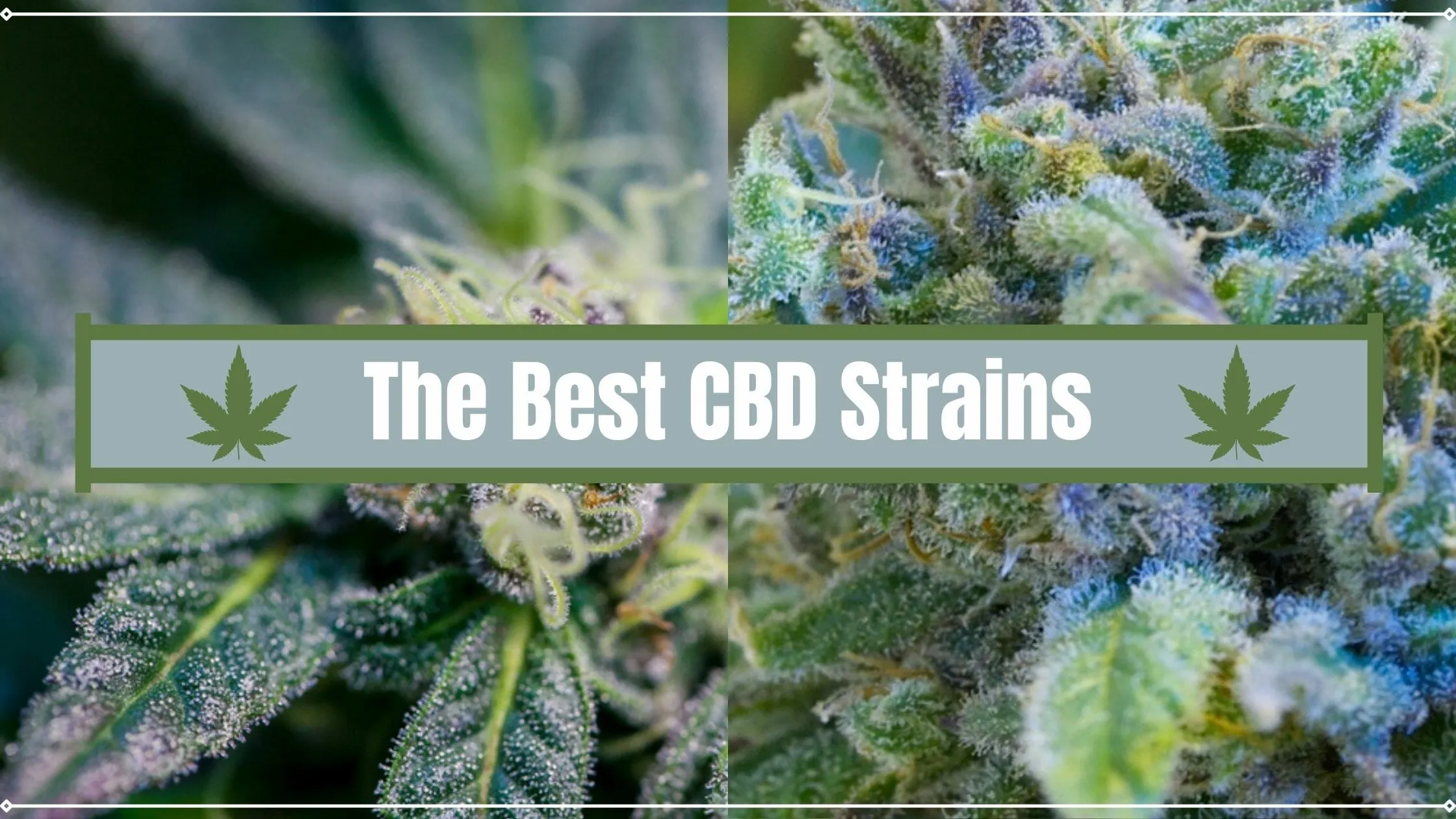
Top 5 High-CBD Strains for Therapeutic Benefits
CBD (cannabidiol) is a cannabinoid celebrated for its therapeutic properties. Unlike THC (tetrahydrocannabinol), CBD does not cause psychoactive effects, making it particularly appealing in the medical field for treating various ailments without the “high.” High-CBD strains have gained significant traction as a tool for managing a range of medical conditions, from chronic pain to epilepsy, anxiety, and more. This post will focus on the top five high-CBD strains, their origins, chemical profiles, medical benefits, and growing conditions.
1. ACDC
-
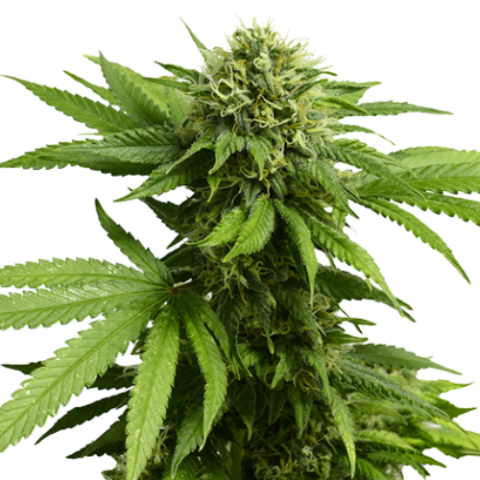 CBD ACDC Cannabis SeedsFrom: $24.99
- Origin: ACDC is a phenotype of the strain Cannatonic, developed by Resin Seeds, a European seed bank. Cannatonic itself was bred by crossing a high-THC strain, Reina Madre, and a high-CBD strain, NYC Diesel. ACDC was stabilized as a high-CBD variety with minimal THC content, making it particularly effective for therapeutic purposes without psychoactive effects.
- Chemical Profile:
- CBD Content: 15-20%
- THC Content: < 1%
- Terpenes: Myrcene (earthy, musky aroma), Pinene (pine-like scent), and Caryophyllene (spicy, peppery notes). These terpenes work synergistically with CBD, offering anti-inflammatory and pain-relief properties.
- Medical Benefits:
ACDC is renowned for its use in treating chronic pain, inflammation, anxiety, and neurological disorders. Its high CBD content without THC makes it a preferred choice for patients seeking relief from symptoms like seizures or pain without cognitive impairment. Additionally, ACDC is often used in clinical trials studying the efficacy of CBD in managing conditions such as epilepsy, anxiety, and multiple sclerosis. ACDC’s lack of psychoactivity allows patients to medicate during the day without experiencing sedation or mental fog. - Growing Conditions:
ACDC is moderately challenging to grow and is best suited for experienced cultivators. This strain needs constant care and observation, yet it may flourish in both indoor and outdoor settings.- Indoor Growth: ACDC prefers a stable environment with controlled humidity and temperature levels. It can take about 9-10 weeks to flower. Growers should monitor nutrient levels carefully to avoid nutrient burn.
- Outdoor Growth: In outdoor settings, ACDC requires a Mediterranean climate with plenty of sunlight. It is ready for harvest by early to mid-October, making it suitable for temperate zones with longer growing seasons.
- Yield: Moderate, but its therapeutic potency outweighs its lower yield, especially for medical patients.
2. Charlotte’s Web
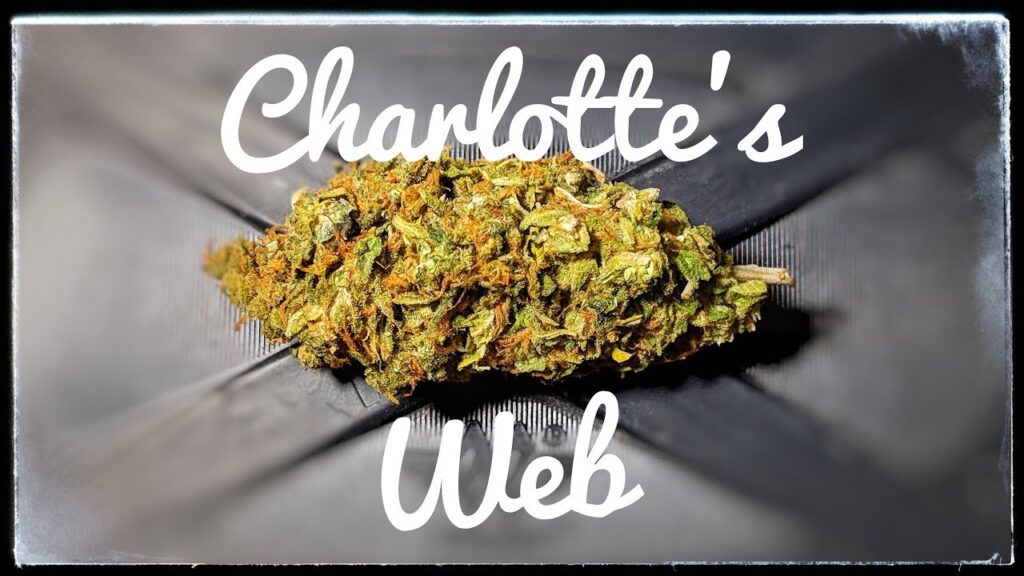
- Origin: Charlotte’s Web was created by the Stanley Brothers in Colorado. It was first developed to aid Charlotte Figi, a young child with severe epilepsy who had Dravet syndrome. The strain was specifically cultivated for its high CBD and negligible THC content, which drastically reduced Charlotte’s seizures and brought global attention to the medical potential of CBD.
- Chemical Profile:
- CBD Content: 15-18%
- THC Content: < 0.3% (in compliance with U.S. hemp laws)
- Terpenes: Beta-Caryophyllene (spicy, woody scent), Humulene (earthy, woody aroma), and Bisabolol (floral and sweet). These terpenes contribute to the anti-inflammatory, anxiolytic, and pain-relieving properties of the strain.
- Medical Benefits:
Charlotte’s Web is primarily known for its use in managing severe epilepsy and seizure disorders. However, its high CBD content also makes it beneficial for treating a wide array of conditions, such as anxiety, depression, chronic pain, and inflammation. Its ability to reduce seizures in epileptic patients has prompted further research into using CBD for other neurological conditions like Parkinson’s disease and Alzheimer’s. Charlotte’s Web is also used to alleviate stress, improve sleep, and manage symptoms of PTSD. - Growing Conditions:
Charlotte’s Web can be grown both indoors and outdoors, though it thrives better in outdoor environments.- Indoor Growth: Requires consistent humidity and temperatures between 68-80°F. Flowering time indoors ranges from 7 to 9 weeks. The plant responds well to soil mediums and requires moderate feeding.
- Outdoor Growth: Prefers a sunny, Mediterranean climate. The plant can grow tall in an outdoor setup, and it requires ample space for root expansion. Harvesting outdoors usually takes place in late September or early October.
- Yield: The strain produces moderate to high yields, making it an attractive option for medical cultivators seeking both therapeutic efficacy and productivity.
3. Ringo’s Gift
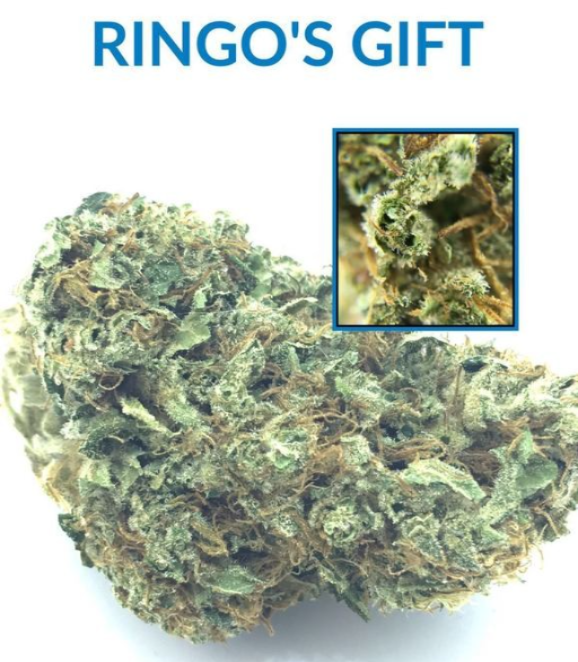
- Origin: Named after CBD pioneer Lawrence Ringo, Ringo’s Gift is a hybrid cross between ACDC and Harle-Tsu. Ringo was a prominent figure in developing CBD-rich strains, and this particular variety reflects his commitment to creating high-CBD, low-THC strains for medical use.
- Chemical Profile:
- CBD Content: 10-20% (depending on phenotype)
- THC Content: < 1%
- Terpenes: Linalool (floral, lavender aroma), Myrcene (earthy, musky scent), and Pinene (pine-like fragrance). These terpenes provide added anti-anxiety, pain-relieving, and anti-inflammatory effects.
- Medical Benefits:
Ringo’s Gift offers significant therapeutic benefits, particularly for pain relief, inflammation, and anxiety management. The strain’s high CBD content makes it effective in managing chronic conditions such as arthritis, migraines, and muscle spasms. In addition, Ringo’s Gift is often used by patients with anxiety disorders, as it provides calming effects without the risk of psychoactive experiences. Many patients also turn to this strain for relief from PTSD symptoms, due to its soothing properties and minimal THC levels. - Growing Conditions:
Ringo’s Gift is relatively easy to cultivate, making it a good option for novice growers seeking a high-CBD strain for medical purposes.- Indoor Growth: The strain grows well indoors under controlled conditions, with a flowering period of 9-10 weeks. It is suitable for soil or hydroponic setups. Regular trimming is required to manage its size and optimize yield.
- Outdoor Growth: Ringo’s Gift thrives in outdoor environments with plenty of sunlight. It is best suited for warm, dry climates and is ready for harvest by mid-October.
- Yield: Medium to high yield depending on the growing conditions, making it a versatile option for medical cultivators.
4. Harlequin
-
 Harlequin CBD Cannabis SeedsFrom: $24.99
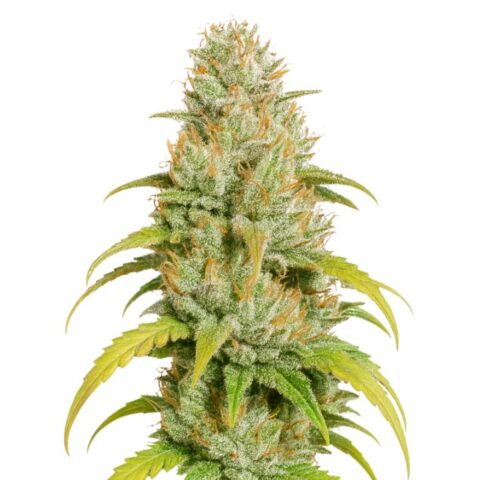
- Origin: A cross between Thai, Swiss Landrace, and Colombian Gold strains produced the sativa-dominant strain Harlequin. Originally bred for its high THC content, Harlequin became notable for its unique cannabinoid profile, where CBD levels can outnumber THC in some phenotypes, offering potent therapeutic benefits without intoxicating effects.
- Chemical Profile:
- CBD Content: 10-15%
- THC Content: 5-10% (varies between phenotypes)
- Terpenes: Myrcene (herbal, earthy scent), Pinene (pine-like fragrance), and Humulene (woody, spicy). These terpenes work with CBD to enhance its anti-inflammatory and analgesic properties.
- Medical Benefits:
Harlequin’s balanced CBD-to-THC ratio makes it particularly effective in managing conditions like pain, muscle spasms, and inflammation while minimizing the psychoactive effects. It is widely used for treating chronic pain and anxiety, as its calming effects are ideal for patients who prefer not to experience THC’s mind-altering properties. Harlequin has also shown promise in managing symptoms of fibromyalgia, multiple sclerosis, and even migraine headaches. - Growing Conditions:
Harlequin is a hardy variety that grows well in both novice and experienced grow environments.- Indoor Growth: Harlequin thrives in controlled indoor environments, with a flowering time of 7-9 weeks. Growers should monitor humidity levels to prevent mold, and regular pruning is necessary to maximize yield.
- Outdoor Growth: This strain prefers a mild climate, ideally in Mediterranean-like conditions. Late September or early October is the best time to harvest it. Harlequin is resistant to pests and mold, making it a durable choice for outdoor cultivation.
- Yield: Moderate to high yield, depending on the environment and cultivation practices.
5. Sweet and Sour Widow
-
 Sweet and Sour Widow CBD Cannabis SeedsFrom: $24.99
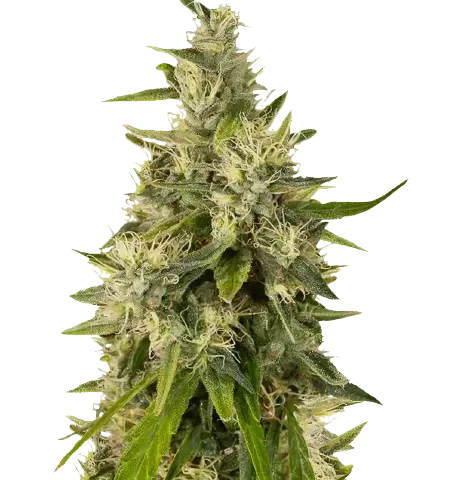
- Origin: Sweet and Sour Widow is an indica-dominant hybrid strain developed by crossing White Widow with an undisclosed high-CBD strain. The goal was to create a strain with balanced THC and CBD levels, making it ideal for medical applications. Sweet and Sour Widow’s relatively low THC content compared to its CBD levels makes it a versatile option for therapeutic use.
- Chemical Profile:
- CBD Content: 8-12%
- THC Content: 5-7%
- Terpenes: Caryophyllene (peppery, spicy scent), Myrcene (earthy, herbal), and Limonene (citrus aroma). These terpenes offer anti-inflammatory and pain-relieving properties, contributing to the overall therapeutic profile.
- Medical Benefits:
Sweet and Sour Widow is known for its balanced cannabinoid profile, making it a versatile option for treating conditions such as chronic pain, anxiety, and inflammation. The moderate CBD levels ensure relief from symptoms without overwhelming psychoactive effects. Additionally, this strain has been used to manage insomnia, as its mildly sedative properties are beneficial for sleep disorders. Sweet and Sour Widow’s moderate THC content helps in treating nausea and loss of appetite in cancer patients undergoing chemotherapy, making it a multipurpose medical strain. - Growing Conditions:
Due to its ease of cultivation, Sweet and Sour Widow is a strain that can be grown by both rookie and seasoned growers.- Indoor Growth: The plant flourishes indoors, with a flowering time of 8-9 weeks. It requires moderate feeding and grows well in both soil and hydroponic setups. The strain is compact and does not require much space, making it ideal for smaller indoor grows.
- Outdoor Growth: Outdoors, Sweet and Sour Widow prefers a sunny, warm climate with plenty of airflow to prevent mold. Early to mid-October is when it is ready to be harvested. The plant’s short stature makes it suitable for discreet outdoor cultivation.
- Yield: Produces moderate yields, but its balanced cannabinoid profile and therapeutic potential make it a top choice for medical growers.
Restrictions on Using High-CBD Strains in the Medical Field as a Last Resort and Monitoring THC Levels
In the medical field, cannabis—particularly high-CBD strains—has been a topic of growing interest due to its potential therapeutic benefits. However, there are several restrictions and considerations when using high-CBD strains, such as ACDC, Charlotte’s Web, Ringo’s Gift, Harlequin, and Sweet and Sour Widow, as a last resort in treatment. This 800-word exploration delves into the restrictions on using these strains in the medical field and the importance of monitoring THC levels in medications to prevent psychoactive effects on patients.
1. Restrictions in Medical Use: When High-CBD Strains Are Considered a Last Resort

Regulatory Constraints
The use of cannabis, including high-CBD strains, is subject to legal and regulatory constraints in many parts of the world. In countries or regions where medical cannabis is legal, it is often reserved as a last resort for patients who have exhausted all conventional treatment options. This restriction aims to ensure that cannabis is not overprescribed or used prematurely in therapeutic settings. Physicians must typically provide extensive documentation demonstrating that traditional treatments have failed before considering cannabis-based therapies.
For example, in many European countries, including the UK and Germany, medical cannabis can only be prescribed after all other treatments have been deemed ineffective. Similarly, in the United States, although CBD-derived products like Epidiolex are FDA-approved for treating specific types of epilepsy, doctors must often prove that conventional pharmaceuticals are inadequate before turning to high-CBD cannabis strains.
Patient Eligibility
Another significant restriction relates to patient eligibility. Medical cannabis, including high-CBD strains, is generally not prescribed to patients with conditions where its efficacy has not been thoroughly established. This is especially relevant in conditions such as chronic pain, anxiety, or neurodegenerative disorders where other treatment methods may have better evidence supporting their use. Moreover, physicians must assess whether the patient’s overall health condition justifies the introduction of a cannabis-based product, particularly if they are already taking medications that may interact negatively with cannabinoids.
In countries like Australia and Canada, patients seeking medical cannabis often must apply through a specific medical framework where their eligibility is reviewed on a case-by-case basis. This creates another layer of restriction, where patients with minor ailments or those who could potentially respond to other forms of treatment may not have immediate access to high-CBD strains like ACDC or Charlotte’s Web.
High-CBD Strains and Epilepsy: A Case in Point
One of the few areas where high-CBD strains like Charlotte’s Web have seen widespread acceptance in the medical field is in treating epilepsy, particularly in children with intractable forms of the condition. However, even in these cases, the use of high-CBD cannabis is often considered only after multiple anti-epileptic drugs (AEDs) have failed. In the U.S., the FDA-approved Epidiolex—a CBD-based drug—for treating Dravet syndrome and Lennox-Gastaut syndrome, two rare and severe forms of epilepsy. This approval highlights that high-CBD cannabis is often treated as a last-resort therapy, reserved for severe cases where conventional treatments are ineffective.
2. Monitoring THC Levels to Prevent Psychoactive Effects on Patients
Importance of THC Monitoring
While the primary focus in high-CBD strains is on cannabidiol, the presence of even small amounts of THC can lead to concerns, particularly in medical contexts where patients may be sensitive to psychoactive effects. THC, the main psychoactive compound in cannabis, can induce euphoria, confusion, and anxiety, which are undesirable effects in medical treatment, especially in patients seeking relief from conditions such as anxiety, pain, or neurological disorders. This is why monitoring THC levels in medications derived from high-CBD strains is crucial.
For instance, strains like ACDC and Charlotte’s Web are prized for their very low THC content, often less than 0.3%, making them ideal for patients who need relief without the risk of psychoactive effects. However, even small variations in THC levels can cause concerns, particularly in patients who are sensitive to the compound. In the medical field, accurate dosing is critical, and maintaining stringent controls over THC content is vital to avoid the risk of unintended psychoactivity, especially in vulnerable populations such as children, the elderly, or patients with mental health conditions.
Methods for Monitoring THC in Medications
To prevent the psychoactive effects of THC in medical cannabis treatments, several monitoring and control mechanisms are typically put in place. These include:
- Lab Testing: Medical cannabis products, particularly those intended for therapeutic use, undergo rigorous laboratory testing to ensure that THC levels are within legal and therapeutic limits. In many jurisdictions, cannabis products must meet strict guidelines regarding their cannabinoid profiles, including CBD-to-THC ratios, to be approved for medical use. Lab tests can detect minute amounts of THC, allowing manufacturers to produce products that deliver the therapeutic benefits of CBD without the psychoactive effects of THC.
- Product Standardization: One of the most important tools in preventing unwanted THC effects is product standardization. Strains like Charlotte’s Web are cultivated to produce consistent CBD and THC levels across different batches. In the medical cannabis industry, standardization ensures that each dose of medication contains the same cannabinoid profile, making it easier for physicians to prescribe and for patients to consume without the fear of unexpected psychoactive effects. This is especially crucial when using cannabis for long-term treatment of chronic conditions.
- Patient Monitoring: Physicians prescribing high-CBD, low-THC cannabis treatments are encouraged to monitor patients regularly to ensure that they are not experiencing any unintended psychoactive effects. This includes checking for cognitive changes, mood shifts, or signs of THC sensitivity. Regular follow-ups allow healthcare providers to adjust dosages if necessary, ensuring that the patient receives the full therapeutic benefit of CBD without the drawbacks associated with THC.
Conclusion
High-CBD cannabis strains, such as ACDC, Charlotte’s Web, Ringo’s Gift, Harlequin, and Sweet and Sour Widow, hold significant promise in the medical field for their therapeutic benefits. These strains are specifically cultivated to have high CBD content with minimal THC, offering relief for various conditions such as chronic pain, anxiety, epilepsy, and inflammation without the psychoactive effects associated with THC. Their use in medical treatments provides an alternative for patients seeking non-intoxicating options, which is particularly critical for populations like children, the elderly, or those with mental health conditions.
However, these high-CBD strains are often reserved as a last resort in medical contexts, largely due to legal and regulatory constraints. Medical cannabis is frequently prescribed only when conventional treatments have proven inadequate. Strict criteria must be met to demonstrate the necessity of high-CBD cannabis treatments, and patient eligibility is carefully monitored to ensure that these therapies are used appropriately.
Monitoring THC levels in high-CBD medications is essential to avoid any unintended psychoactive effects. THC, even in small quantities, can induce undesirable cognitive and emotional changes, which can be detrimental in medical treatments. Rigorous lab testing, product standardization, and patient monitoring are necessary to maintain safe and consistent THC levels in high-CBD products, ensuring that patients receive the full therapeutic potential of CBD without the risks of psychoactivity.
In summary, high-CBD strains are invaluable in the medical field, offering relief to patients for whom other treatments may not work. However, their use comes with strict regulatory oversight and careful monitoring to ensure the safety and efficacy of treatment, making these strains a crucial, yet carefully controlled, part of modern medical cannabis therapies.
