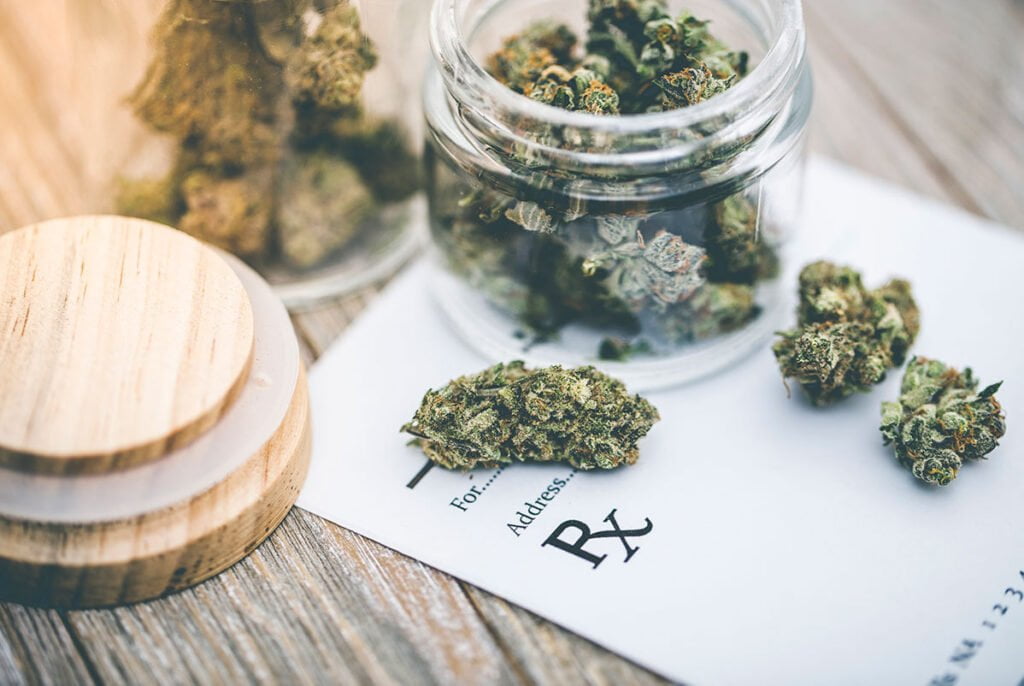
Top 5 Haze Cannabis Strains in the Medical Field
Introduction
Haze cannabis strains have long been revered for their unique characteristics, particularly their uplifting and energetic effects. Originating in the 1960s and 1970s, these strains have evolved to become some of the most sought-after varieties in the medical cannabis field. This detailed analysis will explore the top five Haze cannabis strains used in the medical field, examining their origins, chemical profiles, medical benefits, and optimal growing conditions. The focus will be on their medical applications, excluding any recreational use or consumption methods.
1. Original Haze
-
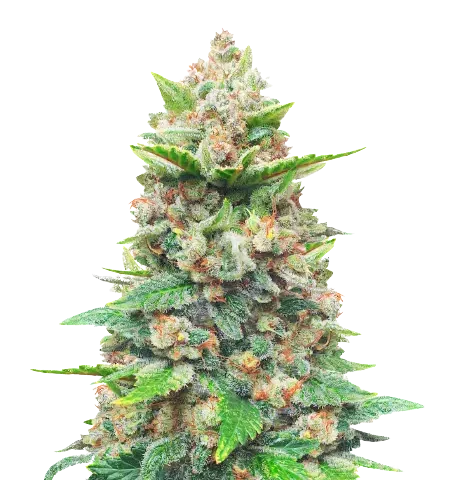 CBD Haze Cannabis SeedsFrom: $24.99
Origins
Original Haze, often referred to simply as “Haze,” is a classic strain that traces its roots back to California in the 1960s and 1970s. The strain was developed by the “Haze Brothers,” who experimented with a variety of landrace strains from different regions, including Colombian, Mexican, Thai, and South Indian sativas. The outcome was a sophisticated combination with strong, long-lasting effects that became well-known very fast.
Chemical Profile
Original Haze is characterized by a high concentration of THC, typically ranging from 18% to 22%. Its unique flavor and scent are a result of the dominance of myrcene, limonene, and pinene in its terpene composition. Myrcene is known for its sedative effects, while limonene and pinene offer uplifting and anti-inflammatory properties, respectively. The CBD content in Original Haze is typically low, usually below 1%.
- THC: 18% – 22%
- CBD: <1%
- Terpenes: Myrcene, Limonene, Pinene
Medical Benefits
Original Haze is renowned for its ability to provide mental clarity and focus, making it an ideal choice for patients dealing with conditions such as ADHD, depression, and chronic fatigue syndrome. The strain’s uplifting effects can help alleviate symptoms of depression, while its energizing properties make it useful for combating fatigue. Additionally, the anti-inflammatory properties of pinene make it beneficial for patients suffering from chronic pain and inflammation.

- ADHD: Improves focus and concentration.
- Depression: Provides uplifting and mood-enhancing effects.
- Chronic Fatigue Syndrome: Increases energy levels and reduces fatigue.
- Chronic Pain: Reduces inflammation and provides analgesic effects.
Growing Conditions
Original Haze is a sativa-dominant strain that requires a longer flowering period than many other strains, typically around 12 to 14 weeks. It thrives in warm, sunny climates, making it well-suited for outdoor cultivation in Mediterranean-like environments. It can, however, also be cultivated indoors with proper attention to temperature regulation and illumination. The plant tends to grow tall and lanky, so growers should be prepared to manage its height with techniques such as topping and training.
- Flowering Time: 12-14 weeks
- Climate: Warm, sunny (Mediterranean)
- Height: Tall and lanky
- Growing Tips: Use topping and training techniques to manage height.
2. Super Silver Haze
-
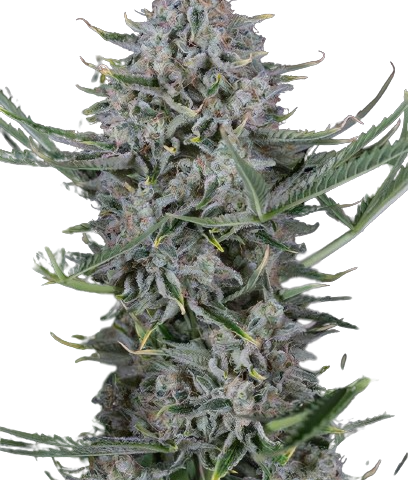
 Super Silver Haze Cannabis SeedsFrom: $24.99
Origins
Super Silver Haze is a popular Haze hybrid that was created by crossing three legendary strains: Northern Lights, Skunk #1, and Haze. Developed by the Green House Seed Company in the 1990s, Super Silver Haze quickly became a favorite in the medical cannabis community due to its potent effects and high yields. The strain has won numerous awards, including multiple High Times Cannabis Cup titles.
Chemical Profile
Super Silver Haze boasts a robust chemical profile, with THC levels typically ranging from 18% to 23%. Its terpene profile includes caryophyllene, myrcene, and limonene, which contribute to its spicy, herbal, and citrusy aroma. The strain’s therapeutic potential is further enhanced by the moderate amounts of CBD it contains—typically about 1%.
- THC: 18% – 23%
- CBD: ~1%
- Terpenes: Caryophyllene, Myrcene, Limonene
Medical Benefits
Super Silver Haze is highly regarded for its ability to relieve stress, anxiety, and depression, making it a valuable tool for patients dealing with mood disorders. The strain’s energizing effects can also help combat fatigue and improve focus, making it useful for individuals with ADHD or chronic fatigue syndrome. Additionally, the presence of caryophyllene, known for its anti-inflammatory properties, makes Super Silver Haze effective in managing chronic pain and inflammation.
- Anxiety & Stress: Provides calming and stress-relieving effects.
- Depression: Uplifts mood and alleviates symptoms of depression.
- Chronic Fatigue Syndrome: Boosts energy and reduces fatigue.
- Chronic Pain: Reduces inflammation and provides analgesic effects.
Growing Conditions
Because of its strong growth and large yields, Super Silver Haze is a favorite among growers. It may be cultivated indoors or outdoors, and it takes about 10 to 11 weeks for it to flower. The strain does best in warm, humid climates, and it needs the humidity levels to be carefully controlled to avoid mildew and mold growth. It responds favorably to methods like Screen of Green (ScrOG) and Low-Stress Training (LST) when grown indoors in order to increase yields.
- Flowering Time: 10-11 weeks
- Climate: Warm, humid
- Height: Medium to tall
- Growing Tips: Use ScrOG and LST techniques to enhance yields.
3. Amnesia Haze
Origins
Amnesia Haze is a renowned Haze hybrid that was developed in the 1990s by crossing several landrace strains, including Jamaican, South Asian, and Hawaiian genetics. The strain was popularized in Amsterdam, where it became a staple in coffee shops due to its potent effects and unique flavor profile. Amnesia Haze has won multiple awards, including the Cannabis Cup, and is highly regarded in the medical cannabis community.
Chemical Profile
Amnesia Haze is known for its high THC content, typically ranging from 20% to 25%, making it one of the more potent Haze strains. Its terpene profile is dominated by myrcene, caryophyllene, and limonene, which contribute to its earthy, citrusy, and spicy aroma. The strain also contains trace amounts of CBD, usually below 1%.
- THC: 20% – 25%
- CBD: <1%
- Terpenes: Myrcene, Caryophyllene, Limonene
Medical Benefits
Amnesia Haze is highly effective in treating mood disorders such as depression, anxiety, and PTSD, due to its uplifting and euphoric effects. The strain’s energizing properties make it a valuable tool for combating fatigue and improving focus, making it suitable for patients with ADHD or chronic fatigue syndrome. Additionally, the presence of caryophyllene provides anti-inflammatory benefits, making it useful for managing chronic pain and inflammation.
- Depression & Anxiety: Alleviates symptoms and uplifts mood.
- PTSD: Provides relief from stress and anxiety.
- Chronic Fatigue Syndrome: Increases energy and reduces fatigue.
- Chronic Pain: Reduces inflammation and provides analgesic effects.
Growing Conditions
Amnesia Haze is a moderately challenging strain to grow, requiring a warm, sunny climate with consistent temperatures. It has a long flowering period of approximately 10 to 12 weeks, which can be a drawback for some growers. But the strain is well worth the work because of its strong effects and high yields. Amnesia haze grows well both inside and outdoors, but cultivators need to be ready to control the plant’s height and make sure it receives enough light.
- Flowering Time: 10-12 weeks
- Climate: Warm, sunny
- Height: Medium to tall
- Growing Tips: Manage height and ensure adequate light exposure.
4. Neville’s Haze
Origins
Neville’s Haze is a legendary Haze hybrid created by Neville Schoenmakers, the founder of the first cannabis seed bank in the Netherlands. The strain is a cross between Haze and Northern Lights, resulting in a sativa-dominant hybrid with potent effects and a complex flavor profile. Neville’s Haze has become a staple in the medical cannabis community due to its therapeutic potential.
Chemical Profile
Neville’s Haze is characterized by its high THC content, typically ranging from 20% to 22%. The strain’s terpene profile includes myrcene, terpinolene, and caryophyllene, which contribute to its earthy, piney, and spicy aroma. The CBD content in Neville’s Haze is typically low, usually below 1%.
- THC: 20% – 22%
- CBD: <1%
- Terpenes: Myrcene, Terpinolene, Caryophyllene
Medical Benefits
Neville’s Haze is highly effective in treating conditions such as depression, anxiety, and PTSD, due to its uplifting and mood-enhancing effects. The strain’s energizing properties make it useful for combating fatigue and improving focus, making it suitable for patients with ADHD or chronic fatigue syndrome. Additionally, the presence of terpinolene and caryophyllene provides anti-inflammatory and antioxidant benefits, making it useful for managing chronic pain and inflammation.
- Depression & Anxiety: Alleviates symptoms and uplifts mood.
- PTSD: Provides relief from stress and anxiety.
- Chronic Fatigue Syndrome: Increases energy and reduces fatigue.
- Chronic Pain: Reduces inflammation and provides analgesic effects.
Growing Conditions
Neville’s Haze is a challenging strain to grow, requiring a long flowering period of approximately 14 weeks. The strain needs strict humidity control to avoid mold and mildew, and it does best in warm, sunny areas. When grown indoors, Neville’s Haze responds well to techniques such as ScrOG and LST to manage its height and maximize yields. Due to its long flowering time and growth characteristics, Neville’s Haze is recommended for experienced growers.
- Flowering Time: 14 weeks
- Climate: Warm, sunny
- Height: Tall
- Growing Tips: Use ScrOG and LST techniques to manage height and maximize yields.
5. Lemon Haze
-
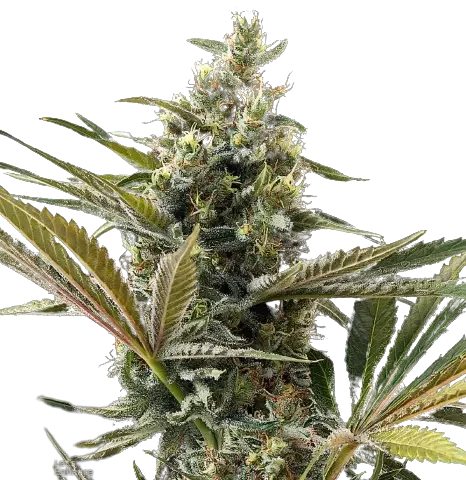
 Lemon Haze Cannabis SeedsFrom: $24.99
Origins
Lemon Haze is a popular Haze hybrid that was created by crossing two legendary strains: Lemon Skunk and Silver Haze. The strain is known for its potent effects and distinctive lemon aroma, making it a favorite among medical cannabis patients. Lemon Haze has won several awards, including the High Times Cannabis Cup, and is widely recognized for its therapeutic potential.
Chemical Profile
Lemon Haze is characterized by its high THC content, typically ranging from 17% to 25%. Limonene, caryophyllene, and myrcene make up the majority of the strain’s terpene profile and are responsible for its earthy, spicy, and lemony scent. Lemon Haze also contains trace amounts of CBD, usually below 1%.
- THC: 17% – 25%
- CBD: <1%
- Terpenes: Limonene, Caryophyllene, Myrcene
Medical Benefits
Lemon Haze is highly effective in treating mood disorders such as depression, anxiety, and PTSD, due to its uplifting and euphoric effects. The strain’s energizing properties make it useful for combating fatigue and improving focus, making it suitable for patients with ADHD or chronic fatigue syndrome. Additionally, the presence of limonene provides anti-anxiety and antidepressant benefits, while caryophyllene offers anti-inflammatory effects.
- Depression & Anxiety: Alleviates symptoms and uplifts mood.
- PTSD: Provides relief from stress and anxiety.
- Chronic Fatigue Syndrome: Increases energy and reduces fatigue.
- Chronic Pain: Reduces inflammation and provides analgesic effects.
Growing Conditions
Growing Lemon Haze is a somewhat simple strain that can be grown by both inexperienced and seasoned gardeners. The strain can be grown both indoors and outdoors, and it takes about 8 to 10 weeks for it to blossom. Lemon Haze prefers a warm, sunny climate and requires adequate light exposure to thrive. When grown indoors, the strain responds well to techniques such as ScrOG and LST to manage its height and maximize yields.
- Flowering Time: 8-10 weeks
- Climate: Warm, sunny
- Height: Medium to tall
- Growing Tips: Use ScrOG and LST techniques to manage height and maximize yields.
Restrictions on Using Haze Strains in the Medical Field as a Last Resort and Monitoring THC Levels in Medications

While Haze cannabis strains offer significant medical benefits, their use in the medical field, particularly as a last resort, is subject to stringent regulations and considerations. These restrictions and the monitoring of THC levels are essential to ensure patient safety, minimize psychoactive effects, and align with legal frameworks governing medical cannabis use. This section explores the restrictions associated with using Haze strains in the medical field and the protocols for monitoring THC levels in medications to prevent unintended psychoactive effects on patients.
1. Regulatory Frameworks and Legal Considerations
a. Controlled Substance Classification: Like other cannabis strains, haze strains are frequently categorized as controlled narcotics in many places. This classification typically places cannabis under strict regulatory oversight, limiting its use to specific medical conditions and requiring that it be prescribed only by licensed healthcare providers. Certain legal regimes restrict the employment of haze strains to “last resort” situations, meaning that they can only be employed after all other options have been exhausted.
b. Prescription and Access Limitations: In countries where medical cannabis is legal, patients can only access Haze strains through a prescription from a qualified healthcare provider. These prescriptions are often subject to rigorous guidelines, which may include requirements for thorough documentation of previous treatments, detailed patient history, and justification for why medical cannabis is necessary. Additionally, there may be limitations on the amount and potency of cannabis that can be prescribed, with higher THC strains like those in the Haze family being more tightly regulated.
c. Patient Eligibility and Monitoring: Healthcare providers must assess whether a patient is eligible for medical cannabis based on their condition and overall health. This process often includes evaluating the potential risks associated with THC exposure, particularly in vulnerable populations such as the elderly, children, or those with a history of mental health disorders. Continuous monitoring is typically required to assess the efficacy and safety of the treatment, ensuring that the benefits outweigh the risks.
2. Monitoring THC Levels to Prevent Psychoactive Effects
a. Importance of THC Monitoring: THC, the primary psychoactive compound in cannabis, can induce euphoria, altered perception, and cognitive impairment. While these effects may be therapeutic for some medical conditions, they can be undesirable or even harmful for others. Therefore, monitoring and managing THC levels in medical cannabis products is crucial to minimize these psychoactive effects, particularly when treating patients with conditions that do not require high THC levels.
b. Methods for THC Level Monitoring:
- Standardized Testing: Before a medical cannabis product, including those derived from Haze strains, is made available to patients, it must undergo rigorous testing to determine its THC content. Laboratories use techniques such as gas chromatography or high-performance liquid chromatography to accurately measure THC levels and ensure consistency across batches.
- Dosing Guidelines: Healthcare providers rely on established dosing guidelines to determine the appropriate amount of THC for each patient. These guidelines are informed by research and clinical experience, considering factors such as the patient’s condition, tolerance to THC, and potential interactions with other medications.
- Formulation and Delivery: To control THC levels, medical cannabis is often formulated into specific products such as tinctures, capsules, or oils, where the THC concentration can be precisely controlled. This allows for more accurate dosing compared to traditional methods like smoking or vaporizing, where THC levels can vary significantly.
c. Patient-Specific Considerations:
- Titration: Patients new to medical cannabis or those with heightened sensitivity to THC often start with low doses that are gradually increased (titrated) under medical supervision. This method aids in determining the lowest effective dose that offers therapeutic advantages without producing appreciable psychoactive side effects.
- CBD Balancing: Cannabidiol (CBD), a non-psychoactive cannabinoid, is often used in conjunction with THC to mitigate its psychoactive effects. CBD is known to counteract some of the cognitive impairments and anxiety that THC can induce, making it an essential component in medical cannabis formulations, especially for patients who require the therapeutic benefits of THC but are sensitive to its psychoactive properties.
- Long-Term Monitoring: Continuous monitoring of the patient’s response to treatment is essential. This includes regular check-ins to assess the effectiveness of the treatment, any side effects experienced, and adjustments to the THC dosage as needed. In some cases, periodic blood tests may be used to monitor THC levels in the patient’s system, particularly in sensitive populations.
3. Special Considerations for Vulnerable Populations
a. Pediatric Patients: The use of Haze strains in pediatric patients is highly restricted and usually considered only in cases of severe, treatment-resistant conditions such as certain types of epilepsy. Due to the potential impact of THC on brain development, healthcare providers must exercise extreme caution, typically opting for strains with low THC and higher CBD content. Long-term studies on the effects of THC in children are limited, so any use must be closely monitored with regular assessments of cognitive and developmental milestones.
b. Elderly Patients: Elderly patients may be more susceptible to the psychoactive effects of THC, including confusion, dizziness, and an increased risk of falls. For this population, lower THC strains or formulations with a balanced ratio of THC to CBD are preferred. Additionally, healthcare providers must consider potential interactions with other medications commonly used by elderly patients, such as blood thinners or heart medications, which could be affected by cannabis use.
c. Patients with Mental Health Disorders: Individuals with a history of mental health disorders, particularly those prone to anxiety, psychosis, or schizophrenia, may experience exacerbation of symptoms when exposed to high levels of THC. In such cases, the use of Haze strains with high THC content is generally avoided. Instead, strains with higher CBD content or alternative therapies may be recommended. If THC-containing strains are used, they should be administered in the lowest effective dose, with careful monitoring for any adverse effects.
4. Ethical and Clinical Considerations
a. Informed Consent: Before prescribing Haze strains or any cannabis-based medication, healthcare providers must obtain informed consent from the patient. This involves a thorough discussion of the potential risks and benefits, alternative treatment options, and the specific reasons why cannabis is being considered as a last resort. Patients should also be informed about the potential for psychoactive effects and the steps that will be taken to minimize these effects.
b. Ethical Dilemmas: In some cases, healthcare providers may face ethical dilemmas when prescribing Haze strains, particularly if the patient’s condition is not typically treated with cannabis or if there is limited evidence supporting its use. Providers must balance the ethical obligation to do no harm with the patient’s right to try alternative treatments, especially when conventional therapies have failed.
c. Research and Evidence-Based Practice: The use of Haze strains in the medical field must be guided by the latest research and clinical evidence. However, the relative scarcity of large-scale, long-term studies on medical cannabis poses a challenge. Healthcare providers are encouraged to stay informed about emerging research and to participate in clinical trials where possible, contributing to the growing body of knowledge on the medical applications of cannabis.
Conclusion
Haze cannabis strains have carved out a significant niche in the medical field, offering unique therapeutic benefits for various conditions. From chronic pain and inflammation to mood disorders and attention deficits, these strains provide relief where conventional treatments may fall short. However, their use comes with substantial responsibilities and restrictions.
Given their high THC content, Haze strains are often considered a last resort in medical treatment, particularly when other therapies have proven ineffective. This status necessitates strict regulatory oversight, careful patient selection, and thorough documentation to justify their use. Healthcare providers must navigate complex legal frameworks, ensuring that their use of these strains aligns with medical guidelines and patient safety protocols.
A critical aspect of utilizing Haze strains in medicine is the careful monitoring of THC levels. THC, while beneficial in many therapeutic contexts, also carries the risk of psychoactive effects that can impair cognition and perception, potentially leading to adverse outcomes in patients. Therefore, standard practices include rigorous testing, precise dosing, and often the use of formulations that balance THC with CBD to mitigate these effects. Special consideration is given to vulnerable populations such as pediatric and elderly patients, where the impact of THC can be more pronounced.
Ethical considerations also play a vital role in the medical use of Haze strains. Informed consent is paramount, with patients needing to understand the potential risks and benefits, as well as the rationale for choosing cannabis as a treatment option. Healthcare providers must balance the duty of care with the patient’s right to explore alternative treatments, all while staying informed on the latest research to ensure that their practices are evidence-based.
In summary, while Haze strains hold significant promise in the medical field, their application must be handled with care, precision, and adherence to strict regulatory and ethical standards. By doing so, healthcare providers can maximize the therapeutic potential of these strains while minimizing the risks, ultimately improving patient outcomes in cases where other treatments have failed. The use of haze strains in medicine is expected to grow as research and clinical practice develop further, providing fresh possibilities for patient care and symptom control.
