
Top 5 Medical Cannabis Strains to Grow in Australia
Australia’s unique climate, characterized by varying conditions across different regions, makes it a suitable environment for cultivating specific medical cannabis strains. This page explores the top five medical cannabis strains that thrive in Australia, providing detailed information on their origins, chemical profiles, medical benefits, and optimal growing conditions. There is no discussion of their recreational use or methods of consumption—the focus is exclusively on their medical application.
1. Cannatonic
-
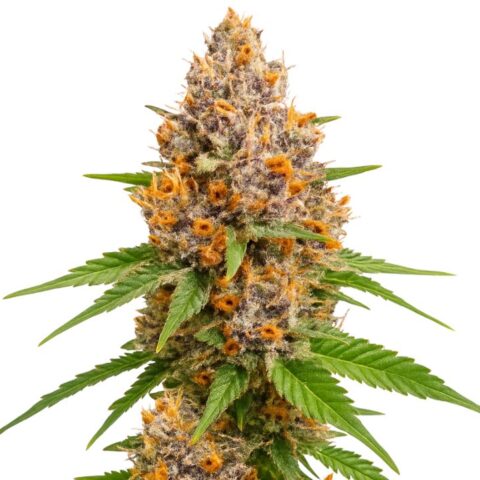 Cannatonic CBD Cannabis SeedsFrom: $24.99
Origins: Cannatonic is a hybrid strain created by Resin Seeds; a company based in Spain. It was developed by crossing MK Ultra, an indica-dominant strain, with G13 Haze, a sativa-dominant strain. The intention was to create a strain that would be perfect for medical use, with low THC (tetrahydrocannabinol) levels and high CBD (cannabidiol) content.
Chemical Profile: Cannatonic is known for its balanced cannabinoid profile. The CBD content typically ranges between 10% to 17%, while the THC content is usually below 6%. This high CBD-to-THC ratio ensures that Cannatonic provides therapeutic effects without the psychoactive high associated with high-THC strains. The strain also contains a rich terpene profile, with myrcene, caryophyllene, and pinene being the dominant terpenes.
Medical Benefits: Cannatonic is highly regarded for its medical properties. The high CBD content makes it effective in treating various conditions, including chronic pain, muscle spasms, inflammation, anxiety, and migraines. It is also used to manage symptoms of epilepsy and multiple sclerosis. The low THC levels ensure that patients can benefit from the medicinal effects without experiencing significant psychoactive effects, making it a preferred choice for those who need to function during the day.
Growing Conditions: Cannatonic thrives in both indoor and outdoor settings, making it versatile for different Australian climates. In cooler regions, indoor cultivation is recommended to control the temperature and humidity levels. Cannatonic plants prefer a temperature range of 20-26°C (68-78°F) and require moderate humidity levels. Outdoor cultivation is suitable in regions with a Mediterranean climate, where the warm and dry conditions promote healthy growth.
The strain is moderately difficult to grow, requiring attention to nutrient levels, particularly during the flowering stage. Cannatonic typically flowers in 9 to 10 weeks, and outdoor plants are usually ready for harvest in late October to early November in Australia. The yield is moderate, with indoor growers harvesting around 500 grams per square meter, while outdoor growers can expect up to 400 grams per plant.
2. ACDC
-
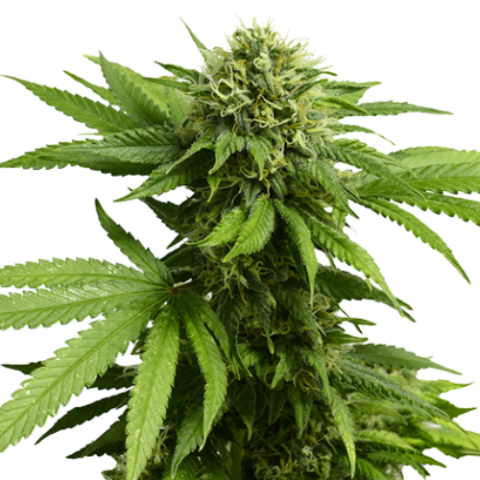 CBD ACDC Cannabis SeedsFrom: $24.99
Origins: ACDC is a sativa-dominant phenotype of the Cannatonic strain. It was developed by selecting a specific phenotype from the Cannatonic strain that exhibited extremely high CBD levels and very low THC content. ACDC has gained popularity in the medical cannabis community due to its remarkable therapeutic potential without the intoxicating effects of THC.
Chemical Profile: ACDC is renowned for its extraordinarily high CBD content, which can reach up to 20%, while the THC levels are typically below 1%. This results in a CBD-to-THC ratio of 20:1 or higher. Myrcene, pinene, and caryophyllene are among the terpenes in the strain’s terpene profile that give it its relaxing and anti-inflammatory effects.
Medical Benefits: Many medical disorders, such as chronic pain, anxiety, depression, epilepsy, and chemotherapy side effects such nausea and vomiting, are commonly treated with ACDC. Its high CBD content also makes it effective in reducing inflammation and managing symptoms of neurological disorders like Parkinson’s disease and multiple sclerosis. ACDC is particularly favored by patients who require substantial relief without any cognitive impairment, making it ideal for daytime use.
Growing Conditions: ACDC is a challenging strain to cultivate, requiring careful attention to detail, particularly in managing nutrient levels and environmental conditions. The strain prefers a temperature range of 20-27°C (68-80°F) and thrives in a controlled indoor environment where humidity can be maintained at moderate levels. Outdoor cultivation is possible in warm, dry climates similar to those found in parts of New South Wales and Queensland.
Typically, tall and lean, ACDC plants require assistance during the flowering period to keep the branches from snapping under the weight of the buds. Around nine to ten weeks pass during the flowering phase, and outside plants are suitable for harvesting in late October. The yield is relatively low, with indoor growers harvesting around 400 grams per square meter and outdoor growers producing up to 500 grams per plant.
3. Charlotte’s Web
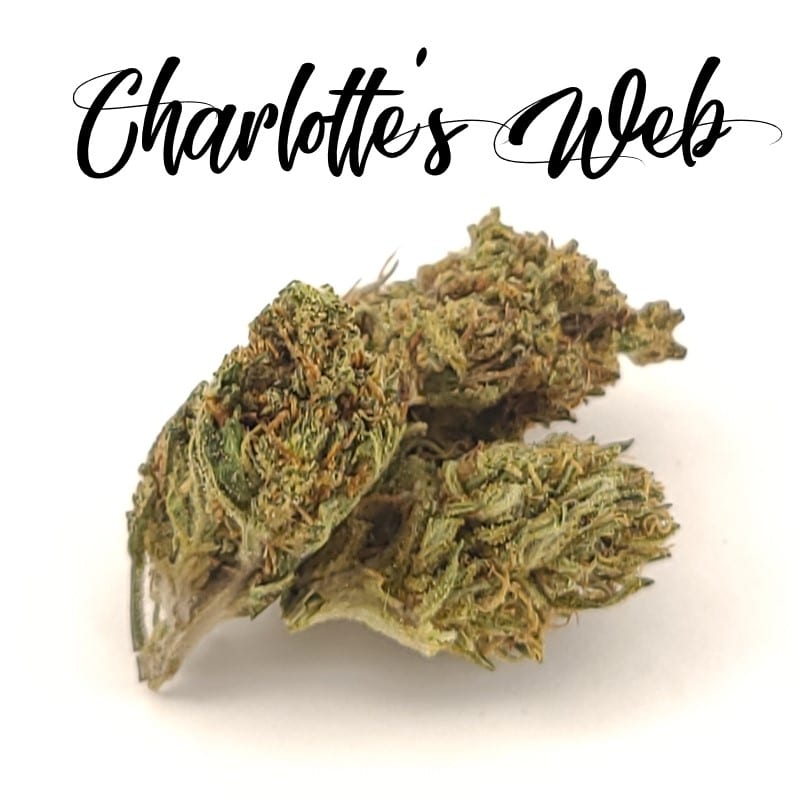
Origins: Charlotte’s Web is a renowned medical cannabis strain developed by the Stanley Brothers in Colorado, USA. Charlotte Figi, a young child with Dravet syndrome, inspired the strain’s name after she noticed a notable decrease in seizures following its use. Charlotte’s Web was specifically bred for its high CBD content and minimal THC levels, making it a non-psychoactive option for medical use.
Chemical Profile: Charlotte’s Web is known for its high CBD content, which typically ranges from 15% to 20%, with THC levels kept below 0.3%. This low THC content classifies it as a hemp strain under Australian law. The strain’s terpene profile includes myrcene, caryophyllene, and humulene, contributing to its calming and anti-inflammatory effects.
Medical Benefits: Charlotte’s Web is primarily used to treat seizure disorders, including epilepsy, due to its powerful anticonvulsant properties. It is also effective in managing anxiety, chronic pain, inflammation, and neurological disorders. The strain is suitable for patients of all ages, including children, due to its non-intoxicating nature. Additionally, Charlotte’s Web has been used to alleviate symptoms of PTSD and promote overall well-being without impairing cognitive function.
Growing Conditions: Charlotte’s Web can be grown both indoors and outdoors in Australia. Indoor cultivation allows for greater control over environmental factors, while outdoor cultivation is suitable in regions with a warm climate, such as Western Australia and the Northern Territory. The strain prefers a temperature range of 20-28°C (68-82°F) and requires moderate humidity levels, particularly during the flowering stage.
Because Charlotte’s Web plants are usually tall and bushy, they need to be pruned frequently to allow for adequate light and air penetration. Plants grown outdoors can be harvested by late October after 8 to 9 weeks of flowering. Growers growing inside can anticipate to collect approximately 450 grams per square meter, while outdoor growers may harvest up to 500 grams per plant. This is a moderate yield.
4. Harlequin
-
 Harlequin CBD Cannabis SeedsFrom: $24.99
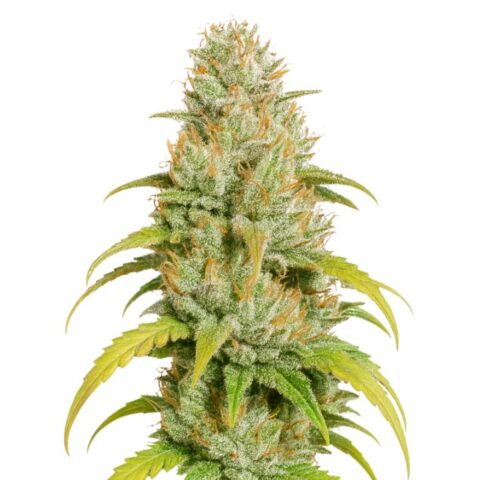
Origins: Harlequin is a sativa-dominant strain known for its balanced cannabinoid profile. It is a descendant of a landrace Colombian Gold strain crossed with Thai and Swiss landrace strains, resulting in a unique combination that offers therapeutic benefits with minimal psychoactive effects. Harlequin has gained popularity in the medical cannabis community for its ability to provide relief without sedation.
Chemical Profile: Harlequin typically has a CBD-to-THC ratio of 5:2, with CBD levels ranging from 8% to 16% and THC levels between 4% and 7%. This balanced profile allows Harlequin to deliver therapeutic effects without significant intoxication. The analgesic and anti-inflammatory effects of the strain are attributed to its terpene composition, which includes myrcene, pinene, and caryophyllene.
Medical Benefits: Harlequin is widely used to manage chronic pain, anxiety, depression, and inflammation. Its balanced CBD-to-THC ratio makes it effective in providing relief while allowing patients to remain alert and focused. Harlequin is also used to alleviate symptoms of fibromyalgia, arthritis, and migraines. The strain’s mild psychoactive effects make it suitable for daytime use, allowing patients to carry out daily activities without impairment.
Growing Conditions: Due to its ease of cultivation, Australian growers of all skill levels can benefit from using the harlequin strain. Both indoor and outdoor cultivation are possible for this strain, while indoor growers have more control over the growing conditions. Harlequin prefers a temperature range of 21-26°C (70-79°F) and thrives in a moderately humid environment.
When grown outdoors, Harlequin flourishes in regions with a warm climate and plenty of sunlight, such as parts of Queensland and New South Wales. The plants are usually medium-height, and they need to be pruned frequently to encourage airflow and keep mold from growing. Early November is when outdoor plants are ready for harvesting after an 8–9 week flowering phase. The yield is moderate, with indoor growers harvesting around 400 grams per square meter, while outdoor growers can expect up to 450 grams per plant.
5. Pennywise
-
Pennywise CBD Cannabis SeedsFrom: $24.99
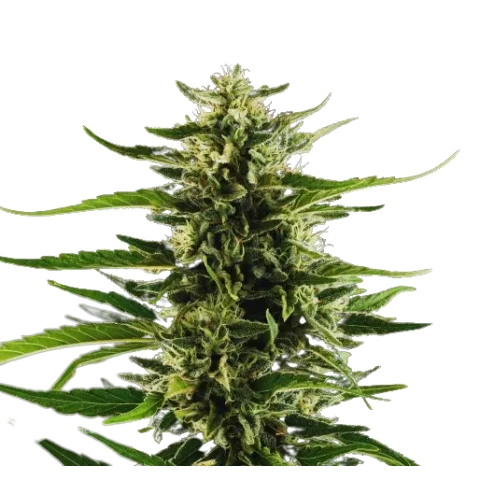
Origins: Pennywise is an indica-dominant hybrid strain developed by crossing Harlequin with Jack the Ripper. It was bred specifically for medical use, with a focus on achieving a balanced CBD-to-THC ratio. Pennywise is named after the iconic Stephen King character, reflecting its powerful therapeutic effects without the fear-inducing psychoactive properties.
Chemical Profile: Pennywise typically has a 1:1 CBD-to-THC ratio, with both cannabinoids ranging between 12% and 15%. This balanced profile allows Pennywise to provide the therapeutic benefits of both CBD and THC, offering relief from various conditions while minimizing psychoactive effects. The strain’s terpene profile includes myrcene, limonene, and caryophyllene, contributing to its relaxing and anti-inflammatory properties.
Medical Benefits: Pennywise is highly regarded for its effectiveness in treating anxiety, PTSD, chronic pain, and arthritis. The balanced CBD-to-THC ratio ensures that patients experience relief without the intense high associated with high-THC strains. Pennywise is also used to manage symptoms of neurological disorders, such as Parkinson’s disease and multiple sclerosis, due to its neuroprotective properties. Additionally, the strain is effective in reducing nausea and stimulating appetite, making it suitable for patients undergoing chemotherapy.
Growing Conditions: Pennywise is a relatively easy strain to cultivate, making it a good choice for growers in Australia. The strain can be grown indoors or outdoors, with indoor cultivation allowing for better control of environmental conditions. Pennywise thrives in a temperature range of 20-26°C (68-78°F) and prefers moderate humidity levels.
When grown outdoors, Pennywise is best suited to regions with a temperate climate, such as Victoria and Tasmania. Because they are usually short and bushy, the plants need to be regularly trimmed in order to allow light and air to continue to enter. Plants grown outdoors can be harvested by late October after 8 to 9 weeks of flowering. The yield is moderate, with indoor growers harvesting around 450 grams per square meter, while outdoor growers can expect up to 500 grams per plant.
Restrictions on Using Cannabis in Australia in the Medical Field as a Last Resort
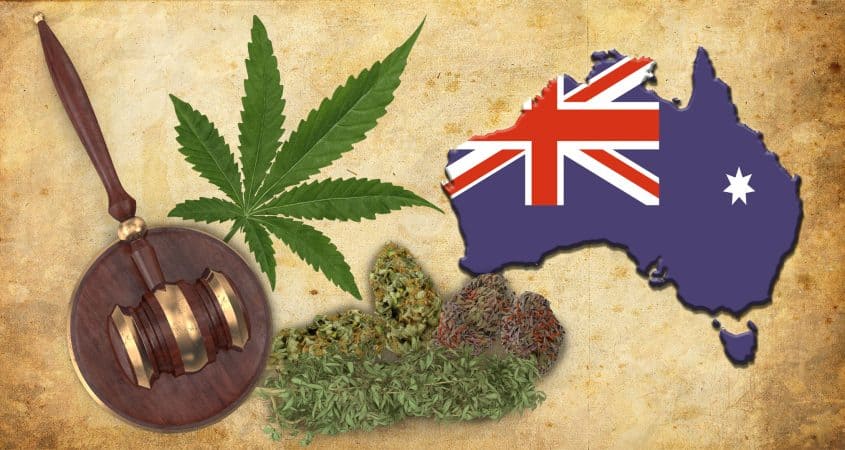
In Australia, the use of cannabis in the medical field is governed by strict regulations to ensure that it is employed safely and effectively. The legal framework is designed to ensure that cannabis is used as a last resort when other treatment options have been exhausted, and that patients do not experience unintended psychoactive effects due to THC (tetrahydrocannabinol) in their medications.
1. Medical Cannabis as a Last Resort
The concept of using medical cannabis as a “last resort” means that it should only be prescribed when conventional treatments have been tried and found ineffective, or when the potential benefits of cannabis outweigh the risks associated with its use. This principle is embedded in the regulations governing medical cannabis in Australia, ensuring that the substance is used judiciously.
Key Aspects of the “Last Resort” Policy:
- Evidence-Based Prescribing: Medical practitioners are required to provide evidence that standard treatments have been ineffective or inappropriate for the patient before prescribing medical cannabis. This involves documenting the patient’s medical history, previous treatments, and the rationale for considering cannabis.
- Special Access Scheme (SAS): In most cases, medical cannabis in Australia is accessed through the Therapeutic Goods Administration’s (TGA) Special Access Scheme. Under SAS Category B, healthcare providers must demonstrate that the patient has a clinical need for cannabis and that no other approved treatments are suitable.
- Authorized Prescriber Scheme: Some doctors may be authorized prescribers of medical cannabis, allowing them to prescribe the substance without needing to apply through the SAS each time. However, they must still adhere to the “last resort” principle, ensuring that cannabis is only prescribed when necessary.
- Clinical Justification: Prescribers must provide a strong clinical justification for using medical cannabis, particularly in cases involving children or vulnerable populations. The justification must include a clear explanation of why cannabis is the best option given the patient’s condition and treatment history.
- Consultation with Specialists: In some cases, particularly for complex conditions or where high doses of cannabis are being considered, consultation with a specialist may be required. This ensures that the decision to use cannabis is made collaboratively and with a comprehensive understanding of the patient’s medical needs.
2. Monitoring THC Levels to Prevent Psychoactive Effects
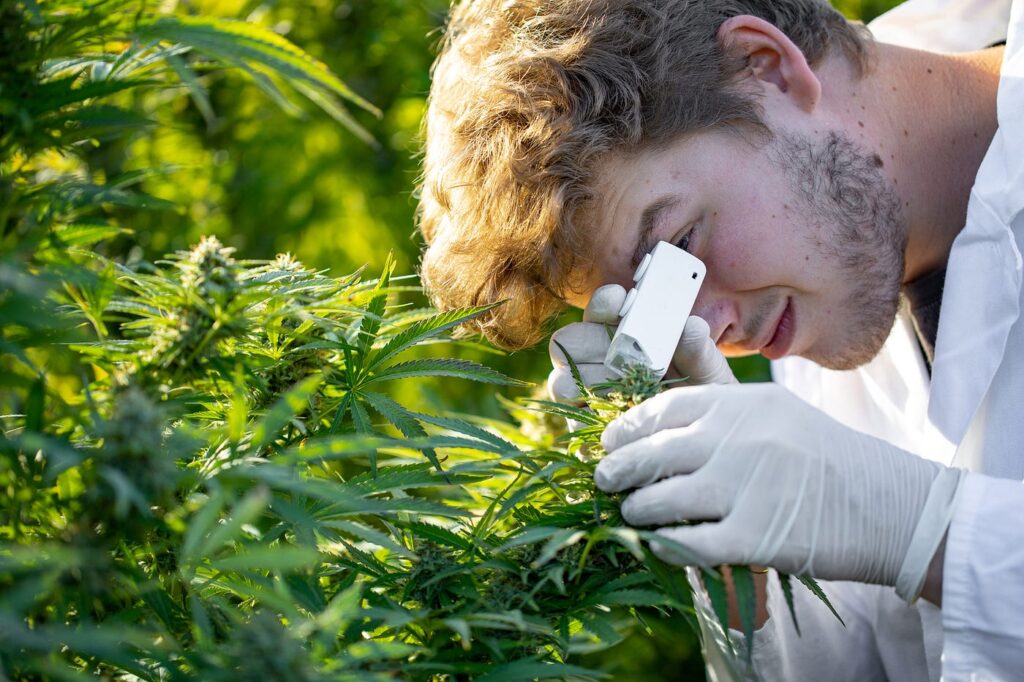
THC, the psychoactive component of cannabis, is closely monitored in medical cannabis products to minimize the risk of unwanted psychoactive effects on patients. The aim is to provide therapeutic benefits while avoiding the “high” associated with recreational cannabis use.
Strategies for Monitoring and Controlling THC Levels:
- Regulation of Product Composition: Medical cannabis products in Australia are regulated to ensure that they contain precise levels of cannabinoids, including THC. Products with high CBD (cannabidiol) and low THC are often preferred for medical use, particularly for conditions like epilepsy, anxiety, and chronic pain.
- Product Labeling and Dosing: Medical cannabis products must be accurately labeled with the concentration of THC and other cannabinoids. This allows healthcare providers to prescribe the appropriate dose that provides therapeutic benefits without causing psychoactive effects.
- Patient Monitoring and Titration: Patients using medical cannabis are typically started on a low dose, which is gradually increased (titrated) based on their response. This careful monitoring helps to find the optimal dose that manages symptoms while minimizing psychoactive effects.
- THC Caps and Restrictions: In some cases, medical cannabis products may be capped at a certain THC concentration. This is particularly important for products intended for children, the elderly, or patients with a history of psychiatric conditions, where even low levels of THC could cause adverse effects.
- Regular Patient Assessments: Ongoing assessment of the patient’s response to cannabis treatment is crucial. Healthcare providers regularly evaluate the effectiveness of the treatment, side effects, and the patient’s overall well-being to adjust the dosage or cannabinoid composition if necessary.
- Educational Initiatives for Healthcare Providers: The TGA and other regulatory bodies provide education and resources to healthcare providers on how to prescribe and monitor medical cannabis. This includes guidance on selecting products with appropriate THC levels and managing potential side effects.
- Clinical Trials and Research: Australia supports ongoing clinical trials and research into medical cannabis to better understand its effects and optimize its use. These studies often focus on the safety and efficacy of different cannabinoid ratios, providing evidence to guide the development of safer, more effective treatments.
3. Patient Consent and Informed Decision-Making
An essential aspect of prescribing medical cannabis in Australia is obtaining informed consent from the patient. Patients must be fully aware of the potential benefits, risks, and side effects of cannabis treatment, including the possibility of experiencing psychoactive effects from THC.
Components of Informed Consent:
- Detailed Explanation: Healthcare providers must explain the nature of the treatment, including how THC and other cannabinoids work, the expected therapeutic outcomes, and the potential side effects.
- Risk Communication: Patients should be informed about the risk of psychoactive effects, particularly if the cannabis product contains THC. This includes discussing how THC may affect cognitive function, mood, and overall mental health.
- Alternatives Discussion: Patients should be made aware of alternative treatment options and why medical cannabis is being considered as a last resort. This ensures that they have a clear understanding of all available treatments.
- Consent Documentation: Informed consent must be documented, with patients providing written acknowledgment that they understand the risks and benefits of medical cannabis. This documentation is crucial, particularly in cases involving vulnerable populations.
Conclusion
Australia’s diverse climate offers opportunities for cultivating a variety of medical cannabis strains that thrive in different environmental conditions. Cannatonic, ACDC, Charlotte’s Web, Harlequin, and Pennywise are among the top medical strains that can be successfully grown in Australia, each offering unique therapeutic benefits due to their distinct chemical profiles.
Cannatonic and ACDC are ideal for patients seeking high CBD content with minimal THC, making them suitable for managing chronic pain, anxiety, and neurological disorders without the risk of intoxication. Charlotte’s Web, with its exceptional CBD content and negligible THC levels, is particularly effective for treating seizure disorders and providing relief to patients of all ages. Harlequin offers a balanced CBD-to-THC ratio, making it suitable for daytime use without significant psychoactive effects, while Pennywise’s 1:1 ratio provides comprehensive relief from anxiety, chronic pain, and neurological symptoms.
Understanding the specific growing conditions for each strain is crucial for maximizing yield and potency. Indoor cultivation offers greater control over temperature and humidity, essential for strains like Cannatonic and ACDC, which require precise environmental management. Outdoor cultivation is ideal for strains like Charlotte’s Web and Harlequin, which thrive in warm, sunlit conditions. Proper pruning, nutrient management, and attention to flowering times are key to ensuring a successful harvest of these medically beneficial cannabis strains.
These top five strains provide Australian medical cannabis growers with options that cater to a wide range of therapeutic needs, offering relief from chronic conditions while minimizing psychoactive effects. By focusing on the unique properties of each strain and understanding the optimal growing conditions, growers can contribute to the advancement of medical cannabis in Australia, providing patients with safe, effective, and high-quality treatment options.
