
Why I Built This 2025 Shortlist Of Fruity Cannabis Strains
I’ve chased fruit-forward aromas for years because they make trimming day a joy and the final jars pop with personality. In the last twelve months I ran side-by-side hunts of new and classic genetics across a mixed indoor setup and a small outdoor test bed, selecting phenotypes that delivered reliable harvests, vibrant fruit terpene profiles, and repeatable results. My goal was simple: help other cultivators pick fruity cannabis strains that truly earn space in the garden.
For transparency, I grew from a mix of feminized seeds and autoflower strains sourced from reputable seed banks. I’m not making medical claims or telling you how to interpret regional laws—always check local regulations before you buy, plant, or ship anything. I’m simply sharing what worked, what didn’t, and how I optimized for the best tasting weed I could produce this season.
How I Tested And Compared Fruit-Forward Genetics
Environment And Lighting
Indoors, I flower in a 1.2 m × 2.4 m tent with full-spectrum LEDs. During bloom I target 850–950 μmol/m²/s center-canopy and 650–750 μmol/m²/s at the edges. If you’re asking what PPFD for flowering is appropriate for dense buds without bleaching, that 800–900 range has been my sweet spot for these fruity cannabis strains. I map PPFD for flowering at Week 3 (post-stretch) and again at Week 6 after defoliation to account for canopy changes.
Climate: 24–26°C day, 20–22°C night in flower; humidity 45–52% early bloom tapering to 42–45% late bloom. VPD sits around 1.2–1.4 kPa mid-flower. I keep gentle, multidirectional air movement to avoid microclimates that can mute terpenes.
Medium, Feeding, And EC Targets
I trialed soil vs hydro to see which better retained fruit notes. In soil (amended coco/peat blends) I fed to 1.8–2.1 mS/cm in mid-flower. In drain-to-waste coco, I ran 2.0–2.3 mS/cm with 10–20% runoff and frequent small irrigations. Hydro gave slightly faster growth, but the most expressive fruit terpene profiles consistently came from living soil beds with top-dressed dry amendments and light liquid support. That said, I’ve pulled outstanding flavor in coco by keeping root zone temps stable and dialing in calcium and magnesium. Choose soil vs hydro based on your workflow; either can produce the best tasting weed with care.
Training, Photoperiods, And Pests
Most cultivars responded well to low-stress training and selective defoliation around Days 21 and 42 of flower. A few preferred topping plus trellis to hold up heavy colas. I flower photoperiods at 12/12 and run autos at 20/4. For IPM, I released beneficial mites early, rotated citric-acid and essential-oil sprays in veg, and avoided heavy foliar work once pistils developed.
Harvest And Curing For Maximum Fruit
I harvest at 5–10% amber on trichome heads for richer mouthfeel without losing sparkle. Drying in 18–20°C, 55–60% RH for 10–14 days produced the most vivid fruit terpene profiles. For terpene preservation after dry, I cure at 60–62% in glass, burp sparingly, and avoid sun exposure. If you’re researching terpene preservation techniques in hopes of the best tasting weed, prioritize slow drying above everything else.
The Top 10 Fruity Cannabis Strains I Recommend For 2025
Blueberry (Indica-leaning)
Why it’s on the list: A timeless benchmark for fruity cannabis strains, Blueberry delivered baked-blueberry and vanilla notes in both soil vs hydro. My standout phenotype was squat with thick petioles and a heavy lateral structure.
Grower notes:
- Veg time: 4–5 weeks
- Flower: 8–9 weeks
- PPFD for flowering: 800–900 μmol/m²/s
- EC: 1.9–2.1 mS/cm mid-bloom
- Training: LST plus a single topping; responds well to a light defoliation
Seed shopping: I’ve had reliable results from feminized seeds. Autoflower strains exist, but the photoperiod keeps the classic dessert profile. If you’re hunting cannabis seeds 2025 for a “first fruity,” this is a safe start and still among the best tasting weed when cured with careful terpene preservation.
-
Blueberry Cannabis Seeds
Blueberry cannabis seeds promise a journey into tranquility, producing plants …From: $24.99 BUY NOW This product has multiple variants. The options may be chosen on the product page
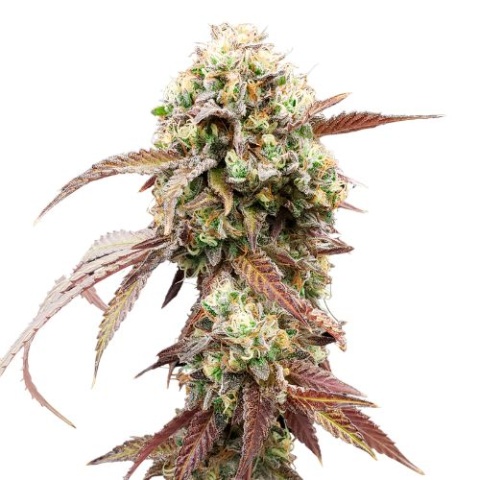
Strawberry Cough (Sativa-leaning)
Ripe strawberry inhalation with a hint of pepper. Stretchy plants that like space and a steady silica program.
Grower notes:
- Veg time: 5–6 weeks
- Flower: 9–10 weeks
- PPFD for flowering: 850–950 μmol/m²/s with strong side lighting
- EC: 2.0–2.2 mS/cm
- Training: Topping plus net; manage vertical stretch
Buying tip: Good in feminized seeds for uniformity. In the indica sativa hybrid debate, this leans sativa in structure but many modern cuts are true hybrids. If you’re selecting cannabis seeds 2025 for daytime jars, it earns a slot.
-
Strawberry Cough Cannabis Seeds
With their potential to produce a sweet, strawberry-scented strain that …From: $24.99 BUY NOW This product has multiple variants. The options may be chosen on the product page
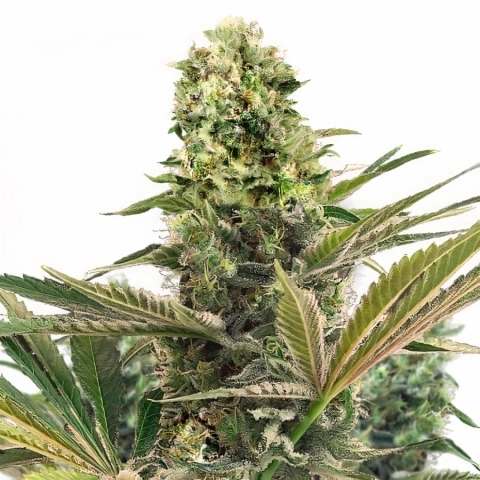
Mango Kush (Hybrid)
Think ripe mango slices and a whisper of pine. Compact, friendly canopy and forgiving feed curve.
Grower notes:
- Flower: 8–9 weeks
- PPFD for flowering: 800–875 μmol/m²/s
- EC: 1.8–2.0 mS/cm
- Training: LST; one hard strip at Day 21 to prevent larf
Seed note: Autoflower strains of Mango can finish outdoors in short seasons. For indoor flavor chasers, feminized seeds are my pick to maximize terpene preservation.
Pineapple Express (Hybrid)
Tropical candy on the nose, citrus-pine on the exhale. Vigorous veg and strong apical dominance.
Grower notes:
- Flower: 8–9 weeks
- PPFD for flowering: 825–925 μmol/m²/s
- EC: 2.0–2.3 mS/cm, likes potassium late
- Training: Top twice, spread wide; holds weight well
Soil vs hydro: Hydro sprinted to harvest, but soil preserved the delicate pineapple top notes. If the goal is the best tasting weed, the living bed won by a nose.
-
Mango Kush Cannabis Seeds
While the inhalation of Mango Kush cannabis seeds may not …From: $24.99 BUY NOW This product has multiple variants. The options may be chosen on the product page
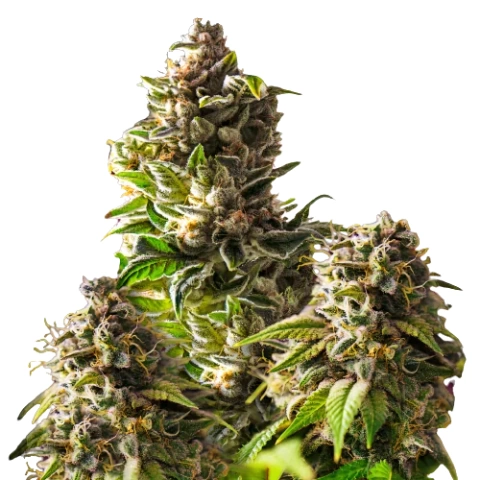
Sunset Sherbet (Hybrid)
Explosive orange peel and creamsicle. Slightly calcium-hungry and benefits from steady magnesium.
Grower notes:
- Flower: 9–10 weeks
- PPFD for flowering: 850–950 μmol/m²/s
- EC: 2.1–2.3 mS/cm late bloom
- Training: Net and yo-yos; dense colas
Seed advice: For cannabis seeds 2025 that sell themselves on aroma alone, Sunset Sherbet in feminized seeds has been a keeper. Many autos are excellent too, and some autoflower strains retain surprisingly loud zest if you keep VPD steady.
-
Sunset Sherbet Cannabis Seeds
Sunset Sherbert cannabis seeds are renowned for their potential to …From: $24.99 BUY NOW This product has multiple variants. The options may be chosen on the product page
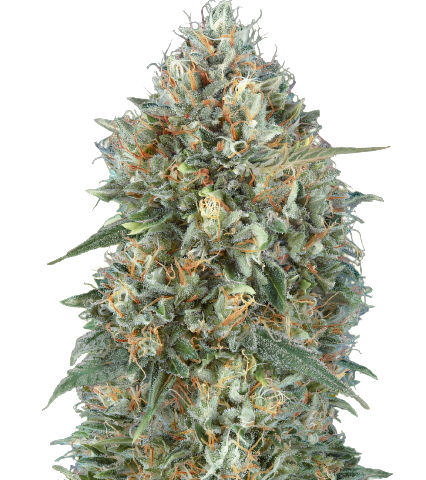
Grape Ape (Indica-leaning)
Grape soda meets berry jam. This cultivar likes a slightly cooler night cycle to push color and aroma.
Grower notes:
- Flower: 8–9 weeks
- PPFD for flowering: 775–875 μmol/m²/s
- EC: 1.9–2.1 mS/cm
- Training: Minimal topping; prefers a natural bush with support
Flavor tip: For terpene preservation, avoid aggressive late-flower defoliation. The big fans help buffer stress that can dull fruit terpene profiles.
-
Grape Ape Cannabis Seeds
Grape Ape cannabis seeds, a delightful creation of nature, hold …From: $24.99 BUY NOW This product has multiple variants. The options may be chosen on the product page
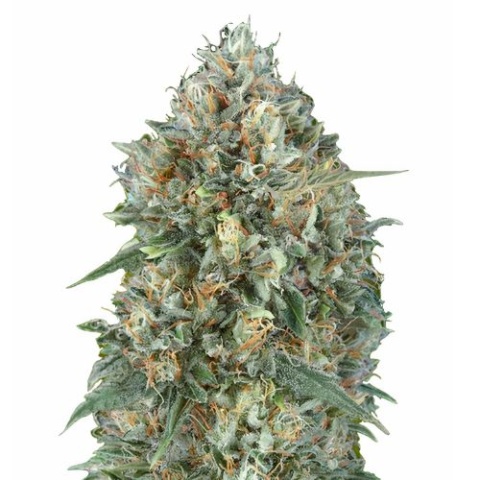
Cherry Pie (Hybrid)
Fresh cherry with baked-crust undertones. Moderate stretch and cooperative branching.
Grower notes:
- Flower: 8–9 weeks
- PPFD for flowering: 825–900 μmol/m²/s
- EC: 2.0–2.2 mS/cm
- Training: Top once; light leaf tucks through Week 4
Seed choice: I favor feminized seeds here; if you like quick cycles, select autoflower strains geared for flavor rather than speed. In an indica sativa hybrid lineup, Cherry Pie sits right in the middle for structure.
-
Cherry Pie Cannabis Seeds
With a mouthwatering tart cherry aroma and a perfect balance …From: $24.99 BUY NOW This product has multiple variants. The options may be chosen on the product page
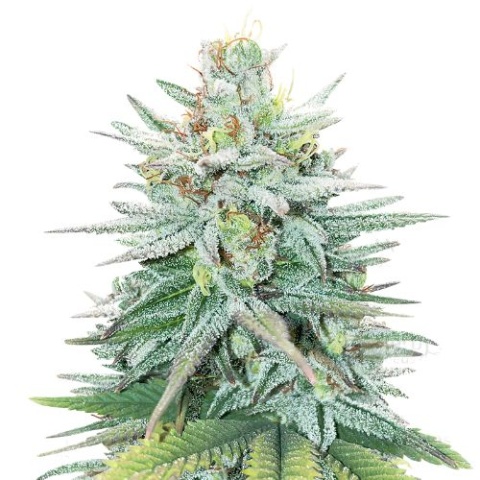
Lemon Haze (Sativa-leaning)
Sharp lemon-peel with a lingering sweetness. Tall plants, high light appetite.
Grower notes:
- Flower: 9–10 weeks
- PPFD for flowering: 900–1,000 μmol/m²/s with CO₂ or keep at 850 without
- EC: 2.1–2.3 mS/cm
- Training: Top early; aggressive bend to maintain an even plane
Soil vs hydro: Coco/hydro showcased electric citrus when I nailed run-off EC. In soil, the lemon smoothed out. Your garden goals will guide which version becomes your best tasting weed.
-
Lemon Haze Cannabis Seeds
Lemon Haze cannabis seeds possess the promise of nurturing a …From: $24.99 BUY NOW This product has multiple variants. The options may be chosen on the product page
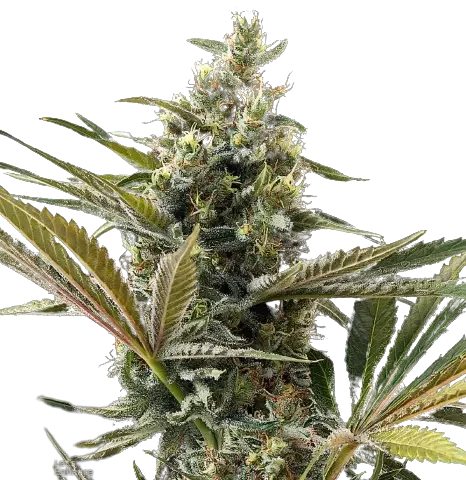
Papaya (Indica-leaning)
Juicy papaya and tropical punch. Stocky plants, resilient in heat spikes.
Grower notes:
- Flower: 8–9 weeks
- PPFD for flowering: 800–900 μmol/m²/s
- EC: 1.8–2.0 mS/cm; watch nitrogen late
- Training: LST and leaf plucks at Days 21 and 42
Seed shopping: Autoflower strains of Papaya are consistent outdoors. For indoor connoisseurs scanning cannabis seeds 2025, look for feminized seeds labeled “Papaya ×” crosses for fruit-heavy phenos.
-
Papaya Cannabis Seeds
Papaya Cannabis Seeds develop into a strain that delights the …From: $24.99 BUY NOW This product has multiple variants. The options may be chosen on the product page

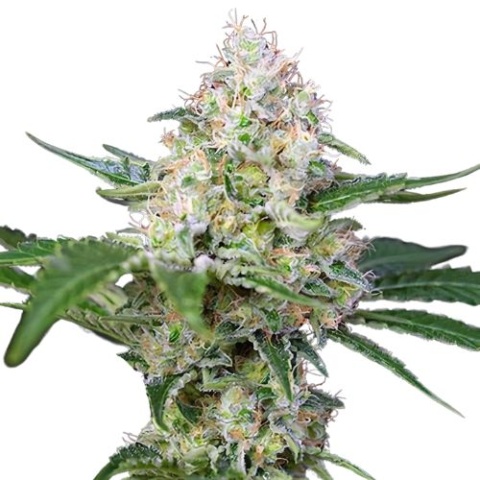
Runtz (Hybrid)
Candy-fruit bouquet with creamy back end. Dense buds, moderate internodes.
Grower notes:
- Flower: 8–9 weeks
- PPFD for flowering: 825–925 μmol/m²/s
- EC: 2.0–2.2 mS/cm; bumps in phosphorus late can help density
- Training: Top twice; good defol at Day 21 for light penetration
Flavor guard: Runtz really rewards meticulous terpene preservation—keep your dry room stable and avoid overdrying.
-
Runtz Cannabis Seeds
Runtz cannabis seeds carry the potential for a flavor-packed adventure, …From: $24.99 BUY NOW This product has multiple variants. The options may be chosen on the product page
Seed-Buying And Planning For 2025
Choosing Between Feminized Seeds And Autos
When I’m planning production runs for fruity cannabis strains, I start with feminized seeds if I want uniform canopies, big yields, and a photoperiod I can shape. Feminized seeds gave me the most predictable cola size and the loudest fruit terpene profiles across the board. I still keep a shelf of autoflower strains for fast outdoor fills, shoulder seasons, and trial runs; autos like Papaya and Blueberry performed admirably this year and helped me scout flavor potential before committing to large photoperiod hunts. If you’re scanning cannabis seeds 2025 catalogs, short-listing both feminized seeds and autoflower strains gives you flexibility.
Indica Sativa Hybrid Reality Check
Most modern fruit-heavy cultivars are blends, so “indica sativa hybrid” is usually the most accurate label. In practice, I evaluate structure and stretch, not marketing tags. For trellis planning, I ask: will it stretch like Lemon Haze or stack like Grape Ape? That mindset improved consistency across my fruity cannabis strains and made training much easier.
Shipping And Legal Considerations
Seed banks continue to improve stealth and tracking. Even so, check regional laws before you order. I avoid promising timelines to anyone because shipping windows vary—build cushion into your schedule, particularly if you’re coordinating germination tips for a specific outdoor window.
Germination, Early Veg, And The Foundation Of Flavor
My Germination Tips For Strong Starts
I start seeds in buffered cubes or light-charge seed mix at 24–25°C with 70–80% humidity under 150–250 μmol/m²/s. Here are the germination tips that pushed my success rate above 95% this year:
- Pre-soak cubes with 0.5–0.8 mS/cm solution and a touch of beneficial microbes.
- Scarify older seeds gently if you suspect thick shells.
- Plant with the seam up; keep media evenly moist, not wet.
- Resist overfeeding until the first true leaves appear.
Germination tips matter because a strong taproot translates to healthier fruit terpene profiles later. You can grow the best tasting weed only if the first seven days set a solid base.
Soil Vs Hydro Through The Fruit-Chaser’s Lens
I’ve pulled bowl-of-fruit jars from both systems. Soil vs hydro isn’t about “which is better” but “which fits your style.” In soil, microbial life seems to round off harsh edges, and I often perceive fuller fruit terpene profiles. Hydro and coco, with tight irrigation and EC control, can deliver sharper citrus and candy notes. I recommend testing both soil vs hydro approaches with a single cultivar to see which produces your best tasting weed in your environment.
Advanced Lighting, Nutrition, And Canopy Tips
PPFD For Flowering Without Guesswork
A common search query is “what PPFD for flowering should I target for dense, flavorful buds?” For these fruity cannabis strains, 800–900 μmol/m²/s hits the bullseye for most gardens without added CO₂. If you push above 900, ensure consistent 1.2–1.4 kPa VPD, adequate calcium/magnesium, and watch for bleaching. I use handheld meters to verify; phone apps are fine for rough mapping but can drift.
Nutrition For Fruit-Forward Results
- Nitrogen: Ease off by Week 5 to avoid grassy notes.
- Potassium: Increase late flower to support density and sweetness.
- Sulfur: Subtle boosts around Week 6–7 can enhance fruit terpene profiles without harshness.
- EC: Keep inputs clean; for mid-flower I hover around 2.0–2.2 mS/cm and taper late. This helped with terpene preservation post-harvest.
Training That Protects Flavor
I avoid aggressive supercropping after Week 3. Gentle LST and targeted defoliation around Days 21 and 42 balanced airflow and light penetration without stressing the plants. Stress can compromise terpene preservation and flatten fruit notes.
Post-Harvest: Locking In The Fruit
Drying, Curing, And Storage
If you’re chasing the best tasting weed from fruity cannabis strains, treat drying like a separate grow cycle:
- Dry room: 18–20°C, 55–60% RH, 10–14 days
- Darkness: Light degrades monoterpenes quickly
- Trim: I prefer a hybrid approach—fan leaves off wet, sugar leaves dry
- Cure: 60–62% RH in glass for 4–6 weeks, minimal burping after the first week
Jar Management And Terpene Preservation
Label jars by cultivar, harvest date, and phenotype. Use small hygrometers. Don’t rush to heat or vacuum-seal. Simple, patient airflow practices are the backbone of terpene preservation. If you’re reading debates on forums about terpene preservation, remember that stable room conditions beat exotic gadgets every time.
Quick Reference: 2025 Fruity Strain Shortlist At A Glance
- Blueberry: Dessert-berry, easy training; feminized seeds recommended
- Strawberry Cough: Bright berry, tall; netting helps
- Mango Kush: Ripe mango, compact; great first run
- Pineapple Express: Tropical candy; potassium-friendly
- Orange Sherbet: Citrus-cream; watch calcium/magnesium
- Grape Ape: Grape soda; cooler nights for color
- Cherry Pie: Fresh cherry; balanced structure
- Lemon Haze: Lemon peel; high light appetite
- Papaya: Tropical punch; heat tolerant
- Runtz: Candy fruit; meticulous dry/cure for peak flavor
FAQ: Fruity Cannabis, Seed Buying, And Growing In 2025
What are the most reliable fruity cannabis strains for a new grower?
Blueberry, Mango Kush, and Papaya are forgiving and flavorful. They thrive under 800–900 μmol/m²/s PPFD for flowering, don’t demand exotic feeds, and shine in both soil vs hydro with basic germination tips and steady VPD.
Should I buy feminized seeds or autos if I want fruit-heavy jars fast?
Feminized seeds offer uniformity and canopy control, which helps with terpene preservation. Autoflower strains are excellent for speed and outdoor windows. In 2025, many cannabis seeds 2025 catalogs include autos bred specifically for flavor, so consider one photo run and one auto run to compare.
What PPFD for flowering gives flavor without sacrificing yield?
Aim for 800–900 μmol/m²/s at the canopy for most indica sativa hybrid cultivars. Push to 950–1,000 only if your environment supports it consistently. Always confirm with measurements rather than guesses.
How do I keep fruit terpene profiles intact after harvest?
Slow and steady: 10–14 days drying at 18–20°C and 55–60% RH, then a calm cure at 60–62%. Good jar hygiene and patient burping routines are the foundation of terpene preservation.
Does soil vs hydro matter for flavor?
Both can deliver the best tasting weed. Soil can round flavors and highlight fruit terpene profiles; hydro can sharpen citrus notes. Your technique and environment matter more than the label.
What’s the safest way to plan orders and shipping?
Use reputable seed banks, read recent reviews, and understand your regional regulations before ordering. Build time into your calendar so germination tips are executed when seeds arrive—rushing increases mistakes.
My 2025 Takeaway For Flavor-First Growers
If you’re here for jars that smell like a fruit stand, you’re in the right place. Focus on choosing proven fruity cannabis strains, verify what PPFD for flowering your space actually delivers, and commit to slow, stable drying. Whether you lean soil vs hydro, prefer feminized seeds or autoflower strains, and run indica sativa hybrid lineups or single-cult hunts, your technique will make or break fruit terpene profiles. With careful planning of cannabis seeds 2025 options, disciplined environment control, and patient terpene preservation, you’ll produce some of the best tasting weed you’ve ever grown.
Appendix: On-Site Checklist
- Pick three fruity cannabis strains from the list for staggered harvests
- Decide soil vs hydro and prep media ahead of time
- Confirm light map to hit target PPFD for flowering before Flip
- Choose feminized seeds for uniformity; trial autoflower strains for speed
- Review germination tips; set up a warm, humid start zone
- Plan IPM and training milestones (Days 21 and 42)
- Schedule dry room—18–20°C, 55–60% RH—before harvest
- Prioritize terpene preservation: dark, slow dry; patient cure
- Track flavor notes by phenotype to refine your 2026 lineup
Natural-Language Queries To Explore
- What PPFD for flowering should I use for Lemon Haze in a small tent?
- Which feminized seeds produce the best tasting weed with citrus notes?
- Are autoflower strains good for fruit terpene profiles in cooler regions?
- How do I choose between soil vs hydro for sweeter jars?
- What germination tips prevent damping-off in humid climates?
- Which indica sativa hybrid blends keep stretch manageable indoors?
This season taught me that fruit-forward jars come from disciplined fundamentals, not hype. If you invest in environment, plant health, and post-harvest care, every one of these fruity cannabis strains can turn into a standout on your shelf.

Mike J
Good informative reading, but, why do all your numbers,especially for temperature all have to be in celcious & not in degrees ?
RKS
Thanks for reading! We use Celsius on our site because it’s the international standard for plant science and most growers worldwide reference temperature that way. If you prefer Fahrenheit, a quick conversion (°C × 1.8 + 32) will give you the equivalent. We may add both formats in future guides for easier reference!